
Libraries support citizens with knowledge, culture and community. They are essential to education and to democratic societies.
Cicero is built to support libraries in inspiring patrons to learn and think independently.
The library management system built for libraries
Cicero is a library management system built to support libraries in operating at their best with efficient workflows, secure and reliable operations, and the freedom to focus on what matters most: the citizens who walk through its doors.
Cicero is the chosen library management system for more than 3,800 libraries across Denmark, Norway, Sweden, Germany, and Finland.
Cicero supports public and school libraries of every size, from metropolitan libraries to small local school libraries. It was developed in close collaboration with library staff and is still shaped by the libraries that use Cicero every day.
More time for patrons, less time on administration
Cicero automates some of the daily tasks that otherwise take time away from helping patrons and building a collection that reflects the community.
Reserved materials are automatically identified, added to a pick list, and patrons are notified once they're picked and ready for collection
Cicero handles a floating collection, reducing the number of materials sent between branches.

Modular and open by design
An open API framework connects Cicero with the systems a library already uses, including self-service terminals, sorting systems, RFID equipment, national patron registers, finance systems and interlibrary loan platforms
Data security and privacy
Cicero is developed and hosted in the EU, with data security and patron privacy built into the platform from the ground up. All data is stored on servers within the EU. Systematic is ISO 27001 certified and CMMI Level 5 assessed.
One system, every device, every location
Cicero is fully web-based and works on any device, from stationary work stations to tablets and smartphones. Whether staff are at the service desk, on the library floor, on a mobile library bus, or at an event outside the library walls, they have access to the same system and the same information. No local installation, no manual updates, and no version differences between devices.
Latest news
- As Sweden mandates staffed school libraries, Stockholm turns to Danish softwareThe new system, Cicero, will allow school librarians to spend less time on administrative tasks and more time inspiring and supporting students.Read more
 Finland's largest library consortia selects new IT SystemThe Helmet libraries in the Helsinki region will replace their current IT system with the Library Management System, Cicero, used by all public libraries in Denmark and leading libraries across Norway, Sweden and Germany.Read more
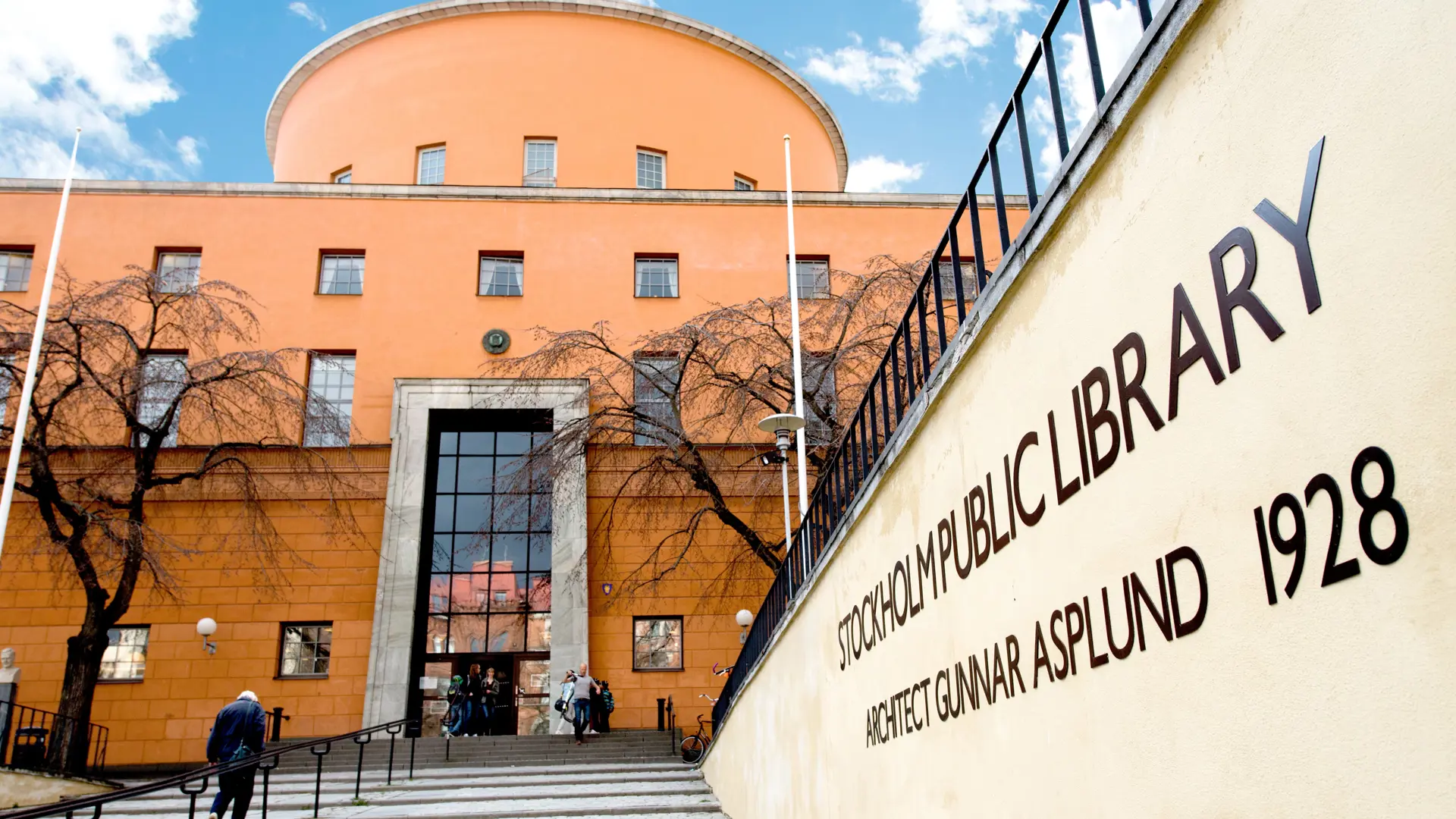 Stockholm Public Library goes live with new Danish library solutionSweden’s largest library replaced its core system mid-operation: 1.5 million items and 12.7 million loan records were transferred in one fell swoop. The library now has a shared digital platform that automates working procedures while freeing up time for library personnel.Read more
 Bücherhallen Hamburg completes successful switch to new library systemCompleted according to plan, Hamburg’s 32 public libraries and two library buses made a smooth transition to the Danish library system Cicero, giving the libraries a significant technological upgrade.Read more
 Systematic re-wins valuable contract for Denmark’s library systemThe software company Systematic has just signed an important, three-digit DKK million contract with the Danish municipalities’ joint IT organisation KOMBIT to continue the development and operation of the IT system for all public and school libraries in Denmark until 2038.Read more
- Stockholm Public Library and Systematic pioneer the future of library servicesNew technology deployed at Stockholm libraries will empower staff through automated processes, enhanced workflows, and improved user accessibility.Read more
 Systematic wins important contract for new library system in SwedenThe Danish software company takes another big step into the European library market after winning a tender worth SEK 100 million for Stockholm Public Library.Read more
 Danish library system breaks new ground in GermanyDenmark’s Cicero system is set to modernise public libraries across Hamburg, marking Systematic’s first foothold in the German library marketRead more
