From concept to capability: Multi-Domain Operations
Supporting NATO in its evolutionary digital journey
A version of this article originally appeared in NITECH issue 14, published by NATO Communications and Information Agency (NCI Agency) in December 2025

Operational reality and digital foundations
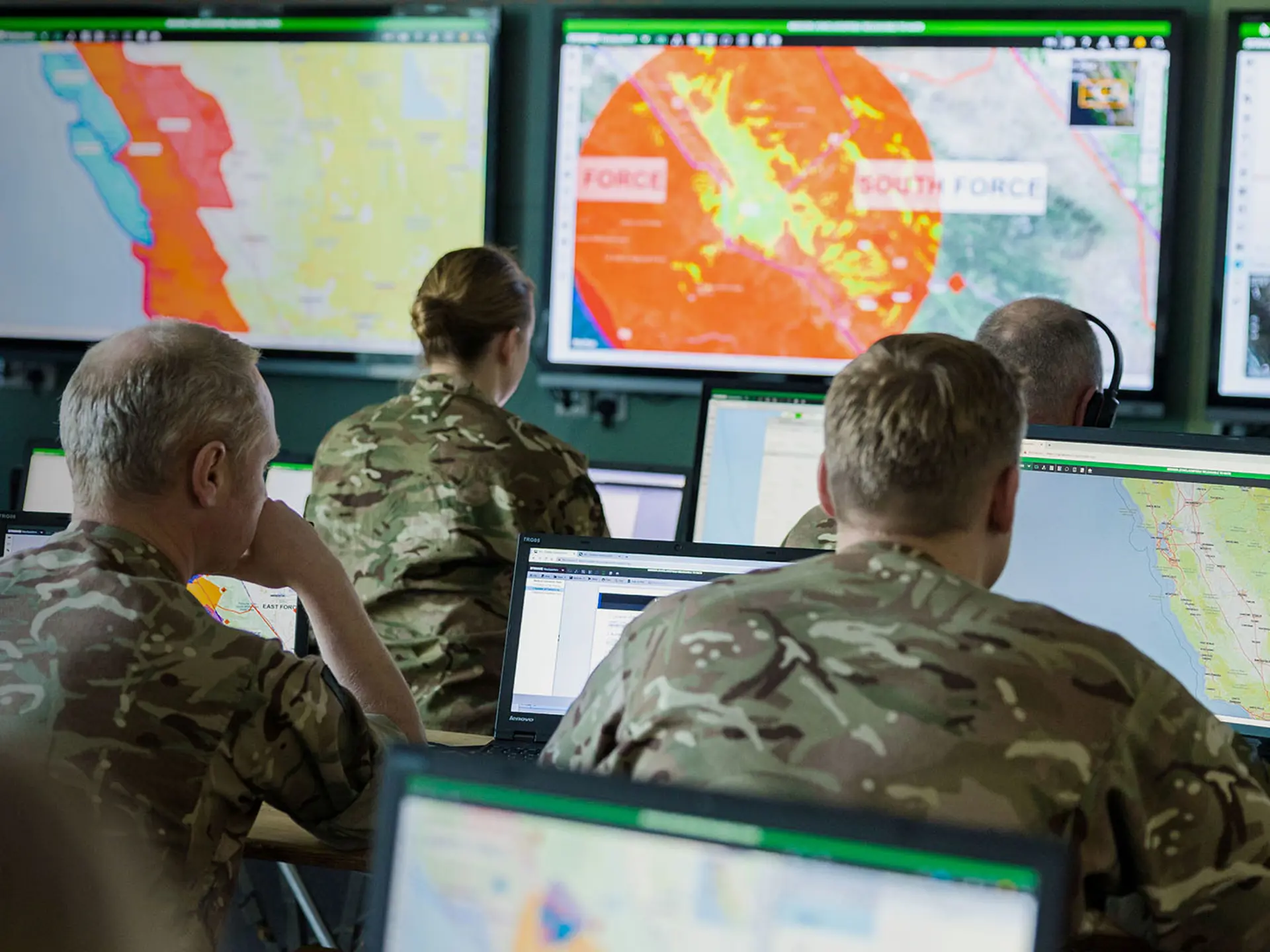
When it comes to integration, NATO and its member nations are moving from policy and doctrine to implementation. Multi-Domain Operations (MDO) now define how modern forces must act: they should be connected across land, maritime, air, cyber, and space — and increasingly involve civilian, governmental, and non-governmental partners.
This evolution is driven by operational experience. Recent conflicts and large-scale exercises have shown how dispersed forces, exponential data growth, and accelerated decision cycles challenge traditional command structures. Success now depends on a commander’s ability to see, understand, and act across all domains — instantly, decisively and securely.
To meet this demand, NATO has already defined the framework and launched this comprehensive digital transformation. The C3 Strategy, Digital Transformation Implementation Strategy (DTIS), Data Strategy as well as the Federated Mission Networking (FMN) collectively establish how the Alliance will build its federated digital backbone. These frameworks outline how information superiority must be built — not as isolated systems, but as a connected, trusted ecosystem linking every level of command.
The principles of NATO’s federated digital backbone are now being realized in practice. Across the Alliance, nations are deploying interoperable, data-centric C4ISR environments that translate doctrine into daily command. These systems enable information sharing, operational coherence, and sovereign control across all domains — the foundation of true Multi-Domain Operations.
Adoption is converging on a common, C4ISR baseline — federated by design. Aligned with NATO digitalization initiatives and validated against standards, such as the Multilateral Interoperability Programme (MIP) and the Allied Procedural Publications (APP), this shared baseline marks where NATO’s digital-transformation policy becomes operational reality.

NATO’s Path to Federated C4ISR
For Multi-Domain Operations to succeed, NATO’s chosen C4ISR solutions must connect all military domains — and equally, civil and government actors through shared data models and service interfaces. This foundation will enable commanders to plan, decide, and act from a common operational picture (COP) that is trusted and secure.
But modern Command and Control must go beyond information exchange. It has to merge situational awareness, decision support, and execution into one adaptive digital environment. Open, modular architectures are key — allowing national and Alliance systems to integrate sensors, intelligence feeds, and mission data as part of a coherent operational framework. Increasingly, artificial intelligence and automation drive this process, turning data into foresight: identifying patterns, correlating inputs, and accelerating coordination across domains. What once took minutes or hours now happens in near real time, giving decision-makers a measurable advantage.
Equally important is the protection of the information that fuels this system. NATO’s federated model depends on architectures that are sovereign by design — deployable within national or shared infrastructures, enforcing classification, releasability, and audit controls to preserve ownership of data within coalition networks. Secure, containerized cloud and edge deployments aligned with NATO’s Digital Backbone ensure resilience and scalability, even in dispersed or degraded environments.
Federated C4ISR must also reflect the breadth of modern operations. NATO’s evolving capability areas extend beyond pure command functions to include coordinated effects, sustainment, and health. This means linking joint fires and targeting systems with logistics and medical readiness data, ensuring that operational tempo, resources, and the human dimension are managed within the same information space.
And these capabilities are no longer aspirational. They have been demonstrated, tested and validated repeatedly during in NATO and multinational exercises such as CWIX, REPMUS, and DYNAMIC MESSENGER, where nations prove that interoperability, data protection, and sovereign control can coexist in a shared digital ecosystem. Across NATO, the foundations of this federated model are already visible — there is a clear need for a unified system connecting domains, nations, and commanders through information advantage rather than information volume.
As federated capabilities mature, NATO and its members must ensure that this federated ecosystem evolves in line with European principles of data protection and national ownership. Once operational data enters a digital C2 environment, it should remain under the authority of the contributing nation. Upholding this principle will be key to maintaining sovereignty while enabling interoperability — ensuring that the trust built through years of cooperation becomes the foundation for the Alliance’s next stage of digital transformation.
Systematic’s SitaWare Suite fulfils these requirements already today. It is an operationally proven C4ISR solution and force multiplier - deployed globally by more than 50 nations and selected Command & Control software for NATO’s Land Forces operations.
The Road Ahead – Scaling across the Alliance
Multi-Domain Operations are now the operational baseline for NATO and its partners. The task ahead is implementation at scale — aligning diverse national systems, timelines, and regulations of all member states, without compromising sovereignty or coherence. This is not only a technical challenge but also an organizational and political one, requiring trust, governance, and sustained coordination between NATO members, industry, and NATO agencies. Achieving full operational effectiveness will require capability management and procurement processes across all stakeholders to evolve in line with operational realities — and at a pace that matches the rapid development of the Alliance’s technological capabilities. Nations must balance innovation with stability and ensure interoperability as technology evolves. Information advantage will depend on how effectively the Alliance can maintain this equilibrium — securing its digital backbone while allowing continuous evolution in AI, automation, and data-driven operations.
The next three to five years will therefore define what success looks like: NATO’s federated digital backbone and national authorities enabling seamless cross-domain coordination, built on a common, standards-aligned C4ISR foundation adopted across the Alliance. Data will flow securely between sovereign networks, while AI supports faster decision-making without obscuring accountability - coordinated through a single, common operational picture, powered by proven European C4ISR expertise and fielded solutions.
A version of this article originally appeared in NITECH issue 14, published by NATO Communications and Information Agency (NCI Agency) in December 2025
Explore more blogs
 Agentic AI: Opportunities and challenges in a changing battlespaceHenrik Sommer on why agentic AI is a force multiplier and why those who ignore it will be left behindRead more
 The interoperability problem: Michael Holm on why allied forces still can't talk to each otherAn excerpt from Michael Holm's appearance on the Command and Control PodcastRead more
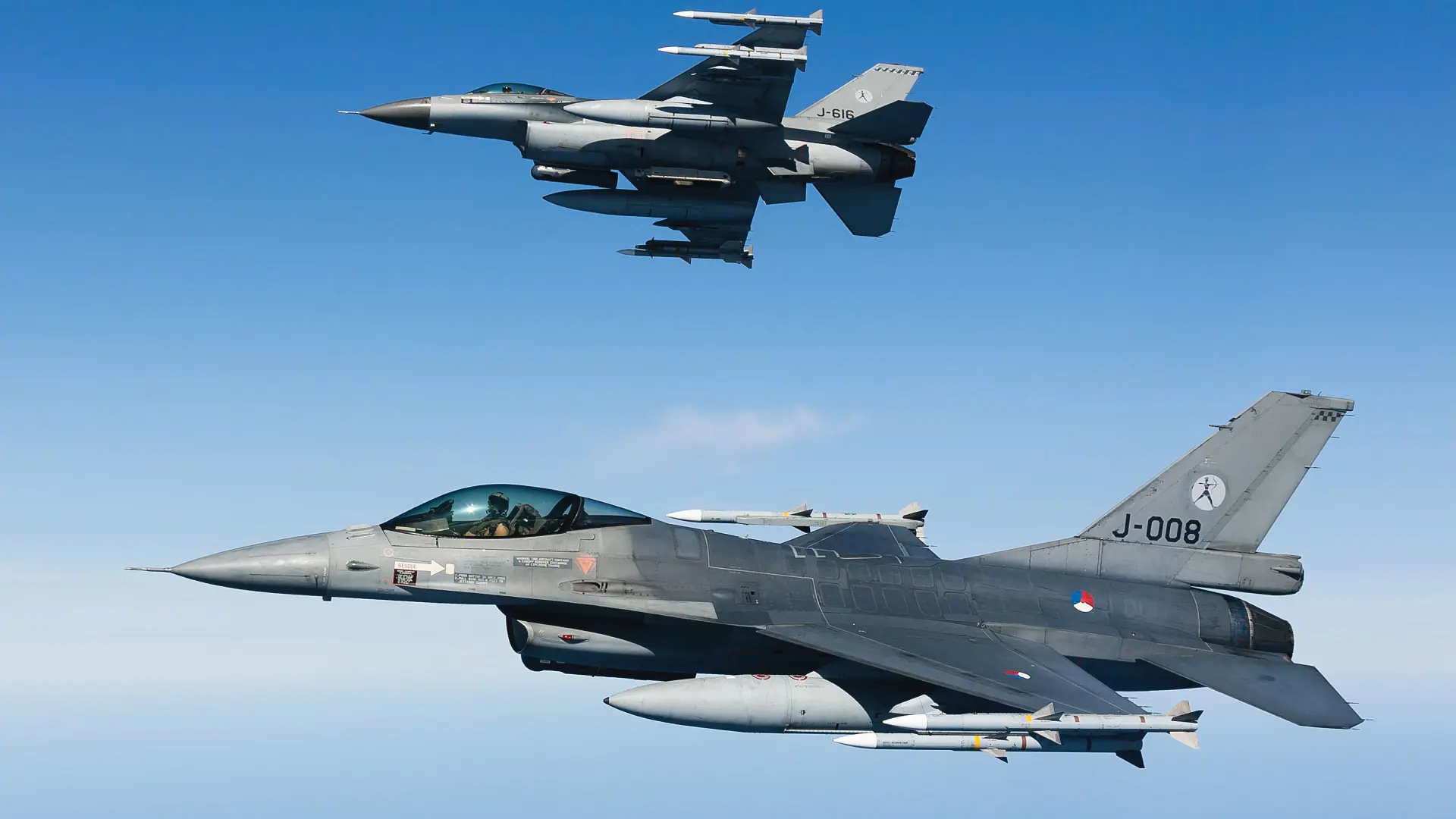 Why integrated Air C2 is critical to unlocking NATO’s Multi-Domain ambitionSystematic's Mads Würtz shares his take on Air Command & Control acting as real enabler of Multi-Domain Operations in coalition contexts. When the recognised air picture and air planning processes are disconnected from land manoeuvre, maritime operations, or ground-based air defence, friction emerges exactly where speed is most critical.Read more
 The future of C2: Lessons from Ukraine, the push for speed, and the case for sovereigntyAn excerpt from Michael Holm's appearance on the Command and Control PodcastRead more
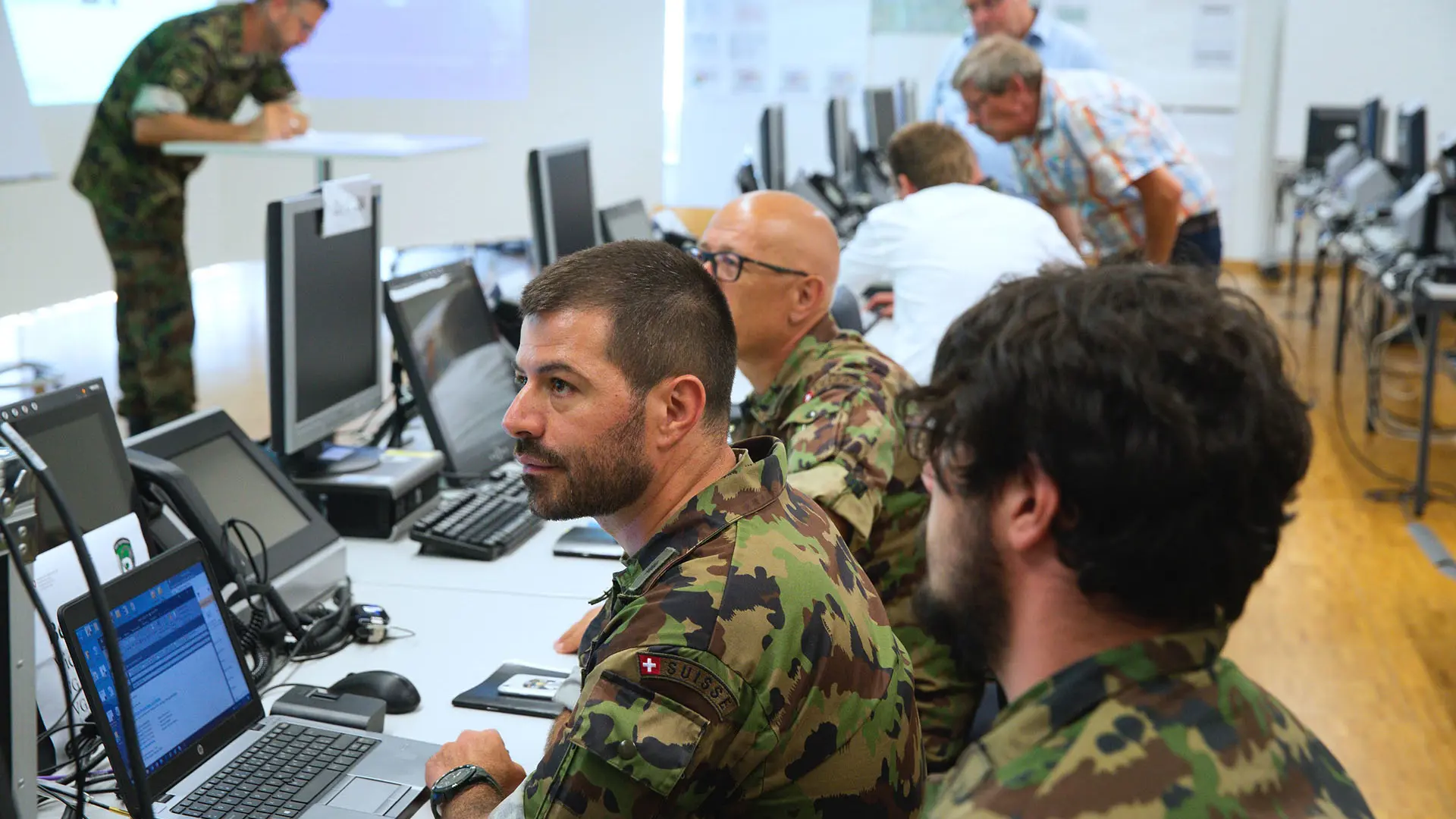 C2 for deterrence?Deterrence does not demand a separate command-and-control system, but rather a more credible, integrated, and wartime-ready form of C2 capable of spanning multiple domainsRead more
 Command and Control transformation in the Middle EastAcross the Middle East, the transformation we’re witnessing mirrors global trends: integrated networks, data-driven decision-making, AI, and joint interoperability are no longer optional — they are imperative.Read more
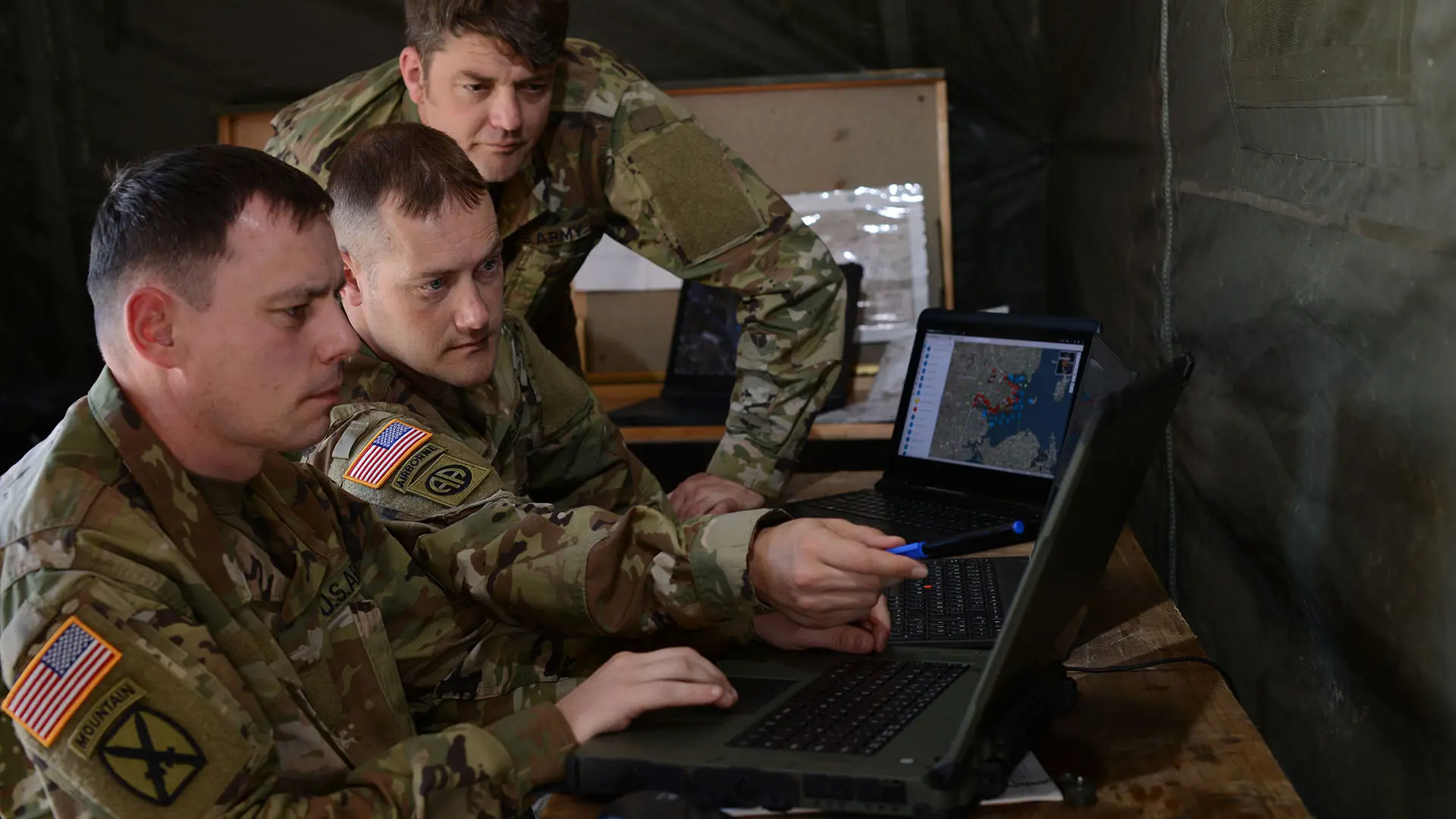 Frankenstein, JADC2, and the future of warfighting acquisition: An industry perspectiveWithout disciplined architecture and unified standards, the future of command‑and‑control risks becoming a Frankenstein of mismatched systems rather than a coherent warfighting capability.Read more
 Technical interoperability in contested environments is a mustThe U.S. Navy must prioritize both seamless interoperability with allies and resilience in contested communications to ensure credible combat power at seaRead more
Newsletter
Cannot see the form?
Your privacy or security settings may be blocking the form.