
Systematic launches new MCM module for SitaWare Maritime
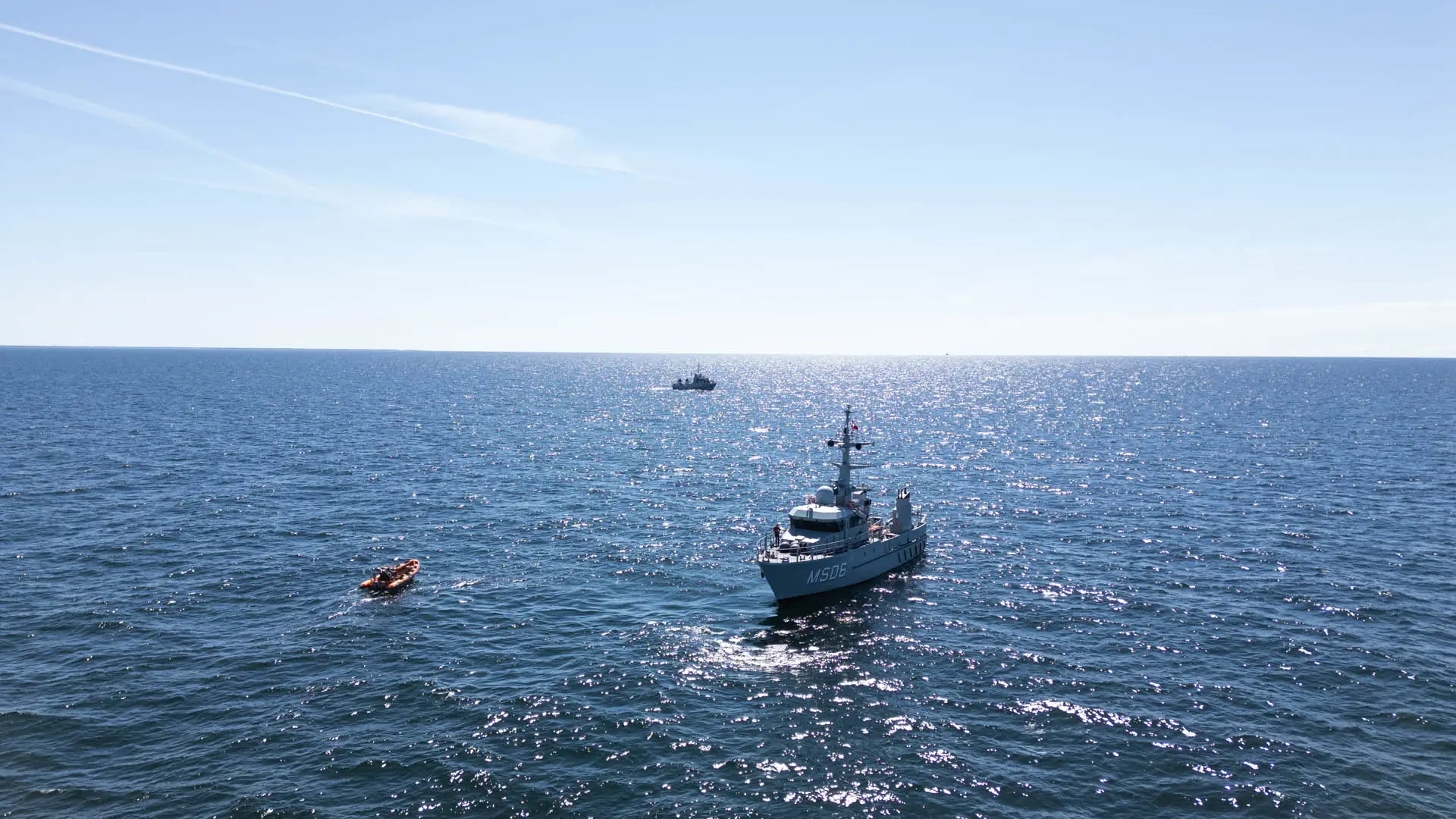
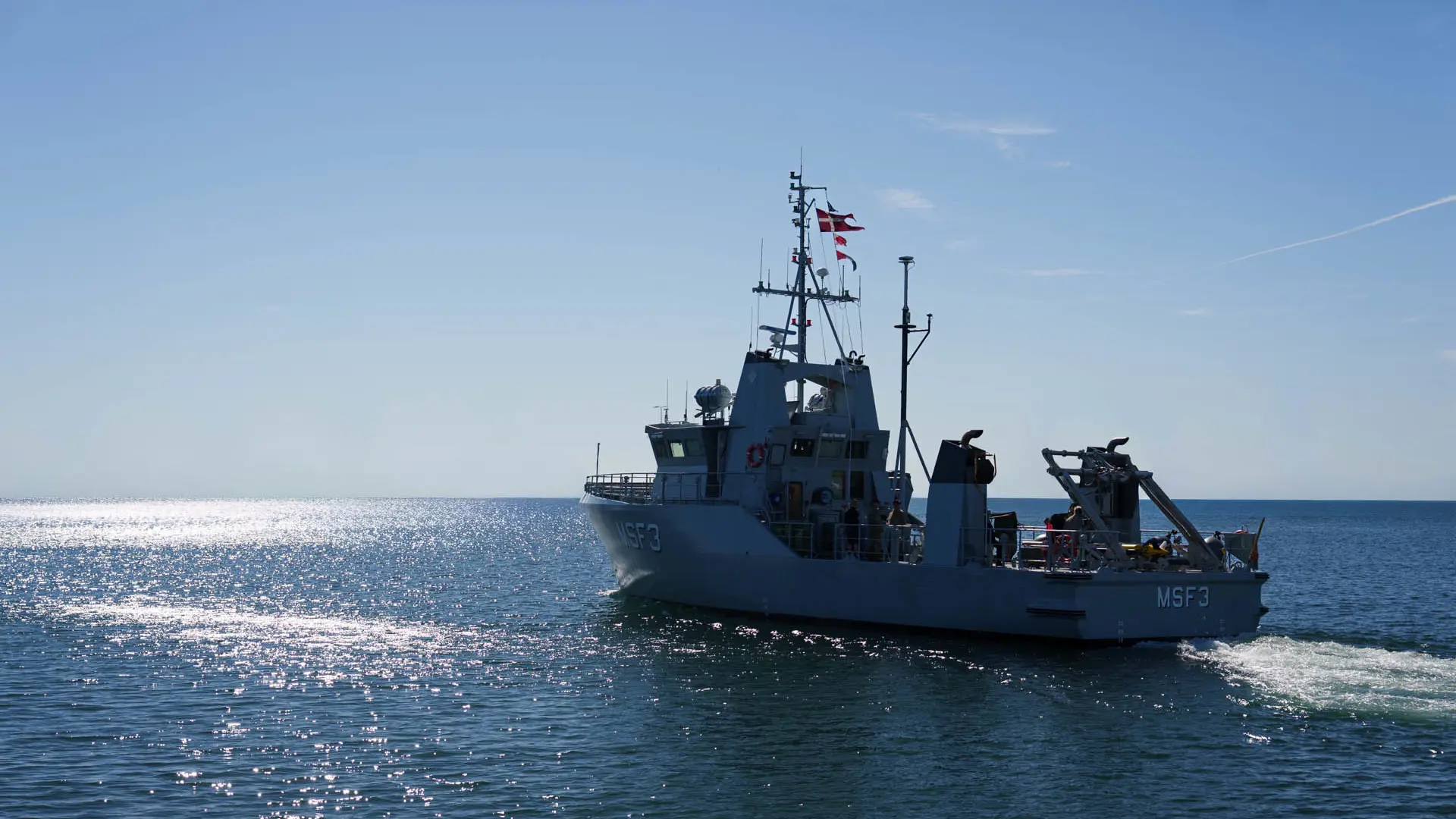
Systematic has developed a new planning module for mine countermeasures (MCM) in SitaWare Maritime, transforming the ability to quickly task MCM vessels (MCMVs) and significantly enhancing situational awareness for navies.
The new tool introduces a range of updates specifically focused on MCM, explained Lasse Krabbesmark, Product Manager at Systematic and a former mine warfare officer in the Royal Danish Navy. The module delivers an overview of specific areas and routes where mine hunting operations are set to occur, he said, alongside data on the capabilities of units, the geographical situation, and the bottom composition of the areas in focus.
Crucially, the new update provides an ‘automatic tasking’ capability, noted Krabbesmark.
“It can link the most capable units to the most suitable areas and then automatically create tasking messages for those units.”
The greatest value comes when acting as a Commander Task Group (CTG), tasking a subordinate group of MCM units. The automated message mapping also benefits the individual units: it allows vessels to generate their operational reports (OPREPs) quickly and automatically, rather than compiling them by hand.
From hours to minutes
Such innovations offer significant advantages for navies, Krabbesmark explained. “It makes the very complex job of tasking MCMVs a lot easier, especially in a coalition: something that would have taken hours in the past can now be achieved in minutes.”
Outlining the practical benefits of the new module, Krabbesmark pointed to the range of data that MCM officers must utilize in their daily operations. This could include OPSTAT Units from all available MCM assets: messages that specify the capabilities of the MCMVs available to them.
Additionally, they will receive an operational tasking message (OPTASK) from higher command levels – such as the Maritime Component Command (MCC) – specifying the areas in which the MCM work will be conducted.
With the new automatic tasking capability, “they can match these together,” Krabbesmark explained. “They know what units they have available and the areas they need to do MCM. They can automatically determine how they can distribute their units most efficiently, so planning is completed as soon as possible.”
Boosting situational awareness
The new module also provides crucial advantages in situational awareness. For example, it can automatically update maps in SitaWare Maritime based on Mine-Like Contact (MILCO) reports and other data.
“You get an overview of what's going on as soon as the messages are received, instead of waiting for someone to manually enter all the data into the system,” explained Krabbesmark.

The new updates were developed based on a requirement from the German Navy, which set out the requirements for – and funded the development of – an MCM tool within SitaWare, explained Krabbesmark. “We looked at their requirements, and we knew we would be able to deliver a faster and better process,” he said.
The idea for the MCM module was developed based on these requirements and informed by Krabbesmark’s own experience as a naval officer. The solution has also been further enhanced through feedback from the Danish MCM community, added Krabbesmark.
Future innovation
The MCM module will be upgraded depending on operator need, Krabbesmark said. For example, more navies are using synthetic-aperture sonars (SAS), he said, while the calculation algorithms used to plan MCM operations are based on hull-mounted sonars.
Additionally, Krabbesmark stressed the need to minimize the risk to ships transiting an area that could be at danger from mines, such as an amphibious force or civilian shipping. The MCM module could be further developed to automatically forecast the potential danger to such vessels on a case-by-case basis, he noted.
“The system could calculate the risk of the ships going through the area after a mine hunting or mine sweeping operation,” Krabbesmark concluded. “This is one of the many ways that this system will support the difficult task of MCM.”
Explore more blogs
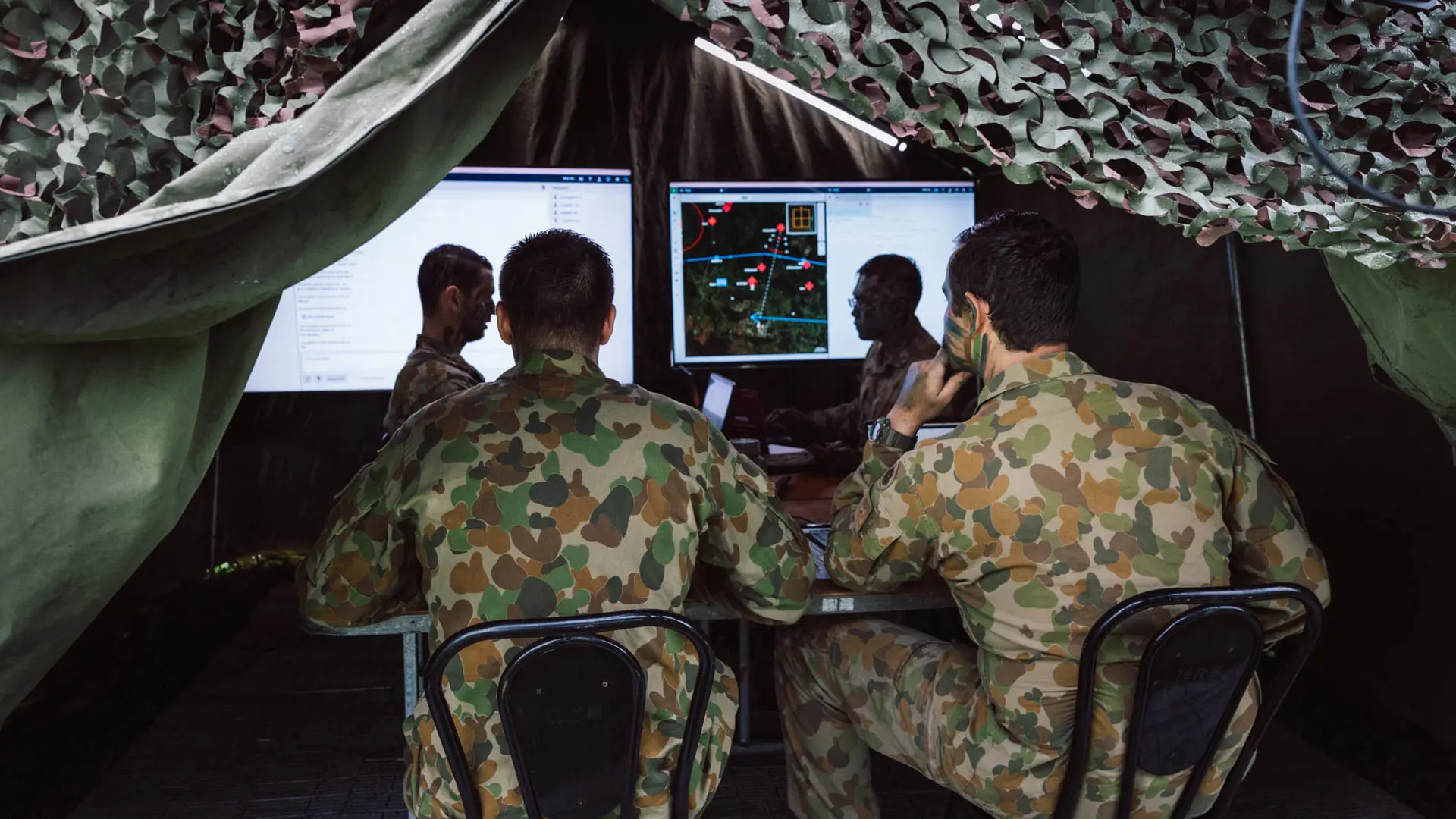 Next-level command briefings: How SitaWare’s new briefing tool transforms presentations for commandersNew updates to SitaWare Headquarters will transform military briefings for commanders, with presenters now able to deliver interactive briefings for their leaders directly from the Battle Management System (BMS).Read more
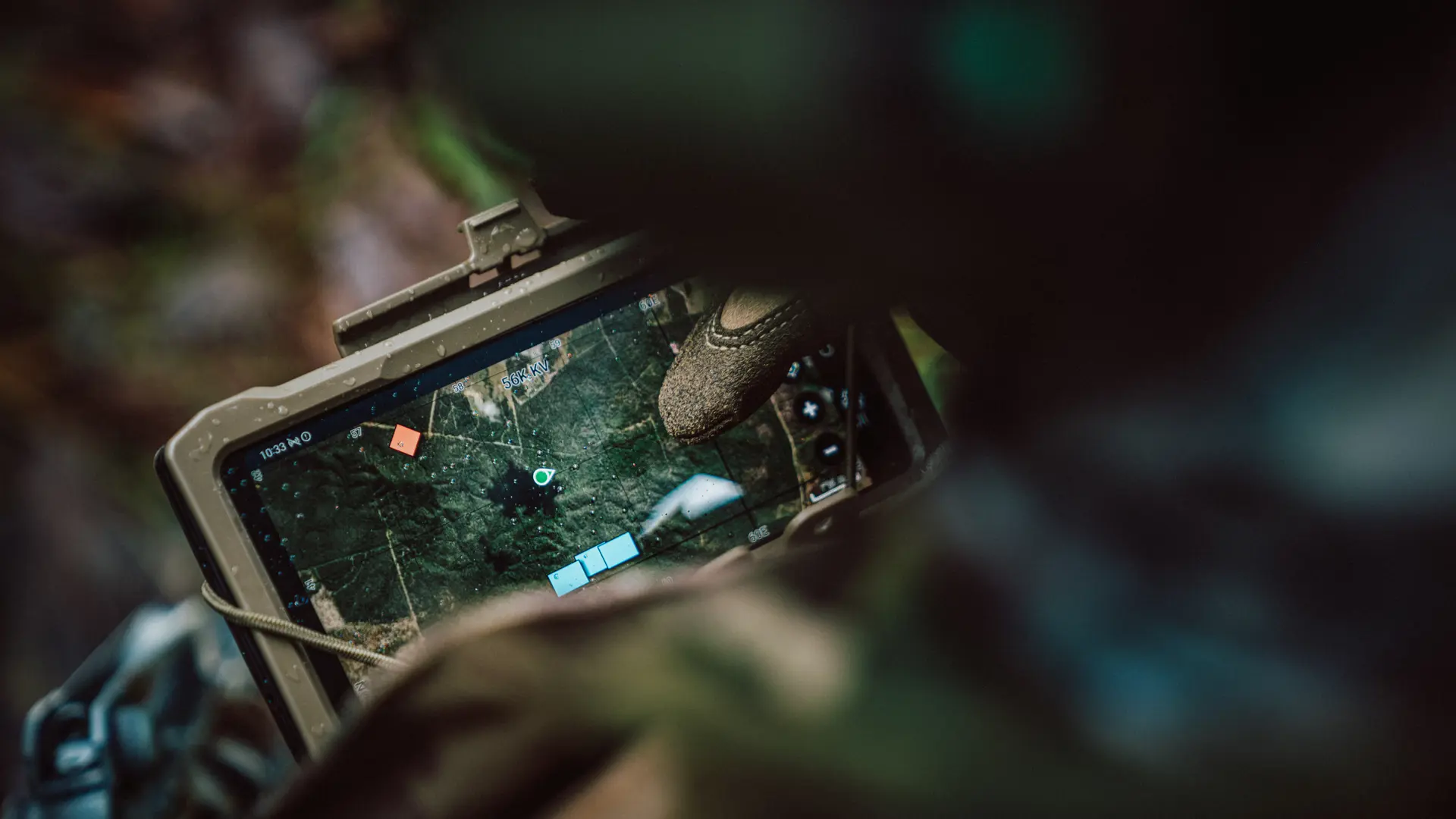 Closing the targeting loopModern targeting has to do three things: sit inside the C2 platform, connect every source of new targets to the staff workflow and give staff a clear view of the entire pipeline. The latest SitaWare release delivers all three, bringing target nomination to the point of observation and closing the loop between observer and command post.Read more
 How SitaWare is advancing agentic AIFrom data challenges to domain expertise, Systematic is building the agentic AI capabilities that tomorrow's militaries will depend onRead more
 Layered defence requires layered decision-makingWhy the counter-drone revolution is fundamentally a command and control problemRead more
 How much is C2 being transformed?Operation Epic Fury and the war in Ukraine offer four lessons about the future of command and control — but not all of them point in the same direction.Read more
 The Gulf’s Multi-Domain ChallengeThe conflict with Iran has shown that resilience in the Gulf no longer rests on mass, but on integration across military, civilian and commercial domains. Modern command and control must be multi-domain, interoperable and ready to operate across national boundaries from day one.Read more
 Customer first, always: How Systematic's mission-driven approach shapes command & controlSystematic founder Michael Holm shares why the best command and control systems are built around real user needs, operational experience, and true data sovereigntyRead more
 Agentic AI: Opportunities and challenges in a changing battlespaceHenrik Sommer on why agentic AI is a force multiplier and why those who ignore it will be left behindRead more
Newsletter
Cannot see the form?
Your privacy or security settings may be blocking the form.