
The future of C2: Lessons from Ukraine, the push for speed, and the case for sovereignty
This blog is based on an excerpt from a recent interview between Dr. Peter Roberts and Systematic founder Michael Holm on the Command and Control podcast. You can listen to the entire episode here.
In a recent episode of the Command and Control Podcast, host Dr. Peter Roberts sat down with Michael Holm, founder of Systematic, for a wide-ranging discussion of topics, including the future of Command-and-Control (C2) software. With four decades of experience building C2 solutions, Holm offered a perspective shaped by both commercial pragmatism and firsthand exposure to modern conflict, particularly the war in Ukraine.
Ukraine changed the conversation

While Roberts suggested that C2 has historically evolved slowly, without any single galvanizing moment, Holm countered that the war in Ukraine has been a watershed moment.
"I've been to Ukraine a number of times and seen all the out-in-the-world real fights that are happening," Holm said. "I saw how just 5, 10 kilometers from the front, soldiers were sitting playing with drones, experimenting with new software, coding, and more."
What struck Holm was the sheer pace of adaptation. Soldiers and engineers experimenting with automated guided vehicles, new ways to move wounded personnel, and novel approaches to logistics, all while fighting a war. That experience, combined with the growing threat from Russia across the Nordic and Baltic nations, has reshaped his thinking about what's possible.
Holm also pointed to COVID-19 as proof that institutions can move fast when the stakes are high enough. "When it really comes to something, you can change fast," Holm said. The result in Denmark and other European allies has been dramatic. Defense budgets have surged from 2.6 percent of GDP to a projected 5 percent by 2030, a figure that would have been politically unthinkable just a few years ago.
Speed vs. better decisions
Roberts raised an important counterpoint - does the push for speed actually produce better outcomes? Roberts expressed concerns that a culture of constant change and chasing the next shiny technology risks undermining proven capabilities.
Holm acknowledged the tension but argued the two are not mutually exclusive. "A better decision does not necessarily take a longer time to make. I think sometimes you just need a decision," he said. He was quick to add that replacing C2 systems is never simple. The software is only one piece of a much larger puzzle involving hardware, logistics, personnel, and training, all of which must change together.
A software approach to defense
The conversation turned to what both Holm and Roberts described as a "software approach to defense.” The idea that European nations need to stop designing bespoke solutions in silos and start standardizing around common platforms.
Holm pointed to the current state of fighting vehicles as a prime example of the problem. They are still delivered as bare shells with bundles of cables, requiring separate communications and display systems to be integrated after the fact. He contrasted this with the modern automotive industry, where integrated, modular design has been the norm for years and questioned why defense has not followed suit.
The broader argument was about consolidation and efficiency. Rather than having numerous European suppliers each producing their own unique designs, Holm made the case for agreeing on a handful of common vehicle types and then distributing production across the continent.
Roberts built on the idea, noting that this model would allow factories in Spain, France, Germany, Poland, and elsewhere to produce variations of the same core design. Generating the mass that modern defense demands without sacrificing jobs or industrial capacity, all while reducing the burden on taxpayers.
The sovereignty question
The most urgent concern Holm raised was about the growing influence of a handful of major US tech companies over allied defense. He described a dynamic in which these firms leverage their data ecosystems and political connections to pressure smaller nations into buying their platforms.
"What keeps me up at night is that everything has changed, the political constellations and especially the way the US is operating," Holm said. He pointed to episodes in Ukraine where commercial providers shut down critical services as a stark warning. "We've seen what happened in Ukraine when they shut down Starlink and the Intelligent Platform. Then we are really depending on a few big companies. And if somebody wants to stop providing a service, then we have problems.”
Systematic's answer, Holm explained, is to build solutions where the customer retains full ownership. "It's all yours. It's your system, your data. We don't take anything away. If you don't want us to assist anymore, we just leave it in your hands and don't take anything with us."
Looking ahead
The conversation between Holm and Roberts painted a picture of a defense sector at an inflection point. The lessons of Ukraine, the geopolitical pressure from Russia, and the rapid concentration of power among a few tech giants are all converging to force hard decisions. For Holm, the path forward is clear, move faster, standardize smarter, and above all, ensure that nations retain sovereignty over their own defense systems.
Newsletter
Cannot see the form?
Your privacy or security settings may be blocking the form.
Explore more blogs
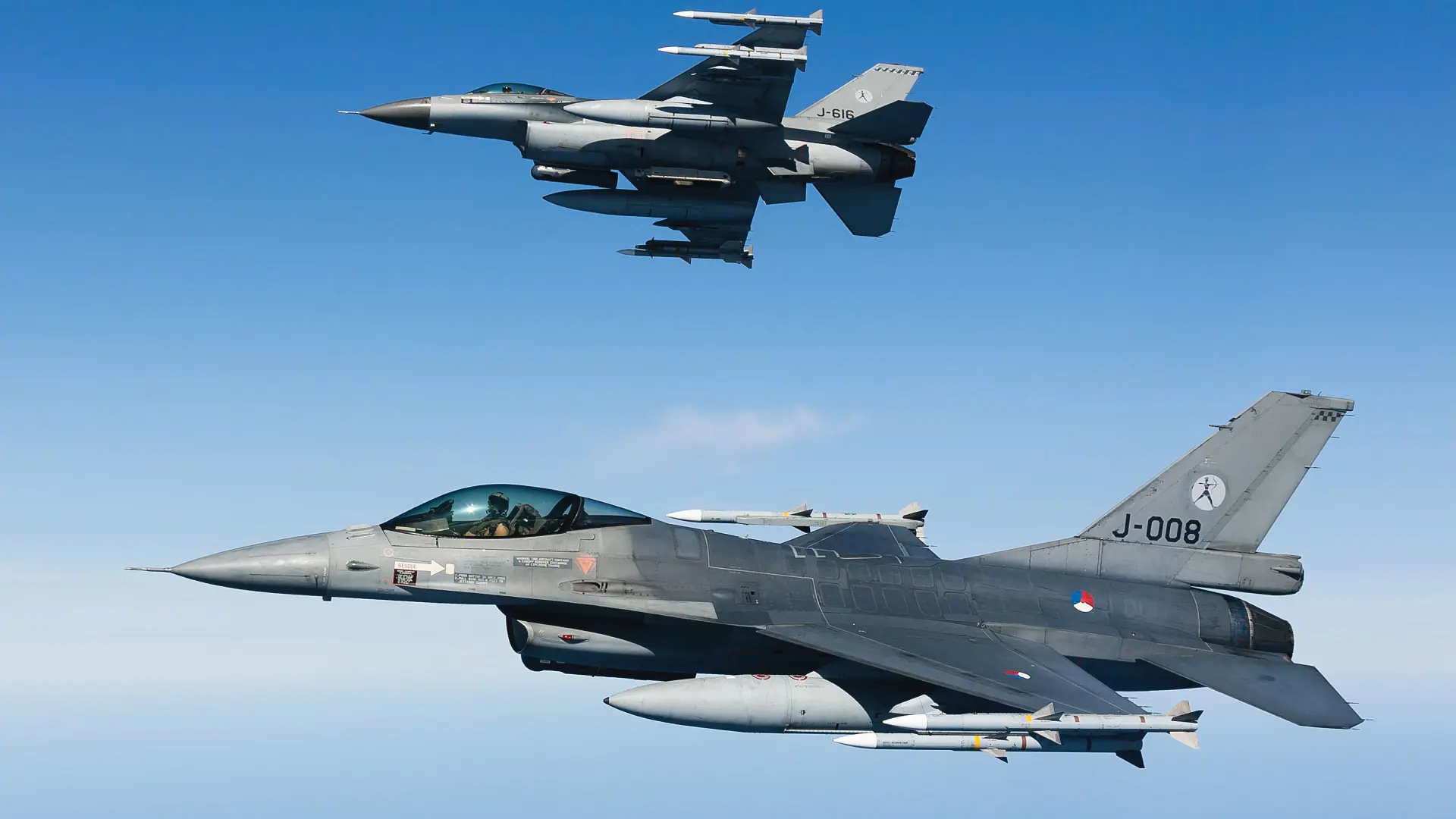 Why integrated Air C2 is critical to unlocking NATO’s Multi-Domain ambitionSystematic's Mads Würtz shares his take on Air Command & Control acting as real enabler of Multi-Domain Operations in coalition contexts. When the recognised air picture and air planning processes are disconnected from land manoeuvre, maritime operations, or ground-based air defence, friction emerges exactly where speed is most critical.Read more
 C2 for deterrence?Deterrence does not demand a separate command-and-control system, but rather a more credible, integrated, and wartime-ready form of C2 capable of spanning multiple domainsRead more
 Command and Control transformation in the Middle EastAcross the Middle East, the transformation we’re witnessing mirrors global trends: integrated networks, data-driven decision-making, AI, and joint interoperability are no longer optional — they are imperative.Read more
 Frankenstein, JADC2, and the future of warfighting acquisition: An industry perspectiveWithout disciplined architecture and unified standards, the future of command‑and‑control risks becoming a Frankenstein of mismatched systems rather than a coherent warfighting capability.Read more
 Technical interoperability in contested environments is a mustThe U.S. Navy must prioritize both seamless interoperability with allies and resilience in contested communications to ensure credible combat power at seaRead more
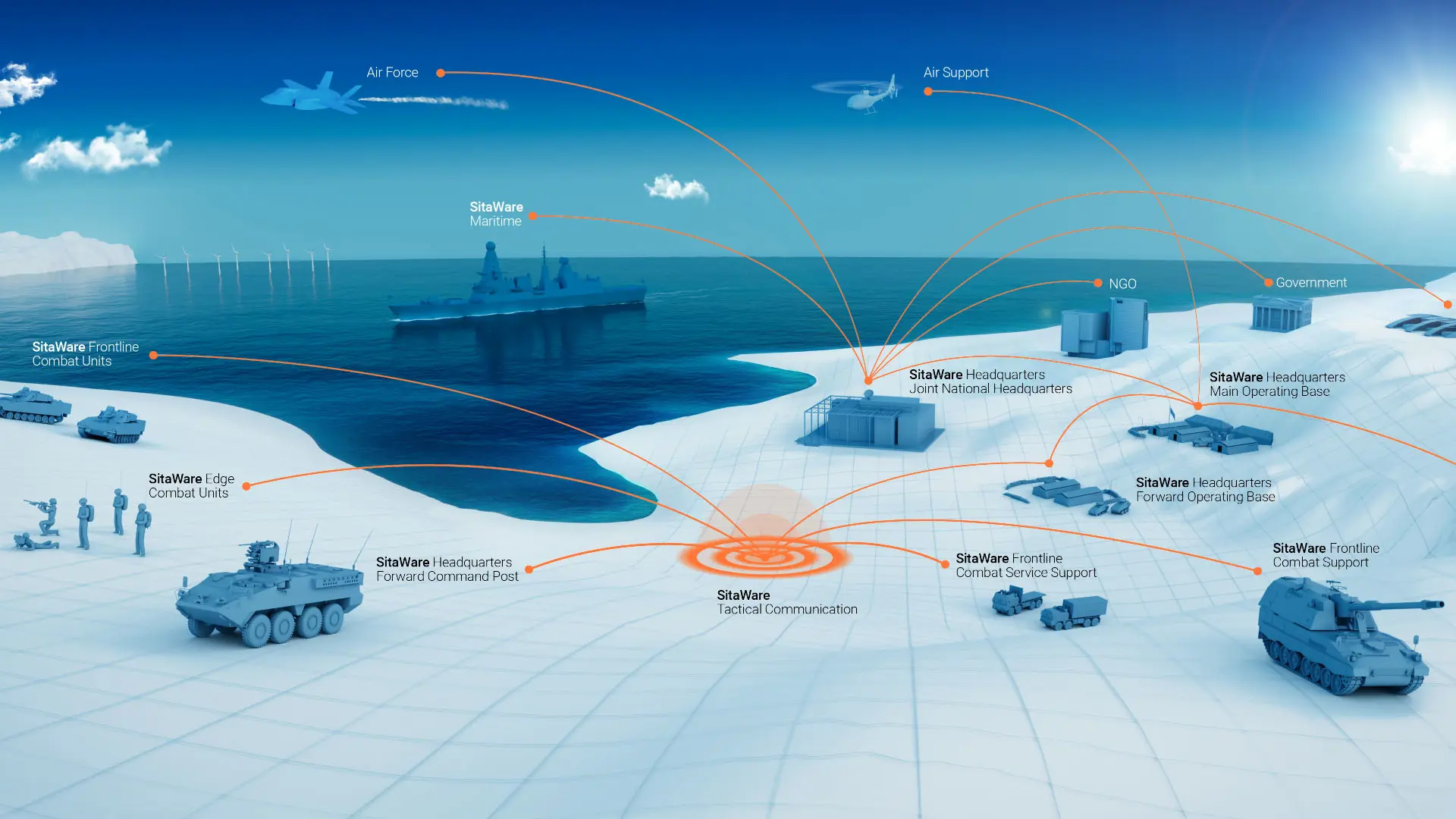 From concept to capability: Multi-Domain OperationsSupporting NATO in its evolutionary digital journeyRead more
 Joint Fires: Surviving and exploiting the most lethal capability on the battlefieldShaping the future of joint fires: Insights from former royal artillery colonel, Tim VenthamRead more
 Command the fight: smarter fire support, faster decisionsBy bringing fire support tools together in one solution, teams gain the speed and insight needed to make smarter decisions in moments that matter.Read more