Agentic AI turns an alert into an assessment across your infrastructure
Alerts tell you something happened. Intelligent analysis tells you what it means, who it affects, and what to do next. For operations directors, that's the difference that matters.
Intelligent alerting has been part of the critical infrastructure conversation for years. A sensor flags an anomaly. A radar picks up an intrusion. A monitoring system raises a flag. The signal arrives and then the work begins.

From "what happened" to "what does this mean for us"
For an operations director, the questions that follow a signal are operational, not technical.
Which assets are exposed? How does this incident cascade across the network? How many customers are affected? How much water, power, or service capacity is at risk? How is this related to NIS2 and CER? Who needs to know, and how fast?
Answering those questions used to take hours of cross-team coordination. AI-driven analysis can compress that by mapping the consequences of an incident against asset criticality, dependencies, and regulatory thresholds, and presenting the conclusion as a working assessment.
"You can see related incidents under NIS2 and CER, you can map the consequences automatically, how many people are affected, how much water, which dependencies are at risk and you have a conclusion faster," Ole explains. "From there it can be escalated to authorities, internal teams or whoever needs to act."
Predictive is a team of specialists
The interesting part is how this is built. It is not a single model trying to know everything.
That matters for prevention as much as response. Predictive capabilities, knowing when equipment is likely to fail, when a pattern of small signals adds up to a developing problem, depend on specialist models trained on the right data. A coordinated set of domain-trained models can do this.
The time between alert and assessment
Beyond detecting an incident, operators need to understand, contain, and report on it within deadlines and requirements. Intelligent analysis makes that view possible to assemble faster, without taking the human out of the decision.
"The system can recommend. The action itself, and the verification, that stays with the human," Ole says. "But the human shouldn't be spending the first hour just gathering information. That's what we can automate now."
Alerts are the beginning, the consequence is the conversation
When threats are physical, digital, and increasingly both at once, intelligent analysis is one of the tools that helps operations see the picture they need to act on faster.
Cases
 When a threat hits, who has the common operating picture?When critical infrastructure is under pressure, decisions get made at multiple levels simultaneously.Read more
 Dominion Energy powers offshore wind safety with Systematic’s SITE solutionManaging logistics and ensuring safety compliance are critical in offshore wind projects, where crews operate in challenging environments.Read more
 Driving digital transformation in Denmark’s water sectorThe Danish water sector faces growing challenges such as climate adaptation, groundwater protection, and the green transition - all while managing vast amounts of operational data. Today, much of this data sits in isolated systems, making it difficult to use effectively.Read more
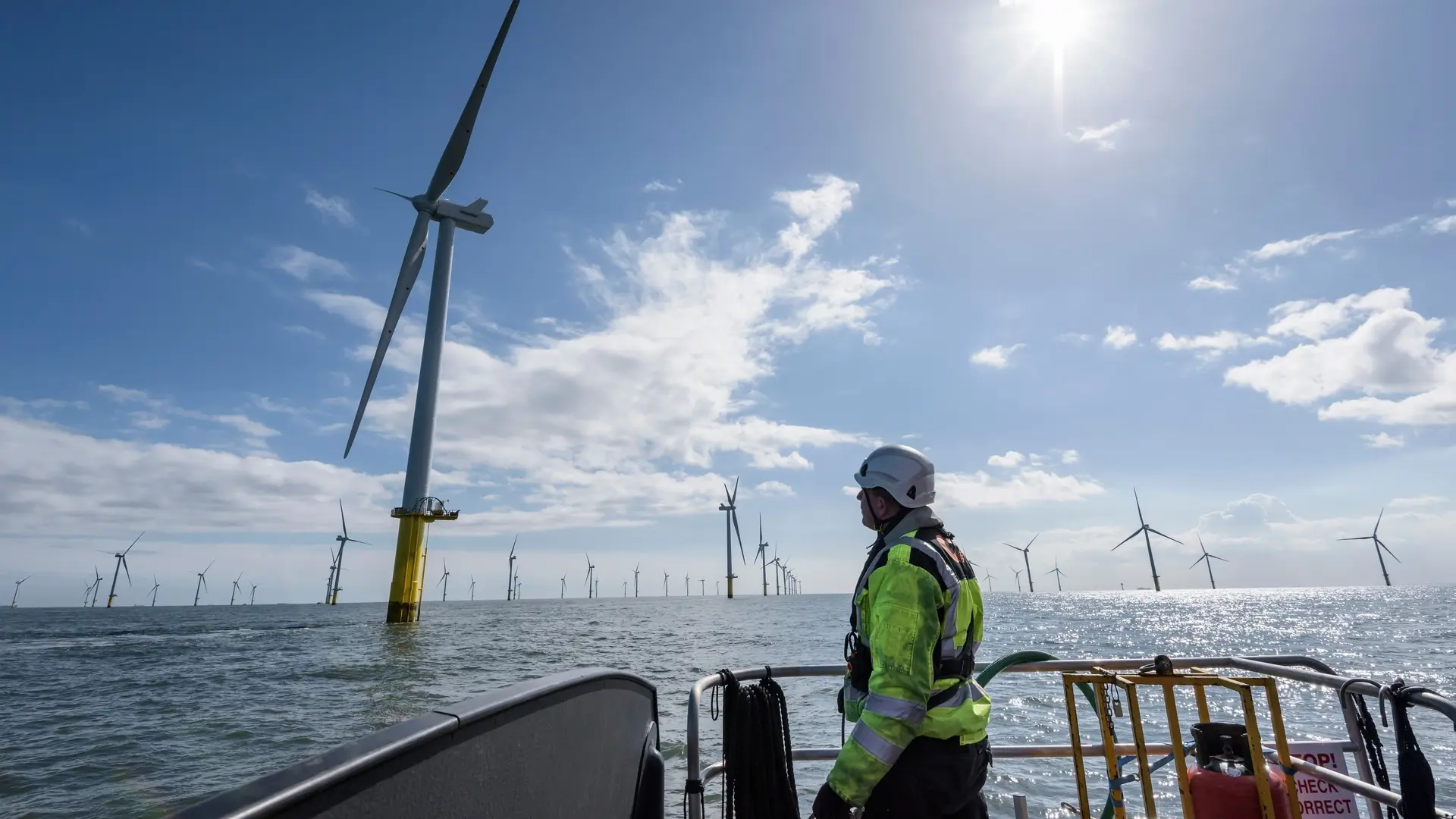 Ørsted sets new standards for global offshore operations with SITEØrsted and Systematic have just signed a framework agreement that makes Systematic a new supplier of marine planning & coordination software for the company’s offshore wind farms worldwide.Read more