
When a threat hits, who has the common operating picture?
When critical infrastructure is under pressure, decisions are made at multiple levels simultaneously. The operator on the ground needs to know what is happening right now. The national authorities need to understand the broader pattern. The allied partner might also need data they can act on in the case of cross-boarder crisis.
The threat is no longer contained to one domain
Knowing where you are exposed, across both cyber and physical, is where resilience starts.
The threats facing critical infrastructure today do not arrive through a single vector, but from multiple sources: The power grids that keep society running. The transmission and distribution networks that move energy from generation to every home, business and critical facility. The offshore installations that feed power into the grid. Energy infrastructure is vast, interconnected and increasingly under pressure from threats that are both physical and digital at the same time.
The attack surface extends far beyond your own perimeter. It runs through cyber and physical vulnerabilities simultaneously across every asset, dependency and digital touchpoint that keeps operations running.
The question is whether those two pictures can be brought together, fast enough, and at the right level of command to enable a coordinated response before an incident escalates.
“Responsibility for cyber and physical security often sits in different parts of the organisation, with different tools, different protocols and different reporting lines. When a hybrid threat unfolds, that fragmentation surfaces immediately.” says Anders.
The gap no risk register captures
When data does not flow between operational, national and international levels, the gaps come to the surface exactly when it matters most. Because the information cannot move fast enough, or in a form that others can use.
This is one of the most consequential vulnerabilities in critical infrastructure protection today. And it rarely shows up in a risk register until after an incident.
Interoperability is a strategic decision
A joint, multi-domain operational picture one that spans physical assets, cyber security and partner networks is a strategic decision that determines how an organisation performs under pressure.
When data structures, response protocols and operational levels are not aligned, the gaps response exactly when it matters most. Those who handle this well share one thing: a coherent picture that spans every level of command, in real time.
“You are only as strong as your weakest link. And that link is rarely where you expect it. It sits somewhere in the chain you depend on, a supplier, a partner, a connected system that you do not fully control. That is why the full picture is not optional. It is what resilience is built on.” Anders explains.
Interoperability is what resilience is built on.
Cases
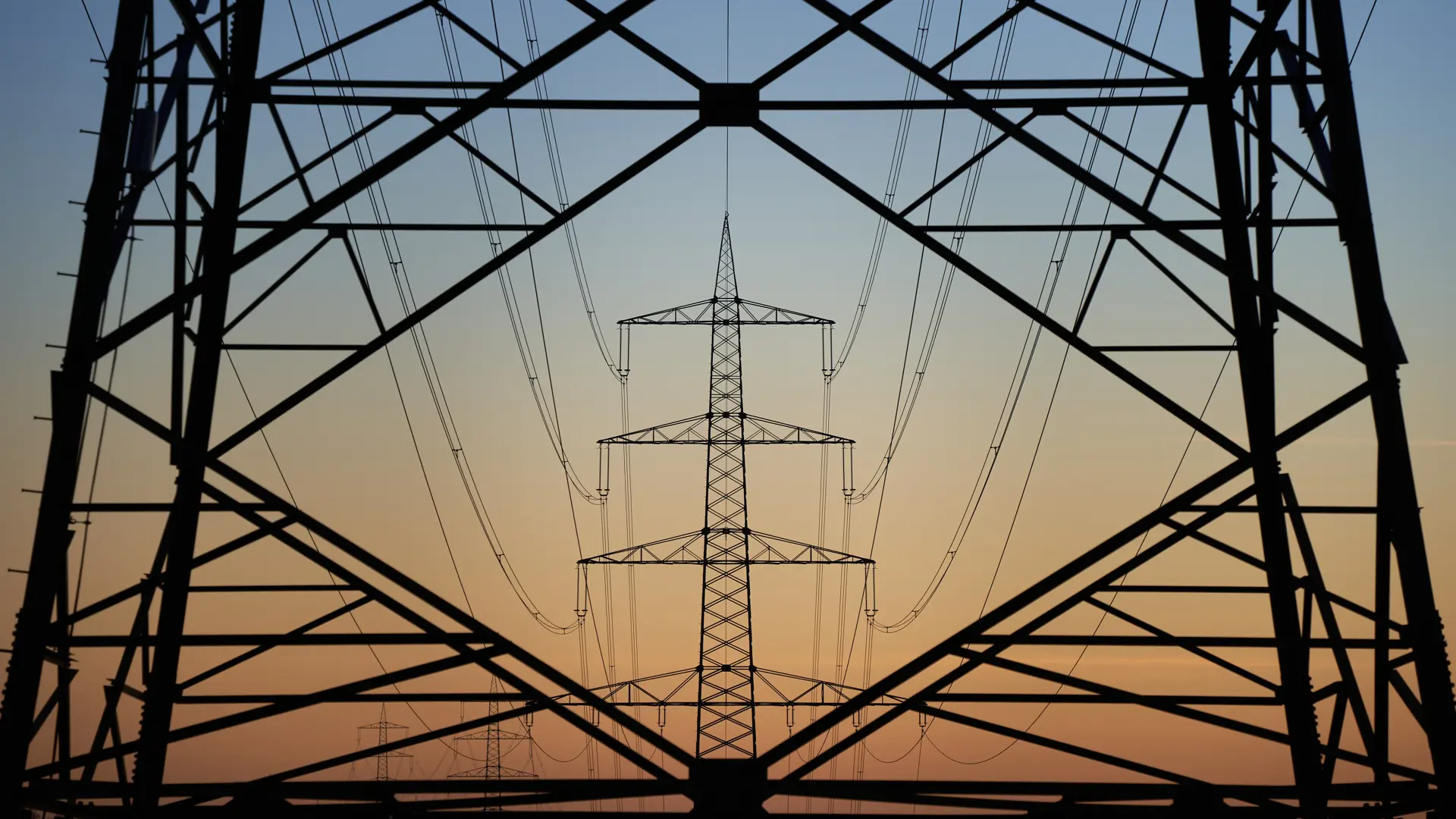 Agentic AI turns an alert into an assessment across your infrastructureAlerts tell you something happened. Intelligent analysis tells you what it means, who it affects, and what to do next. For operations directors under regulations, that's the difference that matters.Read more
 Dominion Energy powers offshore wind safety with Systematic’s SITE solutionManaging logistics and ensuring safety compliance are critical in offshore wind projects, where crews operate in challenging environments.Read more
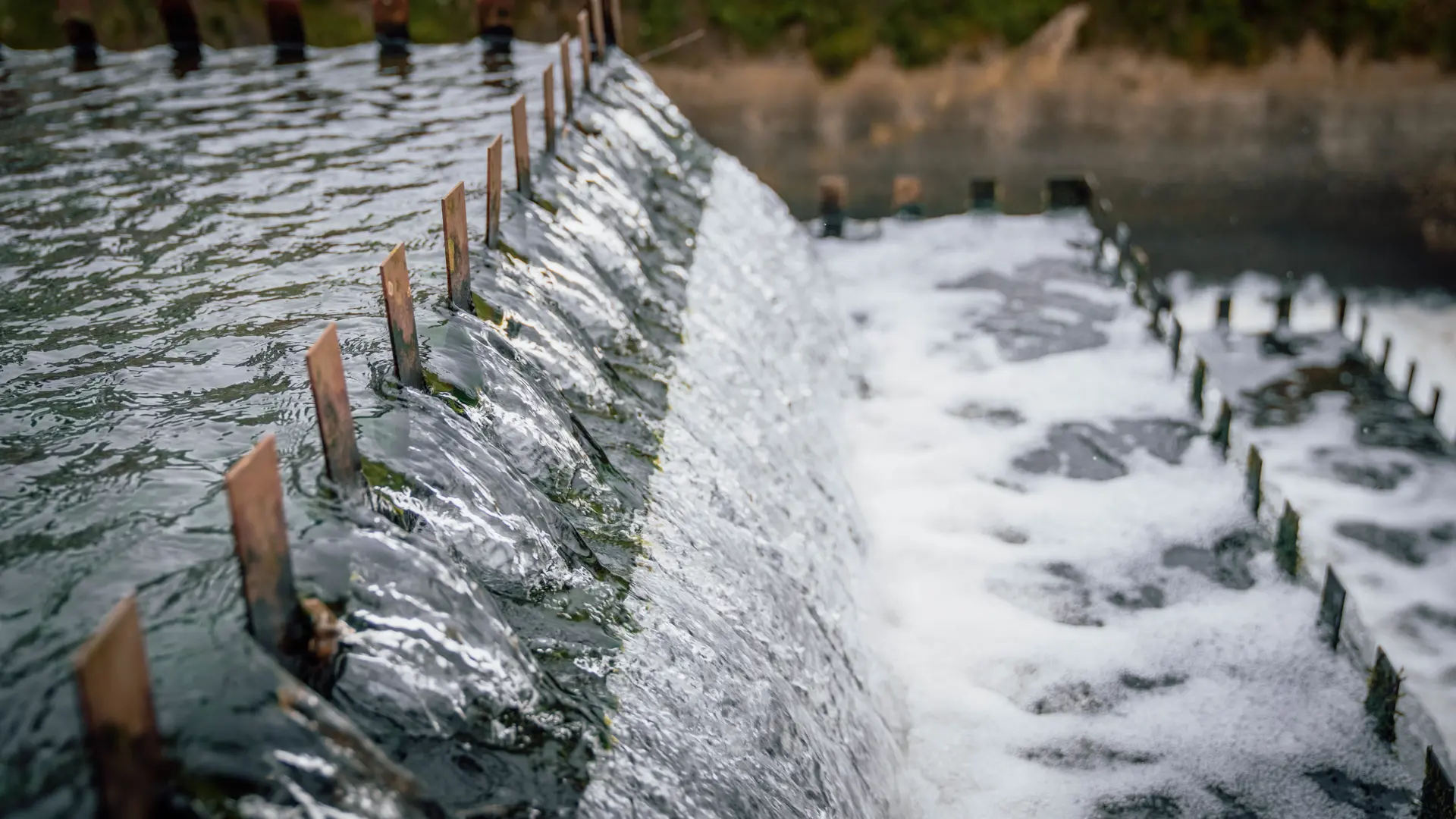 Driving digital transformation in Denmark’s water sectorThe Danish water sector faces growing challenges such as climate adaptation, groundwater protection, and the green transition - all while managing vast amounts of operational data. Today, much of this data sits in isolated systems, making it difficult to use effectively.Read more
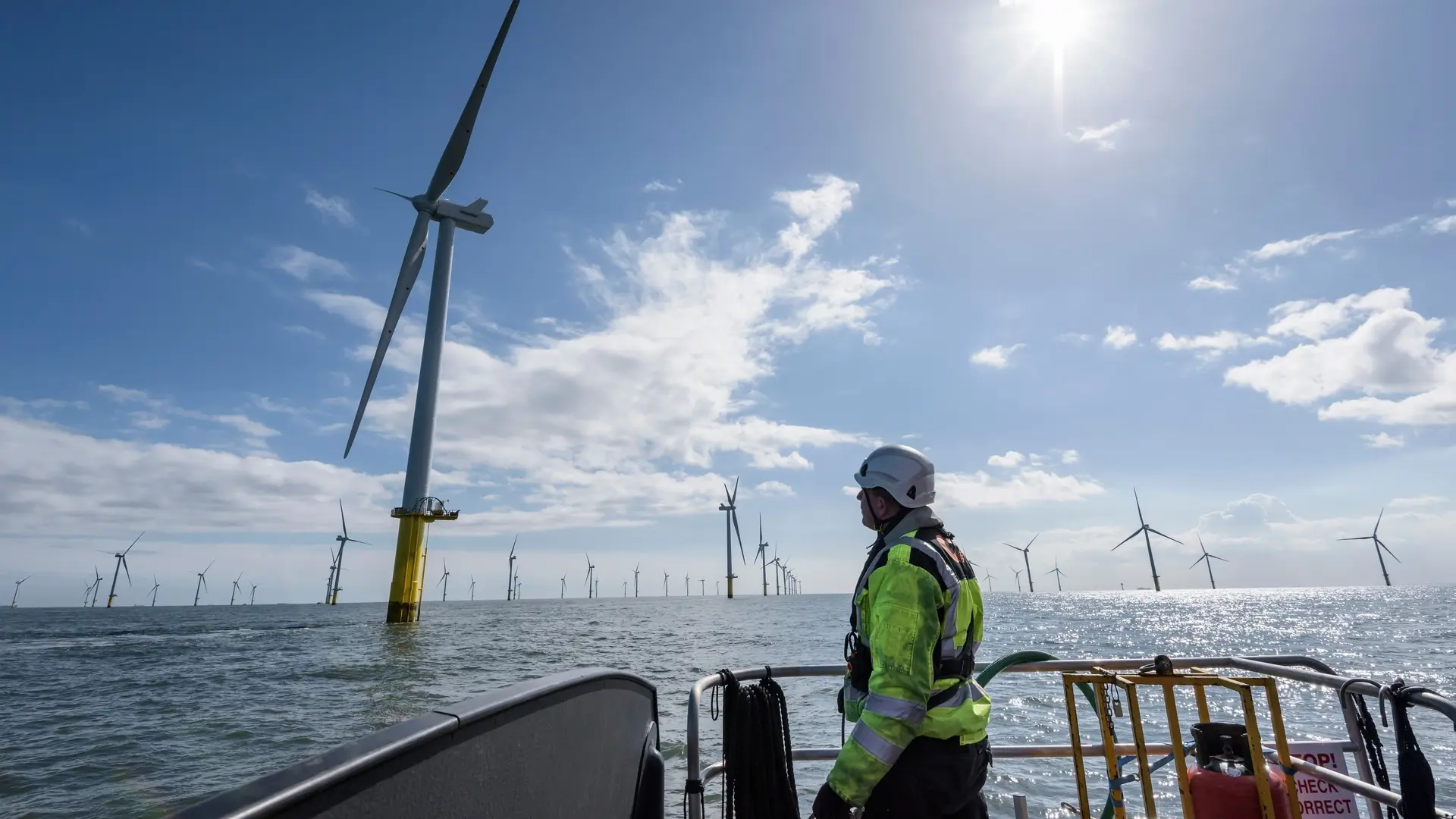 Ørsted sets new standards for global offshore operations with SITEØrsted and Systematic have just signed a framework agreement that makes Systematic a new supplier of marine planning & coordination software for the company’s offshore wind farms worldwide.Read more