
Customer first, always: How Systematic's mission-driven approach shapes command & control
Systematic founder Michael Holm shares why the best command and control systems are built around real user needs, operational experience, and true data sovereignty

In a recent episode of the Command and Control podcast, host Dr. Peter Roberts sat down with Michael Holm, founder of Systematic and a 40-year veteran of the defense software industry, for a conversation about what actually makes C2 systems work. Rather than focusing on technology for its own sake, the discussion kept returning to a deceptively simple idea. The best systems are the ones built around the people who use them.
The difference between an idea and a good idea
Roberts noted that Systematic has long occupied a unique position, anticipating military problems before commanders even fully articulate them. Holm provided insight into how that works in practice.
“There are a lot of good ideas out there. We have 1,400 employees now and they have tons of ideas every day. We like to hear those ideas; some could be a good idea. But you need a customer that thinks it's a good idea,” Holm said. “If the customer thinks they will use it. Not that they will buy it, but if they could buy it, use it, and he will help you test it. Then it's a good idea.”
For Holm, the filter is always operational relevance. Every feature, improvement, or new capability has to trace back to a real need, not a boardroom hypothesis.
“We do not develop anything that does not have a customer in view. We can do small improvements to a product, but they all must be a customer case.” Holm said. This philosophy has kept Systematic focused but also reflects a broader lesson for the defense sector. Technology that is not shaped by its end users rarely survives contact with reality.
Bringing operational experience into the development cycle
The conversation revealed a development model that deliberately blurs the line between builder and user.
Holm described how operational expertise is embedded into product teams through former military personnel who help ensure what gets built has real-world utility. Roberts pushed on this point, noting that the lessons shaping C2 products don't just come from training exercises, they come from combat.
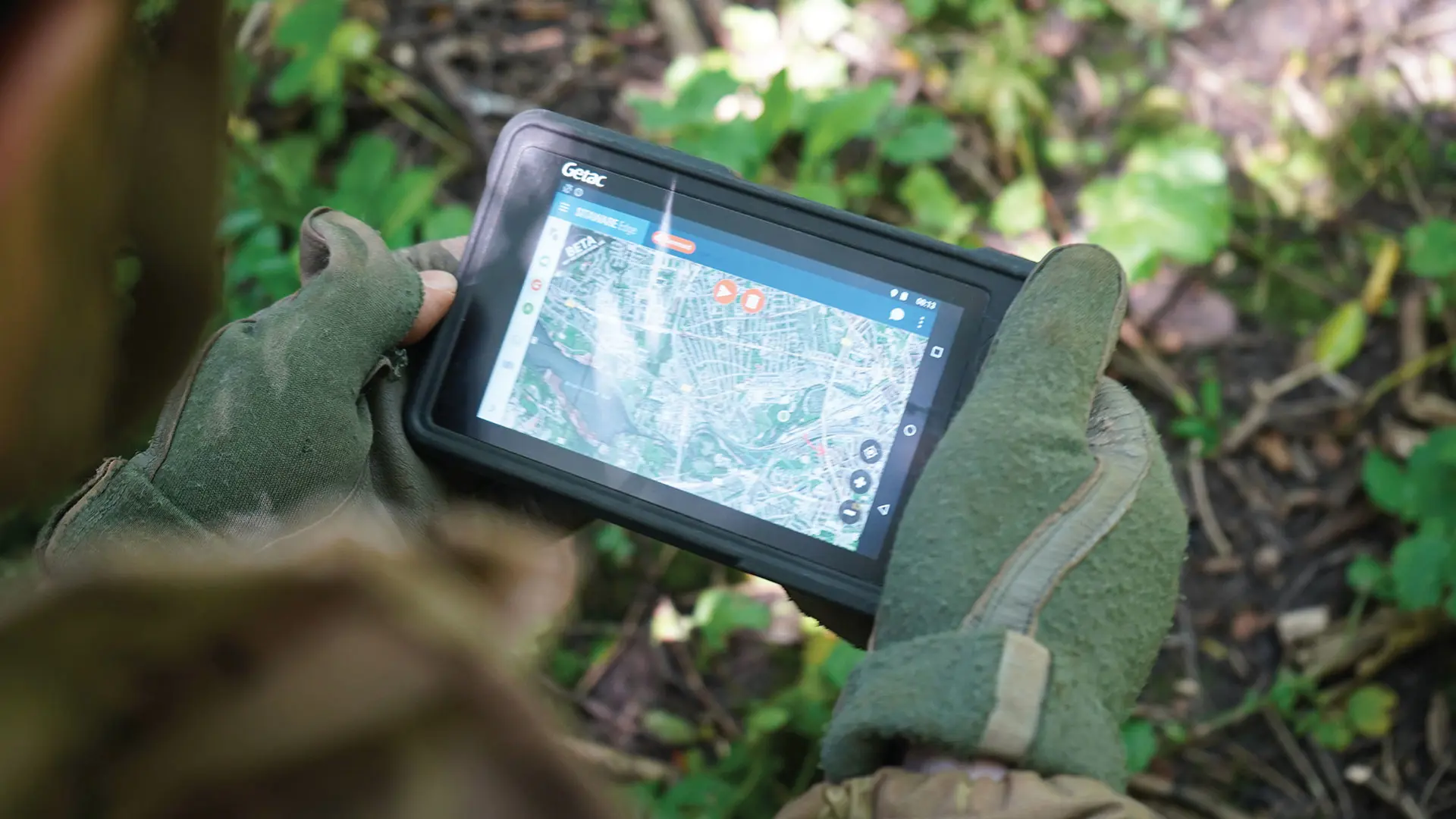
In Ukraine, C2 systems face realities that no lab can simulate. Electronic connectivity that singles out your position, jamming environments, and the chaos of treating casualties under fire. Holm agreed, arguing that "the real input comes from real exercises and real use of it."
Holm offered a compelling example. Drawing on experience running hospital systems across Scandinavia, Systematic is building Battlefield Health, an application that digitizes the chain of care from the point of injury onward.
The impetus came directly from Ukraine, where paper-based medical records and the fog of war create life-threatening gaps. "We learned from Ukraine that if you get the wrong medication, you can simply die," Holm said.
Rather than developing the tool in isolation, it's being tested with combat medics in real conditions, shaped by the people who will actually use it, not designed from behind a desk.
Data sovereignty: The question that will not go away
Roberts steered the conversation toward a tension he sees running through the transatlantic defense landscape. The persistent push for sovereign national solutions, even when it undermines the interoperability that modern doctrine demands. For Holm, the root of the issue is data. Who owns it, where it lives, and who can shut it down.
"We saw that in Ukraine, the big kill switch," Holm said, referencing instances where large systems were remotely disabled, raising hard questions for allied nations about dependence and control. In Denmark, he noted, the debate has been active. What does it mean when your national defense data sits in a data center you can't physically access?
Holm's position is that sovereignty and interoperability don't have to be in conflict, but getting there requires a fundamental shift in how systems are delivered. Customers must own their data outright, with the freedom to host it however and wherever they choose. "Some would call it naïve," he acknowledged, "but we said it's not our data."
He also pointed to a challenge he believes will define the next chapter of multinational operations. The speed of battlefield information is outpacing the encryption and coordination frameworks designed to protect it.
Today, sharing data between allied forces at the tactical level often requires routing information up one national chain of command and down another. Holm argued that software-based encryption could collapse that process entirely.
"If we have software based, we can chase a new algorithm, and we can talk together tomorrow," Holm said. "Because the data we exchange at the battlefield, it's updated. Two months after, it's been sent, and you see everything, because there's drones all over, anyhow."
Looking Ahead
Across the full conversation, Holm made a case that the defense industry's biggest obstacles are not technological, they are structural. The tendency to build in silos, the reluctance to let users shape requirements, and the unresolved questions around data ownership all slow the progress that modern threats demand.
For a sector under pressure to move faster than ever, the arguments Holm laid out offer a clear-eyed perspective on where the friction really lies, and what it would take to overcome it.
Listen to the full Command and Control episode featuring Michael Holm
Newsletter
Cannot see the form?
Your privacy or security settings may be blocking the form.
Explore more blog posts
 Agentic AI: Opportunities and challenges in a changing battlespaceHenrik Sommer on why agentic AI is a force multiplier and why those who ignore it will be left behindRead more
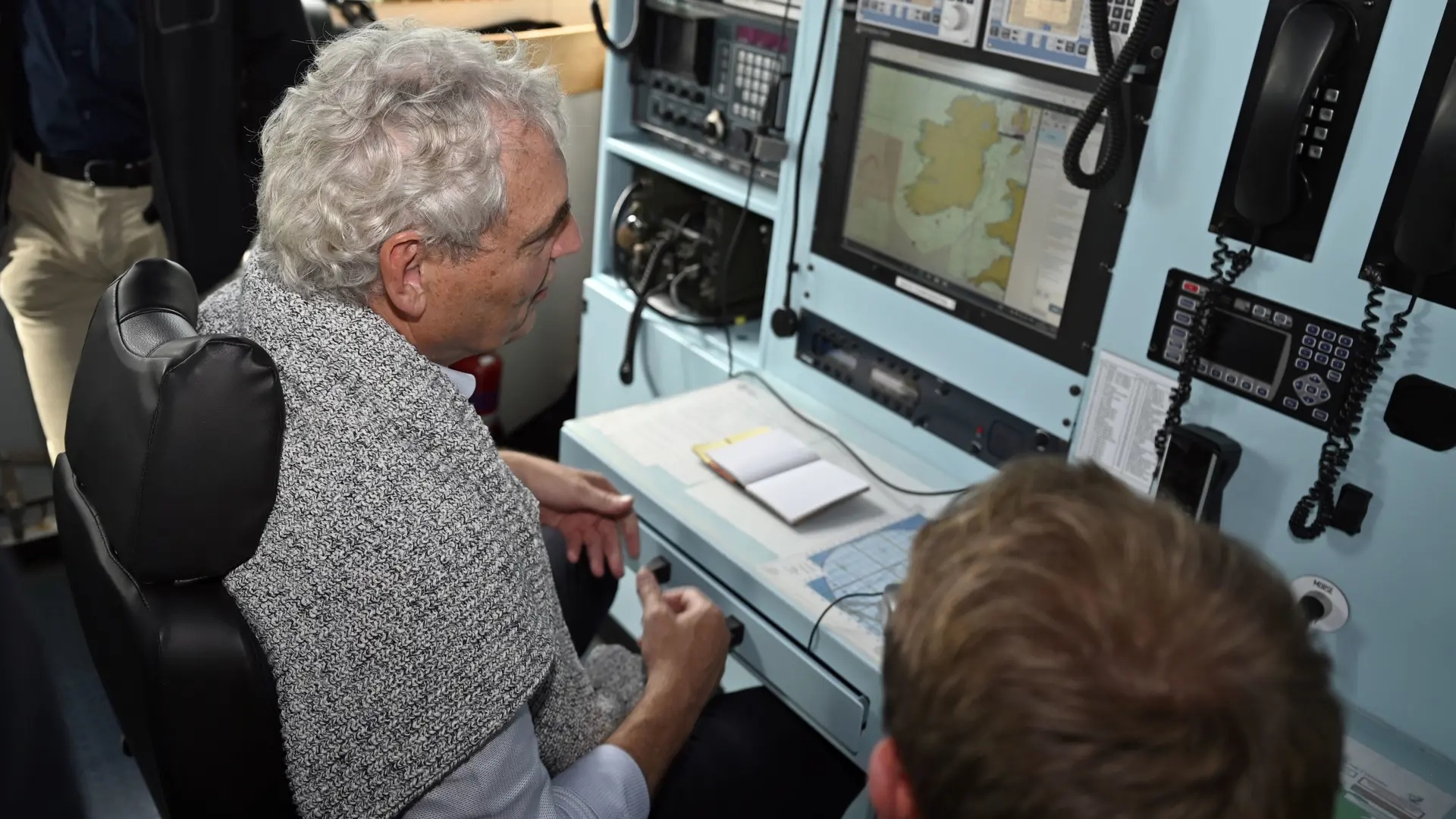 The interoperability problem: Michael Holm on why allied forces still can't talk to each otherAn excerpt from Michael Holm's appearance on the Command and Control PodcastRead more
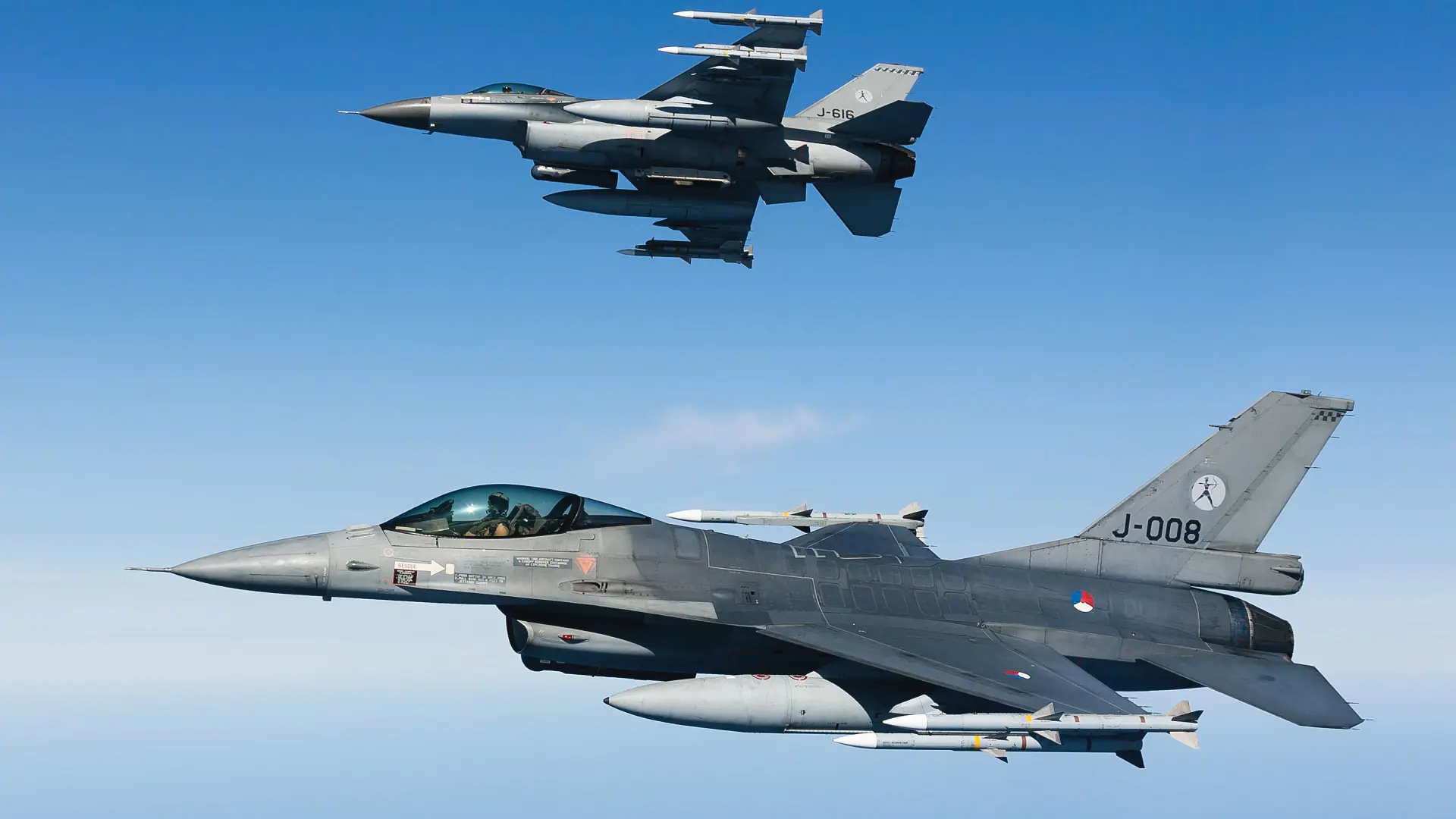 Why integrated Air C2 is critical to unlocking NATO’s Multi-Domain ambitionSystematic's Mads Würtz shares his take on Air Command & Control acting as real enabler of Multi-Domain Operations in coalition contexts. When the recognised air picture and air planning processes are disconnected from land manoeuvre, maritime operations, or ground-based air defence, friction emerges exactly where speed is most critical.Read more
 The future of C2: Lessons from Ukraine, the push for speed, and the case for sovereigntyAn excerpt from Michael Holm's appearance on the Command and Control PodcastRead more
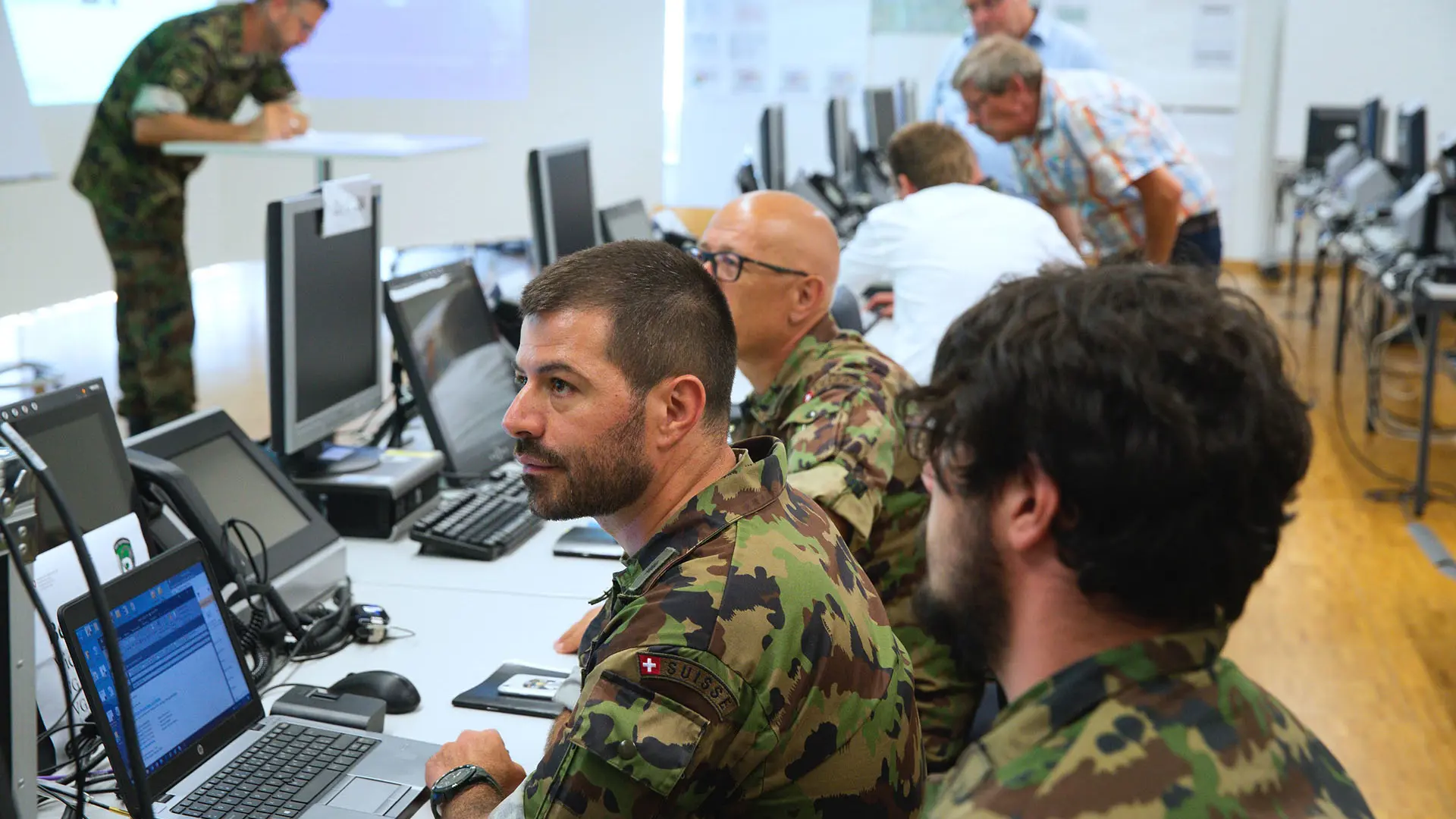 C2 for deterrence?Deterrence does not demand a separate command-and-control system, but rather a more credible, integrated, and wartime-ready form of C2 capable of spanning multiple domainsRead more
 Command and Control transformation in the Middle EastAcross the Middle East, the transformation we’re witnessing mirrors global trends: integrated networks, data-driven decision-making, AI, and joint interoperability are no longer optional — they are imperative.Read more
 Frankenstein, JADC2, and the future of warfighting acquisition: An industry perspectiveWithout disciplined architecture and unified standards, the future of command‑and‑control risks becoming a Frankenstein of mismatched systems rather than a coherent warfighting capability.Read more
 Technical interoperability in contested environments is a mustThe U.S. Navy must prioritize both seamless interoperability with allies and resilience in contested communications to ensure credible combat power at seaRead more