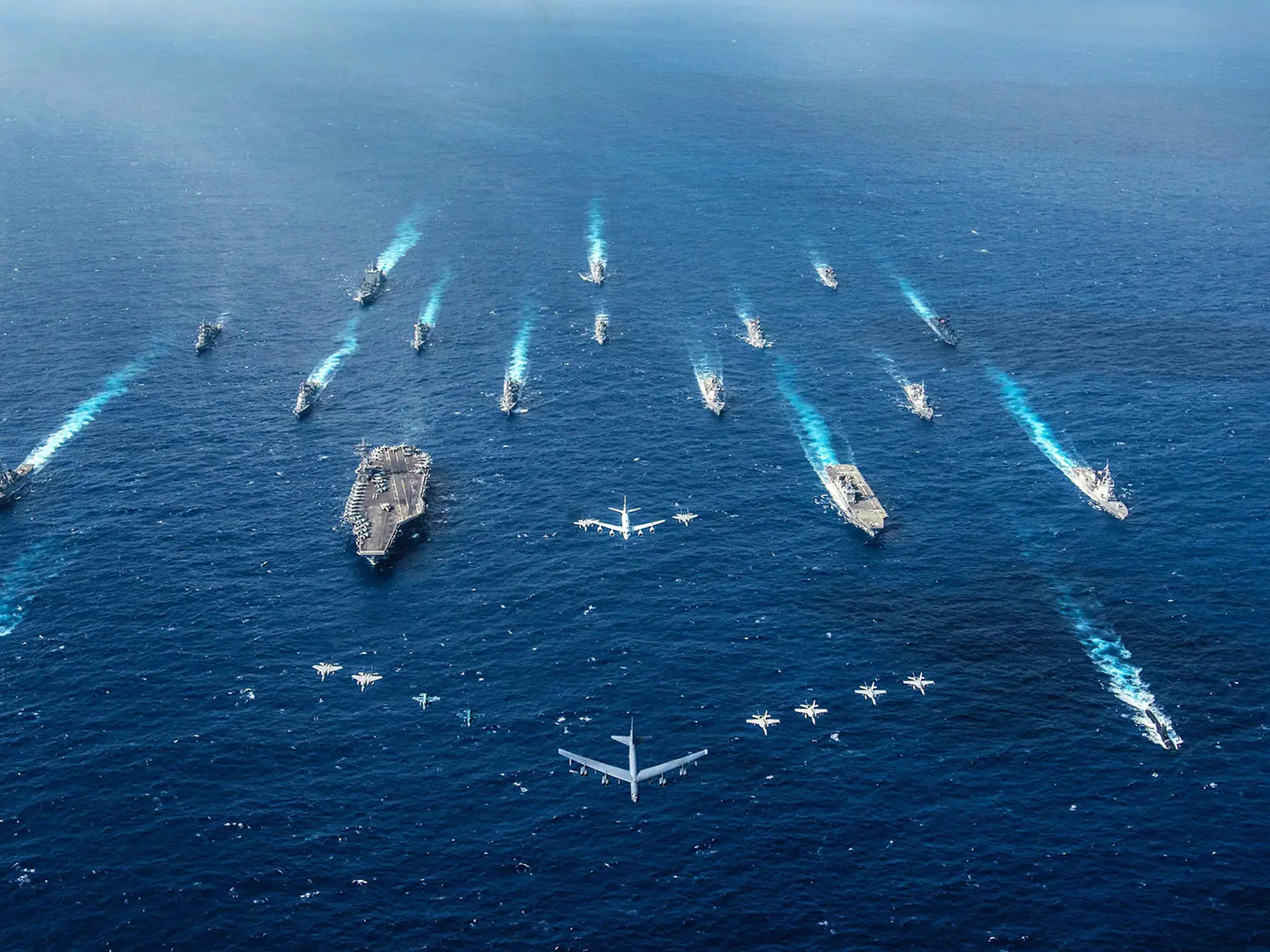
The Gulf’s Multi-Domain Challenge
The current conflict with Iran has entered a distinct asymmetric phase, as both sides aim to destabilise the other by disrupting energy, shipping and economic flows. Hormuz has become a strategic weapon, where even small disruptions have global impact.
This blog is written by Ben Sargent, Business Development Manager Middle East
Iran’s vectors include multi-axis, multi-layered and time-sequenced attacks. They continue to frustrate defenders by fusing missiles, drones, mines and saturation raids that simultaneously span land, air, maritime choke points, cyberspace, propaganda, and regional proxies.
The challenge is clear: responses must integrate across classic military domains (land, maritime, air, space and cyber), while also encompassing civilian infrastructure and key assets. Attacks that attempt to undermine social cohesion in regional countries or target private companies make traditional views of critical national infrastructure obsolete.
The conflict has also underlined the need to cooperate—strategically, operationally and tactically—from day one with neighbours and allies. Command and control must be comprehensively multi-domain, interoperable and ready to go.
In this environment, modern multi-domain command and control become critical. Solutions such as SitaWare are designed to provide a shared operational picture spanning land, maritime, air, space and cyber, while incorporating inputs from civilian authorities, commercial operations and critical infrastructure. By presenting commanders and operators with a common, trusted view, decision-making can keep pace with complex, time-sequenced attacks.
Equally important is the ability to operate across organisational and national boundaries from day one. Gulf states face a reality where simultaneous attacks can target national forces, commercial shipping, energy infrastructure and population centres, with allies and partners involved from the outset. SitaWare’s emphasis on open standards and interoperability supports collaboration at both strategic and operational levels, enabling information-sharing with neighbouring states, coalition partners and civilian stakeholders—without forcing everyone into a single, monolithic system.
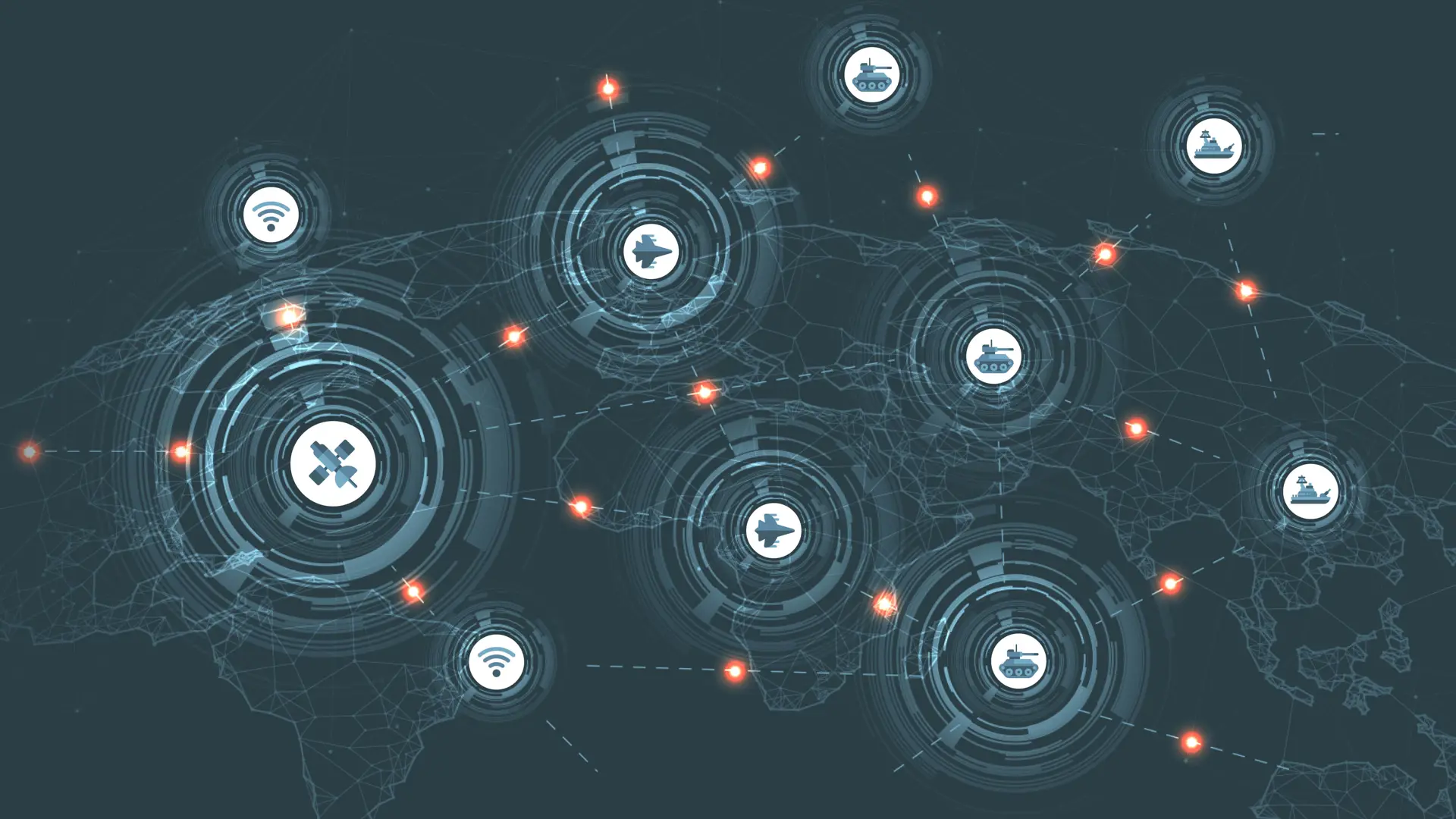
The asymmetric nature of the conflict places a premium on tempo and adaptability. Attacks that blend drones, missiles, mines, cyber activity and information operations demand rapid coordination among decision-makers across all domains. With agentic AI workflows designed to support planning, execution and reassessment in near-real time, SitaWare helps commanders move beyond reactive defence towards anticipatory operations—connecting intelligence, operations and effects in a way that reflects how modern conflicts are actually fought.
The lesson from the evolving Gulf conflict is that resilience now rests on integration rather than mass. The ability to protect shipping lanes, energy exports and social cohesion depends on command and control that is interoperable, multi-domain and continuously ready. Platforms like SitaWare provide the digital backbone for this approach—enabling regional nations and their partners to respond coherently to disruption, neutralise threats and operate effectively in a conflict that shows no respect for traditional boundaries.
Explore more blog posts
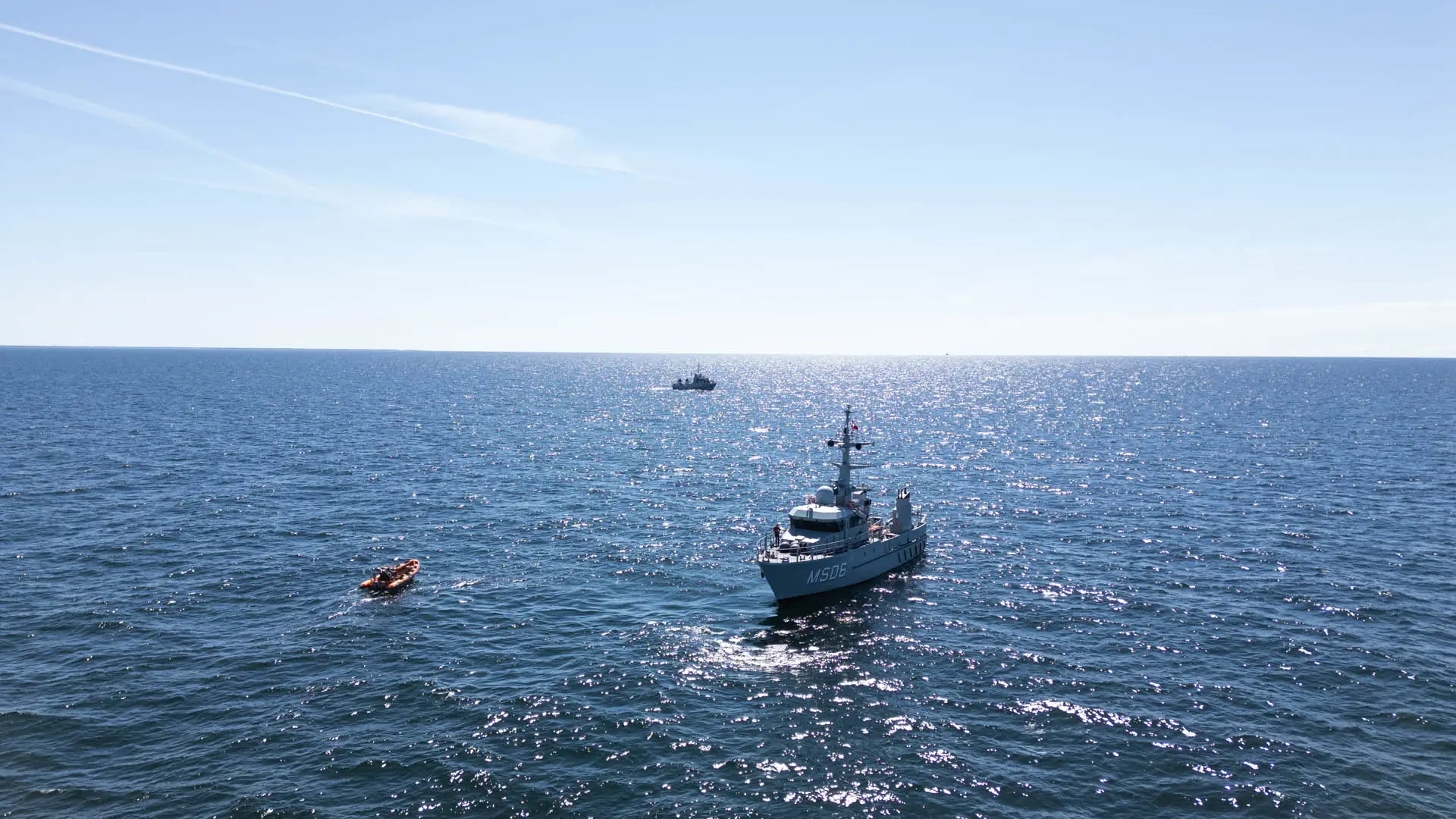 Systematic launches new MCM module for SitaWare MaritimeSystematic has developed a new planning module for mine countermeasures (MCM) in SitaWare Maritime, transforming the ability to quickly task MCM vessels (MCMVs) and significantly enhancing situational awareness for navies.Read more
 SitaWare and Australia: Interoperability, data sovereignty and future opportunitiesSystematic's battle management software will help the Australian Army modernise its C2 capabilities and meet allied interoperability and data sovereignty requirementsRead more
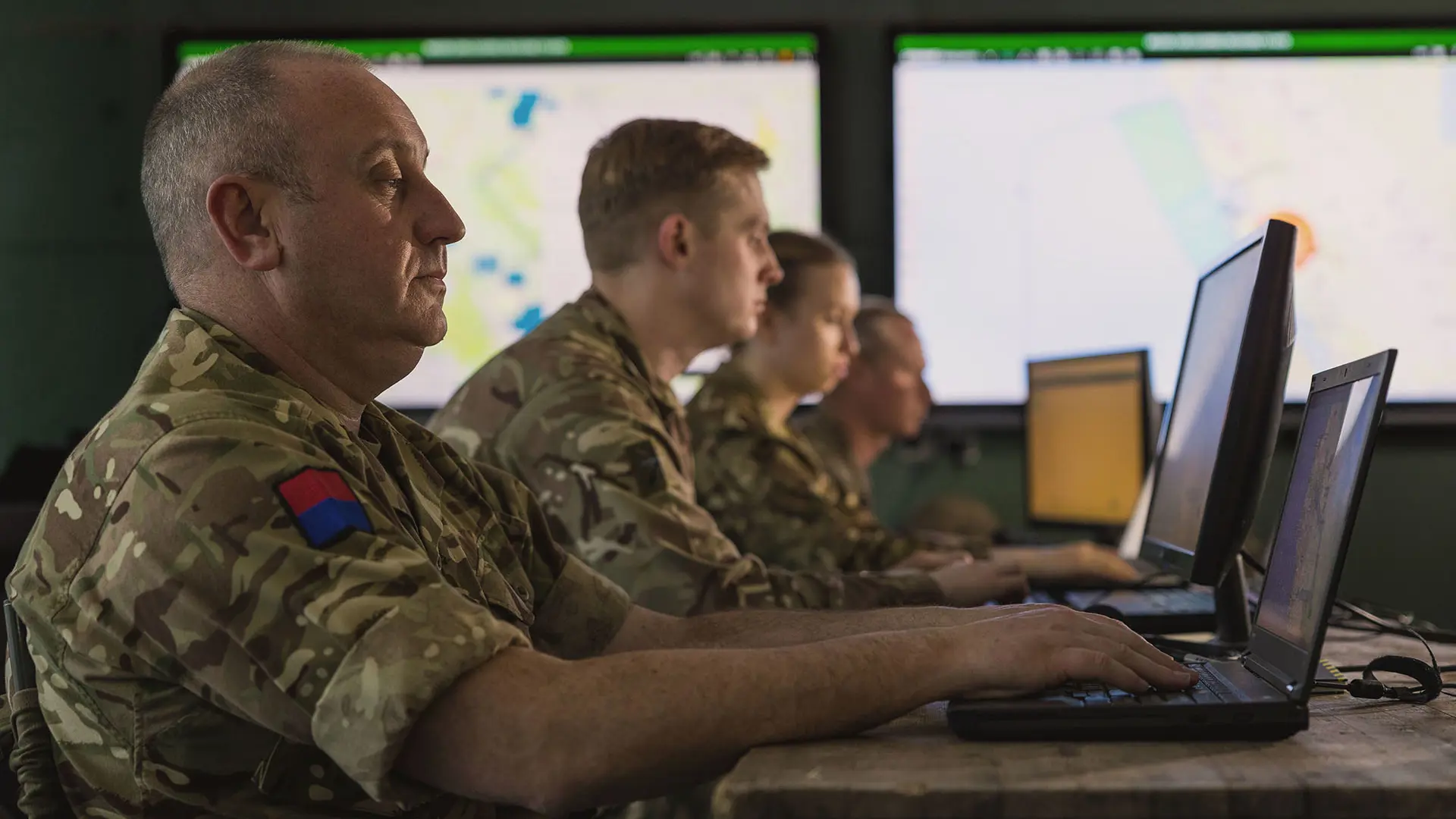 Reflections: What the NATO Ankara Summit means for Command-and-ControlA fortnight on from the NATO Summit in Ankara, and I have been reflecting on what stood out most for me. The Summit Declaration sets the right direction: an interoperable warfighting cloud, powerful AI models, a stronger Europe within a stronger NATO. But every one of those ambitions rest on a single, less headline-grabbing capability, Allies need to be able to operate together - interoperability. And it is the one commitment in the declaration that is not a promise but a proven fact.Read more
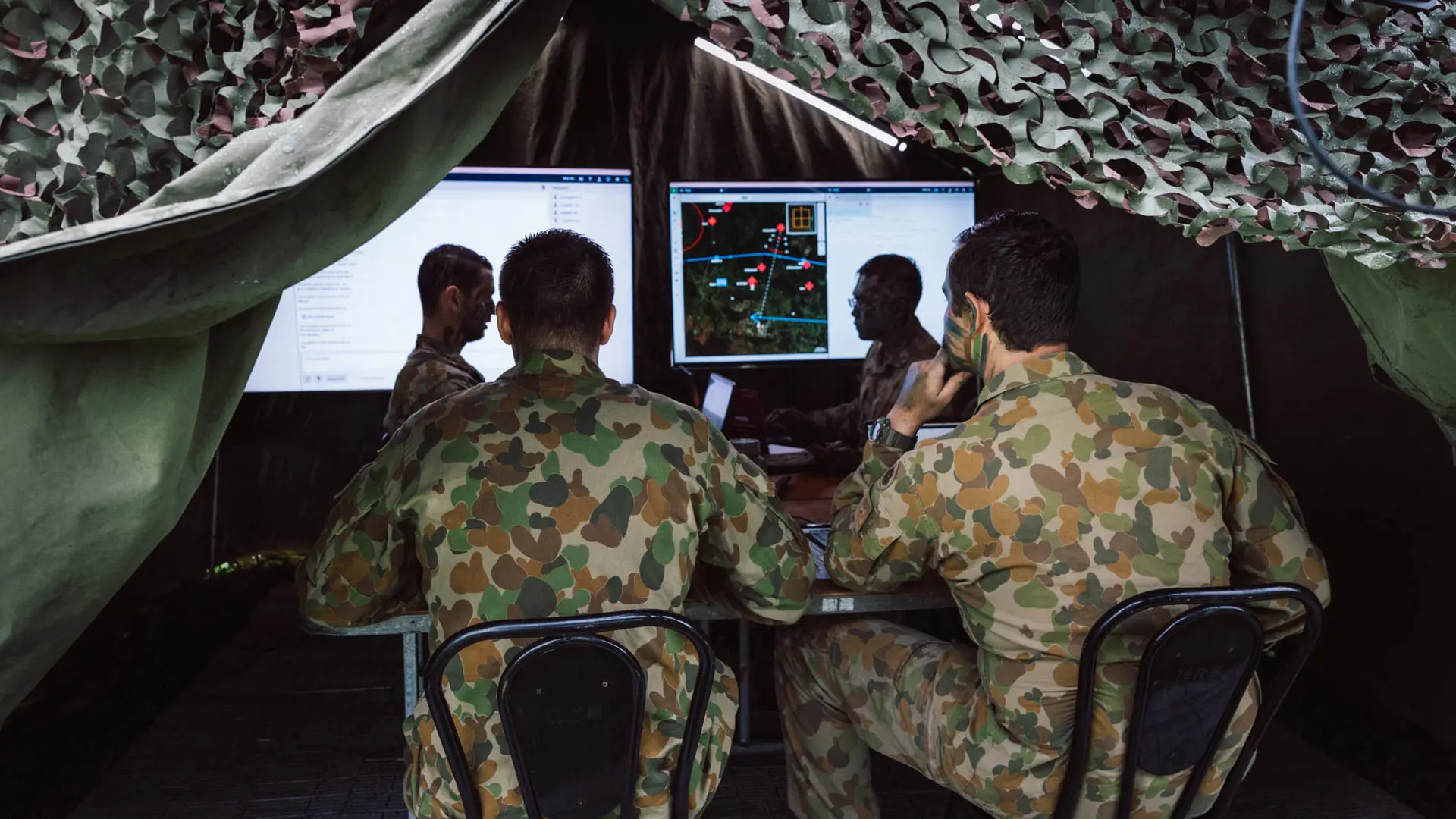 Next-level command briefings: How SitaWare’s new briefing tool transforms presentations for commandersNew updates to SitaWare Headquarters will transform military briefings for commanders, with presenters now able to deliver interactive briefings for their leaders directly from the Battle Management System (BMS).Read more
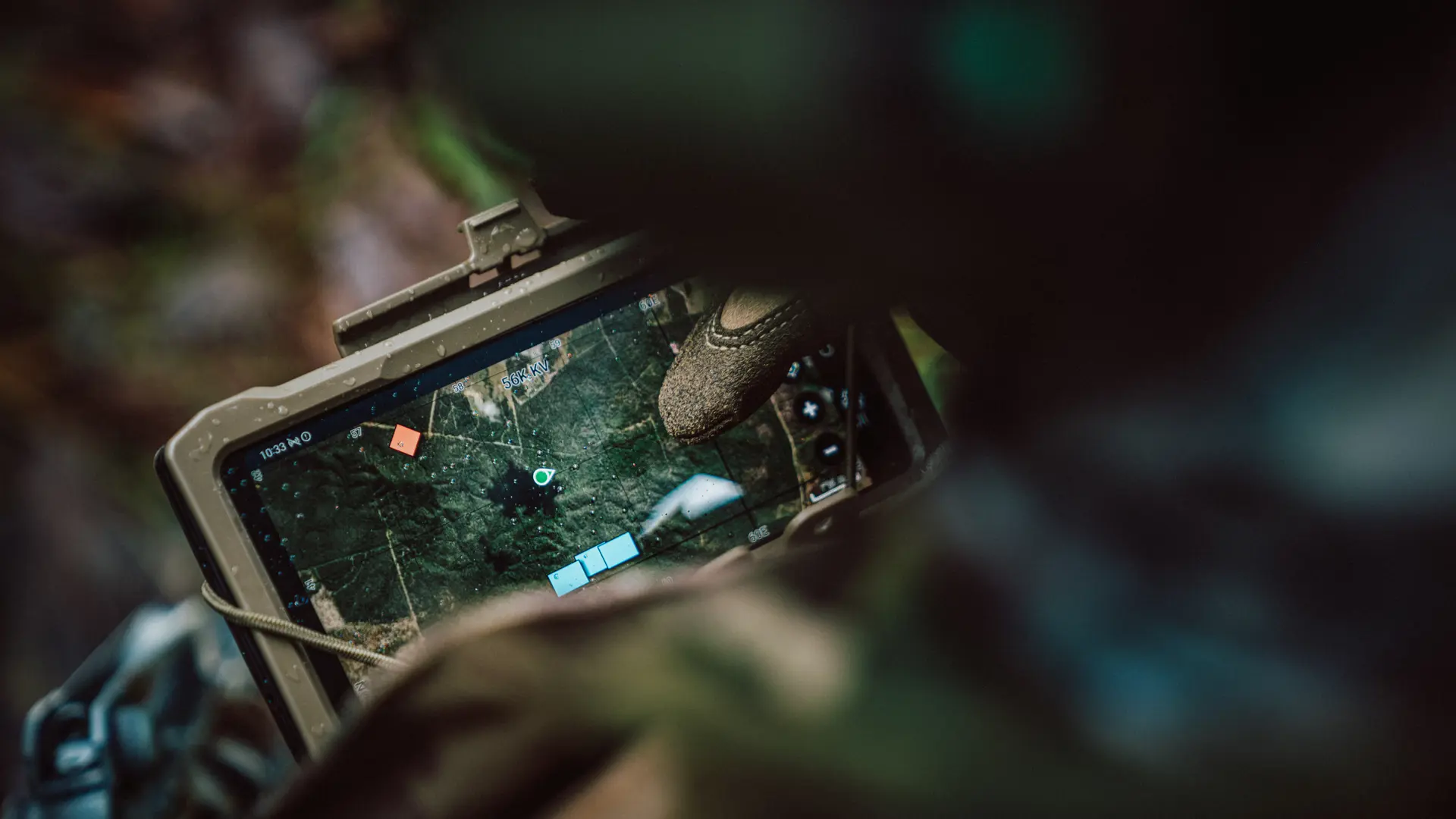 Closing the targeting loopModern targeting has to do three things: sit inside the C2 platform, connect every source of new targets to the staff workflow and give staff a clear view of the entire pipeline. The latest SitaWare release delivers all three, bringing target nomination to the point of observation and closing the loop between observer and command post.Read more
 How SitaWare is advancing agentic AIFrom data challenges to domain expertise, Systematic is building the agentic AI capabilities that tomorrow's militaries will depend onRead more
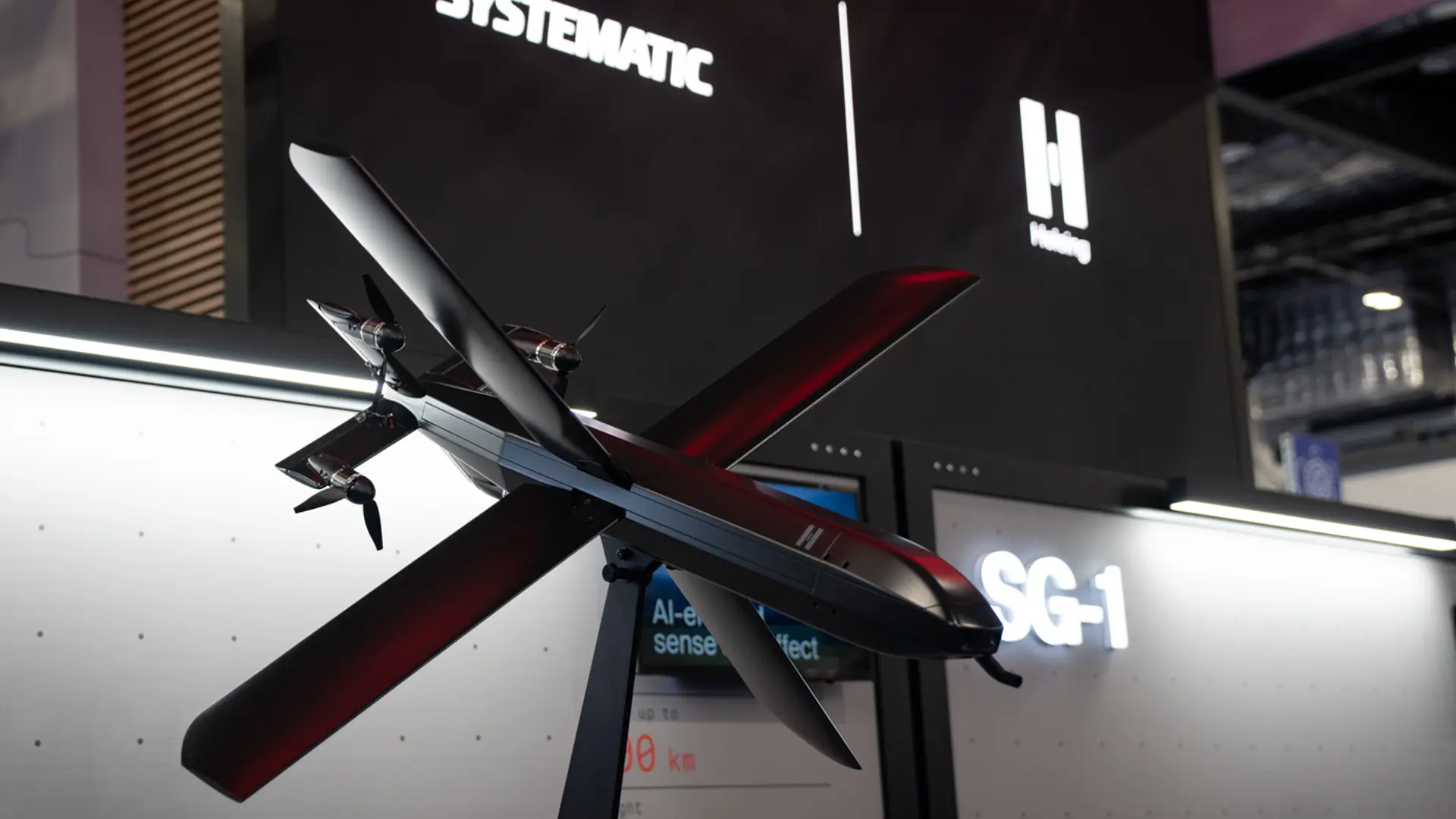 Layered defence requires layered decision-makingWhy the counter-drone revolution is fundamentally a command and control problemRead more
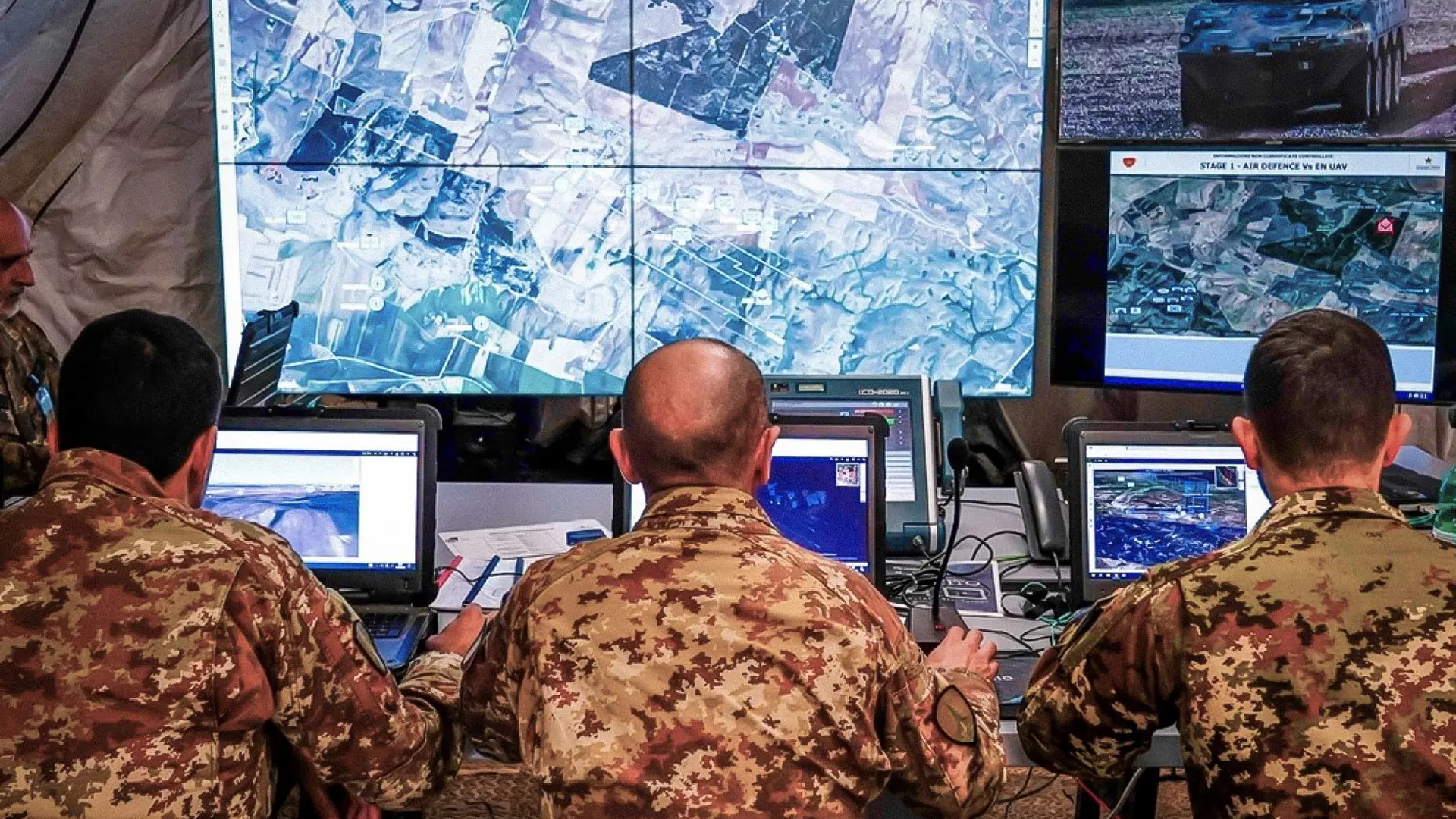 How much is C2 being transformed?Operation Epic Fury and the war in Ukraine offer four lessons about the future of command and control — but not all of them point in the same direction.Read more
Newsletter
Cannot see the form?
Your privacy or security settings may be blocking the form.