
The Winter’s First Roar: Bridging Europe’s Strategic Gaps in the Age of AI
Europe must close it’s digital and strategic gaps by building sovereign, interoperable, AI enabled command capabilities before the next crisis exposes its vulnerabilities.

By Gen (ret) Yvan Gouriou
About the author
I served for more than thirty years in the French Army with operational deployments across Europe, Africa, and Afghanistan, and concluded my career as a Brigadier General. I held command and senior staff positions within national and multinational frameworks, including NATO and EU environments, during a period that spanned the post Cold War era, expeditionary coalition warfare, and the return of high intensity state conflict.
Strategic comfort and structural fragility
As Winston Churchill famously observed, “It is only at night that the stars shine.” Crisis reveals what peacetime conceals. For armed forces, it exposes cohesion, readiness, logistics, and endurance. For alliances, it tests trust, reliability, and real commitment. Crises are unforgiving auditors. Peacetime narratives about readiness and cohesion collapse quickly under pressure.
Europe is discovering, belatedly, that strategic comfort breeds fragility. For three decades after the Cold War, European militaries operated under permissive conditions shaped by overwhelming Western superiority and the assumption that any major crisis would be managed, enabled, and ultimately resolved by American power. That assumption no longer holds.
The return of high intensity warfare to Europe
Russia’s invasion of Ukraine marked the return of high intensity, symmetric warfare to the European continent. Europe was revealed as the grasshopper in La Fontaine’s 17th-century fable. We had "sung the summer away" under the American sun, only to find ourselves poor by "the winter’s first roar."
This full scale war on our doorstep exposed gaps not only in ammunition stocks and force mass, but in something deeper and more structural: Europe’s reliance on external enablers, shallow horizontal interoperability among European allies, and limited preparedness for data centric, AI enabled warfare.
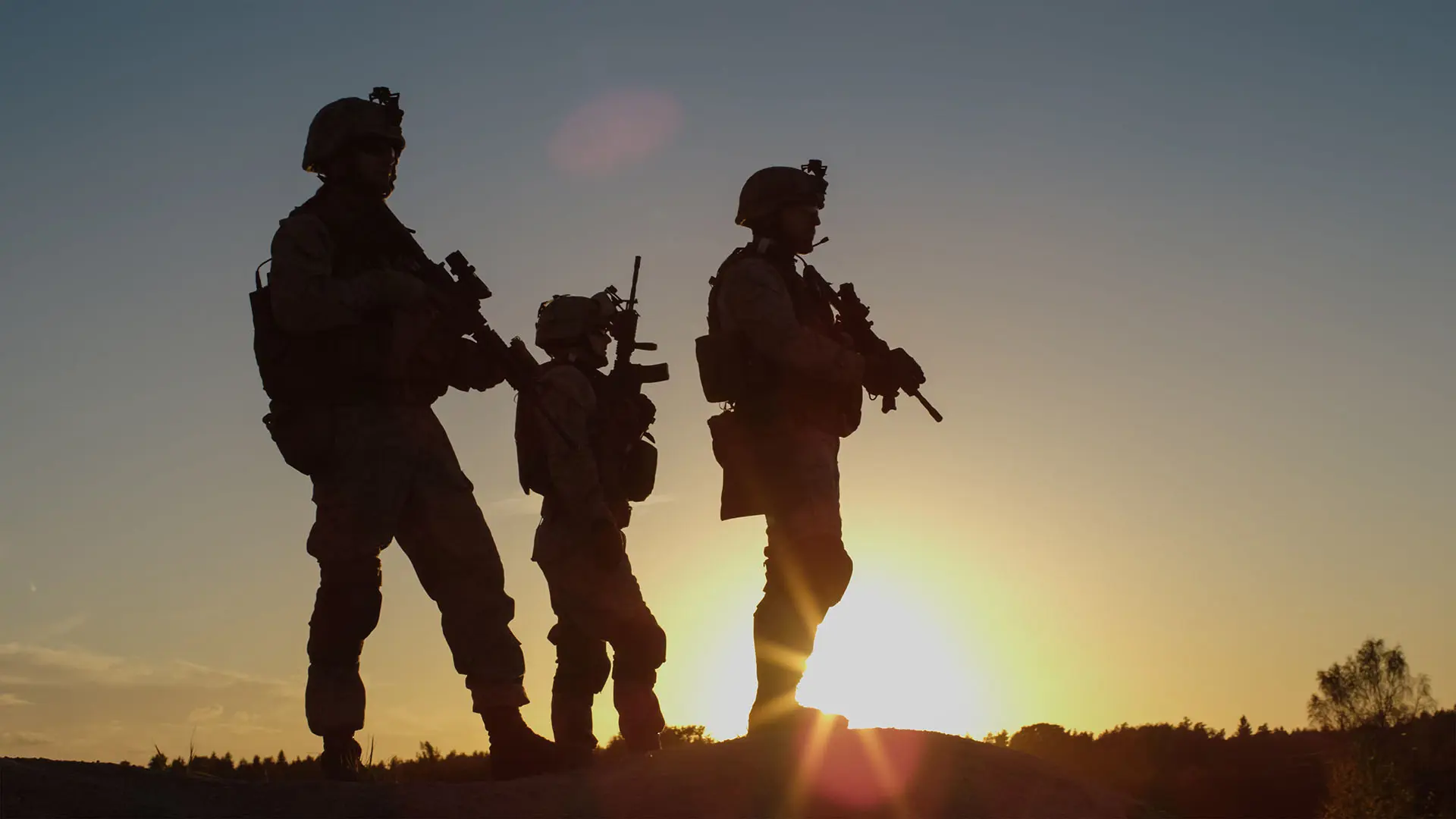
Past coalition operations, from the Gulf Wars to Afghanistan, demonstrated effectiveness, but under highly asymmetric conditions. Interoperability shortfalls were largely absorbed by US leadership, US command systems, US intelligence, and US logistics. European forces learned to plug vertically into American frameworks rather than horizontally into one another. That dependency remained manageable, and mostly invisible, until the strategic climate changed.
Transatlantic uncertainty and the evolving character of warfare
Today, transatlantic certainty can no longer be taken for granted. US strategic priorities are shifting, political signals are less predictable, and American forces are increasingly stretched by global commitments. Europe must therefore confront a plausible scenario in which US support is delayed, limited, or conditional during a major crisis. In such a context, over reliance becomes vulnerability.
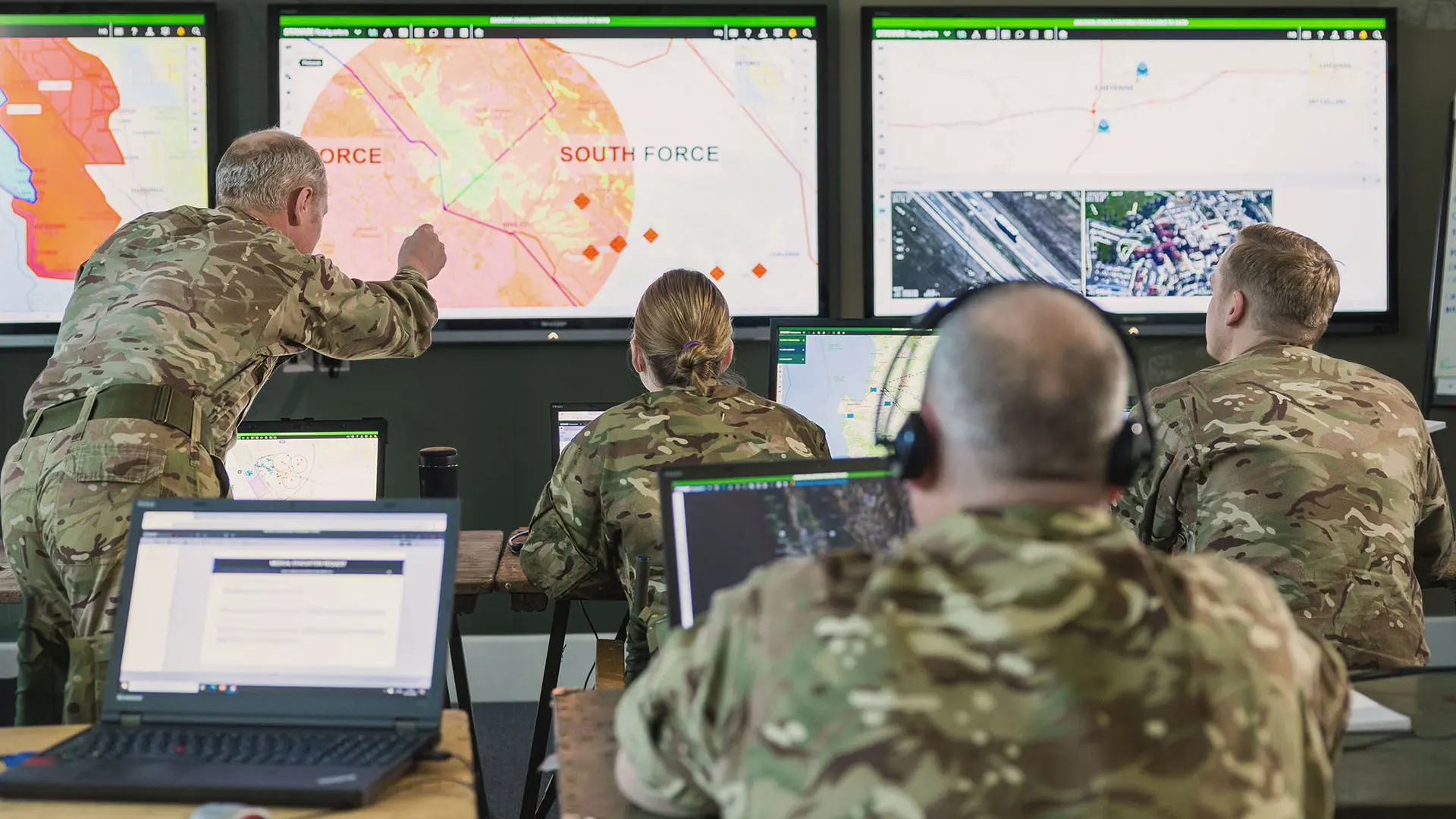
At the same time, the character of warfare itself has evolved. The Ukrainian battlefield has demonstrated that modern combat is dominated by sensors, drones, precision effects, and the rapid fusion of data across domains. Artificial intelligence is no longer an adjunct; it is the cognitive engine of combat, compressing decision cycles and enabling coordination at a speed no human staff can match. Autonomous systems provide reach and persistence, but without a shared digital command environment to fuse information and support decision making, they remain tactically impressive yet strategically inefficient.
Preparing for data-centric warfare
Adaptation during war is possible, but it is costly and dangerous. Ukraine adapted with remarkable speed, but at immense human and material cost. Other conflicts, such as Nagorno Karabakh in 2020, show how quickly systemic weaknesses can become irreversible once fighting begins. In coalition warfare, adaptation is even harder: national fixes introduced under pressure often widen interoperability gaps rather than close them. Certain deficiencies, force structure, deep interoperability, logistics resilience, cannot be repaired once a crisis has started. Europe therefore faces a narrow window. The work that matters most must be done in peacetime.
In this strategic environment, the ability to conceive and conduct data-centric warfare is a priority capability target that Europeans must set for themselves.
The issue is neither a lack of platforms nor a deficiency in algorithms. The challenge is to develop solutions designed to guarantee necessary sovereignty while fostering a digital environment which allows multinational staffs to see the same battlespace, reason from the same data, and act with speed and confidence.
Interoperability beyond technology
Technology alone will not solve this. Interoperability is as much cultural and organizational as it is technical. Differences in command philosophy, risk tolerance, language, and staff processes generate friction that no software can eliminate on its own.
These weaknesses appear most sharply at headquarters level, where fragmented situational awareness and incompatible procedures can paralyse coalition action even when tactical units perform well.
Training as the real integration mechanism
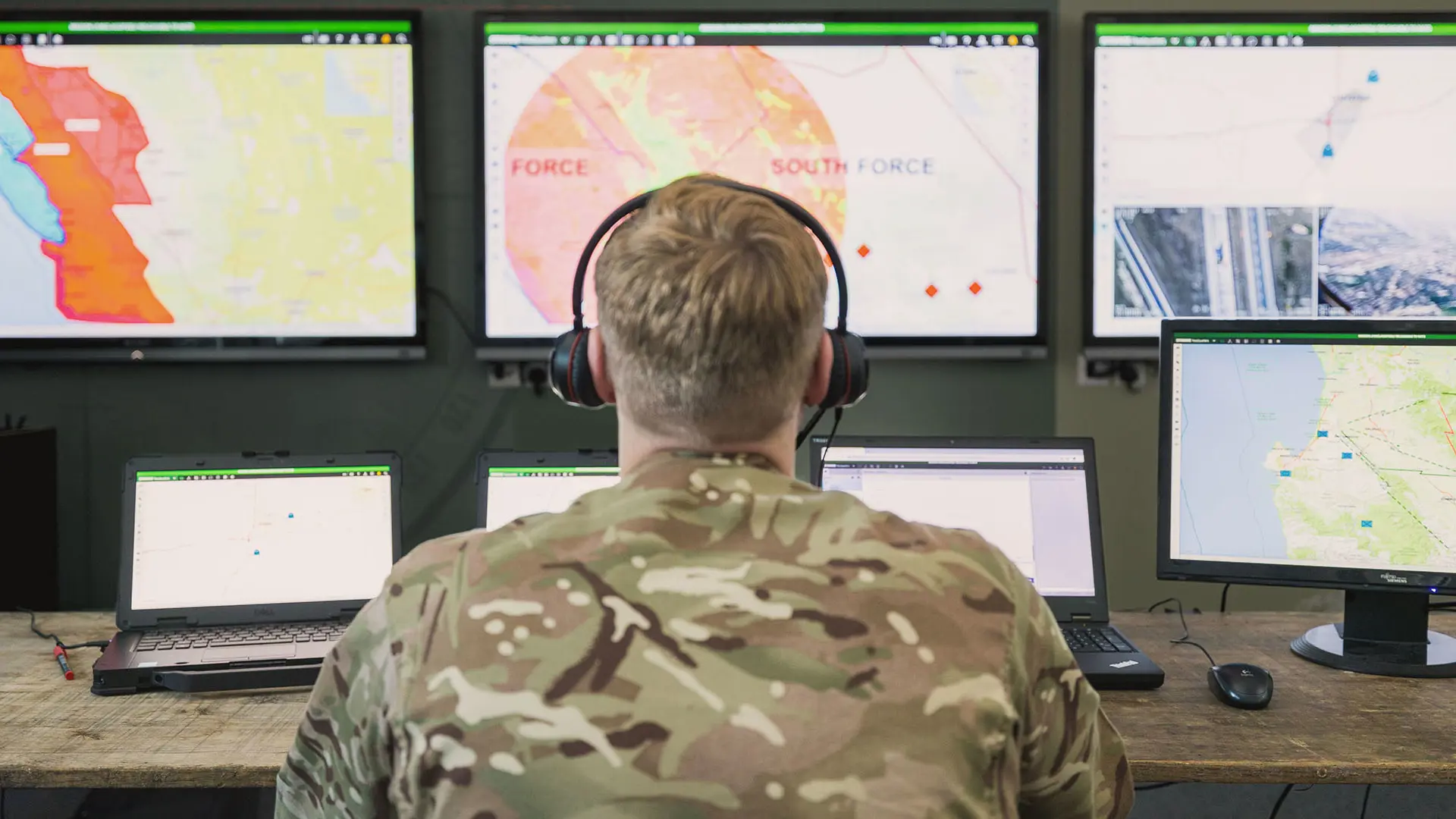
This is why exercises matter more than ever. Lieutenant General Michel Yakovleff, former Vice Chief of Staff at SHAPE, has long argued that NATO’s real strength has never been found primarily in operations, but in its relentless culture of training.
Repeated, demanding exercises, particularly command post exercises in contested digital environments, build shared mental models, trust, and procedural reflexes. They expose weaknesses early, when correction is still possible. Yet exercises continue to reveal persistent problems in information sharing, digital integration, and multinational command and control. These are not marginal issues; in high intensity conflict, they are decisive.
Priorities for European capability and alliance credibility
The priorities are clear:
Develop sovereign yet federated digital command environment.
Ensure they are coalition native by design.
Integrate AI as a decision support tool.
Develop the large-scale use of combat drones in TTP’s.
And above all, use these systems routinely in multinational training so that trust and fluency are built before they are needed.
These efforts are not about strategic separation from the United States. They are about credibility, deterrence, and balance within the Alliance. A stronger European digital backbone makes NATO more resilient, not less. Night is falling. The question is no longer whether Europe understands the risks, but whether it will act decisively while time still allows.
Crises do not wait for alignment, and they do not forgive unpreparedness.
Newsletter
Cannot see the form?
Your privacy or security settings may be blocking the form.
Explore more blog posts
 Autonomous advantage: How SitaWare is advancing agentic AIFrom data challenges to domain expertise, Systematic is building the agentic AI capabilities that tomorrow's militaries will depend onRead more
 Customer first, always: How Systematic's mission-driven approach shapes command & controlSystematic founder Michael Holm shares why the best command and control systems are built around real user needs, operational experience, and true data sovereigntyRead more
 Agentic AI: Opportunities and challenges in a changing battlespaceHenrik Sommer on why agentic AI is a force multiplier and why those who ignore it will be left behindRead more
 The interoperability problem: Michael Holm on why allied forces still can't talk to each otherAn excerpt from Michael Holm's appearance on the Command and Control PodcastRead more
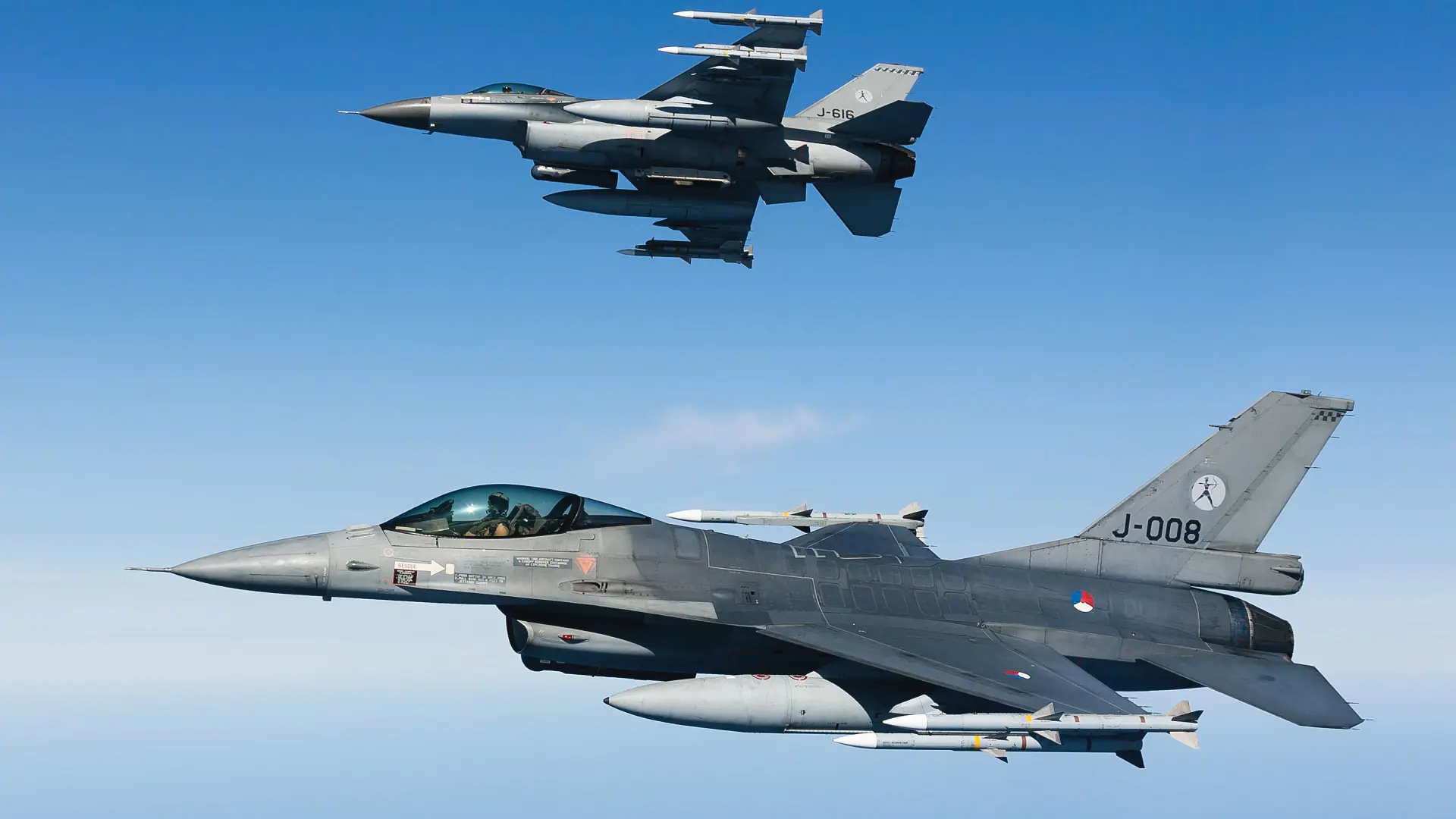 Why integrated Air C2 is critical to unlocking NATO’s Multi-Domain ambitionSystematic's Mads Würtz shares his take on Air Command & Control acting as real enabler of Multi-Domain Operations in coalition contexts. When the recognised air picture and air planning processes are disconnected from land manoeuvre, maritime operations, or ground-based air defence, friction emerges exactly where speed is most critical.Read more
 The future of C2: Lessons from Ukraine, the push for speed, and the case for sovereigntyAn excerpt from Michael Holm's appearance on the Command and Control PodcastRead more
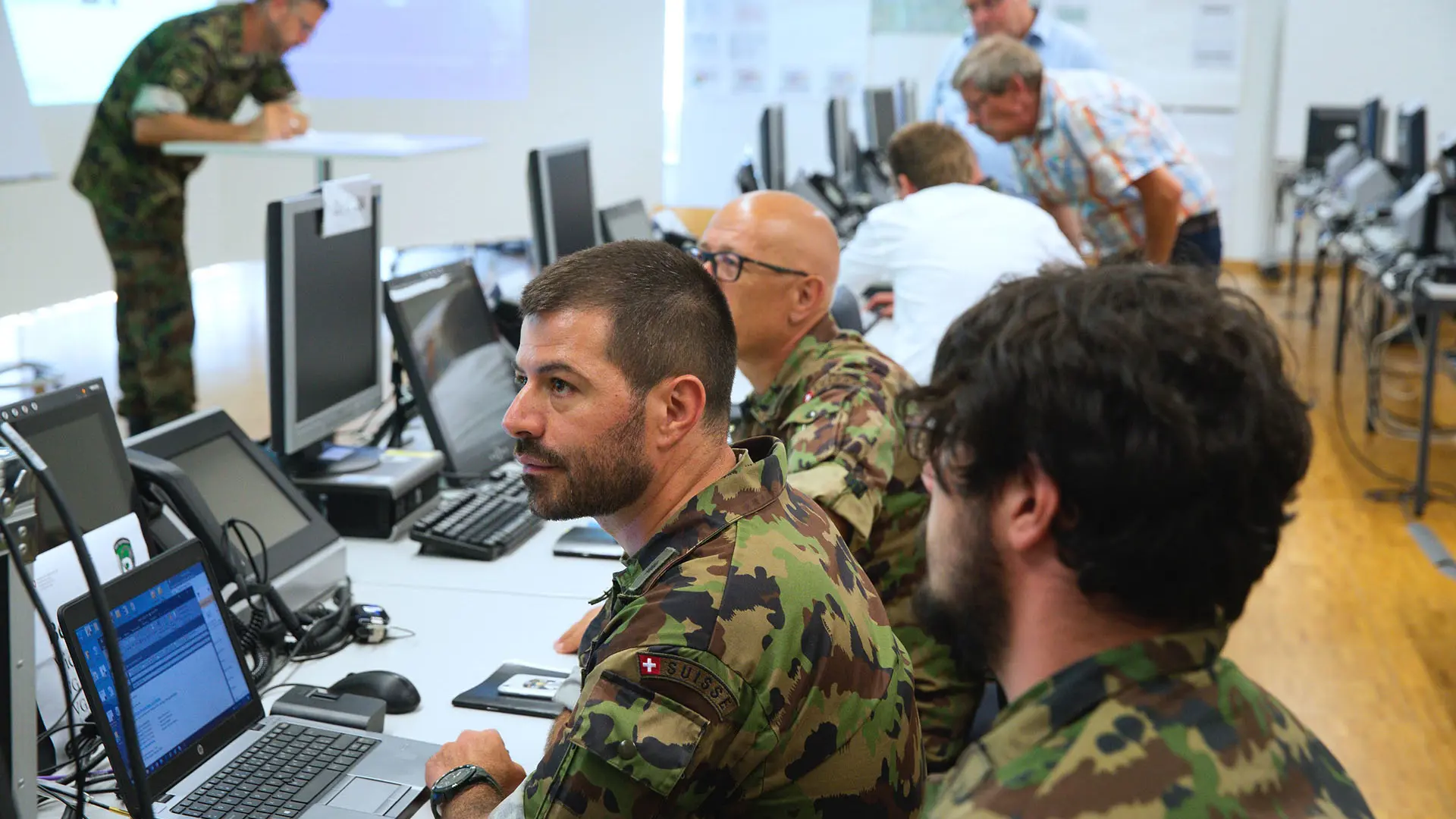 C2 for deterrence?Deterrence does not demand a separate command-and-control system, but rather a more credible, integrated, and wartime-ready form of C2 capable of spanning multiple domainsRead more
 Command and Control transformation in the Middle EastAcross the Middle East, the transformation we’re witnessing mirrors global trends: integrated networks, data-driven decision-making, AI, and joint interoperability are no longer optional — they are imperative.Read more