
Why integrated Air C2 is critical to unlocking NATO’s Multi-Domain ambition
NATO’s transformation towards Multi-Domain Operations (MDO) is no longer conceptual. Across the alliance, forces are restructuring command-and-control architectures to operate seamlessly across land, sea, air, space, and cyber. The goal is clear: a federated, interoperable C4ISR backbone that enables faster, better-informed decisions in increasingly contested environments.
But there is a hard truth at the centre of this transformation: If the air domain remains stove-piped, Multi-Domain Operations will remain incomplete.
This blog is written by Mads Würtz, Product Manager Air C2
I know this from experience. I served several years as an officer at the Royal Danish Air Force’s Air Control Wing, coordinating air missions in multinational operations. Across nations, the picture is familiar: Air operations planning still relies heavily on legacy tools never designed for the pace and complexity we face today. Standalone planning applications, spreadsheets on isolated office machines and manual coordination between domains and coalition partners - each bringing their own systems, formats, and picture of the battlespace. The challenge isn’t unique to any nation, but a structural reality across NATO.
When I joined Systematic as Product Manager for Air C2, I brought that operational perspective with me. The air domain can no longer afford to operate in isolation. And neither can the tools we use to command it.
Air C2: The tempo-setting domain
Air operations unfold at exceptional speed. Deconfliction, coordination, tasking cycles and sensor-driven targeting decisions often compress into minutes. The growing density of 5th generation platforms, advanced air defence systems, and uncrewed sensors only intensifies that dynamic.
In a multi-domain environment, this tempo becomes decisive. When the recognised air picture and air planning processes are disconnected from land manoeuvre, maritime operations, or ground-based air defence, friction emerges exactly where speed is most critical.
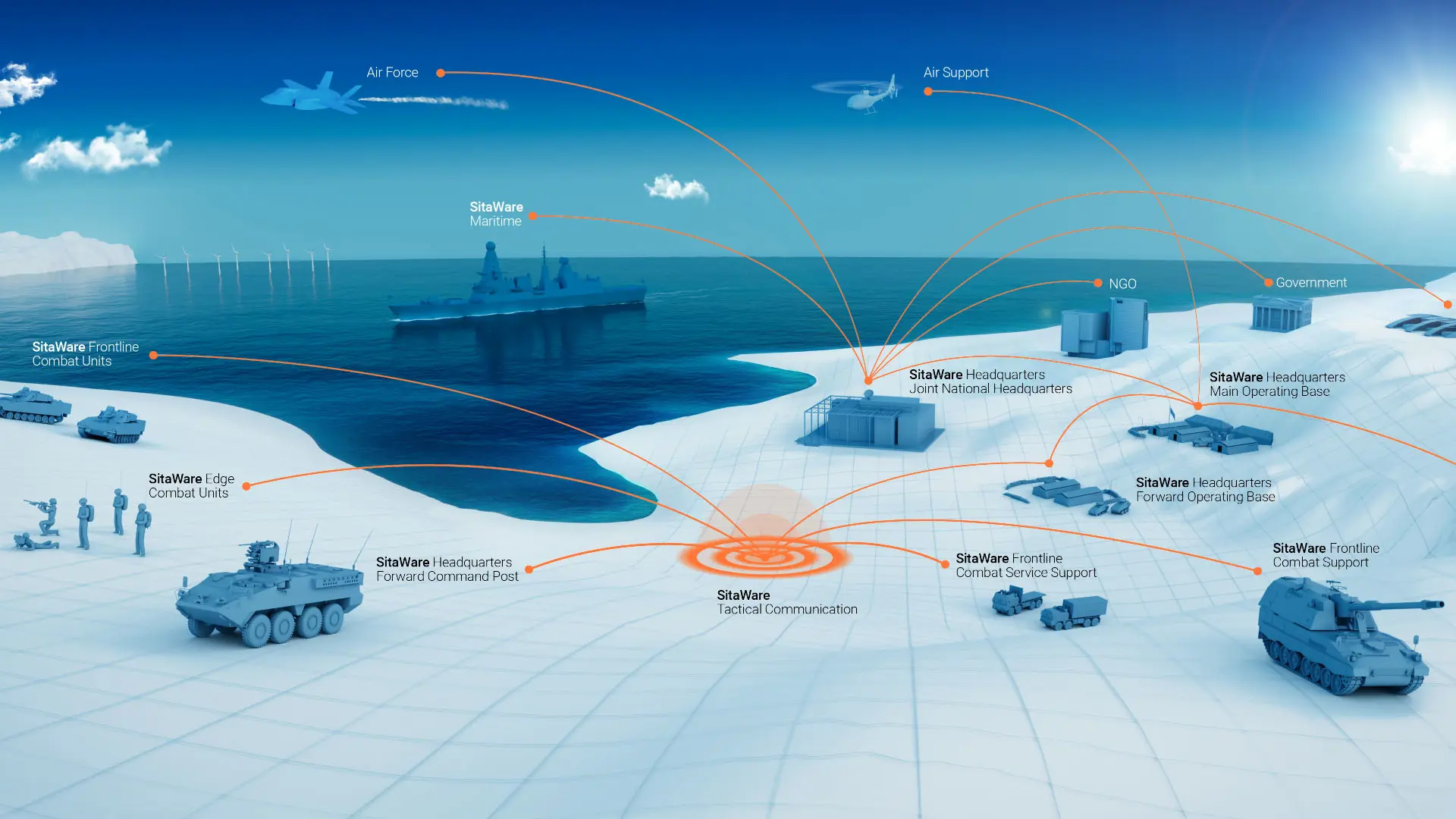
From standalone tools to an integrated C4ISR suite
Multi-Domain Operations therefore require more than procedural coordination. MDO demands that land, sea, air, space, and cyber are not just coordinated: they are fused into a common operational picture that enables commanders at every echelon to act with speed and precision. For the air domain, that means: Air operations planning, air defence coordination, joint fires, airspace deconfliction and the recognised air picture need to live inside the same C4ISR ecosystem that supports the rest of the force.
That is exactly where SitaWare Headquarters delivers. Rather than replacing legacy tools with yet another standalone system, it integrates air operations into our market-leading C4ISR SitaWare Suite. Planning tools and templates can be configured and adapted to transform planning workflows into actionable C2, while maintaining NATO interoperability standards.
SitaWare supports a wide range of those standards including NATO Friendly Force Information (NFFI) and the Multilateral Interoperability Programme (MIP), enabling commanders to share plans, situational awareness, and the location of coalition forces. In the air domain, where multinational task forces are the norm rather than the exception, this isn't a nice-to-have. It's the foundation of mission effectiveness.
Ireland: proof that it scales
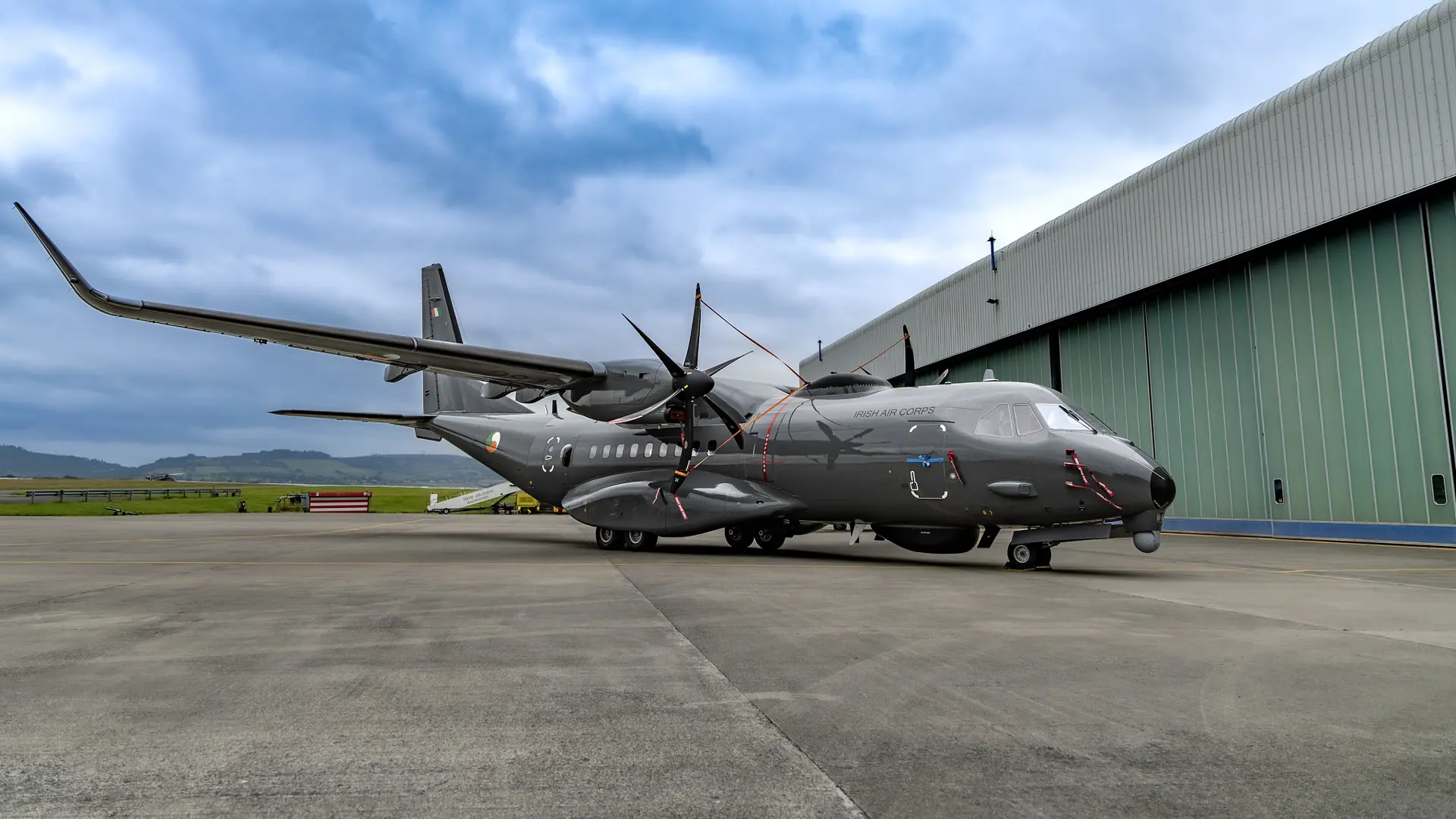
One of the most compelling examples of this approach in action comes from Defence Forces Ireland. Ireland has achieved what many larger forces are still working toward: a Joint Common Operational Picture connecting the Army, the Naval Service, and the Air Corps through SitaWare.
The Irish Air Corps operates Airbus C-295MPA maritime patrol aircraft and Pilatus PC-12NG ISTAR platforms, all equipped with SitaWare Headquarters and Frontline. These aircraft don't just generate their own picture, they fuse radar, AIS, ADS-B, and electro-optical sensor data into a correlated COP that is shared in near-real time with forces on land and at sea. They even function as communications relay nodes, ensuring that all SitaWare users across the defence forces know where everyone is and what they're doing.
But the principle applies just as powerfully to larger, more complex force structures. If a single platform can connect a small nation's entire force across domains, the same software architecture (open, standards-based, and modular) can scale to meet the demands of NATO's most ambitious MDO concepts.
Germany steps in — SitaWare across all domains
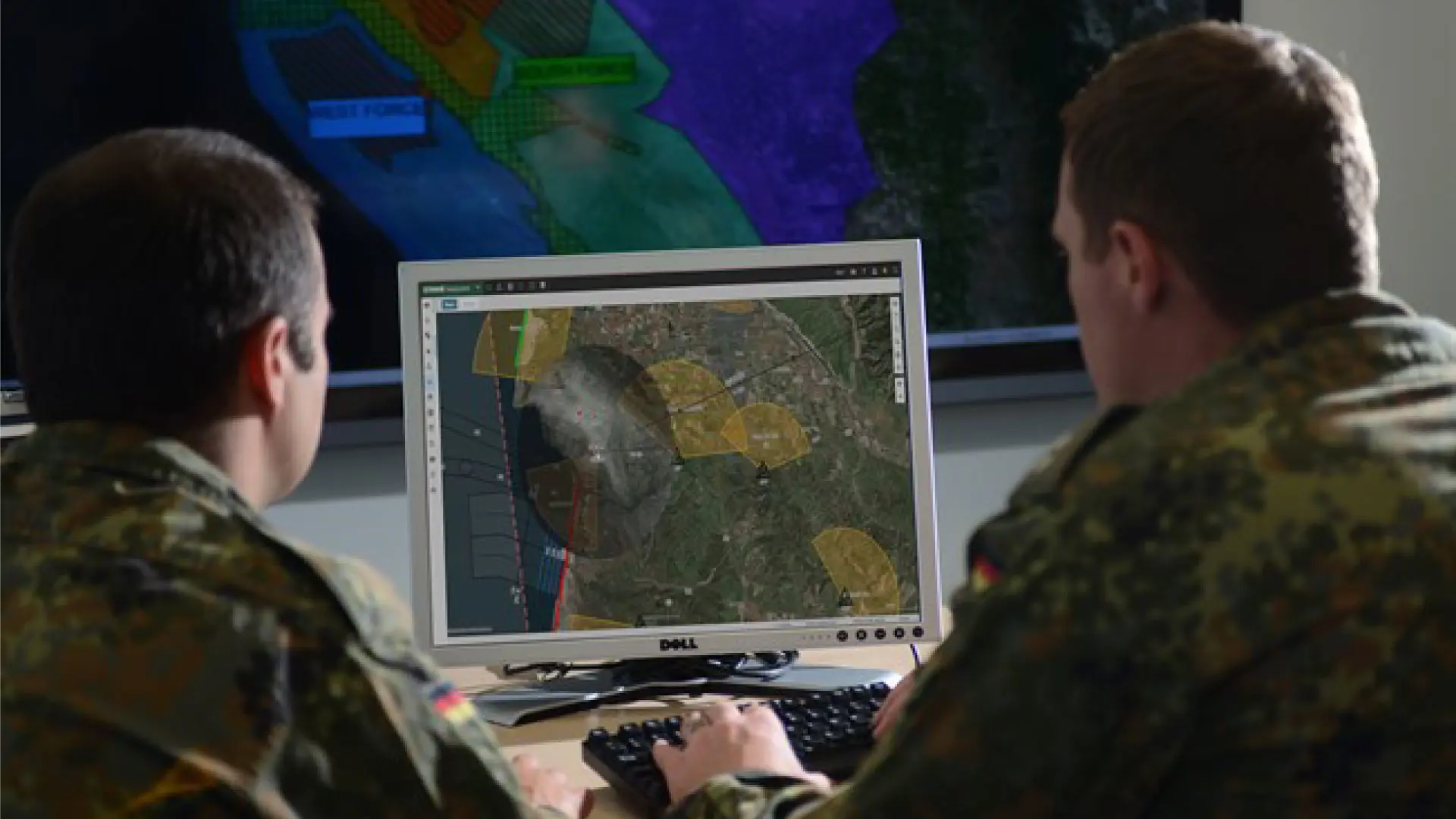
That scalability was reinforced recently when German Air Force decided to deploy SitaWare. The software is now in use across all German armed services.
In the Bundeswehr SitaWare is implemented within a unified, multi-domain software ecosystem supporting command and control at all levels. The individual products of the SitaWare suite are seamlessly integrated into the existing system landscape, and the Air Force introduction is a natural extension of that cross-domain approach.
Germany's decision sends a clear signal to the alliance: a common, interoperable C4ISR backbone across all domains is not a theoretical ambition. It is happening now.
Ground-based air defence and the sensor challenge
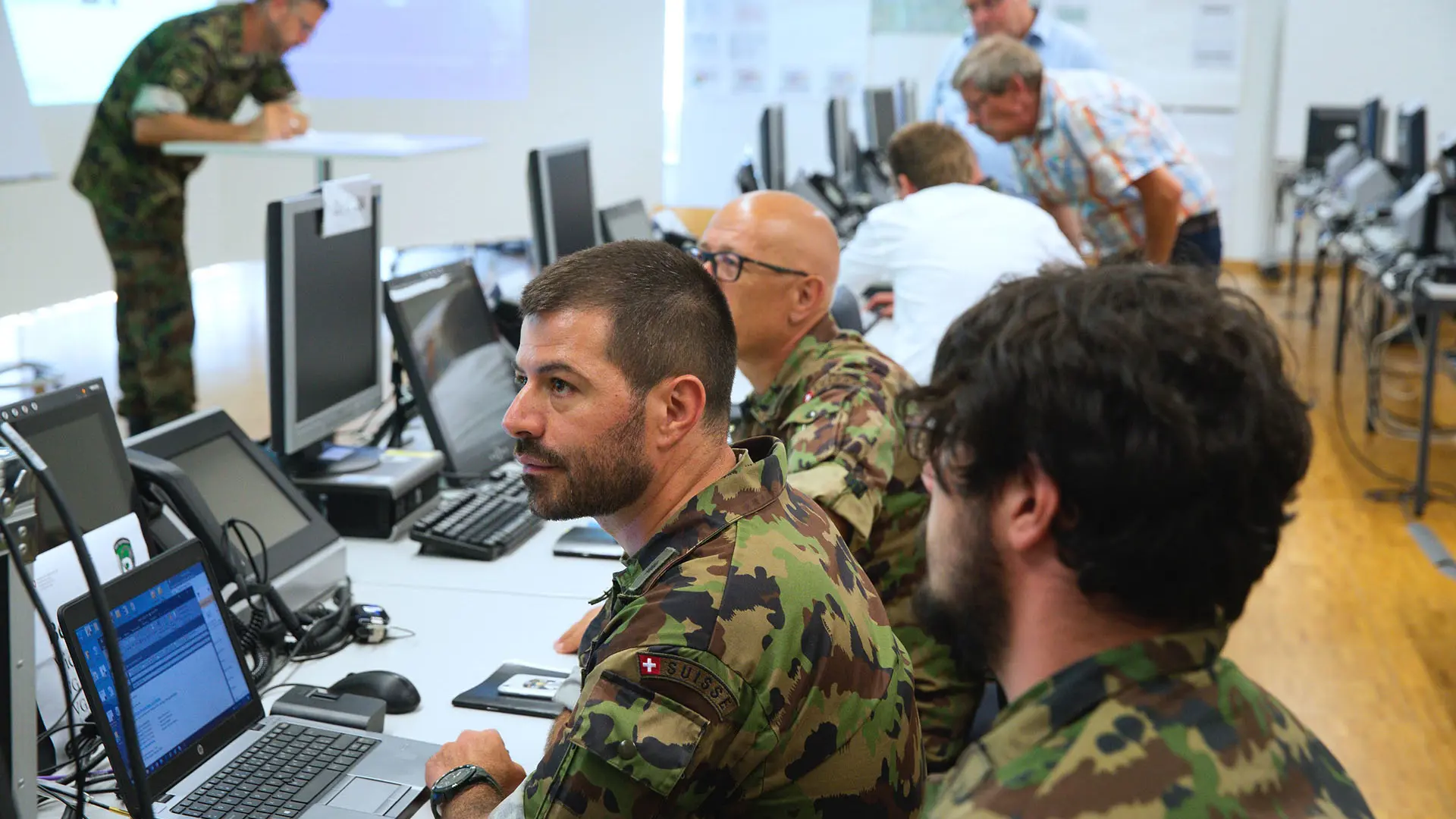
MDO also demands that we rethink how sensor data flows into the air picture. Ground-Based Air Defence systems, drone platforms, and manned aircraft all generate critical data. But that data is only valuable if it can be fused, correlated, and shared in a common tool that gives every operator the same coordinated picture.
SitaWare's open architecture and standards-based approach to data handling is designed precisely for this challenge. It gathers, processes, and fuses data from multiple sources, regardless of whether the sensor is airborne, maritime, or ground-based. The suite's AI capabilities further support this by helping operators manage the sheer volume and velocity of data that modern air operations generate.
What NATO needs next
NATO's Enhanced Air C2 ambitions are clear: the alliance needs faster, more integrated, and more resilient command and control across an increasingly contested air domain. Legacy systems that can't communicate with partners, can't process data at the required tempo, and can't integrate across domains are a vulnerability - not a capability.
From my experience at the heart of air operations and now at the helm of SitaWare Air C2 product development, I'm convinced that the path forward isn't building more stove-piped air C2 systems. It's integrating air command and control into a proven, scalable, multi-domain C4ISR suite. One that already connects forces from the tactical edge to the operational headquarters, across land, sea, and air.
Ireland has shown it works. Germany has committed to it at scale. The technology is mature, the architecture is open, and the interoperability is proven.
The question for the rest of the alliance isn't whether to pursue this approach. It's how quickly they can get there.
Newsletter
Cannot see the form?
Your privacy or security settings may be blocking the form.
Explore more blog posts
 The future of C2: Lessons from Ukraine, the push for speed, and the case for sovereigntyAn excerpt from Michael Holm's appearance on the Command and Control PodcastRead more
 C2 for deterrence?Deterrence does not demand a separate command-and-control system, but rather a more credible, integrated, and wartime-ready form of C2 capable of spanning multiple domainsRead more
 Command and Control transformation in the Middle EastAcross the Middle East, the transformation we’re witnessing mirrors global trends: integrated networks, data-driven decision-making, AI, and joint interoperability are no longer optional — they are imperative.Read more
 Frankenstein, JADC2, and the future of warfighting acquisition: An industry perspectiveWithout disciplined architecture and unified standards, the future of command‑and‑control risks becoming a Frankenstein of mismatched systems rather than a coherent warfighting capability.Read more
 Technical interoperability in contested environments is a mustThe U.S. Navy must prioritize both seamless interoperability with allies and resilience in contested communications to ensure credible combat power at seaRead more
- From concept to capability: Multi-Domain OperationsSupporting NATO in its evolutionary digital journeyRead more
 Joint Fires: Surviving and exploiting the most lethal capability on the battlefieldShaping the future of joint fires: Insights from former royal artillery colonel, Tim VenthamRead more
 Command the fight: smarter fire support, faster decisionsBy bringing fire support tools together in one solution, teams gain the speed and insight needed to make smarter decisions in moments that matter.Read more