Common Operational Picture for Data2Sea 2026
Two Weeks in the Baltic Sea: From Sensor Data to Shared Situational Awareness
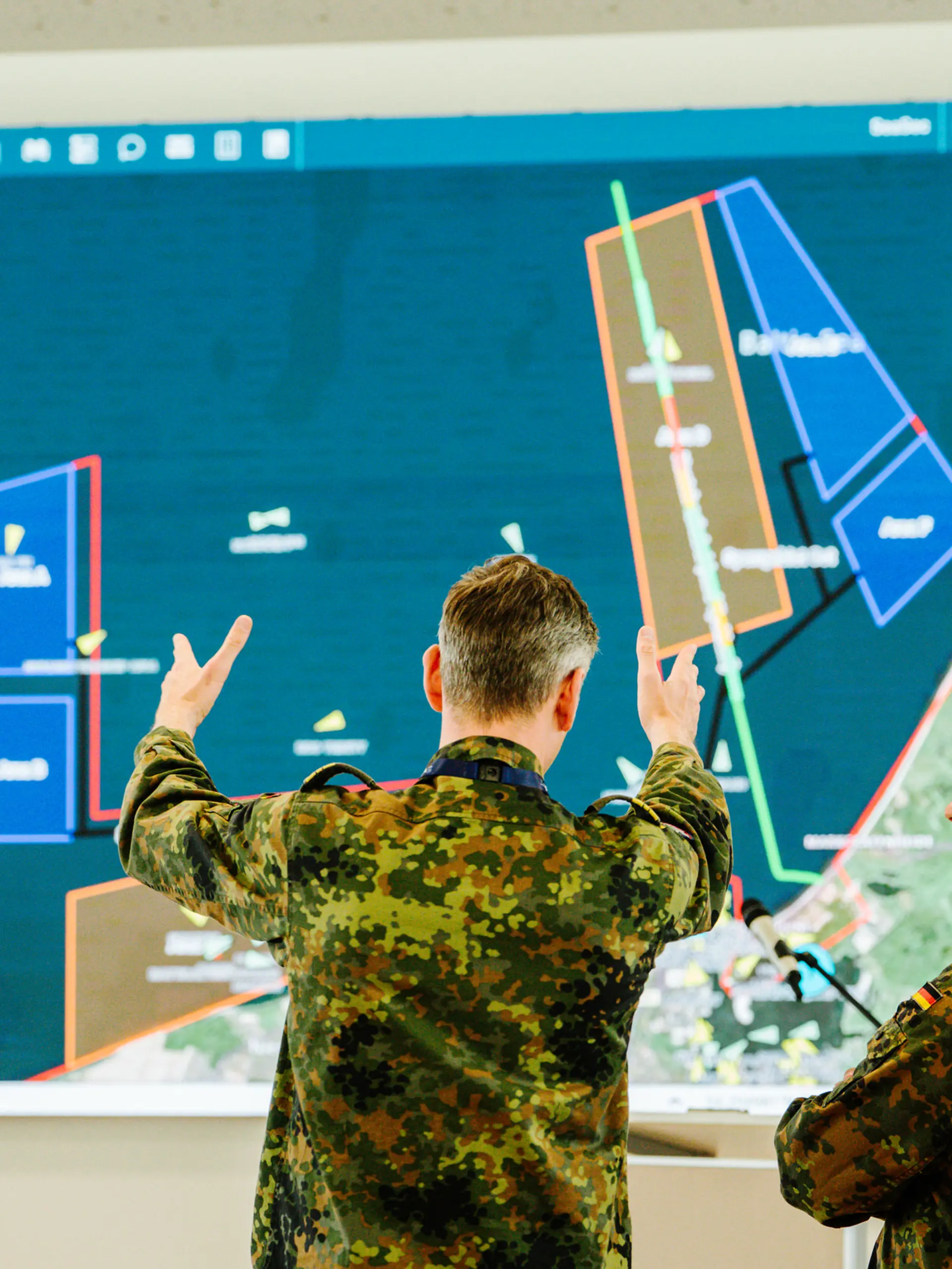
From 13 to 24 April, the Baltic Sea off Rostock hosted live sea trials at the centre of European maritime security. More than 50 companies, around 100 military and federal police personnel, and six industry consortia worked through scenarios designed to test how nations, agencies, and industry can jointly protect critical infrastructure at sea. Across all of it, one system carried the operational picture: SitaWare Headquarters.
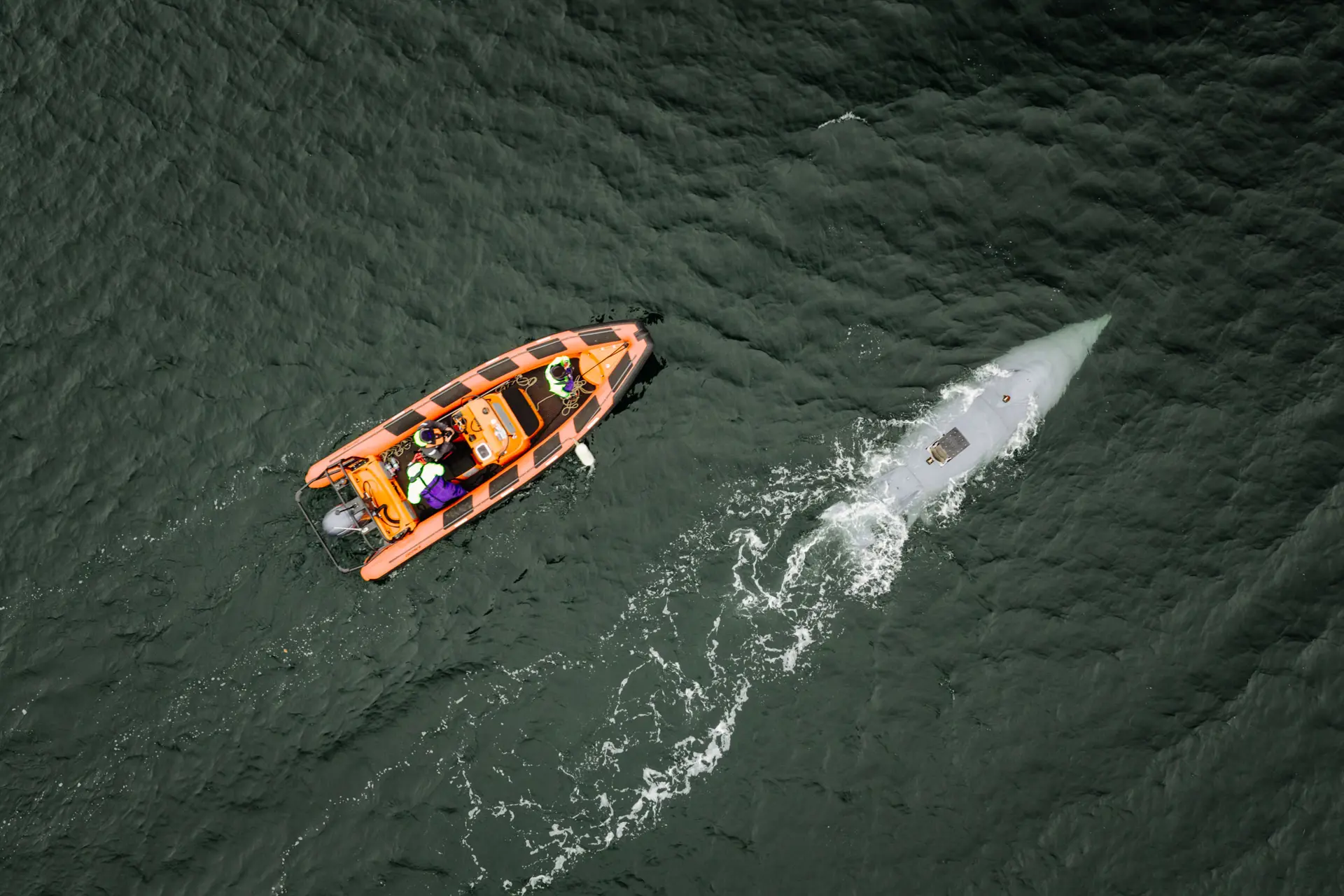
The Northern Naval Capability Cooperation (NNCC) Data2Sea Challenge Weeks were hosted by the German Navy and organised by SeaSEC in the Mecklenburg Bay. The premise was straightforward and difficult: turn distributed sensor data into coordinated action. Three challenges framed the work, covering Subsea Cable Protection, Platform Protection, and Harbour Protection. Industry teams from Denmark, Germany, the Netherlands, Norway and Sweden competed across them, applying multi-domain, data-centric thinking to the full spectrum of maritime infrastructure security.
SitaWare as the Exercise Backbone
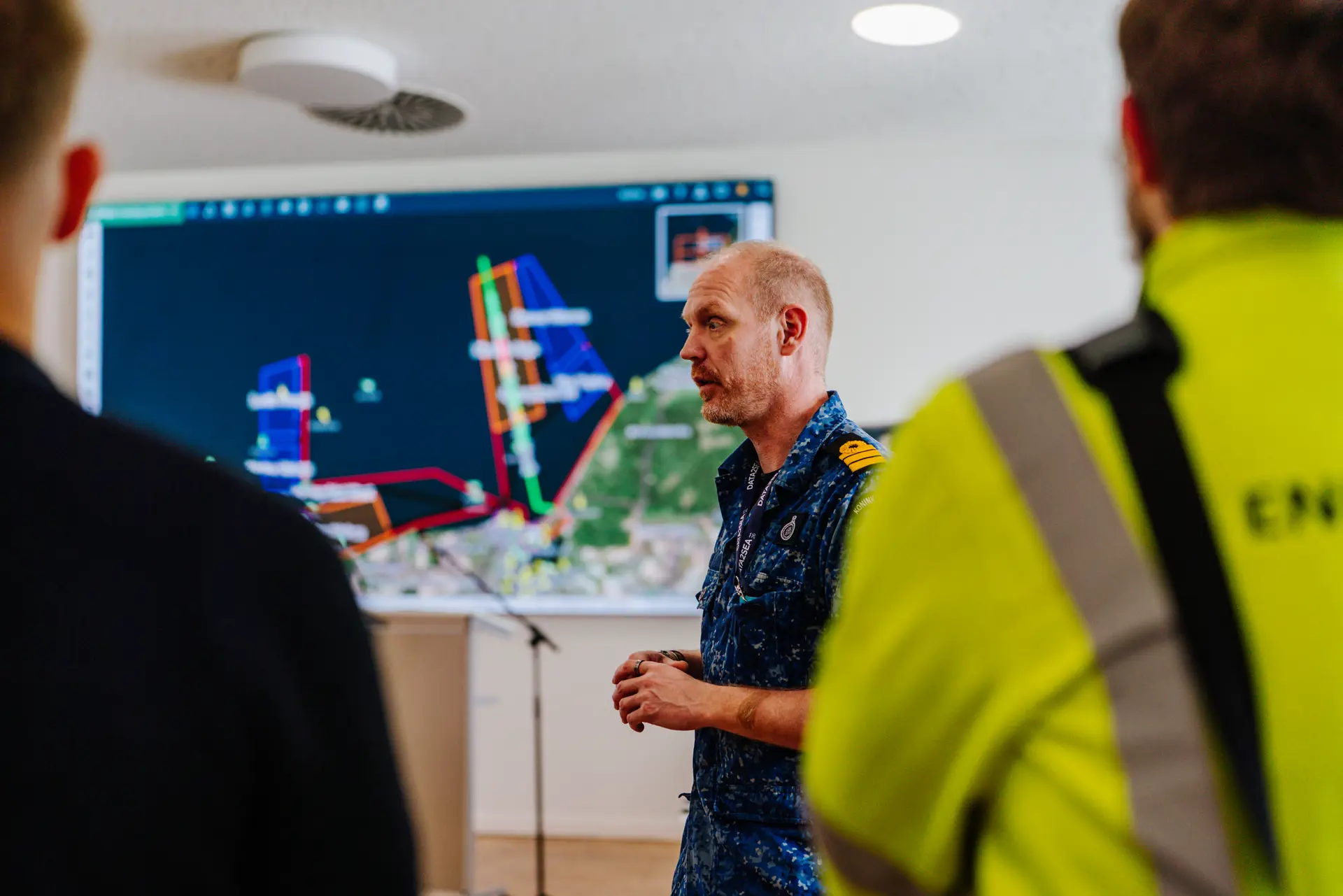
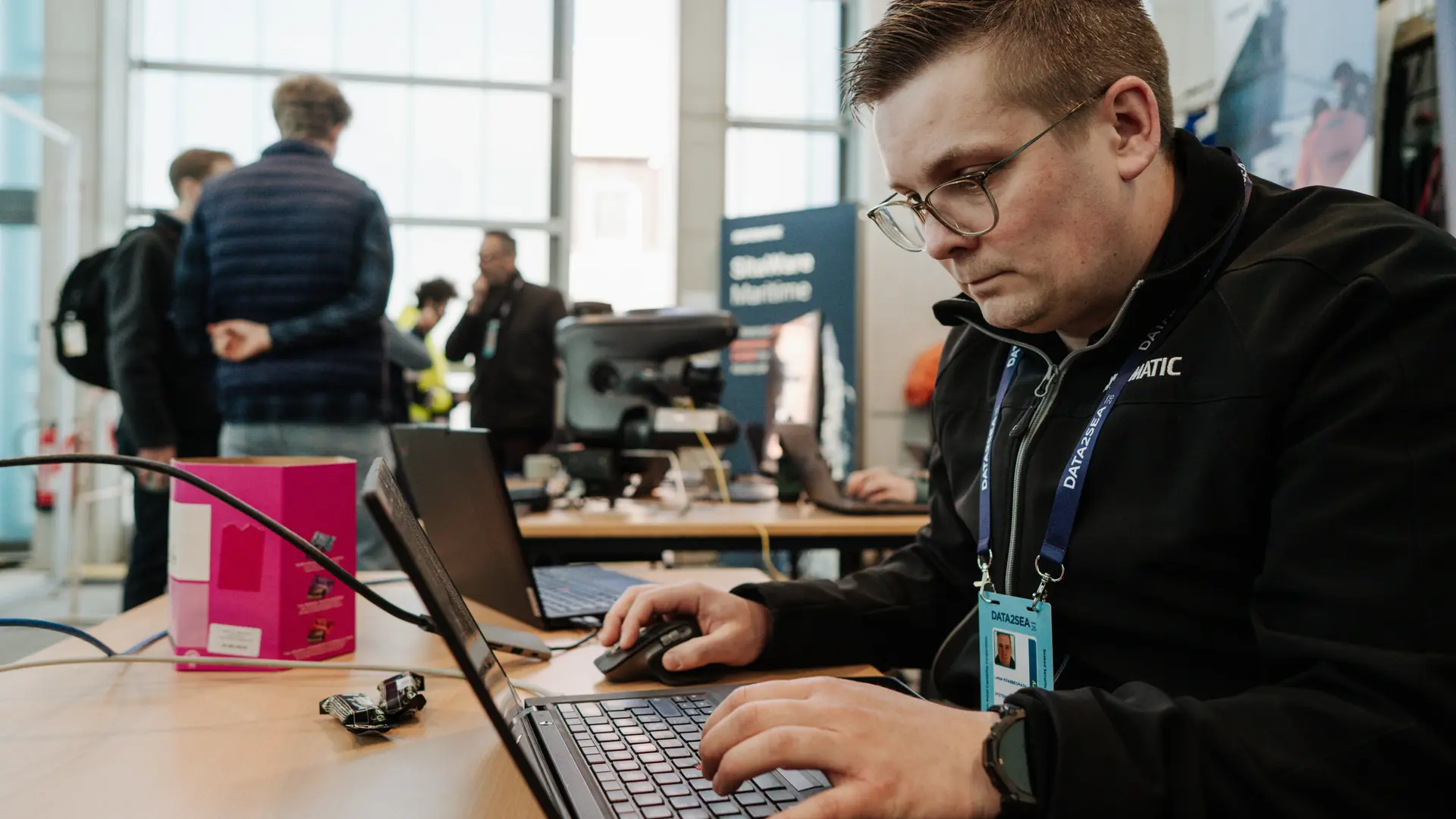
What set Systematic apart at Data2Sea was not participation in any one consortium, but the role its software played across the entire exercise. SitaWare Headquarters, together with SitaWare Maritime and SitaWare Fusion, was deployed as the command-and-control infrastructure for Exercise Control. Blue Cell, Red Cell, and White Cell, the staff directing and evaluating the trials, operated from a shared SitaWare environment for the full two weeks.
The reach extended well beyond the EXCON staff. Operational stakeholders from Germany, Denmark, the Netherlands, and Sweden adopted the system as their primary C2 tool. The German Federal Police, working alongside naval personnel in the protection scenarios, were also integrated into the same operational view. By the end of the exercise, SitaWare was the only platform able to consolidate the situation across every consortium and challenge area into one coherent Common Operational Picture.
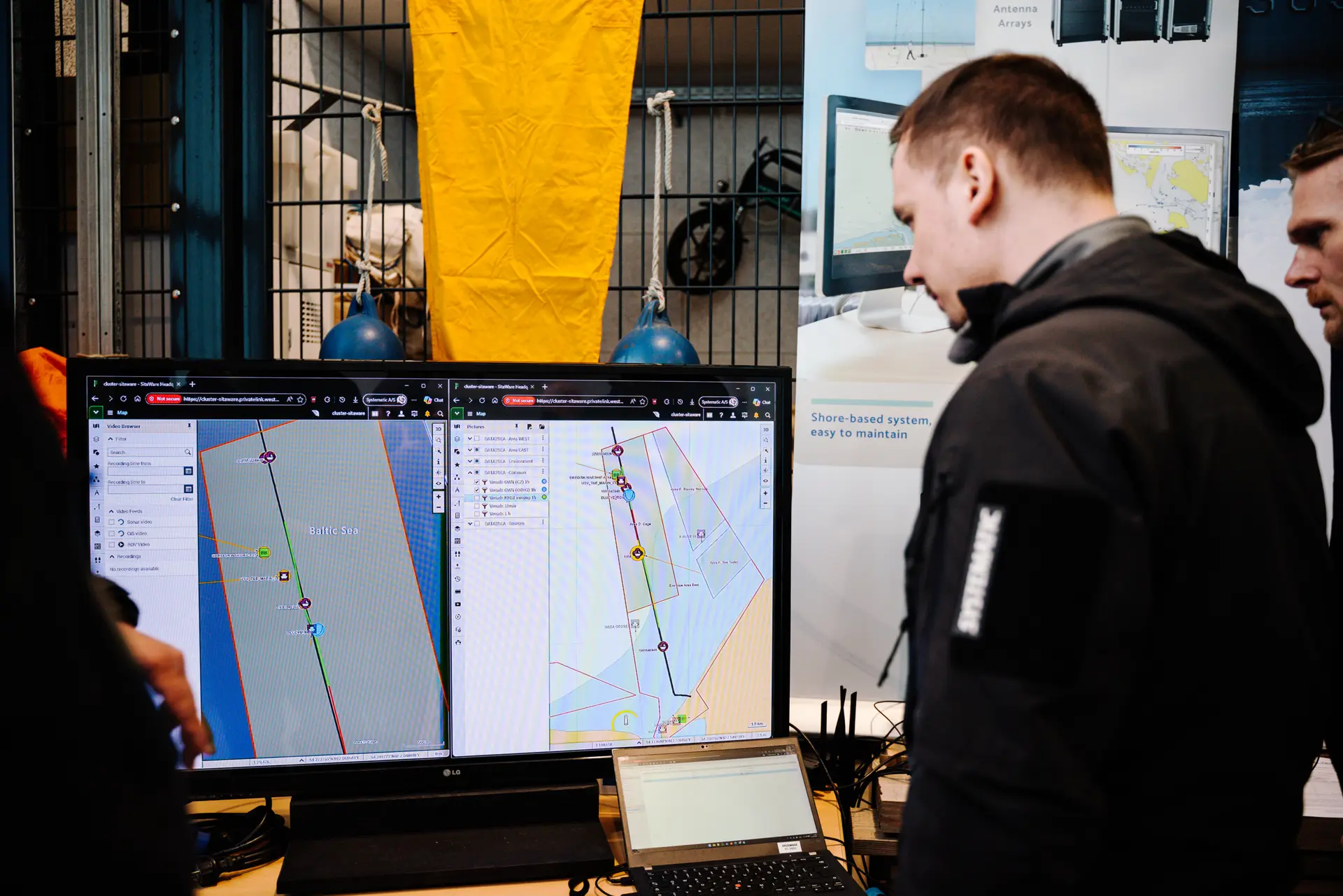
Data fusion across domains, agencies, and nations is not a problem of collecting more sensor inputs. It is a problem of architecture. SitaWare's open, standards-based design allowed feeds from multiple consortia, services, and authorities to converge in a single operational view, regardless of where the data originated. This is what data-centric C4ISR looks like in practice, and Data2Sea provided the live demonstration.
Leading FLAGSHIP: Subsea Cable Protection
Within the Subsea Cable Protection challenge, Systematic led the FLAGSHIP consortium, an integrated team of seven European technology providers built to address one of the most discussed gaps in European maritime security.
Cable protection requires a detection chain that begins long before a threat reaches a vulnerable section of seabed. FLAGSHIP assembled the layers of that chain end to end. ASN contributed fibre-optic and cable sensing, using its OptoDAS interrogator, providing detection of seabed interference and surface vessel activity at extended range. HELZEL Messtechnik deployed an HF over-the-horizon radar demonstrator for ship tracking beyond line of sight. JDS Ship Monitor brought AIS-based vessel tracking and risk detection. Closer to the cable, FLANQ and CiS Drone Systems operated uncrewed surface and aerial vehicles equipped with 4D sonar and camera systems for survey and change detection, while Teledyne deployed survey vessel-based multi-beam and image sonar. Blueye Robotics provided mini-ROVs for sub-surface target identification when close-range verification was needed.
Each capability addressed a different layer of the problem: broad-area surveillance, vessel noise tracking, surface and sub-surface identification, and rapid verification. SitaWare Maritime tied those layers together, consolidating sensor data, radar tracks, AIS feeds, and event messages so the consortium could work as one system rather than seven separate ones.
The result was a modular and scalable architecture. Any of the partner capabilities could in principle be deployed elsewhere; what FLAGSHIP demonstrated was how they combine into a coordinated detection and response capability when integrated through a shared C4ISR layer.
Cross-Consortium Participation: Platform and Harbour Protection
Systematic also contributed to a consortium led by HENSOLDT, participating in both the Platform Protection and Harbour Protection challenges. The dual role, leading one consortium while supporting another, gave the company operational insight across the full exercise and reinforced SitaWare's function as a unifying C2 layer across different mission types.
It also reflects a broader principle that runs through Data2Sea. No single industry team can credibly claim to deliver every layer of capability required for maritime security. The strength of the model lies in interoperability: between consortia, between agencies, and between nations. That is what the exercise stressed and what it validated.
Looking Ahead
The 2027 SeaSEC Data2Sea Challenge Weeks will likely be held near Karlskrona, Sweden. For Systematic, the objective is to continue providing the Maritime C2 foundation that enables multinational forces, federal agencies, and industry partners to operate from a shared operational picture, regardless of which infrastructure type, sensor mix, or scenario the next edition focuses on. Maritime security in the data-centric era depends less on owning every sensor and more on building the architecture that makes every sensor count.
Related content

Advancing subsurface capabilities in SitaWare Maritime
New releases bring major features for multidomain operations.

Nord Stream leaks: could AI provide the key to a preventative information advantage?
The recent images of vast areas of bubbling sea water off the coast of Denmark have sent shockwaves through Europe along with allegations of sabotage to the Nord Stream pipelines.

Royal Navy extends Systematic MTF contract for five years
Systematic specialists continue to work at the heart of military messaging software.
Newsletter
Cannot see the form?
Your privacy or security settings may be blocking the form.