
Fire support is one of the most decisive factors on today’s battlefield. Forces that deliver precise and timely fires gain tempo and freedom of action.
Advances in long-range weapons, improved C4ISR, unmanned ISR platforms, and emerging military Artificial Intelligence have accelerated the targeting cycle. These developments shape how militaries plan, prioritise and deliver effects.
Fire support is no longer just an enabler - it is a core component of joint targeting and Multi-Domain Operations, where speed and integration determine success.
Acting as the force multiplier
Troops on the ground rely on fire support to achieve their missions under increasingly contested conditions. Effective and well-coordinated fires act as a force multiplier, enabling freedom of movement, degrading enemy capabilities, and reducing risk to friendly forces.
Modern precision fires - from artillery and mortars to drones and missiles, helicopters and naval guns - play a central role in combined arms warfare. As emphasised in the RUSI (2025) analysis Rebalancing European Joint Fires to Deter Russia, modern forces now rely on integrated fires to counter long-range threats and maintain operational tempo.
Synchronisation remains essential. If fires are not coordinated across units and domains, the risk of duplication, delay or fratricide increases. A fast and reliable sensor-to-shooter chain is now critical.
Video: AI-powered swarm integration: From SitaWare to strike in seconds
Click on the video below to watch how Systematic and Helsing deliver sovereign AI-powered swarm capabilities by connecting HX-2 strike drones and ISR platforms directly into SitaWare.
The SitaWare Fire Support applies the latest in defence artificial intelligence, enabling rapid fusion of swarm sensor feeds and AI-assisted targeting into vetted targets and precision tasking. Using artificial intelligence planning, SitaWare ensures seamless data flow between drones and commanders, supporting instant planning, airspace deconfliction, and the rapid tasking of strike assets.

Increasing battlefield fragmentation
Recent research - including CSIS’s (2025) The Enduring Role of Fires on the Modern Battlefield - highlights that modern battlefields are fragmented and highly dynamic. Long-range sensors and precision strikes mean that logistics nodes, command posts and ammunition depots far behind the line of contact are at risk.
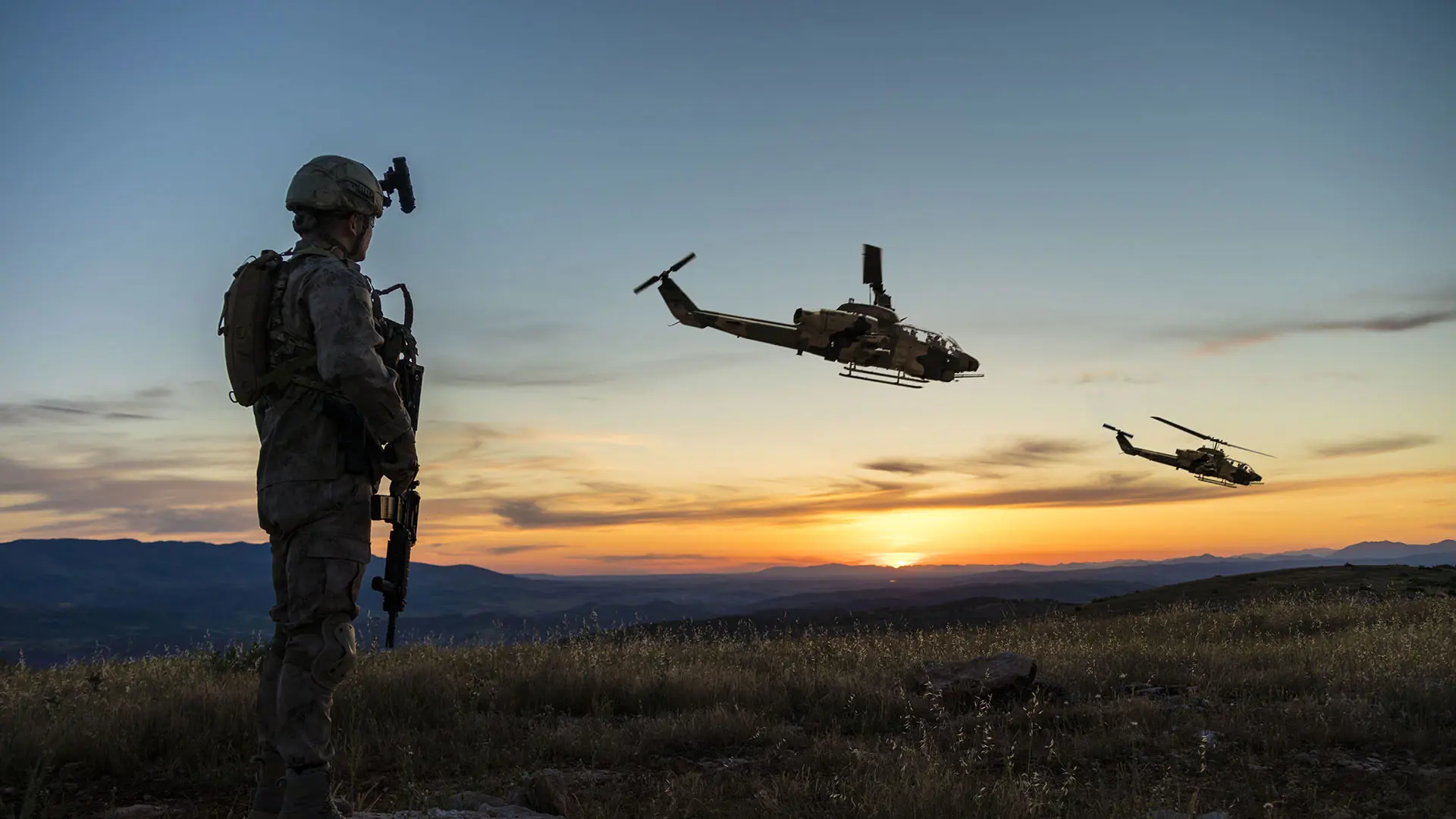
This environment demands better fires coordination and more precise airspace deconfliction. As ranges increase and units disperse, even routine fire missions affect larger areas. Fires must be aligned with air operations, ISR feeds and manoeuvre plans.
3 types of fires missions
Doctrine traditionally distinguishes three mission types: planned, dynamic, time-sensitive. This model is still useful. But modern operations include more variations such as on-call, immediate, on-order and emerging targets. Cross-domain effects, including cyber and electromagnetic actions, also influence fire support.
Bringing capabilities together
Joint structures such as joint fires cells synchronise effects across domains. They prioritise missions, assign effectors, manage fire control systems, and conduct battle damage assessment. They also deconflict fires with manoeuvre, air operations and other activities.
A persistent challenge highlighted in both RUSI (2025) and CSIS (2025) is the disconnect between legacy fire control software and modern C4ISR systems. Without seamless integration, operators rely on “swivel-chair ” processes between systems. This slows execution and increases cognitive burden. NATO’s trend is moving toward unified fire command and control environments that reduce friction and shorten decision cycles.Today's capabilities - UAVs and AI in the focus
Today's capabilities - UAVs and AI in the focus
Unmanned systems are now central to fire support. Drones provide persistent ISR. They detect, classify and track targets quickly, improving surveillance target acquisition. Loitering munitions combine sensing and striking, closing the sensor-to-shooter loop and enabling both dynamic fires and time-sensitive targeting.
Modern artillery and missile systems use digital networks, automated routing and advanced fuzes to deliver precision fires at long range. Counter-battery radars, EW tools and ground sensors contribute to faster and more accurate targeting.
Applications of artificial intelligence defence and military artificial intelligence support automated target recognition, data filtering and prioritisation in joint targeting. These tools reduce workload and help fires cells act faster.

As more nations field new effectors and unmanned platforms, interoperability becomes essential. ASCA gateways remain key for NATO missions, ensuring safe, coordinated and timely effects across coalition partners.
Firing intelligently
Modern fire support relies on the integration of intelligence, digital planning and precision effects. Improved automation and ISR tools reduce routine tasks. Analysts can focus on judgment and assessment, ensuring fires cells receive the most accurate picture possible.
Connecting intelligence workflows with execution systems helps forces deliver effective planned and dynamic fires with less delay and greater accuracy. This improves efficiency, reduces munition expenditure and increases mission success across domains.
The way ahead for Fire Support
Fire support continues to shape how modern forces fight, but its impact now depends on more than technology alone. The pace of today’s operations demands units that can adapt quickly, maintain high levels of readiness and operate seamlessly with partners in multinational environments. Effective fire support also relies on trained personnel who can interpret complex situations, make sound decisions under pressure and coordinate across domains.

As new systems, munitions and unmanned platforms enter service, militaries must refine their procedures, update doctrine and ensure that organisations can absorb these capabilities effectively. Sustaining fires over time—through logistics, resilience and clear command structures—remains just as important as delivering them.
In this environment, fire support is not only a technical function but a decisive operational discipline. Forces that invest in training, interoperability and organisational agility will be best positioned to translate modern capabilities into real battlefield advantage.
Newsletter
Cannot see the form?
Your privacy or security settings may be blocking the form.
News & Knowledge
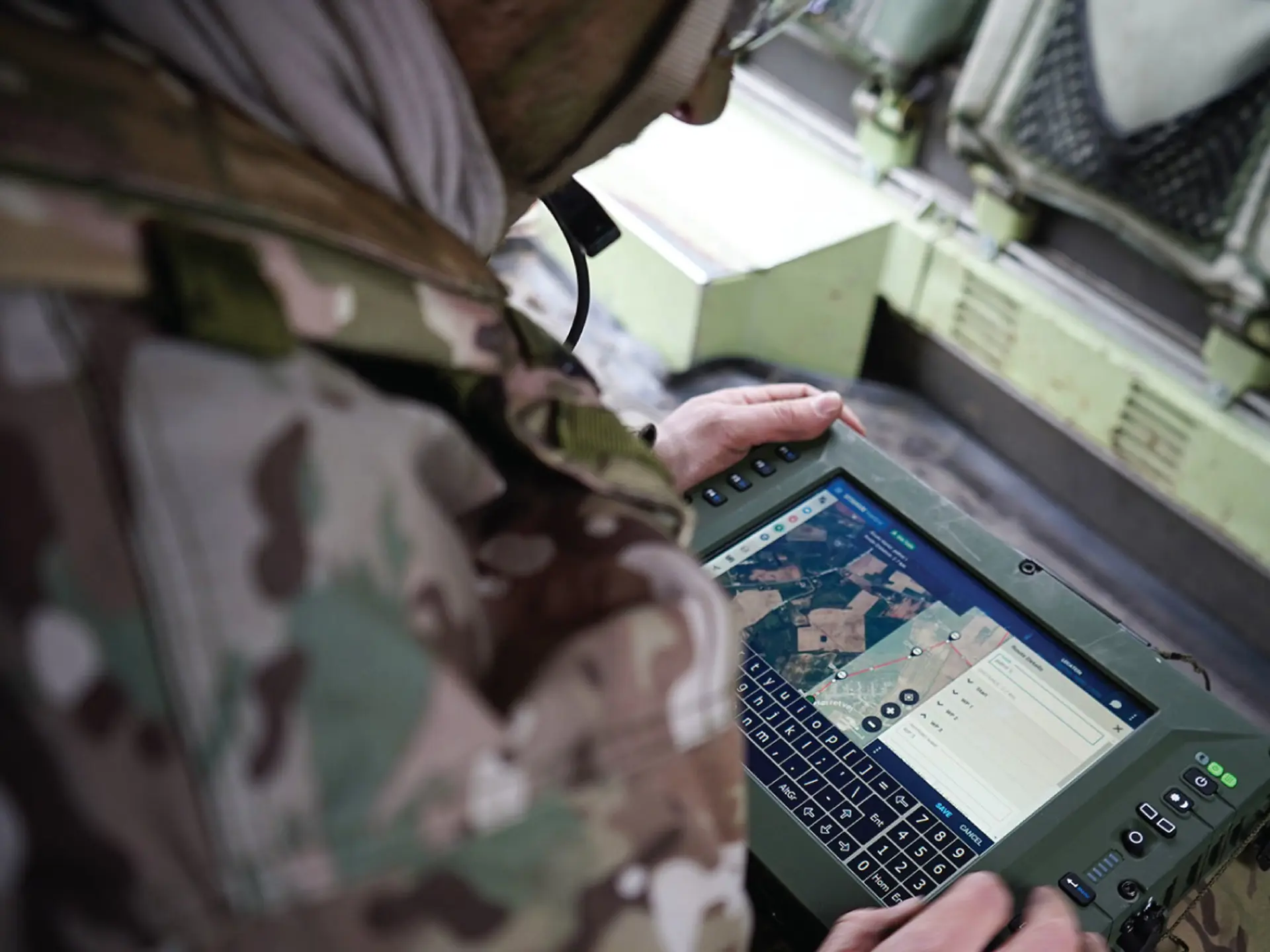
News
Stay informed with the latest stories and insights across the Land, Maritime, Air, and Joint domains.
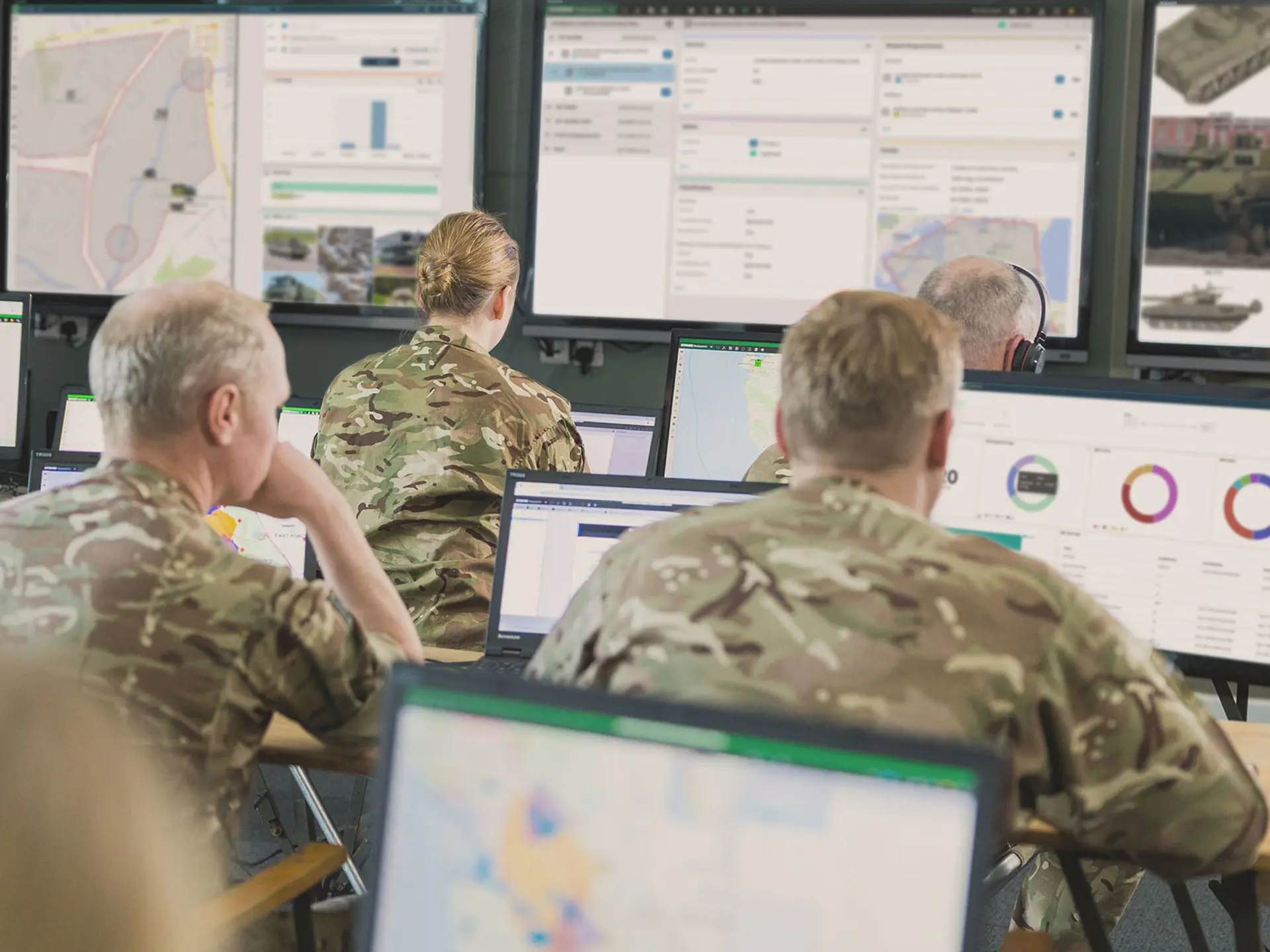
Newsletter
Stay updated with the latest and greatest from the world of defence with our monthly newsletter.

Blogs
Explore our blogs driven by innovation and the latest technologies to deliver leading C4I across all domains

Cases
Explore how different nations have leveraged the full potential of the SitaWare Suite, integrating forces across domains and alliances.
Downloads
On this page you find our ebooks, flyers and other downloads.