
Danish healthcare system for wounded soldiers showcased at major NATO exercise
When the German armed forces this spring exercised the transport of wounded soldiers from Lithuania to Germany, a Danish-developed IT system was presented for the first time as the system that will digitalise the handling of casualties going forward. The exercise made abundantly clear why it is needed.
The system, which combines healthcare and defence technology, is designed to replace paper and phone calls with digital data when wounded soldiers are moved from the frontline to hospital. In November last year, the German armed forces became the first country in the world to purchase the system, SitaWare Battlefield Health, from the Aarhus-based software company Systematic. Now it has been presented under realistic conditions for the first time.
At the exercise Medic Quadriga 2026 – the largest medical exercise conducted by the German armed forces since Russia's invasion of Ukraine – more than 1,400 participants simulated a scenario in which wounded soldiers had to be transported from NATO's eastern flank in Lithuania, across the Baltic Sea and back to civilian and military hospitals in Germany.
"The exercise made abundantly clear what is at stake when you need to coordinate treatment and transport of casualties across a distance of 1,600 kilometres. It cannot be done with phone calls and paper – and that is precisely why we have built this system," says Sven Trusch, Managing Director of Systematic in Germany.
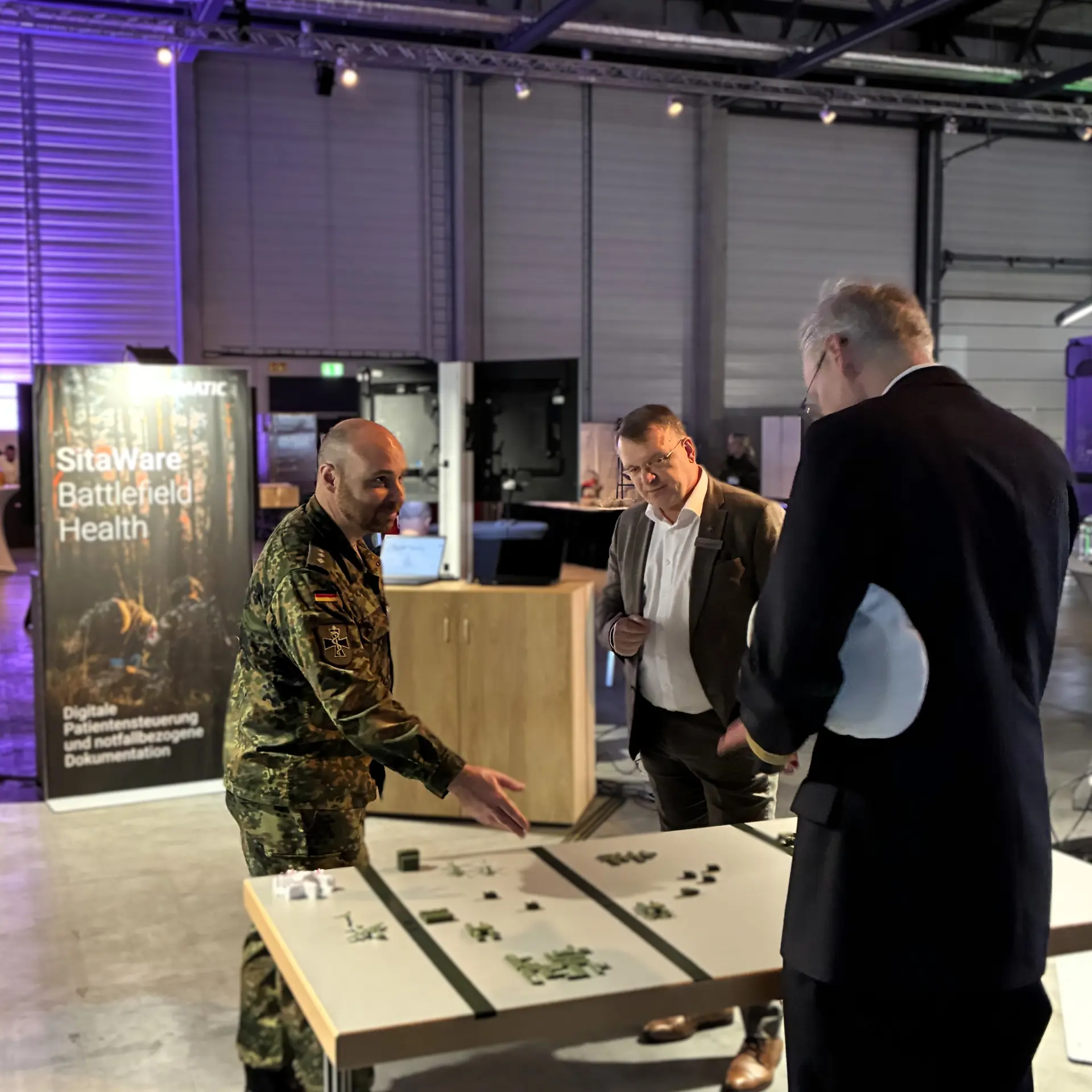
Health data follows the soldier
The problem the system solves is actually simple to understand: every time a wounded soldier changes hands – from the medic in the field, to the helicopter, to the field hospital, to the civilian hospital – there is a risk that information about injuries and treatment is lost.
Today, the first responder notes the soldier's injuries on a piece of paper, which follows the wounded during transport. With the new system, everything is recorded digitally and transmitted ahead, so the next treatment facility can prepare before the soldier arrives.
"It's about giving doctors and nurses the right information at the right time. If you know that in 20 minutes a helicopter will land with a soldier who has received such and such treatment, you can prepare. That saves lives," says Nikolaj Bramsen, CEO of Systematic.
Built on experience from Danish hospitals
Systematic is the company behind the electronic patient record system used at all hospitals in three out of five Danish regions, as well as the command-and-control system SitaWare, which is used by more than 50 countries and by NATO.
"Our strength is that we know the daily reality of both hospitals and the armed forces. We have used that experience to build a solution that meets military standards and works under the conditions soldiers actually operate in," says Nikolaj Bramsen.
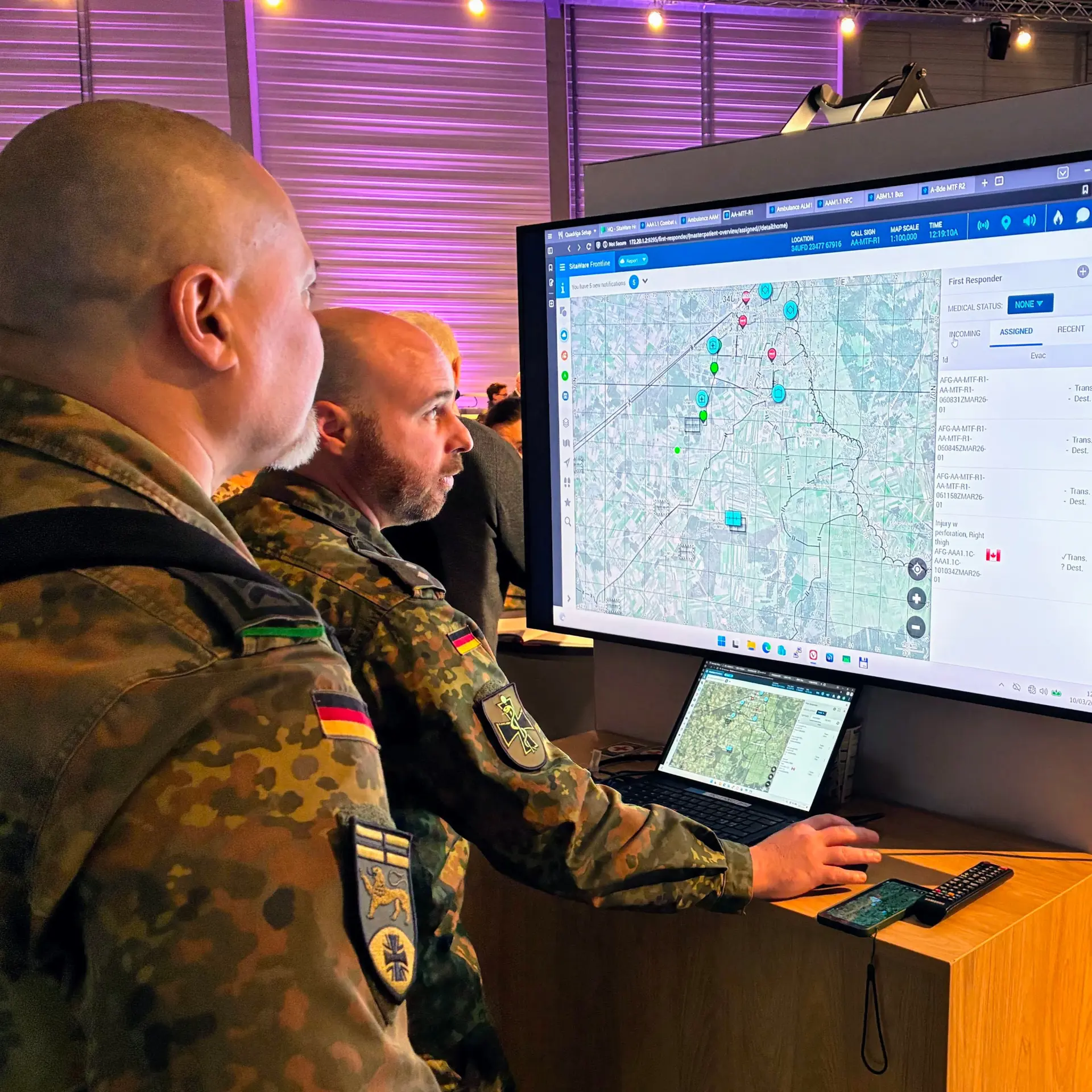
Showcased together with the German armed forces
At the exercise, the system was presented jointly with the German Armed Forces Medical Command. Battlefield Health works as an add-on to the SitaWare system that the German armed forces already use today, meaning that health data can automatically become part of the overall picture of a military operation.
In 2025, the German armed forces purchased an enterprise licence giving access to deploy elements of the system across the entire organisation.
The war in Ukraine has changed the need
According to Systematic, the war in Ukraine has changed the conditions for how wounded soldiers are treated. Widespread use of drones means that casualties cannot always be evacuated immediately but may need to be treated in the field for longer periods. This makes it even more important that all treatments are documented digitally and can be shared with the next link in the chain.
Several NATO countries are closely following the German development, according to Systematic.
Corporate news
 Ukrainian combat medics give feedback on Danish system for wounded soldiers50 combat medics from the Ukrainian front line visited Danish software company Systematic in Aarhus this week to see and provide feedback on a Danish-built military medical system for wounded soldiers.Read more
 Danish software company conquers Nordic capitals in three yearsSystematic wins contract with Finnish libraries worth EUR 3.6 million as part of the company's goal to supply software solutions to the major libraries in Nordic capitals.Read more
 Systematic recruits another top-profile from the Danish Armed ForcesDefence organisations worldwide have invested massively in advanced software – but are still thinking in analogue terms. At Systematic, Susanne Kiholm Lund will strengthen customers' use of the technology so they get its full operational effect.Read more
 France begins SitaWare Headquarters deploymentThe French Army has just taken SitaWare into use – the same system that NATO's land forces are using - with units of the 3rd division pushing for full user certification.Read more
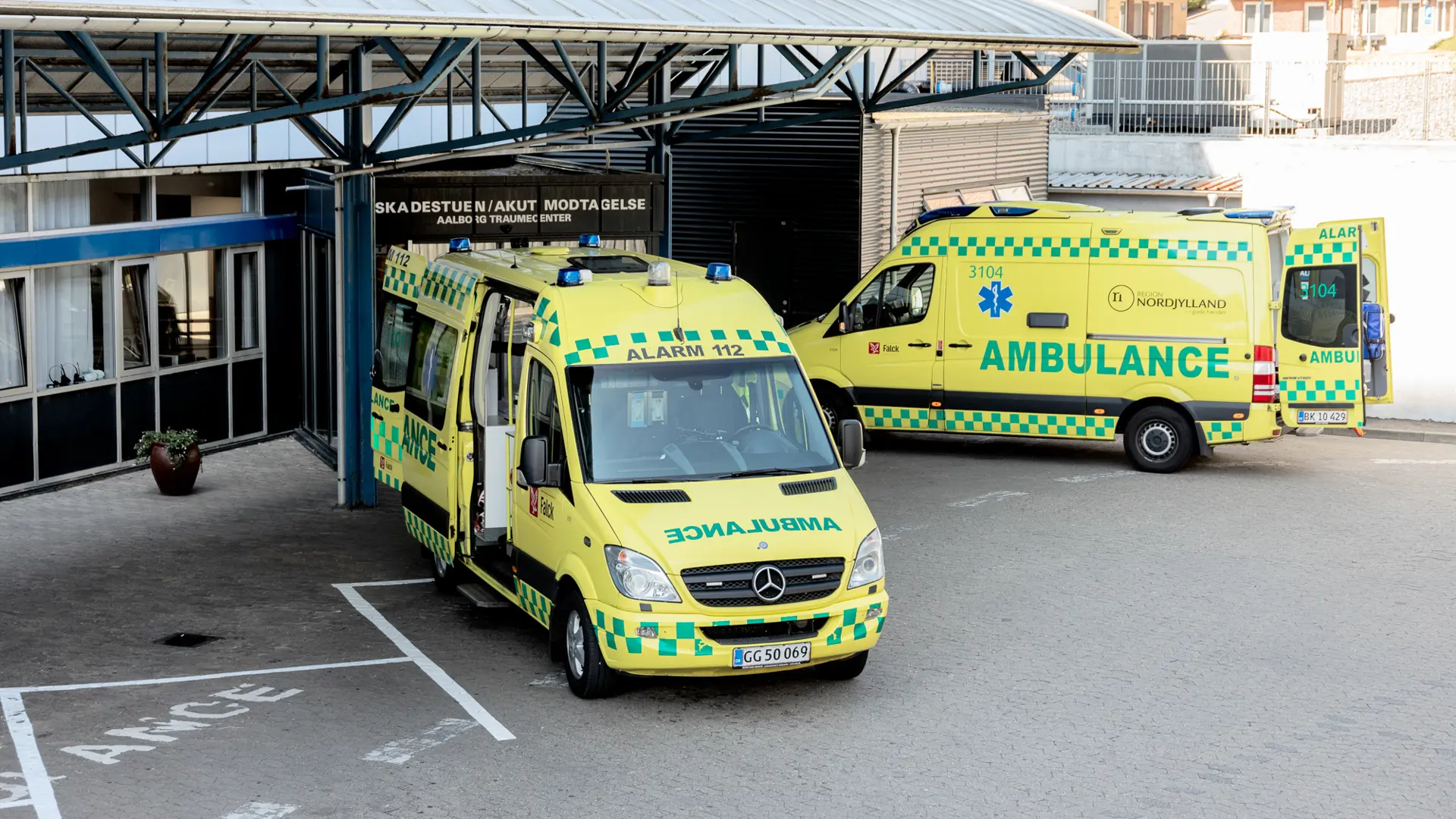 Mobile app improves working conditions in Danish emergency departmentA new Danish research project shows that a simple mobile app can significantly improve working conditions, communication, and task management in a hospital emergency department.Read more
 Systematic appoints experienced senior civil servant and adviser to its BoardFormer Permanent Secretary to strengthen Systematic’s strategic focus on defence, security and critical infrastructure.Read more
 Systematic doubles last year’s record profit: Defence software and AI driving growthThe Danish software company behind NATO’s operative backbone grows revenue to EUR 299.6 million and more than doubles profit.Read more
 Systematic recruits top-profile from the Danish Armed ForcesKlaus Qvist will be strengthening Systematic’s Nordic and Baltic business and support closer cooperation between defence and the rest of society.Read more