
Danish software company conquers Nordic capitals in three years
Systematic wins contract with Finnish libraries worth EUR 3.6 million as part of the company's goal to supply software solutions to the major libraries in Nordic capitals.
In 2022, Systematic set itself the goal of bringing its library solution, Cicero, to the major libraries in the Nordic region and Northern Europe. Cicero underpins Denmark's national library system and was therefore already in use in Copenhagen, Tórshavn and Nuuk.
Systematic had just secured a contract with Oslo, and attention was turned to Stockholm, Hamburg and Helsinki.
"It was quite ambitious. To break into new markets, we targeted the large, innovative libraries in the capitals. It was an advantage that we could demonstrate a library system that was widely adopted and working well across all of Denmark to prospective customers. Now, three years later, we have reached our first goal, and more libraries are steadily coming on board," says Jakob Ilum Damsgaard, Director of Systematic's Library division.
Strong demand for replacing ageing systems

In 2023, Oslo's 22 Deichman libraries went live with Cicero — an implementation in which nearly two million lending materials and 500,000 borrower profiles were migrated in a single night, without users noticing a thing. In October 2024, Systematic won a contract with Stockholm's City Library and its 40 branches, worth SEK 100 million. In parallel, Bücherhallen Hamburg, with 32 public libraries, chose to replace its 30-year-old system with Cicero.
Most recently, Systematic has signed a contract with the Helmet libraries in the Helsinki region, worth EUR 3.6 million — approximately DKK 27 million.
The agreement covers more than 60 library branches and over 1.2 million citizens.
With Helsinki, Systematic can tick off the major capital city libraries across the Nordic region.
Like many other large European city libraries, Helmet needs to replace an ageing system that has technically reached the end of its lifecycle. In a procurement process conducted as a competitive dialogue with four suppliers, the choice fell on Cicero.
"Helmet is one of the largest and most advanced library consortia in the world, and developing services for our customers is our top priority. We therefore use a range of technologies and processes that improve the availability and use of our collection. The choice of Systematic as the supplier of our new library system stems from a desire to invest in data security and the protection of our customers' privacy," says Virva Hiiri, Director of Library Network Services at Helsinki City Library.
European development and security in focus

The new solution makes it possible to integrate more closely with national data infrastructure. According to Virva Hiiri, Helmet will become the first library consortium in Finland to connect Cicero to the national Population Information System, so that users' addresses are updated automatically when they move.
Across European countries, there is a growing focus on data security and digital sovereignty when procuring solutions for critical public infrastructure. According to Jakob Ilum Damsgaard, this also plays a role when libraries choose a new system.
"Libraries handle data on millions of citizens. It matters where that data resides and who has access to it. Cicero is a European-developed and hosted solution with a high level of information security, and customers are placing increasing value on that," says Jakob Ilum Damsgaard.
Systematic, which also supplies defence software to NATO and electronic patient record systems to Danish hospitals, holds CMMI Level 5 appraisal and ISO 27001 certification.
Shared development across libraries
A key part of the explanation for Cicero's success is that the system has been developed as a shared solution, in close collaboration with librarians. When one library has a new feature developed, it is typically made available to all other customers.

"This means that the libraries in Helsinki can benefit from the experiences and developments that have taken place in Copenhagen, Hamburg, Oslo and Stockholm. And vice versa. It is a digital community that is continuously being expanded," explains Jakob Ilum Damsgaard.
The system currently handles more than 12 million unique users per year and approximately seven million loans daily.
With contracts in several Nordic capitals, Systematic is now turning its attention to the rest of North-Western Europe. In Germany, the company sees a market where several large libraries need to replace ageing systems.
"We have proved that the Danish model can scale. Now it is about taking the next step and expanding Cicero further across North-Western Europe," says Jakob Ilum Damsgaard.
Systematic's library solution Cicero
Developed in 2015 in collaboration with Danish municipalities and KOMBIT, who wanted a shared digital solution for all of the country's public and school libraries.
Denmark is one of the few countries in the world with a shared national library solution.
Handles more than 12 million unique users annually.
Delivered as software-as-a-service with continuous updates.
Approximately 100 Norwegian municipalities and 500 Swedish school libraries are connected to Cicero
The Helmet libraries
The Helmet libraries are a consortia of the libraries in the Helsinki region, comprising the municipalities of Espoo, Kauniainen, Helsinki and Vantaa.
It’s one of the largest library networks in the Nordic region, with more than 60 library branches.
Serves over 1.2 million citizens.
Corporate news
 Systematic recruits another top-profile from the Danish Armed ForcesDefence organisations worldwide have invested massively in advanced software – but are still thinking in analogue terms. At Systematic, Susanne Kiholm Lund will strengthen customers' use of the technology so they get its full operational effect.Read more
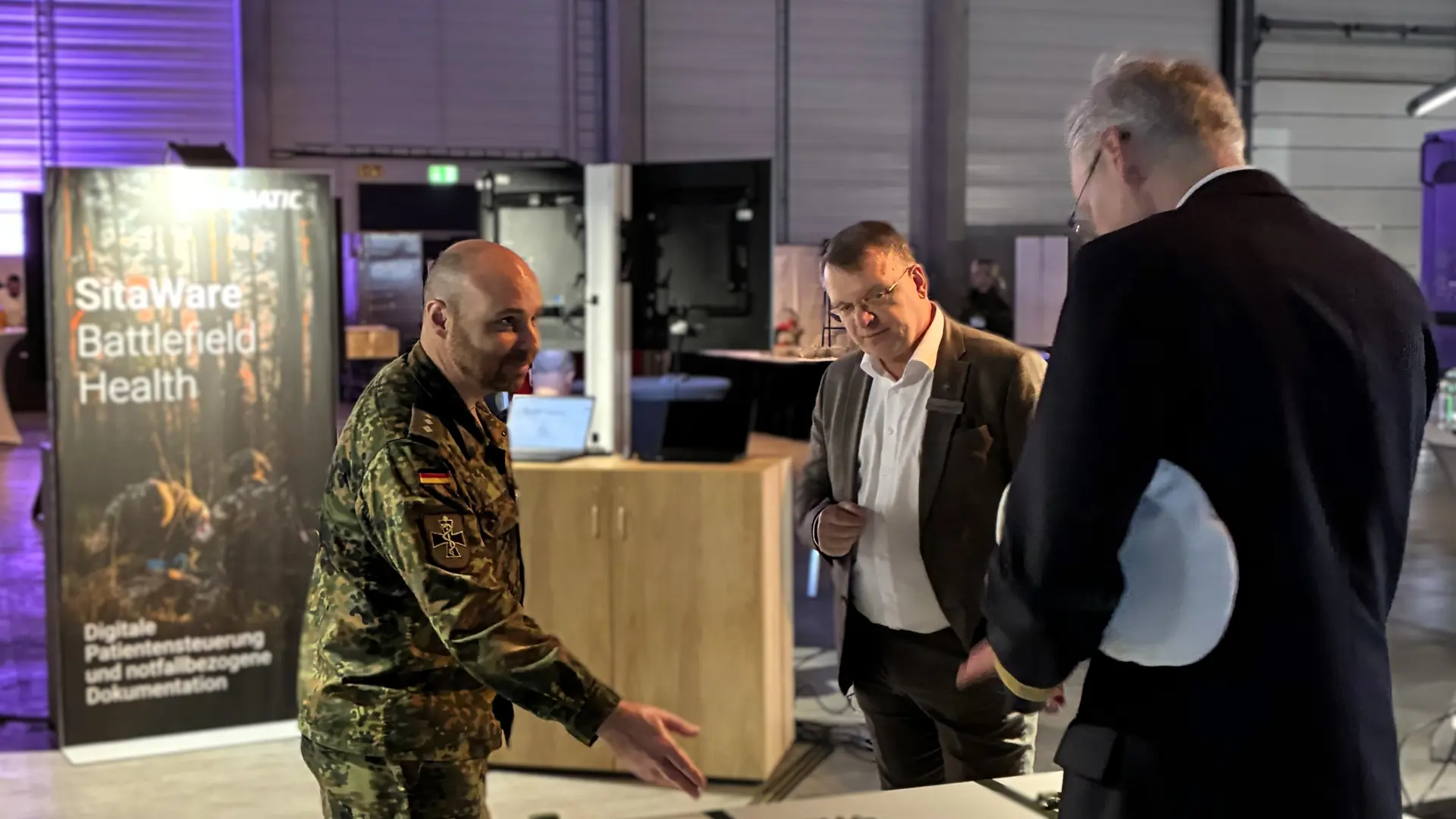 Danish healthcare system for wounded soldiers showcased at major NATO exerciseWhen the German armed forces this spring exercised the transport of wounded soldiers from Lithuania to Germany, a Danish-developed IT system was presented for the first time as the system that will digitalise the handling of casualties going forward. The exercise made abundantly clear why it is needed.Read more
 France begins SitaWare Headquarters deploymentThe French Army has just taken SitaWare into use – the same system that NATO's land forces are using - with units of the 3rd division pushing for full user certification.Read more
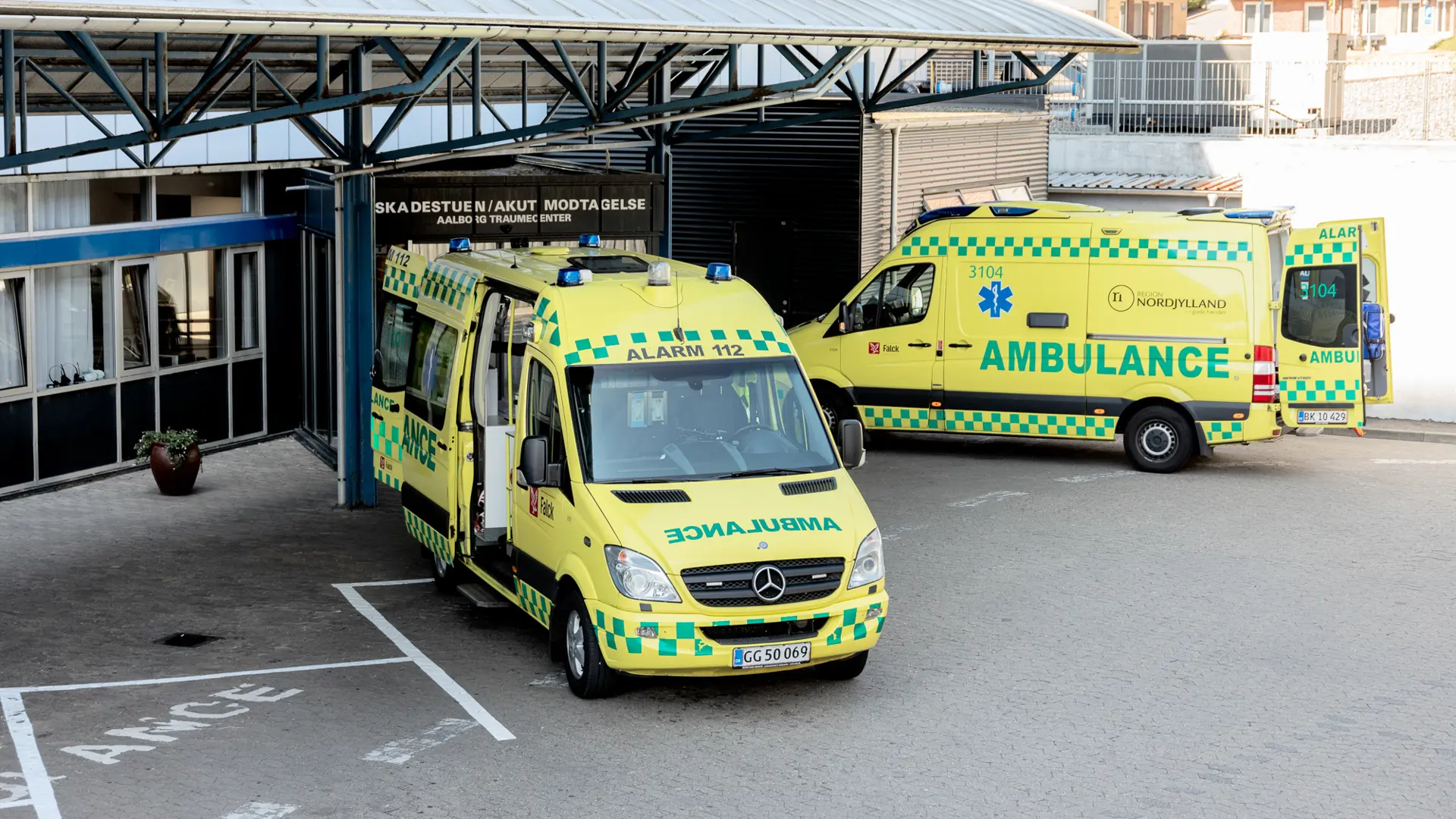 Mobile app improves working conditions in Danish emergency departmentA new Danish research project shows that a simple mobile app can significantly improve working conditions, communication, and task management in a hospital emergency department.Read more
 Systematic appoints experienced senior civil servant and adviser to its BoardFormer Permanent Secretary to strengthen Systematic’s strategic focus on defence, security and critical infrastructure.Read more
 Systematic doubles last year’s record profit: Defence software and AI driving growthThe Danish software company behind NATO’s operative backbone grows revenue to EUR 299.6 million and more than doubles profit.Read more
 Systematic recruits top-profile from the Danish Armed ForcesKlaus Qvist will be strengthening Systematic’s Nordic and Baltic business and support closer cooperation between defence and the rest of society.Read more
 From battlefield to power stations: Systematic strengthens focus on national security and critical infrastructure with new business unitThe Danish software company is transferring defence technology to civilian use and has established a new business unit, National Security & Infrastructure (NSI), dedicated to protecting society’s vital systems against hybrid threats. The first IT solution is now ready to go.Read more