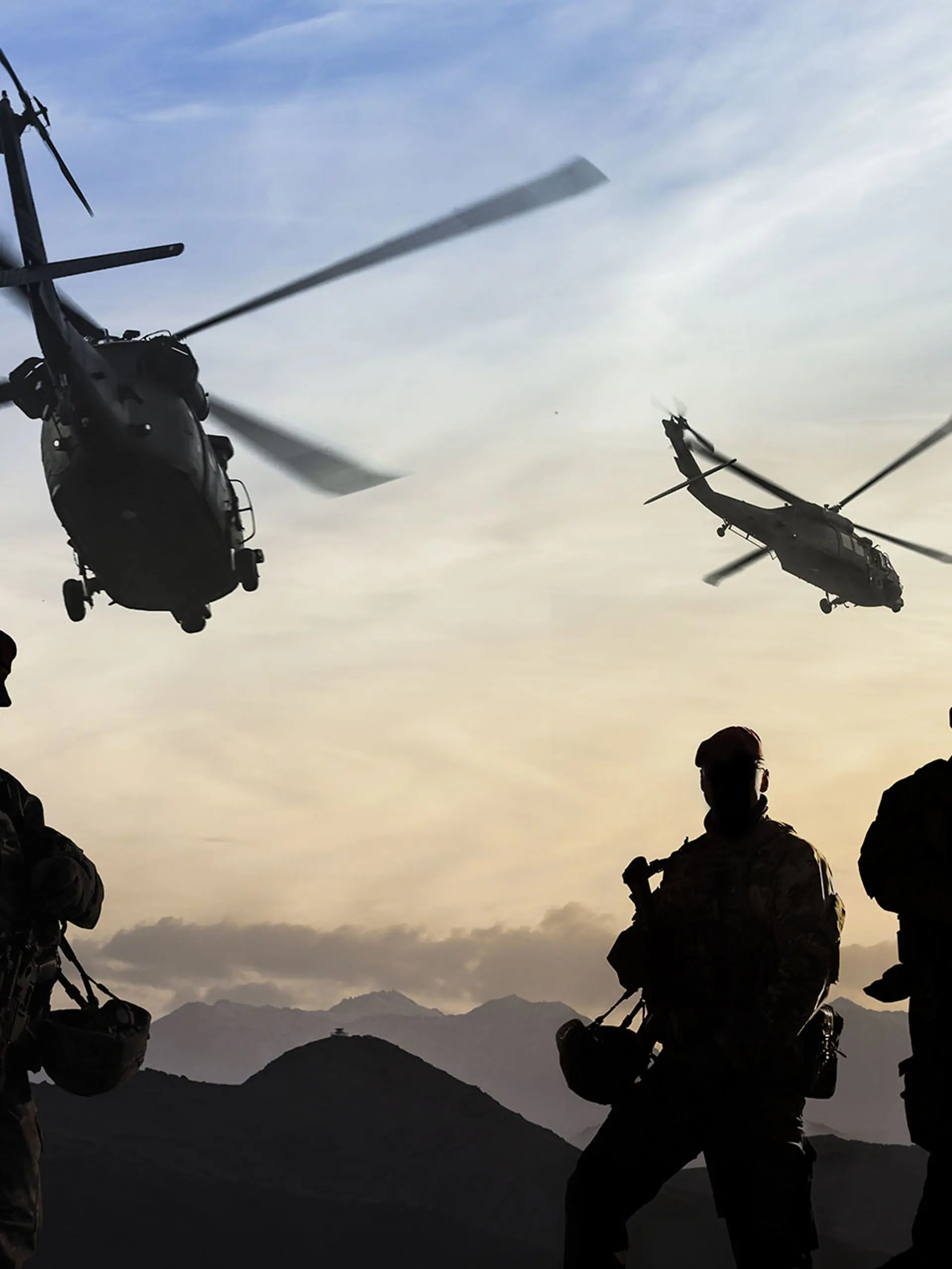
From headquarters to the tactical edge: why true interoperability cannot stop at the top
Connecting headquarters is not enough, real interoperability must reach the soldier in the field.
This blog post is written by Ros Gammon, Director of Customer Operations for Systematic Inc.
After three decades in the U.S. Army which included leading soldiers in Iraq and commanding a brigade through coalition operations in Kosovo, I have come to one firm conclusion about interoperability. The version most organizations aspire to is not the version that actually wins fights.
We talk about interoperability as though connecting systems at the corps and division level is the prize. It is not. The prize is being able to link a U.S. battalion commander to a Polish company commander directly, in the field, without routing through a higher headquarters that may be out of range, degraded, or simply too slow.
The technology to do this exists. What has lagged behind is the architecture to deliver it consistently across echelons, across nations, and across the contested radio environments that define modern peer conflict.
The interoperability gap we rarely admit
For years, NATO has measured progress on interoperability by how well data flows between senior headquarters. That is a useful metric, but it masks the problem that actually costs lives. The closer you get to the tactical edge, the more the connections break down.

A brigade commander can typically share situational awareness with allied formations at the same level. Ask them to push that same picture to a company or platoon, or to receive targeting data from an allied battalion two kilometers away, and the architecture often fails.
This is not a doctrine failure. It is a system design failure. Many C2 platforms have been built with the assumption that interoperability is a senior-headquarters concern, and that the tactical edge will manage through voice radio and liaison officers. In Ukraine, in every major NATO exercise, and in the peer threat scenarios we now plan against, that assumption no longer holds.
What commanders need is a system that treats cross-echelon interoperability as a first-order design requirement, not an afterthought.
Connectivity is not the same as shared understanding
There is a tendency in defense procurement to equate interoperability with connectivity, to assume that if two systems can exchange a data packet, they are interoperable. That is not always true.
What matters is whether the data that crosses the link is rich enough to produce shared understanding. A track that says “friendly vehicle, grid reference” is marginally better than no track at all. A track that carries unit identity, mission status, speed, and bearing is what commanders actually use to make decisions.
The NATO standards that govern tactical data exchange, such as Multilateral Interoperability Programme (MIP), NATO Friendly Force Information (NFFI), and NATO Vector Graphics (NVG), exist precisely to ensure that richness is preserved when data crosses national or system boundaries.
When those standards are implemented well, an allied unit’s track is as useful to a commander as one from their own formation. When they are implemented poorly, commanders instinctively distrust the data and revert to voice, which is slower, more error-prone, and exactly what the adversary wants. Defense organizations need to hold vendors accountable not just for the fact of a connection but for the quality of what moves across it.
Hardware agnosticism is an operational requirement

There is a tendency in defense procurement to equate interoperability with connectivity, to assume that if two systems can exchange a data packet, they are interoperable. That is not always true.
Anyone who has served at the tactical edge knows that the radio network on exercise and the radio network in a degraded, denied, intermittent, and limited (DDIL) environment are different beasts. Adversaries are actively working to ensure that your preferred bearer network is unavailable at the moment you need it most. A C2 system optimized for a specific communications architecture becomes a liability the moment that architecture is contested.
What commanders need is a system that can move data over whatever network is available, whether legacy HF radio, tactical UHF, or commercial satellite, and make that routing decision automatically without requiring the operator to manage the bearer network on top of managing the fight.
Equally important, the system must be bandwidth-efficient by design. Systems architected for a fixed headquarters and then adapted for the tactical edge almost always carry too much overhead. The right approach is to design for constrained environments from the start.
What I would tell a program manager today
The honest case for mature commercial C2 systems is practical rather than ideological. A platform that has been battle-tested across more than 50 countries and 200-plus exercises over several decades arrives with a proven interoperability record that a bespoke development program cannot replicate.
When two nations operate the same platform, or platforms pre-certified to exchange data with each other, the friction cost of establishing interoperability drops sharply. That matters most in the opening hours of a crisis, when the ability to share a common operating picture quickly can be the difference between effective coalition action and parallel national operations that happen to occupy the same geography.
Based on what I saw in Iraq and Kosovo, here is where I would focus any C2 modernization effort:
Test interoperability at the lowest echelon, not just the highest. The corps-to-corps link will probably work. The harder question is whether your battalion can talk directly to an allied company.
Demand data richness, not just connectivity. MIP, NFFI, and NVG compliance are a floor, not a ceiling. Understand what level of track fidelity your commanders actually need to make decisions, and hold vendors to that standard.
Plan for DDIL from day one. Any system that assumes reliable high-bandwidth communications is not designed for the threat environment we face. Ask specifically how the system performs when the majority of the network is unavailable.
Value operational track record over feature lists. A system used in real coalition operations, with real spectrum constraints, has been stress-tested in ways a demonstration environment never can be.
The technology to give every echelon a shared, interoperable, resilient common operating picture is available now. The question is whether acquisition programs are structured to demand it. After 32 years in uniform, I have seen the cost of getting that question wrong. It is worth getting right.
Explore more blogs
 Systematic launches new MCM module for SitaWare MaritimeSystematic has developed a new planning module for mine countermeasures (MCM) in SitaWare Maritime, transforming the ability to quickly task MCM vessels (MCMVs) and significantly enhancing situational awareness for navies.Read more
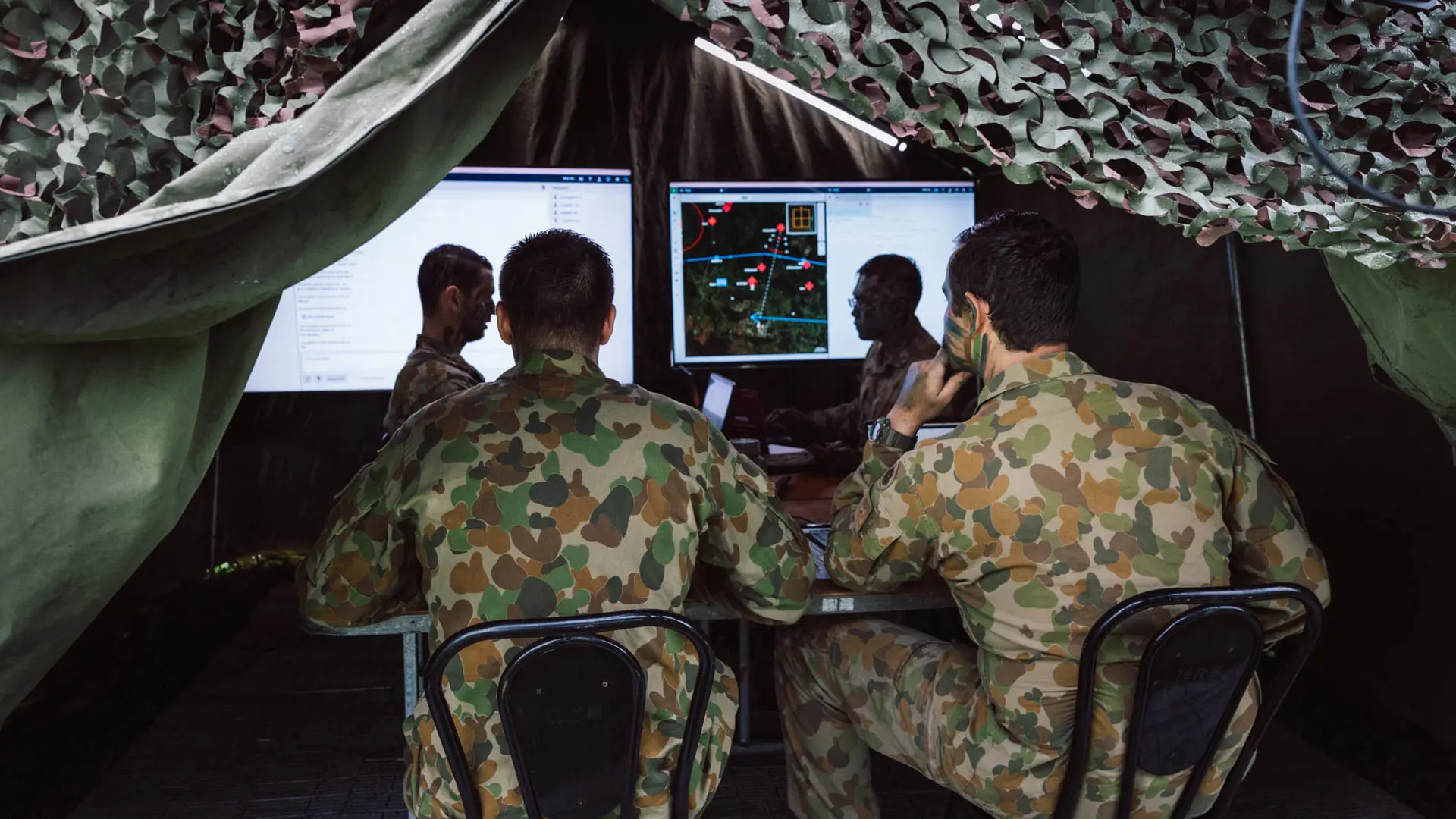 Next-level command briefings: How SitaWare’s new briefing tool transforms presentations for commandersNew updates to SitaWare Headquarters will transform military briefings for commanders, with presenters now able to deliver interactive briefings for their leaders directly from the Battle Management System (BMS).Read more
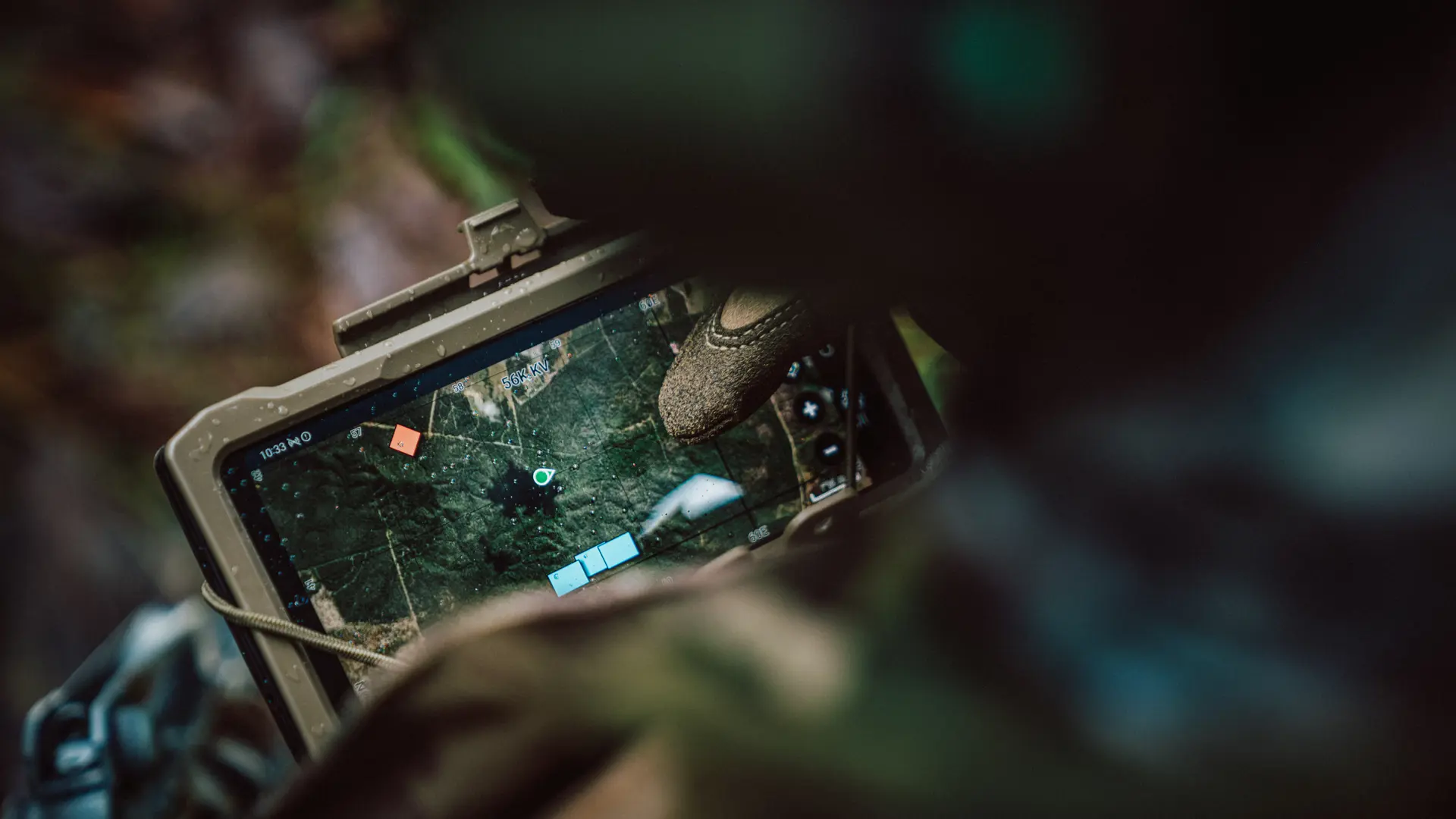 Closing the targeting loopModern targeting has to do three things: sit inside the C2 platform, connect every source of new targets to the staff workflow and give staff a clear view of the entire pipeline. The latest SitaWare release delivers all three, bringing target nomination to the point of observation and closing the loop between observer and command post.Read more
 How SitaWare is advancing agentic AIFrom data challenges to domain expertise, Systematic is building the agentic AI capabilities that tomorrow's militaries will depend onRead more
 Layered defence requires layered decision-makingWhy the counter-drone revolution is fundamentally a command and control problemRead more
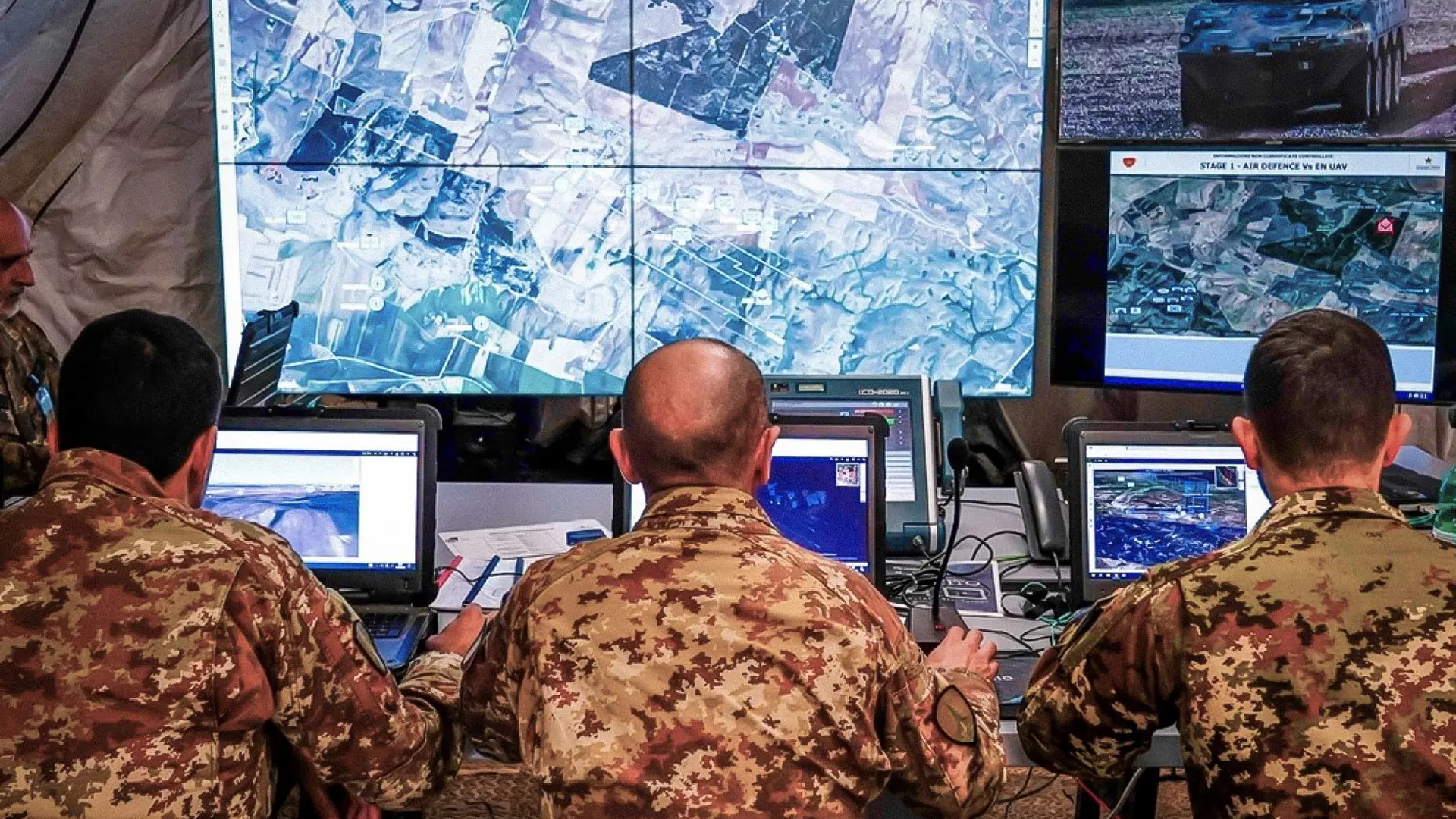 How much is C2 being transformed?Operation Epic Fury and the war in Ukraine offer four lessons about the future of command and control — but not all of them point in the same direction.Read more
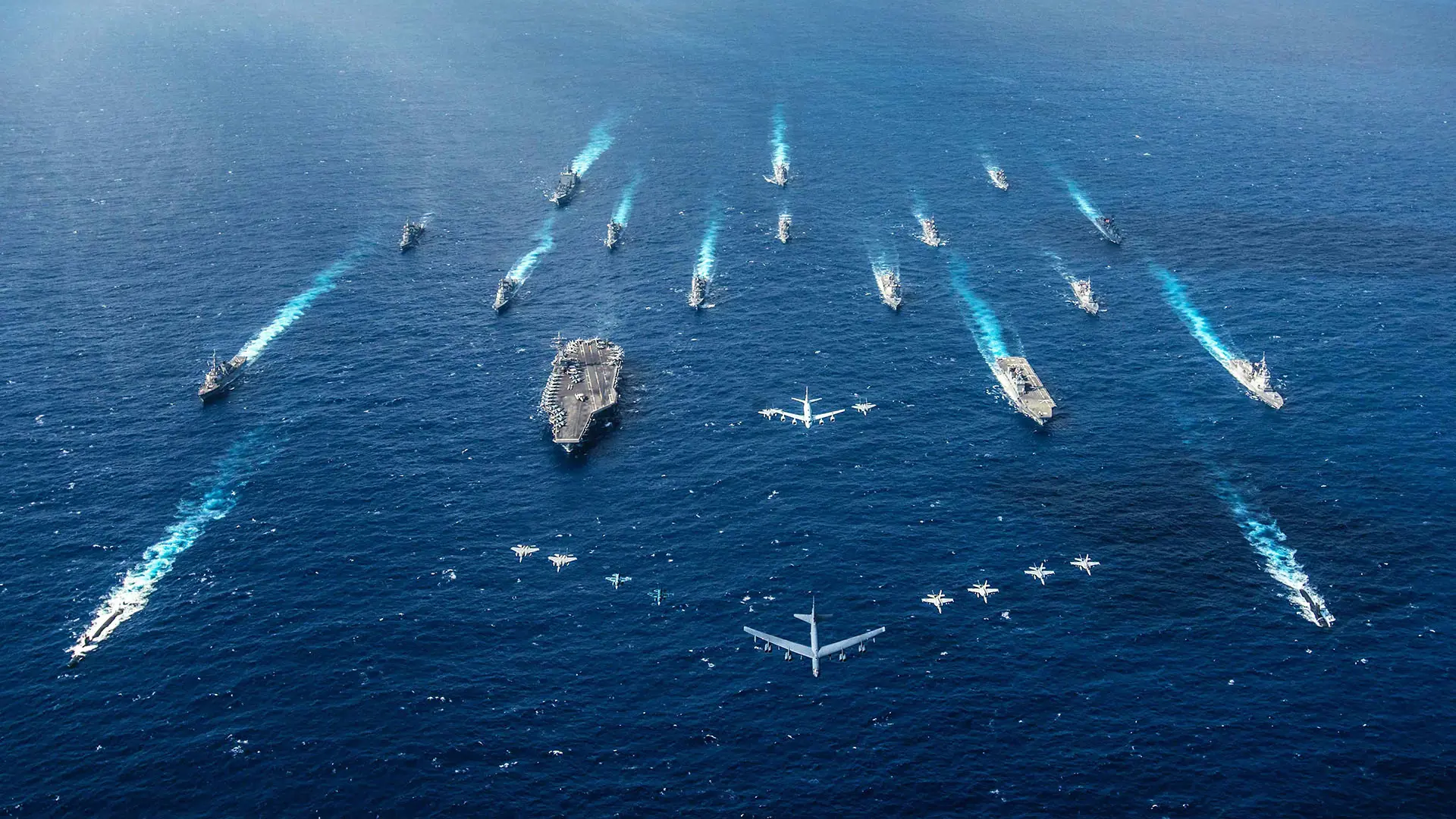 The Gulf’s Multi-Domain ChallengeThe conflict with Iran has shown that resilience in the Gulf no longer rests on mass, but on integration across military, civilian and commercial domains. Modern command and control must be multi-domain, interoperable and ready to operate across national boundaries from day one.Read more
 Customer first, always: How Systematic's mission-driven approach shapes command & controlSystematic founder Michael Holm shares why the best command and control systems are built around real user needs, operational experience, and true data sovereigntyRead more
Newsletter
Cannot see the form?
Your privacy or security settings may be blocking the form.