Systematic demonstrates sovereign data integration at NATO's Eastern Flank Deterrence Initiative Accelerator
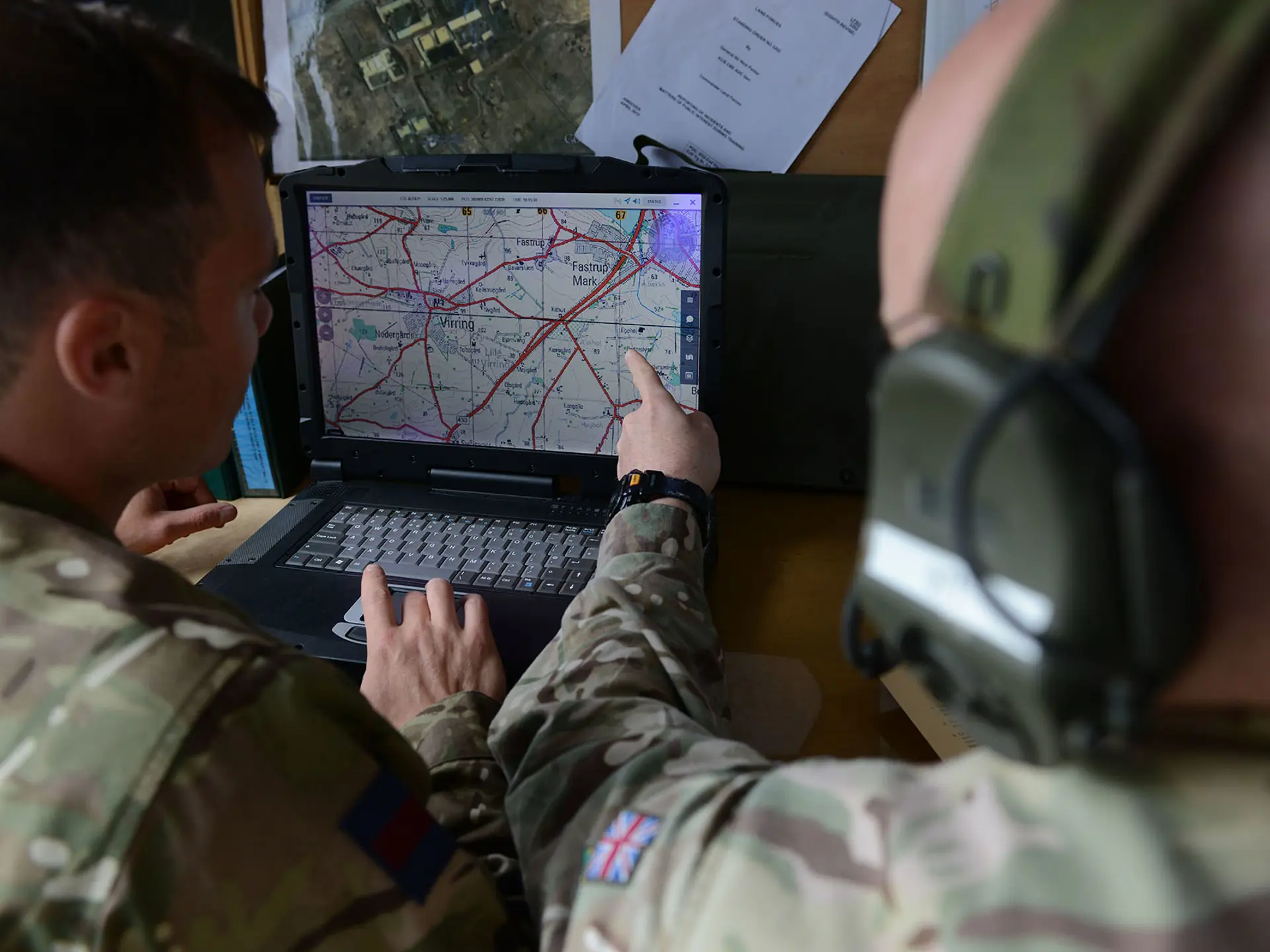
Systematic supported SitaWare software integration efforts during EFDI Accelerator 2.0, a two-week NATO interoperability exercise held at the Dorset Innovation Lab in the UK from 14 to 24 September 2026.
The exercise tested how sixty vendors could connect their products to the Eastern Flank Deterrence Initiative (EFDI) Data Backbone, a coalition data-sharing architecture built by United States Army Europe and Africa (USAREUR-AF). EFDI reflects a deliberate shift in NATO's eastern flank posture, moving away from a model where forces have the luxury of time to plan and integrate, and toward one where readiness has to exist within minutes of the detection of a threat. The concept is designed to let sensors, effectors and uncrewed systems from multiple allied nations operate as a single coordinated force along NATO's eastern flank.
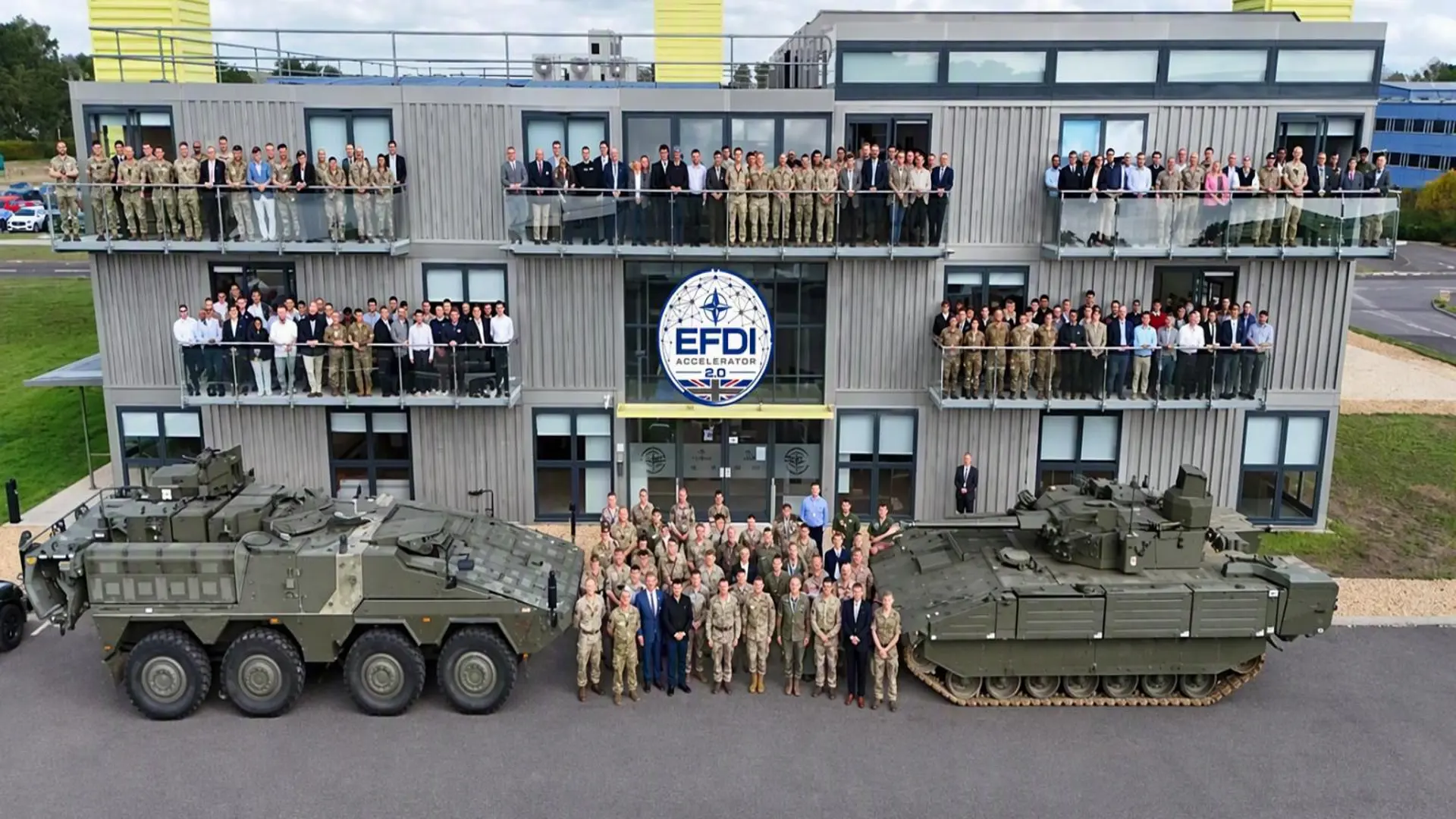
Vendors were grouped according to their core capability area: Sense, Decide, Effect, Network and Logistics. Systematic took part as part of the Decide group, working alongside Brian Stephens, Vice President of Technology at Systematic Inc., and Florin Preda, Senior Solutions Engineer at Systematic, who led the technical integration effort over the course of the exercise.
Building a secure path into the coalition data backbone
A central challenge of the exercise was enabling SitaWare software to consume live data from the EFDI Backbone quickly, securely, and without reliance on prebuilt infrastructure. With no existing connector available, Brian Stephens and William Lund, Solutions Engineer at Systematic Inc., built a bespoke gateway into SitaWare on the spot, moving data to and from the Backbone using a publish/subscribe model and giving SitaWare users access to a wide range of coalition data feeds in a matter of days regardless of format.
"This is exactly the kind of challenge our engineers and software are built for," said Brian Stephens, Vice President of Technology at Systematic Inc. "There was no off-the-shelf way to connect SitaWare software to this Backbone, so we were able to build one on site using the SitaWare SDK in real time, so our users were not left waiting. That's the value of having extensible software and engineers who understand both the technology and the operational environment."
Translating between coalition standards
Data on the Backbone arrived from different vendors in many formats, but the Systematic team found that genuine interoperability depended on translating between established coalition standards, including OTH-Gold (Over-The-Horizon Gold), Automatic Dependent Surveillance–Broadcast (ADS-B), Automatic Identification System (AIS) and Cursor on Target (CoT). In one case, radar track data reached SitaWare only after another vendor on the network translated it into CoT, a reminder that effective coalition data sharing still depends on vendors aligning to common standards rather than relying on bespoke point-to-point connections.
"What this exercise showed is that a shared backbone alone doesn't guarantee interoperability," said Florin Preda, Senior Solutions Engineer at Systematic. "Without a single defined standard across every vendor, the heavy lifting still happens in the translation layer. Our gateway did that work for SitaWare, and that's the model we think the wider EFDI community should get behind as this program matures."
A foundation for future exercises
By the end of the two-week exercise, Systematic had demonstrated the ability to integrate the majority of the data types available on the Backbone, and SitaWare's performance was recognized by both US and UK stakeholders during the exercise's Distinguished Visitor (DV) Day briefings.
The EFDI Backbone, which operates on a technology stack known as Geo-Distributed Open Architecture Transformation (GOAT), is expected to feature at further coalition exercises, including DiBaX Latvia, Coalition Warrior Interoperability eXercise (CWIX) 27, and STEADFAST DEFENDER. NATO member nations are expected to build their own national instances of the Backbone, enabling scenarios such as a UK sensor in Estonia or a Canadian sensor in Lithuania contributing to a shared coalition picture.
"This was the first time vendors had connected into the EFDI Backbone, and there's a clear appetite from the user to keep building on it," said Stephens. "We're already thinking about what a standardized version of our gateway would look like, so that any SitaWare nation joining a future EFDI exercise can connect in the same way."
Systematic will continue to support national EFDI efforts as the program expands toward higher classification environments and contested electromagnetic conditions in future iterations.
Newsletter
Cannot see the form?
Your privacy or security settings may be blocking the form.
Explore more blogs
 Janes looks at SitaWare Maritime’s new mine warfare and submarine planning toolsJanes Defence Weekly has published an in-depth look at the latest SitaWare Maritime update, which adds mine countermeasures planning to the system’s existing waterspace management capabilitiesRead more
 Systematic launches new MCM module for SitaWare MaritimeSystematic has developed a new planning module for mine countermeasures (MCM) in SitaWare Maritime, transforming the ability to quickly task MCM vessels (MCMVs) and significantly enhancing situational awareness for navies.Read more
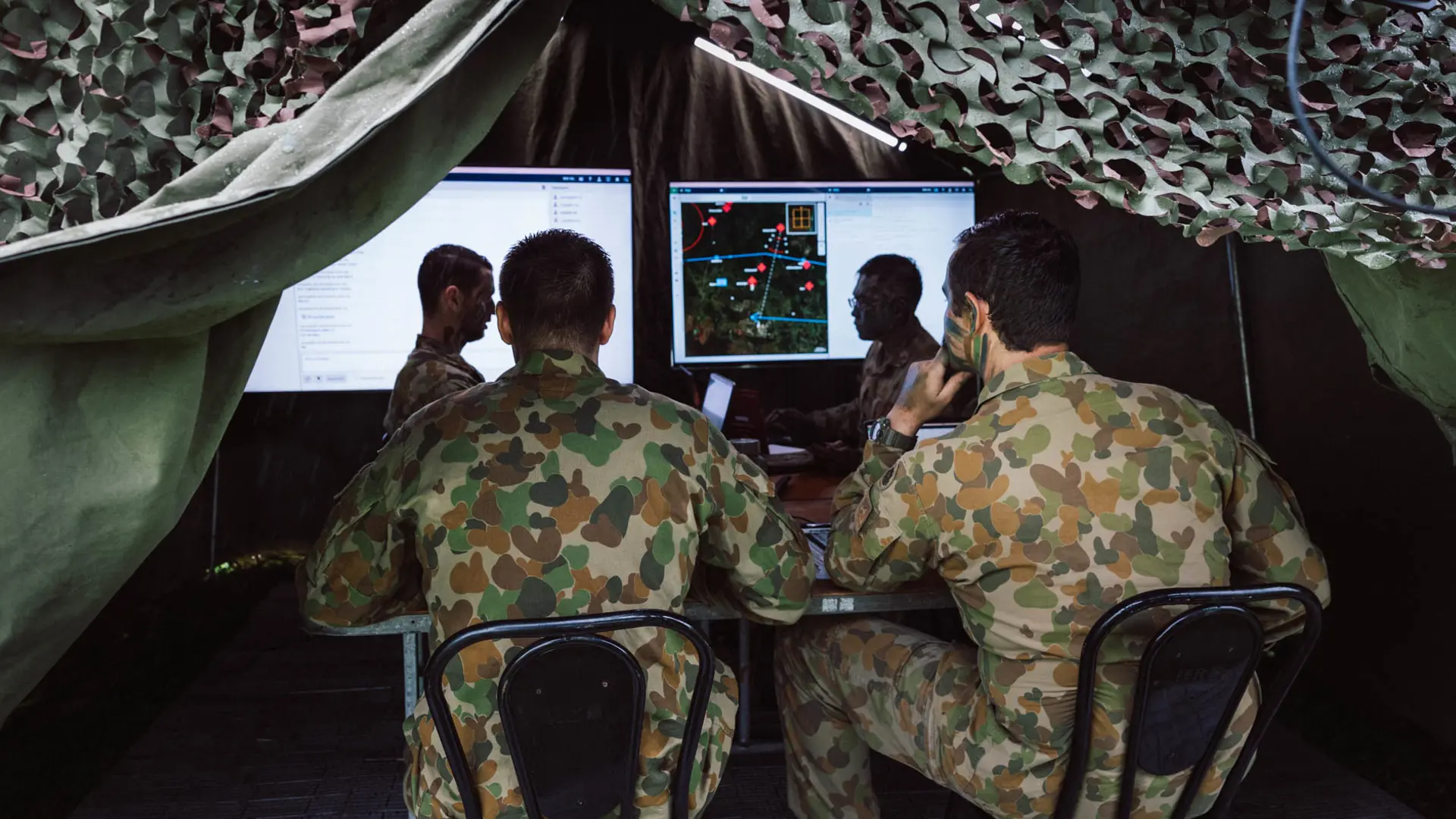 Next-level command briefings: How SitaWare’s new briefing tool transforms presentations for commandersNew updates to SitaWare Headquarters will transform military briefings for commanders, with presenters now able to deliver interactive briefings for their leaders directly from the Battle Management System (BMS).Read more
 Closing the targeting loopModern targeting has to do three things: sit inside the C2 platform, connect every source of new targets to the staff workflow and give staff a clear view of the entire pipeline. The latest SitaWare release delivers all three, bringing target nomination to the point of observation and closing the loop between observer and command post.Read more
 How SitaWare is advancing agentic AIFrom data challenges to domain expertise, Systematic is building the agentic AI capabilities that tomorrow's militaries will depend onRead more
 Layered defence requires layered decision-makingWhy the counter-drone revolution is fundamentally a command and control problemRead more
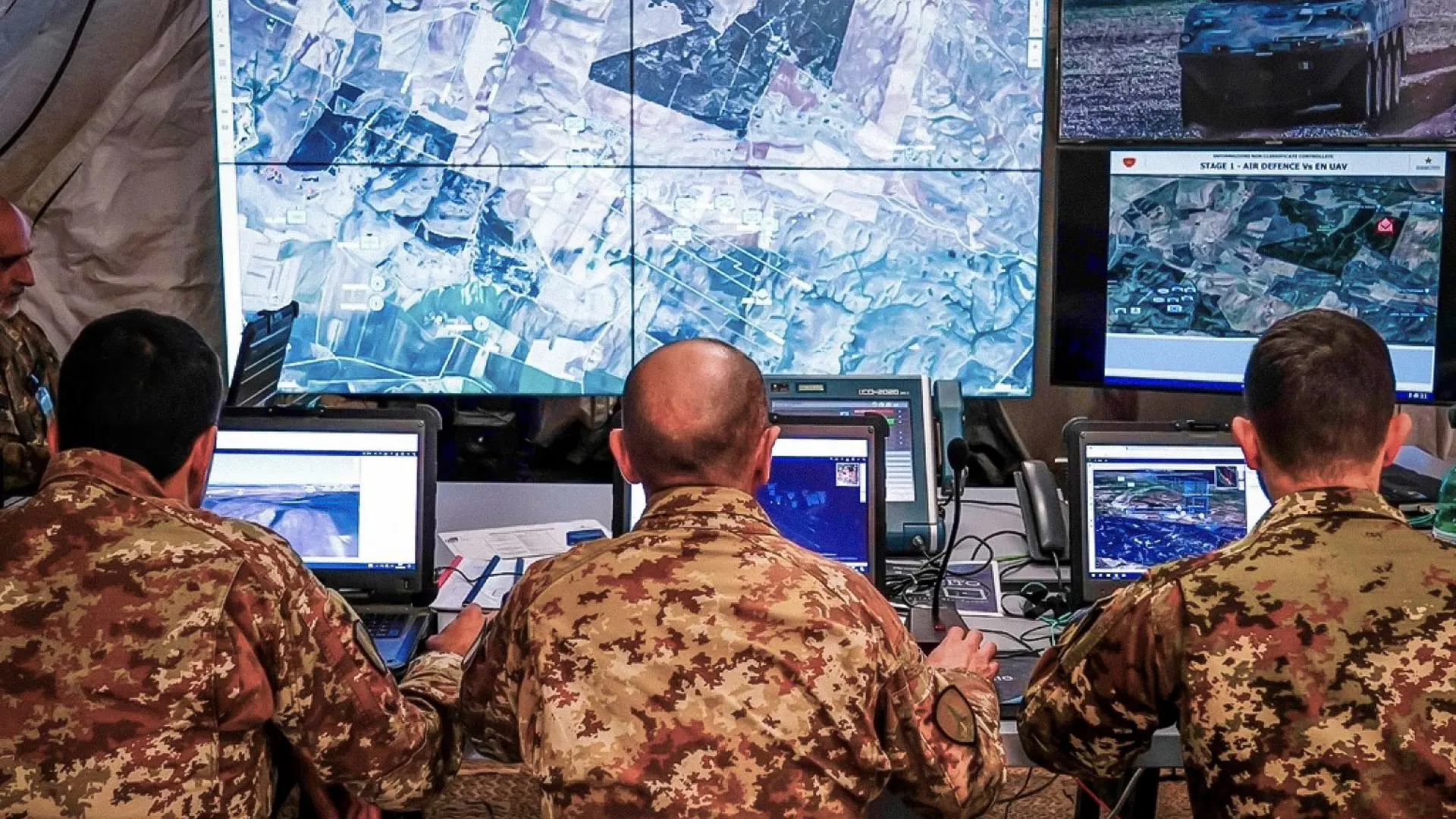 How much is C2 being transformed?Operation Epic Fury and the war in Ukraine offer four lessons about the future of command and control — but not all of them point in the same direction.Read more
 The Gulf’s Multi-Domain ChallengeThe conflict with Iran has shown that resilience in the Gulf no longer rests on mass, but on integration across military, civilian and commercial domains. Modern command and control must be multi-domain, interoperable and ready to operate across national boundaries from day one.Read more