
When the partner fails: digital resilience as a requirement of national and alliance defense
National and alliance defense places new demands on armed forces and industry alike. Ammunition stocks, equipment, logistics and sustainment are rightly at the center of the war-readiness debate. What has largely been left unasked is the question of digital resilience. What happens to the systems that armed forces depend on for command, situational awareness and communication when the industry partner itself comes under pressure?
This is not a hypothetical consideration. NATO nations are already planning for scenarios in which allied nations and industrial sites are attacked. Software follows different rules than weapons and vehicles: it cannot be stockpiled. It requires continuous development, active service presence and the ability of the partner to deliver updates and operational support regardless of the security situation at any given company location. Those who fail to account for this are procuring capabilities that will prove fragile when it matters most.
This opinion piece was first published on Hartpunkt.de. It was written by Sven Trusch, Managing Director of Systematic's German subsidiary.
A shared ecosystem, not a one-sided supply contract
With the Mission Enabling Service Bundeswehr (MESBw) for example, the German Bundeswehr is building a cross-domain software ecosystem. Command and control systems are not procured as isolated products within this framework, but as integral components of a networked architecture. Industry partners become part of this ecosystem, not suppliers on the periphery.
This fundamentally changes the logic. Those who enter this ecosystem as partners today are the partners the Bundeswehr will rely on in a crisis. These decisions are being made now. And they require criteria that go beyond conventional procurement.
Benchmarks for resilient partnerships
Can the partner sustain capability development and operational support if one site is lost? Resilient partnerships require that individual dependencies do not become strategic vulnerabilities.
Equally critical is the question of data sovereignty. Does operational data remain under the authority of the user nation, even as the geopolitical situation shifts? Independence from extraterritorial access claims is not a compliance issue. It is an operational prerequisite for command capability in national and alliance defense.
Finally: is the partner prepared not merely to deliver from the outside, but to think from within? Integration into national programs, direct dialogue with users, response to operational experience in weeks rather than product cycles. This also means building know-how across the entire ecosystem, among users, operators and partners, so that competence resides where it will be needed in a crisis. That is what distinguishes a supplier from a partner.
European sovereignty as a resilience question
Digital sovereignty is often discussed as a political demand. In the context of national and alliance defense, it is an operational one. Binding command capability to partners whose legal frameworks lie outside European control (the CLOUD Act being the obvious reference point) creates precisely the dependency that warfighting readiness must exclude. Sovereignty here does not mean isolation. It means the assurance that digital command can be sustained within European and alliance-embedded structures, even under pressure. Multinational operations in particular require systems that guarantee interoperability and national data authority simultaneously. Sacrificing one for the other means losing both.
An organizational principle, not a company profile
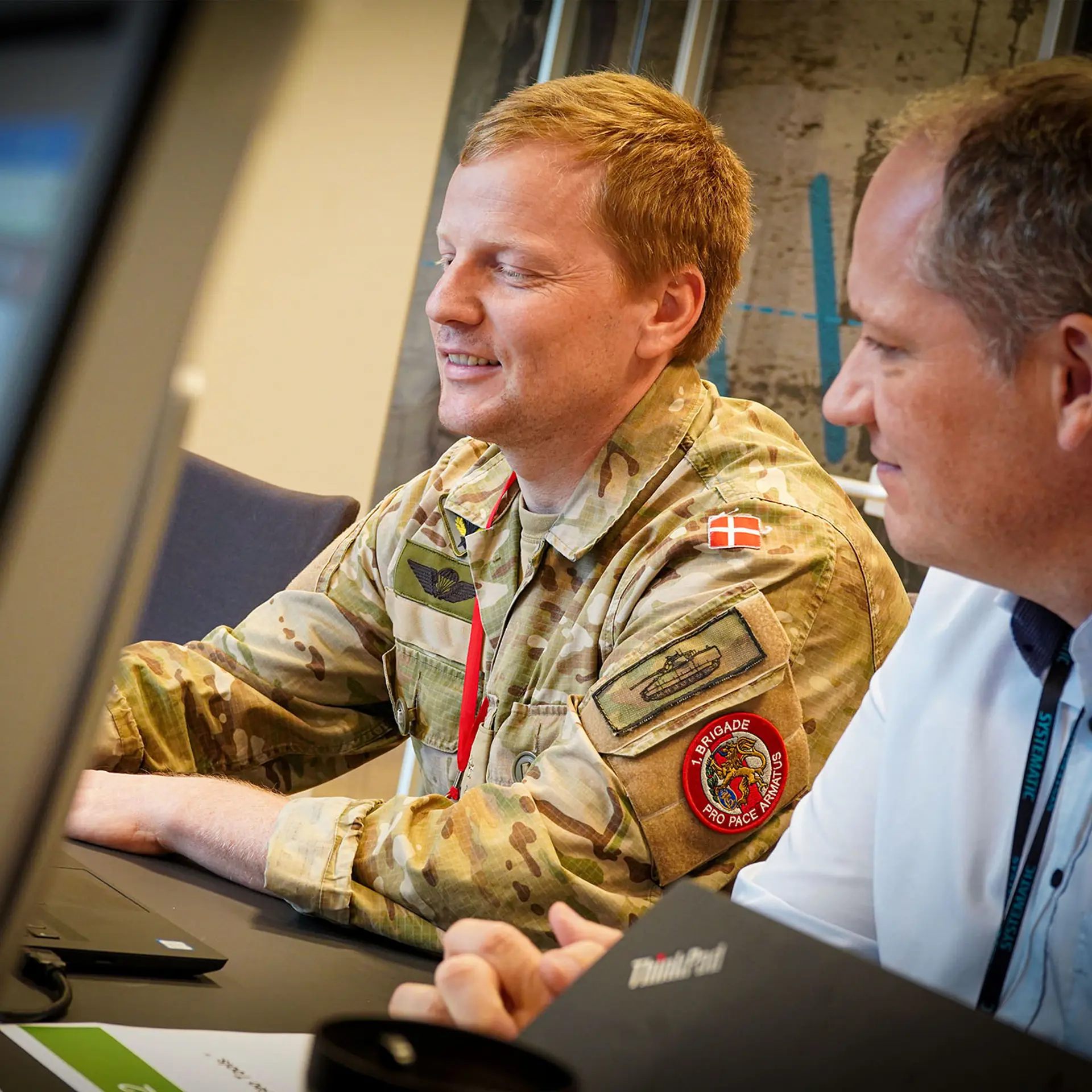
Systematic develops capabilities and operates sites worldwide, not in reaction to current geopolitical debates, but as a consequence of four decades of multinational operational experience. The SitaWare C4ISR Suite is in operational use in over 50 nations and at NATO. The requirements of these users have shaped the company's structure: redundant development centers, local teams, local accountability.
This is not about where a company is headquartered. The relevant criterion is where its capability is anchored when it counts.
From procurement to joint development
Taking national and alliance defense seriously means applying the same requirements to the digital industrial base as to the physical one: sustainment, redundancy, alliance integration. Several NATO nations are already moving from a transactional procurement model towards deeper partnership with industry: capabilities are no longer merely purchased, but jointly developed, tested and evolved. For Germany, which is building a unified software ecosystem across all domains through MESBw, this step is not optional. The question is not whether the digital industrial base must be resilient, but whether the partnerships in place meet that standard.
Explore more blogs
 Systematic launches new MCM module for SitaWare MaritimeSystematic has developed a new planning module for mine countermeasures (MCM) in SitaWare Maritime, transforming the ability to quickly task MCM vessels (MCMVs) and significantly enhancing situational awareness for navies.Read more
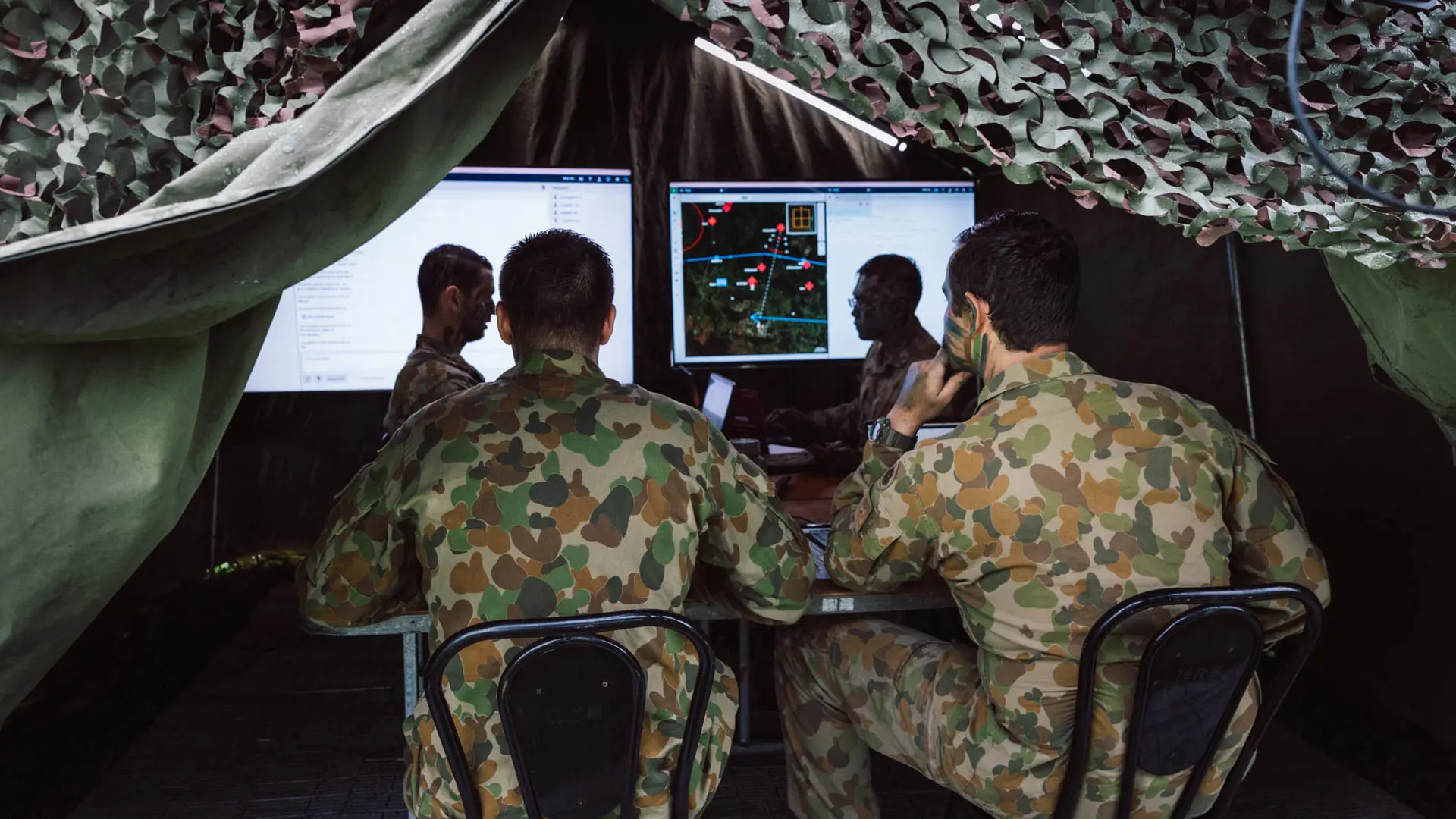 Next-level command briefings: How SitaWare’s new briefing tool transforms presentations for commandersNew updates to SitaWare Headquarters will transform military briefings for commanders, with presenters now able to deliver interactive briefings for their leaders directly from the Battle Management System (BMS).Read more
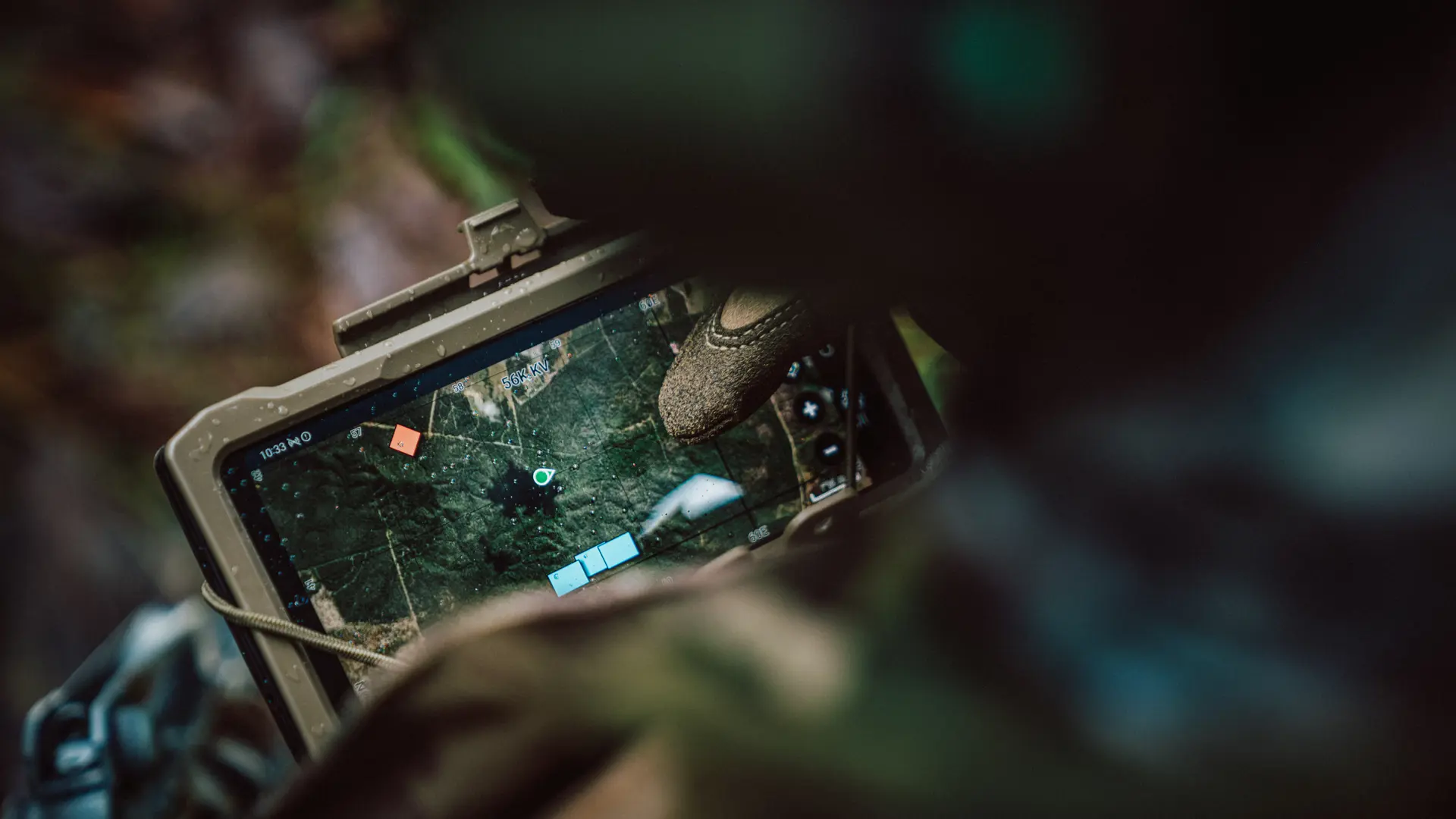 Closing the targeting loopModern targeting has to do three things: sit inside the C2 platform, connect every source of new targets to the staff workflow and give staff a clear view of the entire pipeline. The latest SitaWare release delivers all three, bringing target nomination to the point of observation and closing the loop between observer and command post.Read more
 How SitaWare is advancing agentic AIFrom data challenges to domain expertise, Systematic is building the agentic AI capabilities that tomorrow's militaries will depend onRead more
 Layered defence requires layered decision-makingWhy the counter-drone revolution is fundamentally a command and control problemRead more
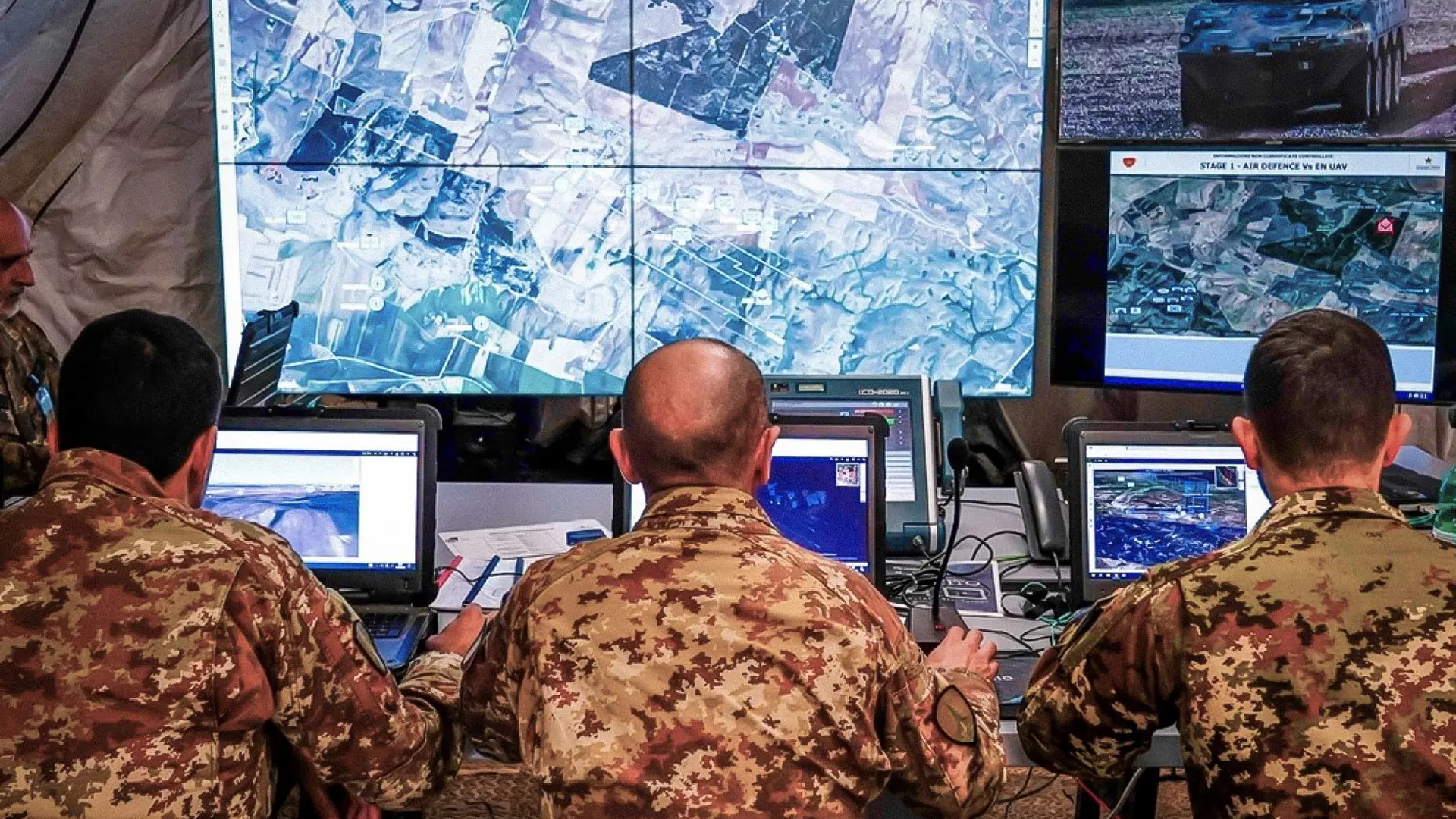 How much is C2 being transformed?Operation Epic Fury and the war in Ukraine offer four lessons about the future of command and control — but not all of them point in the same direction.Read more
 The Gulf’s Multi-Domain ChallengeThe conflict with Iran has shown that resilience in the Gulf no longer rests on mass, but on integration across military, civilian and commercial domains. Modern command and control must be multi-domain, interoperable and ready to operate across national boundaries from day one.Read more
 Customer first, always: How Systematic's mission-driven approach shapes command & controlSystematic founder Michael Holm shares why the best command and control systems are built around real user needs, operational experience, and true data sovereigntyRead more
Newsletter
Cannot see the form?
Your privacy or security settings may be blocking the form.