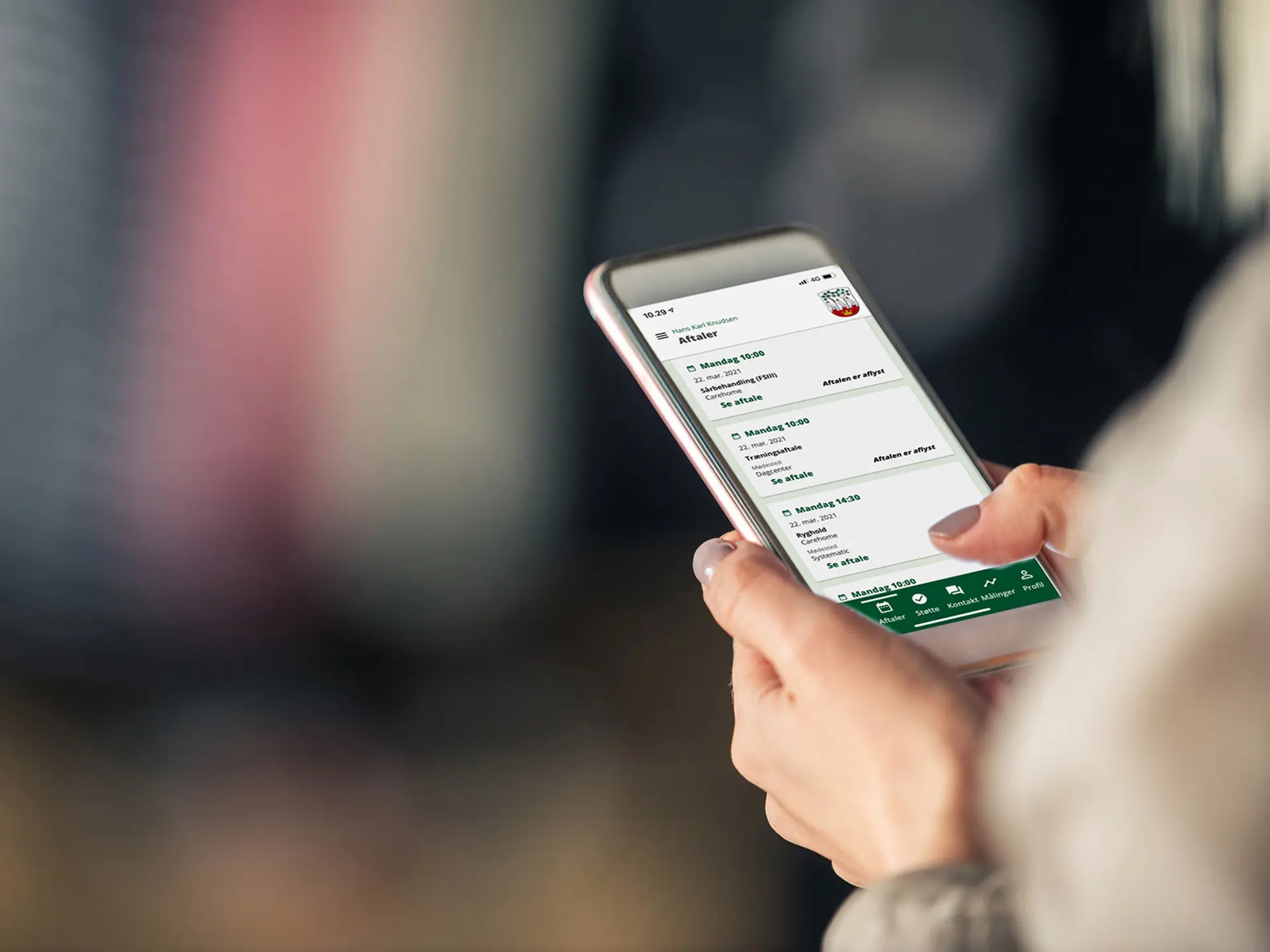
Cura Dialogue: When the citizen becomes captain of their own life
In Sønderborg Municipality, they've turned the approach to implementing Cura Dialogue on its head. Instead of asking 'What do we need the system to do?', they now ask: "What does the citizen need?"
It makes a crucial difference.
This new function in the municipality's electronic care record makes a crucial difference for both citizens and staff, while reinforcing its value to the wider organisation.
"We've restarted the working group with cross-disciplinary perspectives," says Sabrina Nørgaard, development and quality consultant in Sønderborg Municipality. "Rather than only focusing on one professional area, we bring together all professional groups working around the citizen."
As a result, the 'Your Dialogue' pilot project now encompasses care, nursing, social services, disability-psychiatry, welfare technology, assistive devices, training unit, substance abuse unit and senior advisers, with the citizen's perspective at the centre.
When everyone's involved from the beginning, implementation becomes easier, and at the same time ‘Your Dialogue’ can be rolled out to as many citizens as possible.
Flexible frameworks. Local adaptation
The working group creates the overall frameworks, and then it's up to the local teams how they implement them in their day-to-day work. That way, the workflow becomes flexible and can be adapted in each individual team.
"In the working group, for example, we agree that we check ‘Your Dialogue’ between 7-8 and 14-15. But the person responsible depends on the local structure," explains Sabrina.
The cross-disciplinary collaboration also creates better oversight. If a citizen breaks their femur, for example, nursing, the training unit and the assistive device centre can follow the individual professional groups' communication with the citizen. The citizen gets answers, receives a link to training, and staff support correct use of assistive devices – all via ‘Your Dialogue’.
How Cura Dialogue makes a difference for citizens
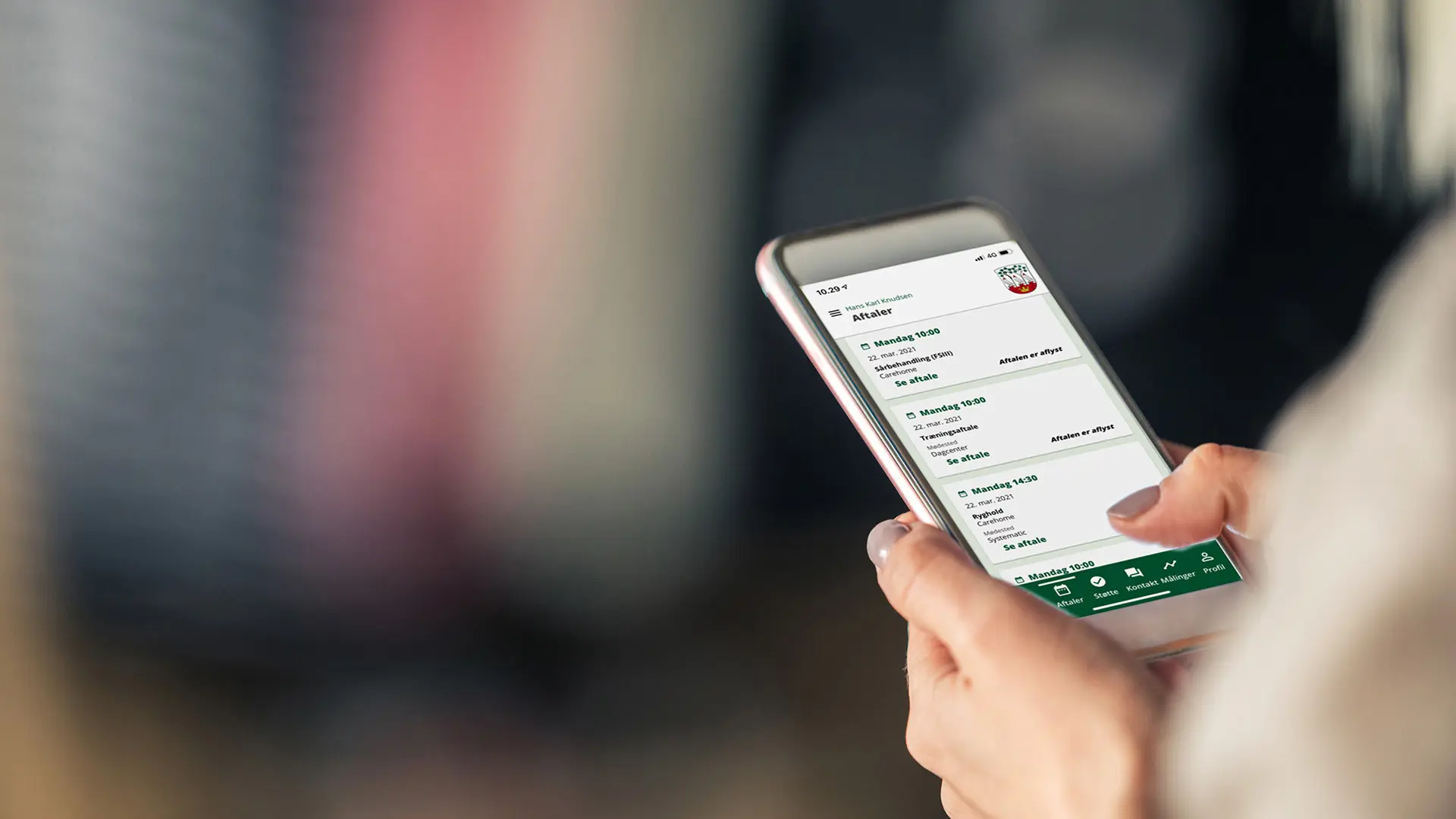
‘Cura Dialogue’ makes it easier for citizens to communicate with municipality workers staff and manage appointments themselves.
This happens in a user-friendly app, where citizens can:
Get an overview of appointments and cancel, book, or rebook themselves
View allocated services and granted assistive devices
Communicate with municipality workers via chat and video calls
Record their own measurements, such as pulse, blood pressure, and blood sugar
"He just needed to clear his head"
An example from Sønderborg Municipality illustrates how a citizen perspective can change the understanding of what's happening in the system.
A citizen wrote multiple messages to different members of staff. So many that it could seem problematic.
"When we looked at it cross-disciplinarily in the working group, we could see that it actually wasn't empty communication," Sabrina explains. "He'd simply reminded several people that he needed to have his medicine on Friday, because he had plans Saturday. It was completely legitimate – he'd just written to many different people."
For the citizen, it was about getting peace of mind. Now he had done his bit. Now he could get on with what was important.
The example led to a realisation in the working group: The local authority needs to improve communication about whom citizens should contact.
Self-determination in practice
Another citizen with mild autism wanted to "be captain of his own life", as Sabrina puts it.
He needed to have his blood sugar measured every morning, and a nurse came to help him with it.
Relatives as a resource
The pilot project also focuses on collaboration with relatives and citizen-experienced quality. Sønderborg Municipality specifically wants to involve relatives, as they're often a valuable resource with extensive knowledge about their nearest and dearest. That knowledge helps staff create security and improves how they get to know the citizen.

‘Your Dialogue' removes travel as a barrier to family involvement. Relatives can join a video call from anywhere – the office, the car, or the other end of the country.
Experience shows the system must foster connection and share relevant details. For example, a relative might let staff know they're picking up their mother for a weekend birthday, so care schedules can be adjusted accordingly. But digital contact shouldn't replace personal visits.
The way forward
The pilot project is currently running. The goal is to roll out ‘Your Dialogue’ throughout Sønderborg Municipality in the second quarter of 2026.
"We see enormous potential," says Sabrina. "It's about giving citizens more control over their own care. As long as we keep their needs front and centre – not our own – it can make a real difference. "
Want to know more about Cura Dialogue?
Reach out to Christina Zakrisson, Product Manager at Systematic. Christina has more than 9 years of experience with Columna Cura and has been with Systematic since 2013.
She is ready to have a chat with you about Cura Dialogue.
Latest news
We are happy to share what we do. You can find our latest news here or browse through all of our healthcare news by clicking the button below.
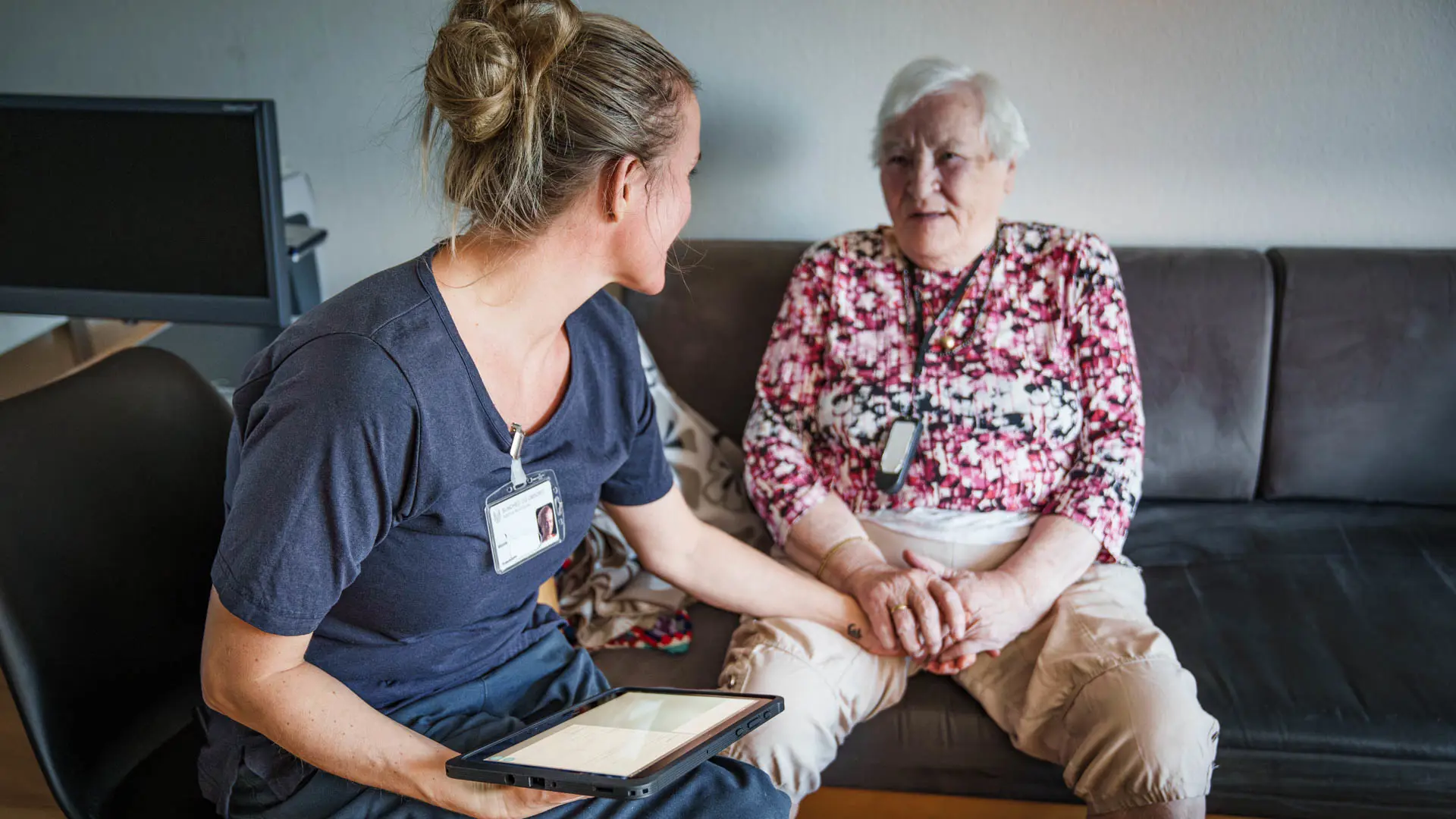 AI-based speech recognition in elderly care gets the green light: Systematic project demonstrates significant potentialSpeech recognition and AI can reduce the documentation burden for frontline staff in elderly care. A groundbreaking project under the Danish Agency for Digitalisation's AI sandbox, has just documented this in its final report.Read more
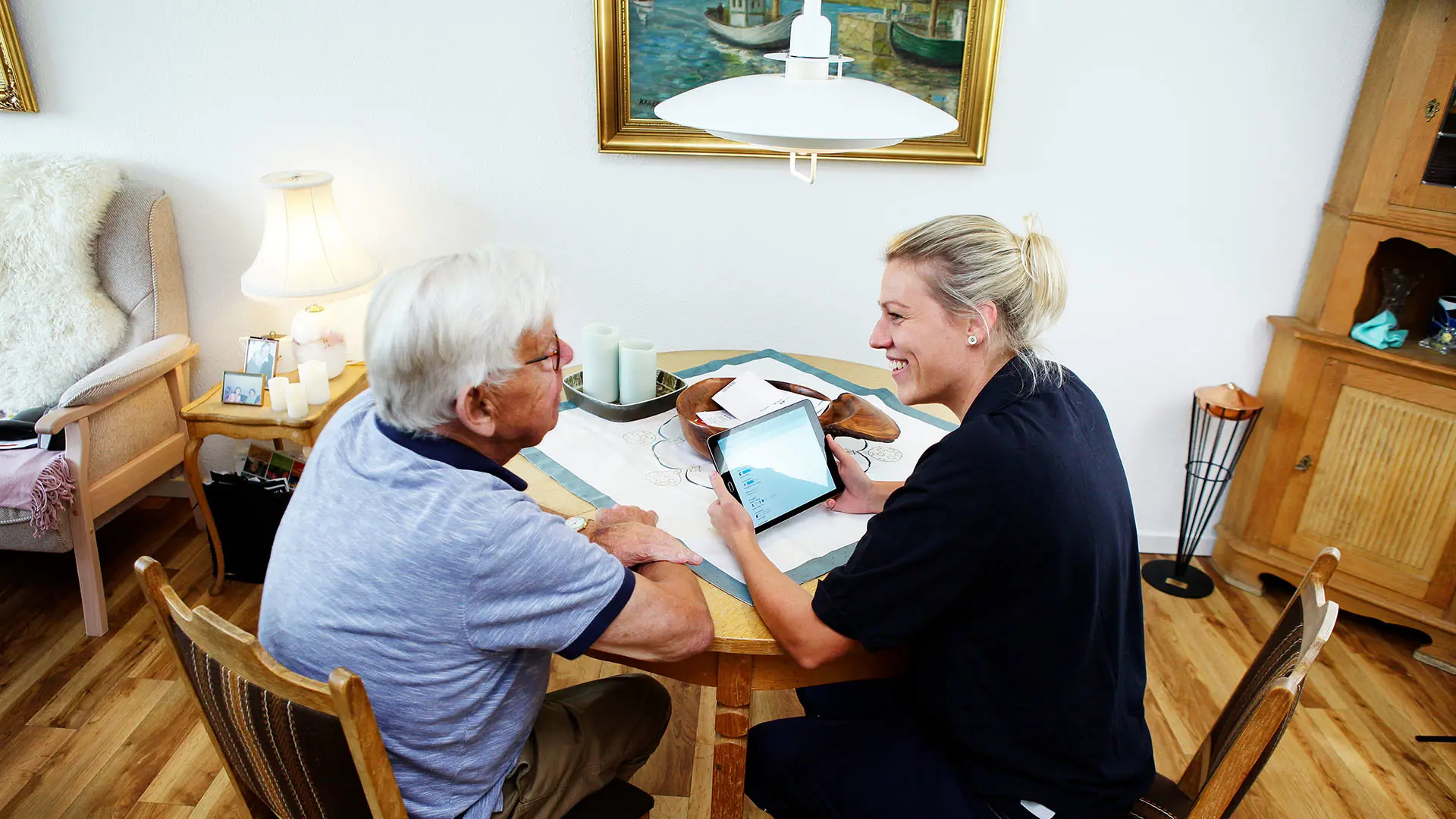 Systematic enters into Norwegian partnershipSystematic strengthens its focus on municipal EHR systems in Norway, pairing with experienced consultancy firm that knows the Norwegian healthcare system inside and out.Read more
 Systematic launches bold expansion into Norwegian health IT marketSystematic is aiming to capture up to half of the Norwegian municipal market for citizen care record systems, and is now establishing a local company as part of the largest international health IT initiative in the company’s history.Read more
 Copenhagen Municipality enhances electronic care records with AICopenhagen Municipality tests the use of digital speech recognition for documentation tasks in the Public-Private Innovation project 'Talt'.Read more
 Cura Dialogue helps citizens stay on top of appointments with the municipalityAarhus and Haderslev municipalities successfully implemented the Cura Dialogue app with positive user feedback. Citizens can track when home care arrives, view and cancel bookings, and communicate with the municipality outside regular hours.Read more
- Public-Private Innovation partnership uses AI to ease documentation for municipal healthcare staffIn partnership with three Danish municipalities - Copenhagen, Aarhus and Aalborg - Systematic is exploring how artificial intelligence can help reduce the documentation task for employees working in health and elderly care services.Read more
 Novavi modernises treatment for drug and alcohol misuse with Cura SocialNovavi provides treatment for drug and alcohol misuse. They have implemented Cura Social to improve workflows and documentation.Read more
 Læsø Municipality has implemented a new electronic care and social recordColumna Cura are already improving workflows and providing real-time documentation for staff in Læsø Municipality.Read more