Agentic AI for NATO C2: from black box to glass box
Rotterdam and Izmir, November 2026: what NATO and national staff want to know before they trust AI in command and control
In November, Systematic took Agentic AI to two NATO events: the NATO Command and Control Centre of Excellence (C2 CoE) Conference in Rotterdam and NATO Edge 26 in Izmir. In both events, NATO officers, national representatives and industry no longer asked whether AI belongs in command and control. They asked whether they can trust it. Decision advantage in multi-domain operations depends on speed. In NATO's APP-28 for planning tactical land operations a planning example for a division, a staff needs 24 hours from receipt of mission to a completed operation order (OPORDER). Agentic AI can shorten that cycle, but only if officers can understand how it reaches its conclusions and adapt their current processes.
Rotterdam: the questions that decide adoption
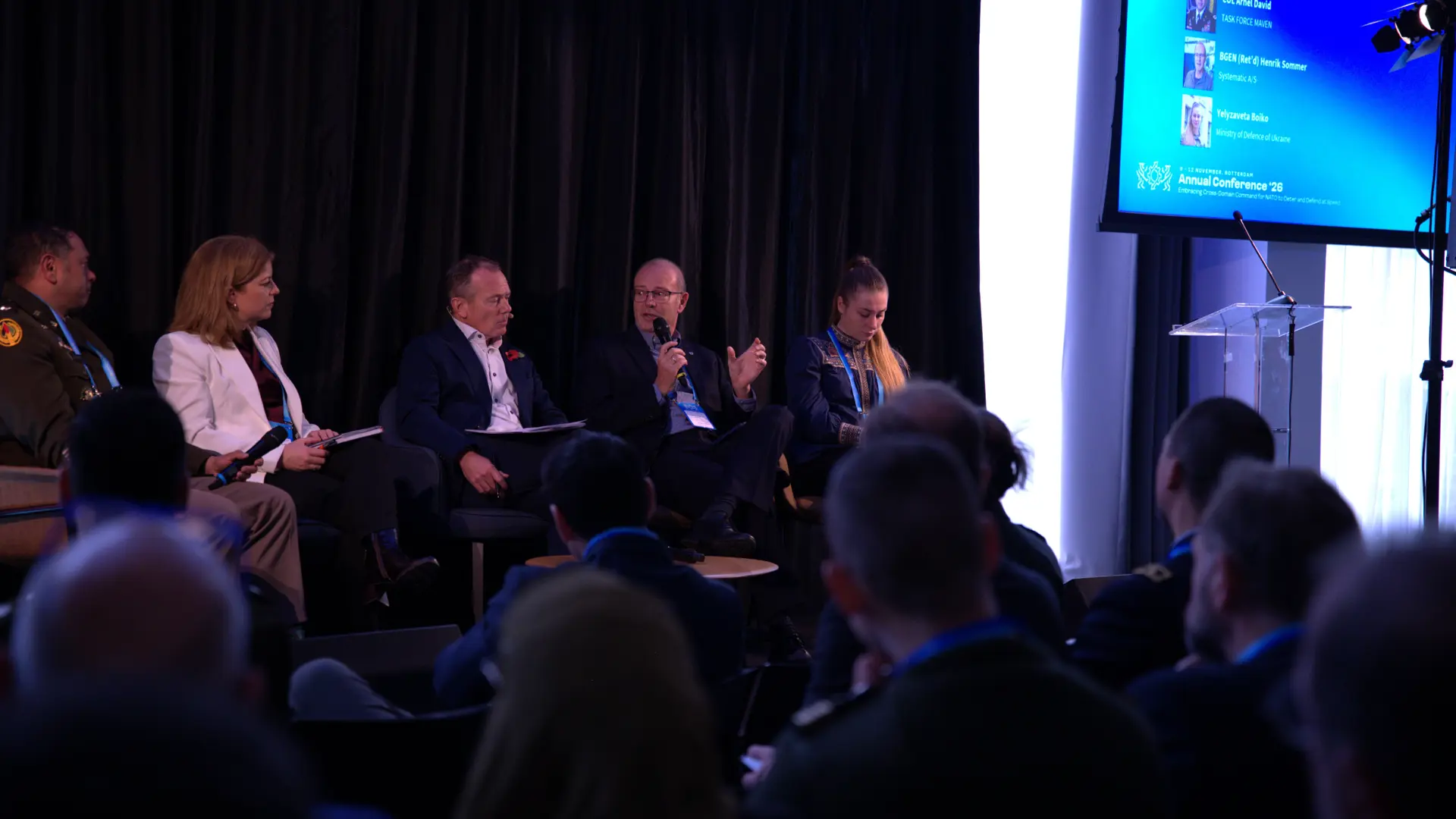
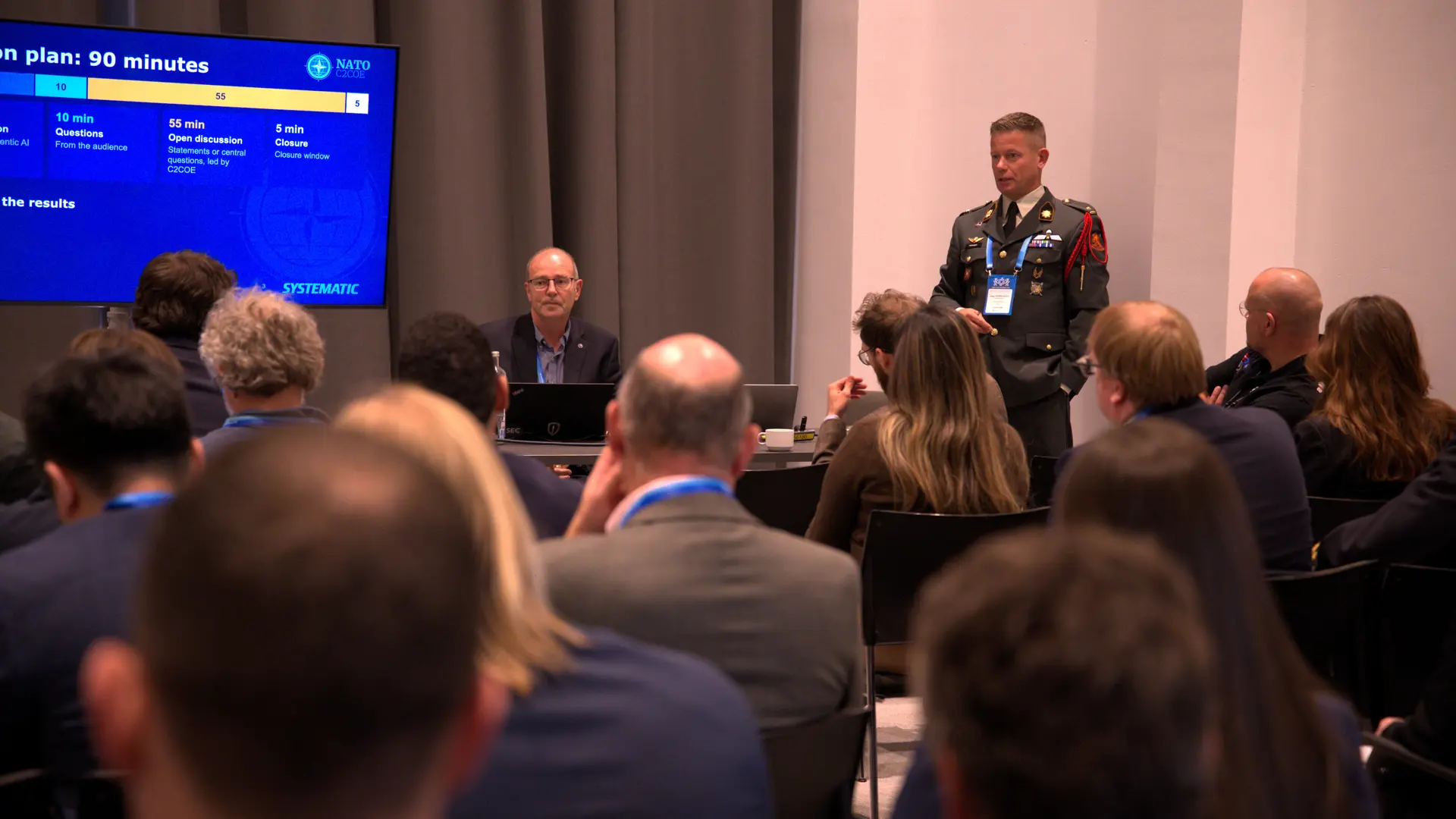
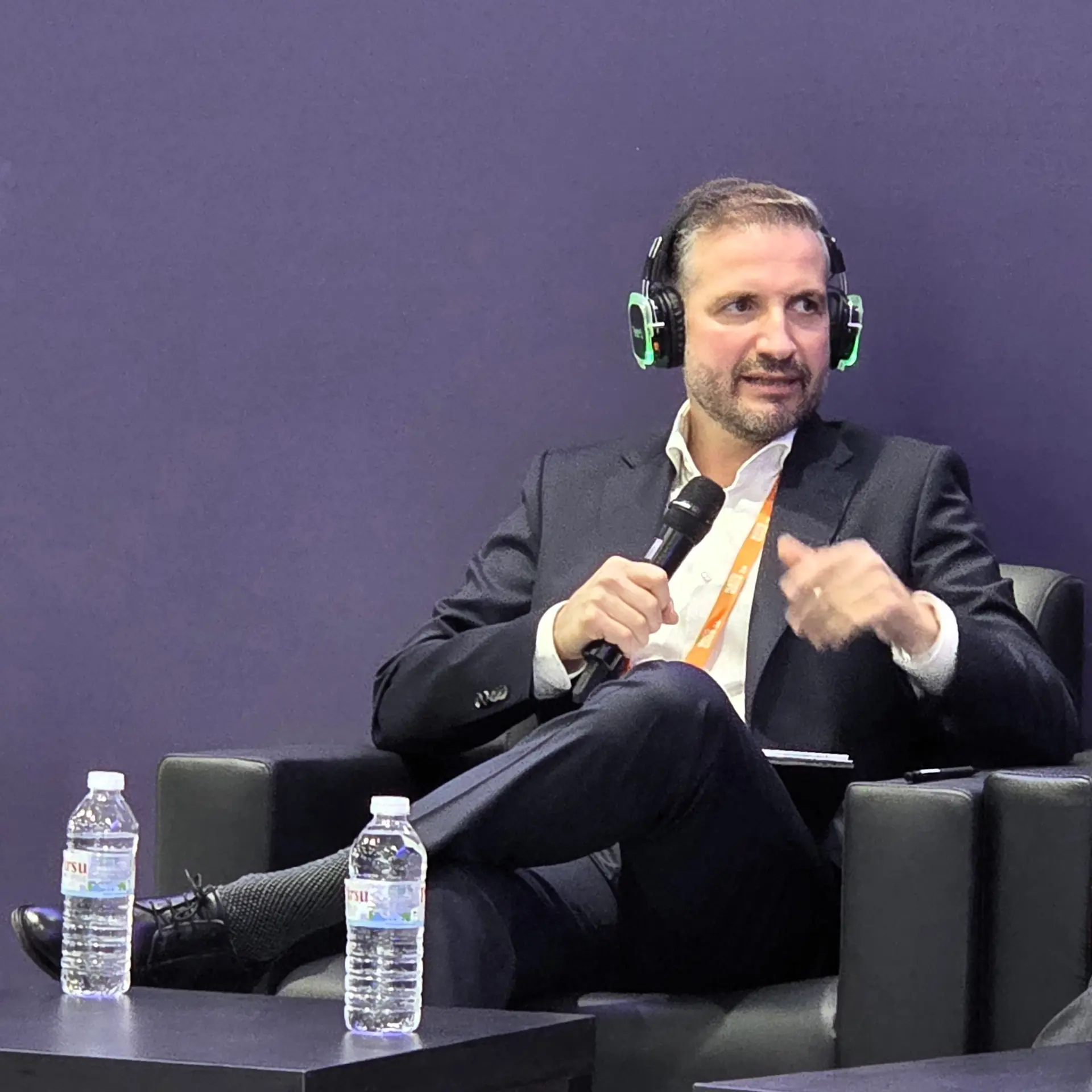
The C2 CoE Conference ran under the theme "Embracing Cross-Domain Command for NATO to Deter and Defend at Speed". Henrik Sommer, Director of Defence at Systematic, led a 90-minute session that opened with a live demonstration of Agentic AI in SitaWare Insight, the AI-powered data platform of the SitaWare Suite, followed by questions from the floor. He also joined representatives from the Supreme Headquarters Allied Powers Europe (SHAPE), NATO Allied Command Transformation and the Ministry of Defence of Ukraine on the panel "AI, Data and the Race for Decision Advantage".
The questions went straight to the hard part:
How does the system reach its answers?
What happens with hallucinations or poisoned data?
Does it still work when connectivity is degraded?
Will it challenge the officer, or simply agree?
What happens to mission command when a headquarters gains a digital advantage?
A glass box, built on data
The answer to the first question shaped the rest of the discussion. "Unlike a black box, we see our AI capability as a glass box: you can go through it, identify where the AI sourced its data and what made it come to that decision," said Henrik Sommer.
Traceability matters because of what the system produces. A staff typically develops two courses of action; the agents generate three genuinely different options, from the safest to two alternative ways of delivering the task. They work from the data SitaWare Insight fuses from across sources, and when data is missing, they ask for more. "If you don't have the right data, you can forget about AI," Sommer concludes.
The officer stays in charge
The AI agents follow NATO's planning procedure, so the staff can see which steps are automated and where human judgement is needed. Planning is iterative, with integration up and down the chain of command. The tool supports that: it gathers information and gives a first interpretation, which the staff integrates with its own work, automating more as understanding grows. Creating surprise is left to the human.
Izmir: the same conversation, at scale
A week later, a sold-out NATO Edge 26, organised by the NATO Communications and Information Agency (NCIA), brought NATO, the nations and industry together around one goal: delivering capability faster.
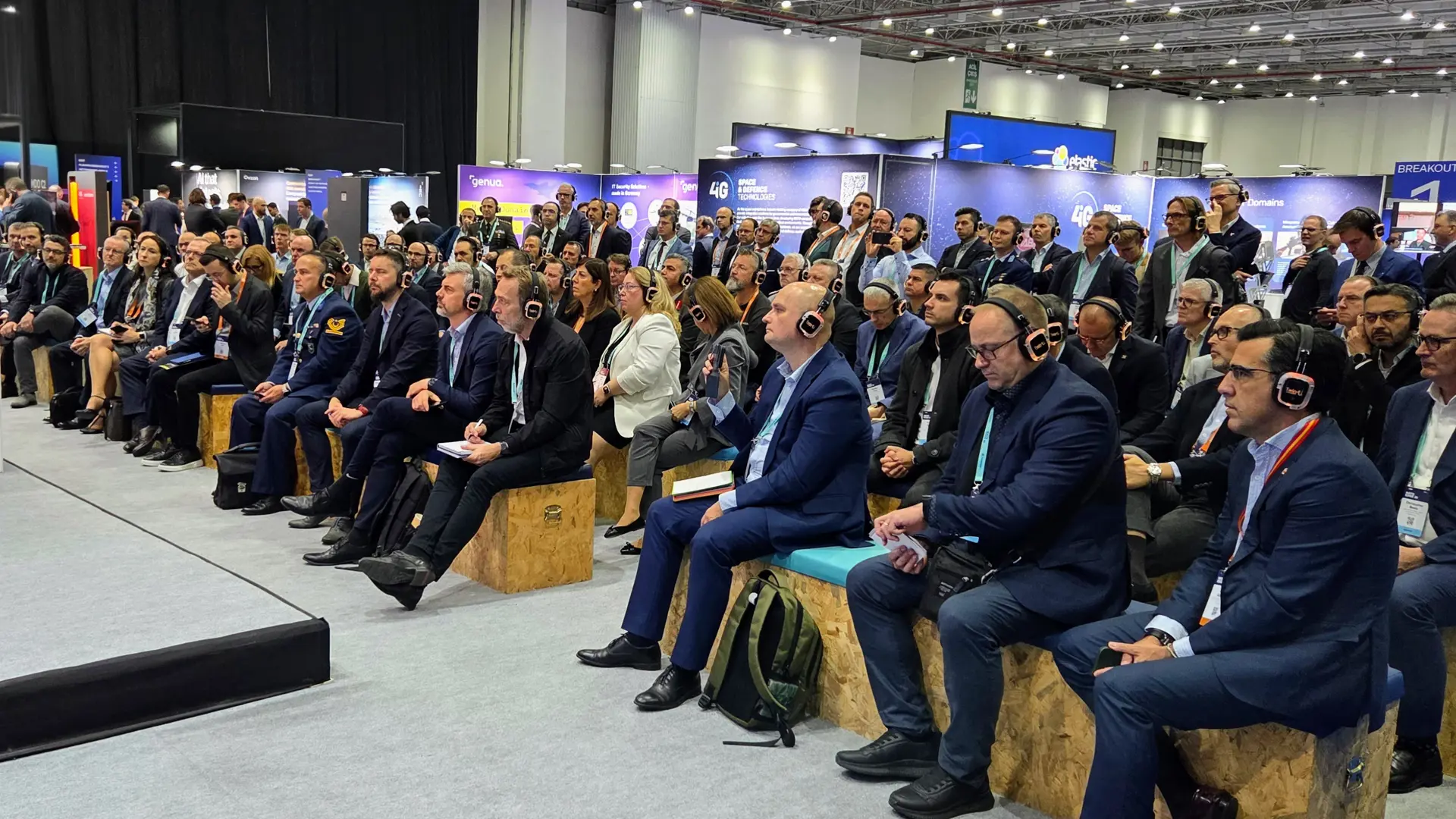
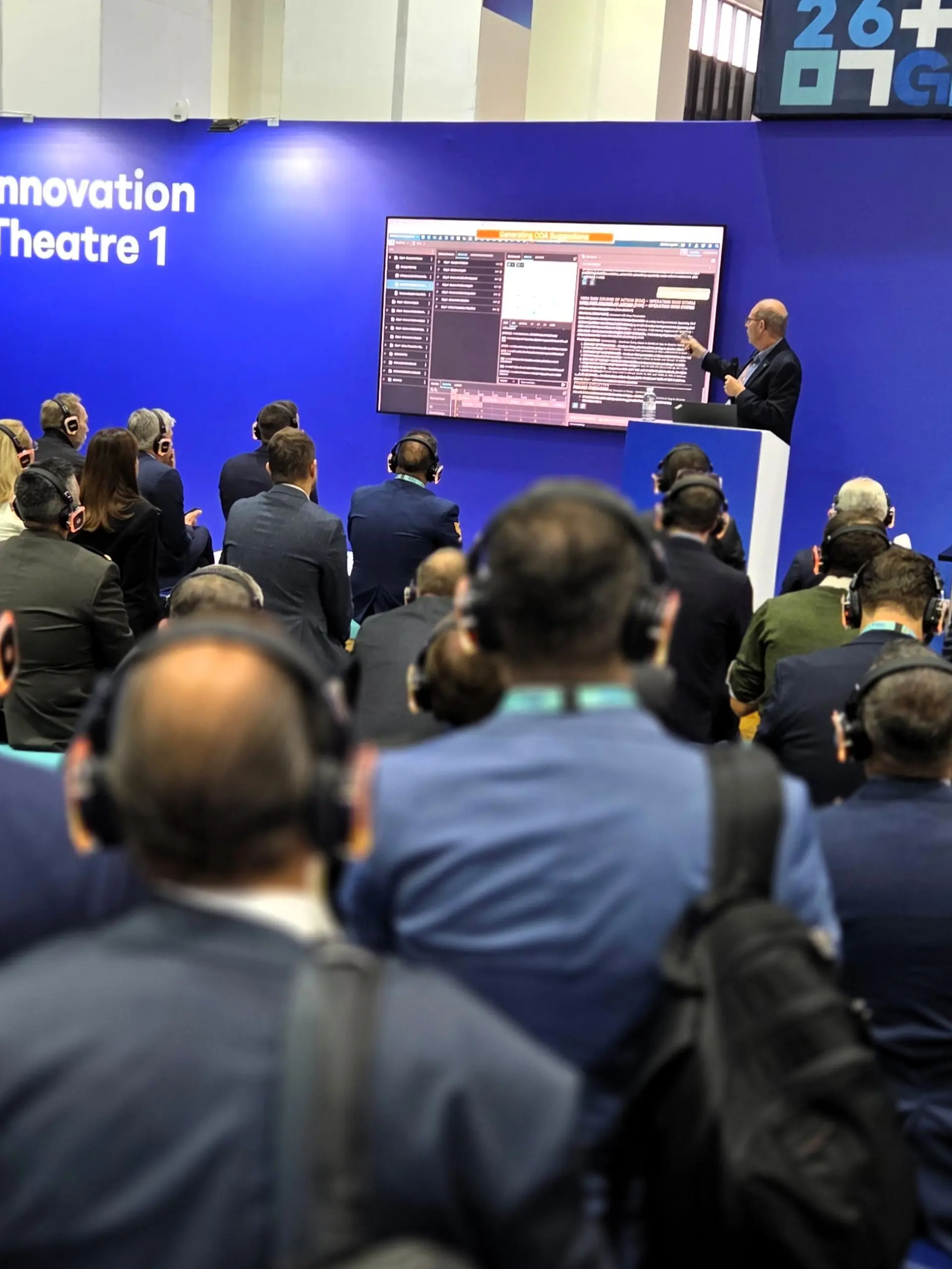
Interest in Agentic AI was immediate. Henrik Sommer's Innovation Theatre session filled to the last seat. Using an operational scenario he showed how Agentic AI significantly can increase the speed of the planning process in a division with examples of intelligence preparation of the operational environment (IPOE), through course of action development, comparison and wargaming, to an automatic generated operational order based on the commanders decision. Many of the conversations it started continued straight away at the Systematic stand.
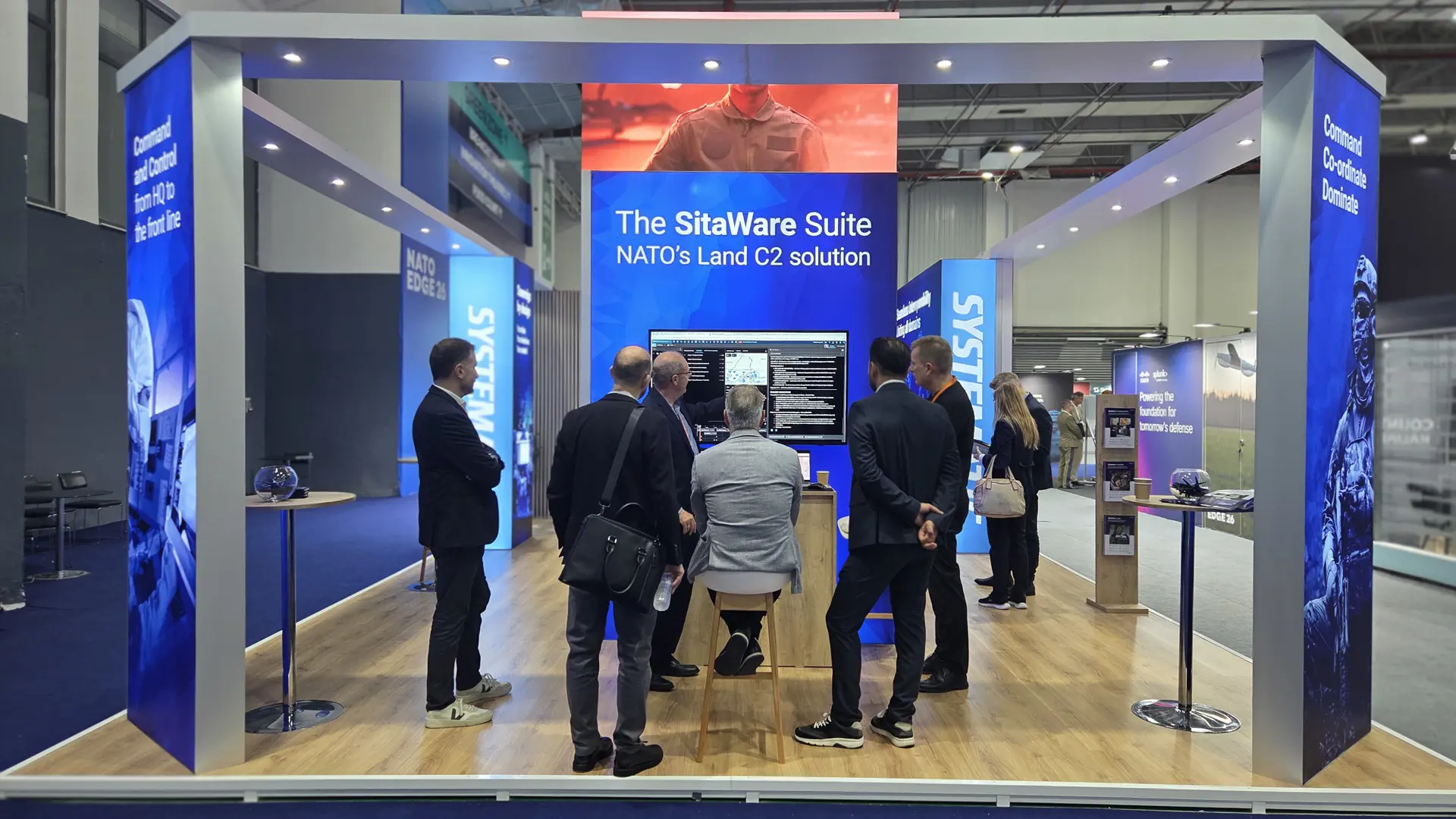
Over two and a half days, the focus was Multi-Domain operations and cloud-ready interoperability, with live demonstrations of SitaWare Headquarters, SitaWare Frontline, SitaWare Edge, SitaWare Insight with Agentic AI, and SitaWare Battlefield Health.
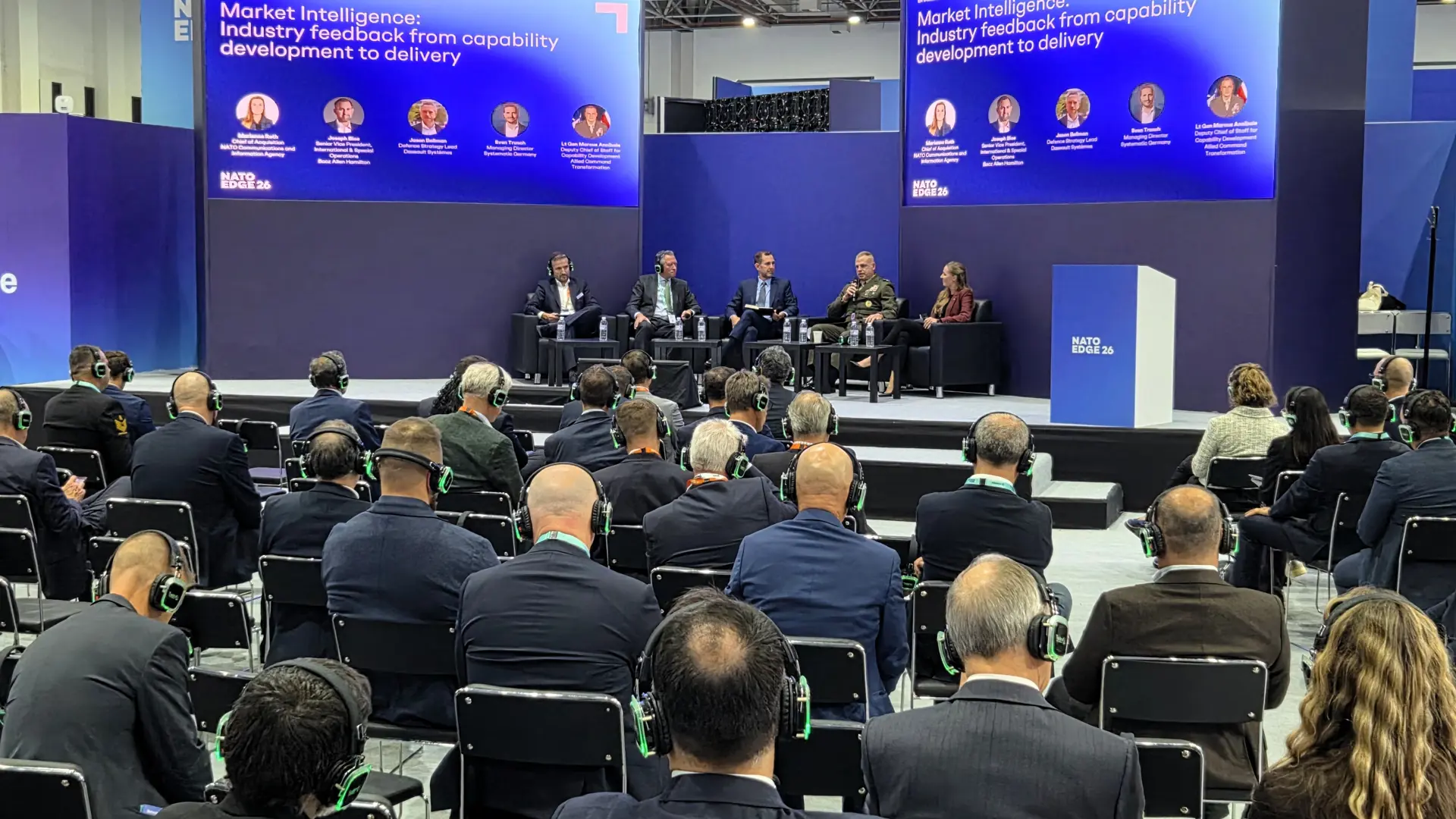
Trust also depends on how new capability reaches NATO in the first place. That was the subject of the market intelligence panel, where Sven Trusch, Managing Director, joined NCIA and ACT (Allied Command Transformation) to discuss how NATO and industry can engage earlier in capability development. His point:
build on user feedback and lessons learned from the systems already in service
test what providers have delivered in the field, rather than relying on slides and mock-ups
be clear about the outcome NATO wants
Why trust is an architecture question
Agentic AI is only as trustworthy as the data and the C2 environment it runs in. That is why the agents run on the same platform and the same data as the command-and-control forces already operate. SitaWare Headquarters is NATO's Land C2 solution of choice, selected under project DEMETER. The SitaWare Suite is in use in more than 50 nations, including 21 NATO countries. Interoperability has to be designed in from the start, because AI-supported decisions across a coalition depend on information moving both ways, between nations and between platforms.
Looking ahead
Henrik Sommer's closing advice was practical: "Start experimenting with AI. You have to experiment because it is constantly changing and the military must embrace a cultural change how an operational headquarters is working when using AI." Systematic continues to test and validate the capability with live data and wants more nations to try it. As Sommer put it: "You need to work with it to trust it."
For more information, please contact: Sascha Müller, Communications Manager Defence: sascha.mueller@systematic.com I +49 171 9367354
About SitaWare
SitaWare is Systematic's operationally proven C5ISR suite, delivering command and control from the command post to the tactical edge. In service with more than 50 nations, including NATO and Five Eyes, SitaWare unites multi-domain forces with seamless interoperability, rapid information-sharing, and comprehensive situational awareness across the battlespace.
About Systematic
Systematic, established in 1985, is the largest privately-owned software company in Denmark. Defence-native from the outset, and a trusted partner to NATO and Five Eyes nations for more than 40 years, Systematic delivers operationally proven software to over 1 million users in 50+ countries. Headquartered in Aarhus, Denmark, the company has 13 offices worldwide. Proven. Not promised.
Newsletter
Cannot see the form?
Your privacy or security settings may be blocking the form.
News
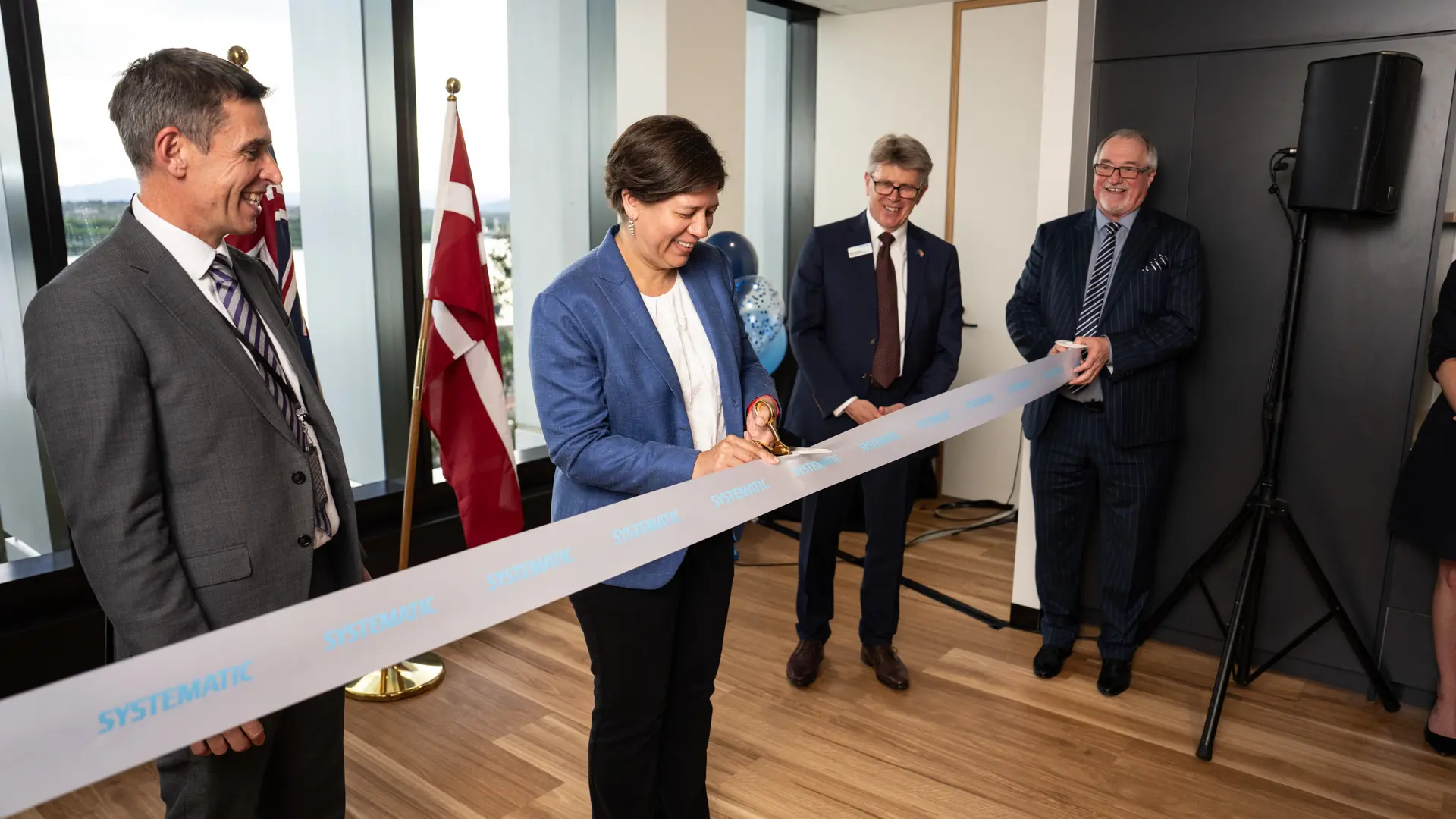 Systematic opens Canberra office as it delivers Australian Army’s next-generation battle management systemDanish defence technology company Systematic has strengthened its commitment to Australia's defence sector with the opening of a new Canberra office, following a A$98 million contract to supply the Australian Army's next-generation Battle Management System (BMS).Read more
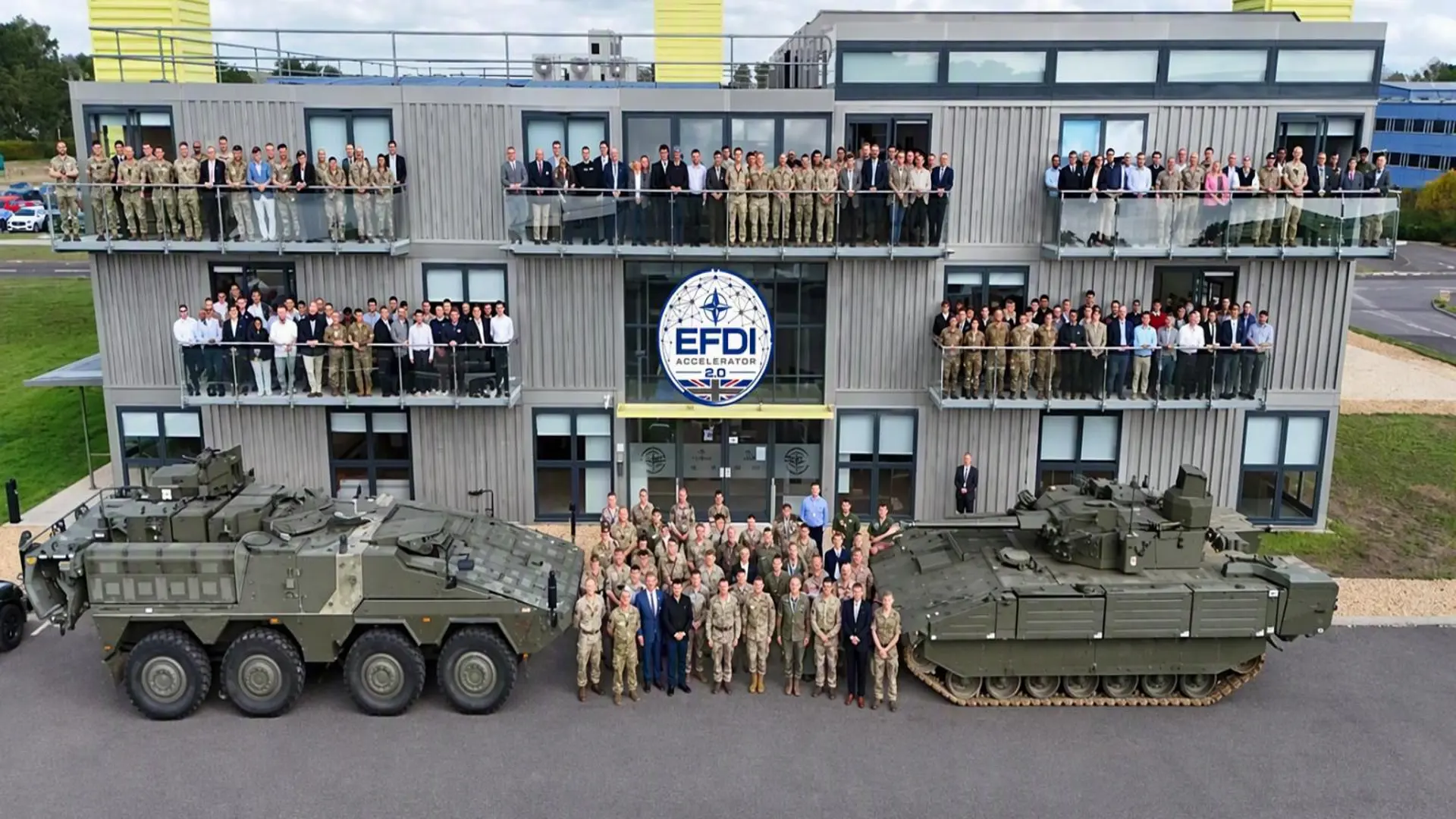 NATO interoperability put to the test at major UK exerciseSystematic has demonstrated how military systems can securely exchange data across NATO forces during the Eastern Flank Deterrence Initiative (EFDI) 2.0, a major multinational defence exercise held in Dorset, UK.Read more
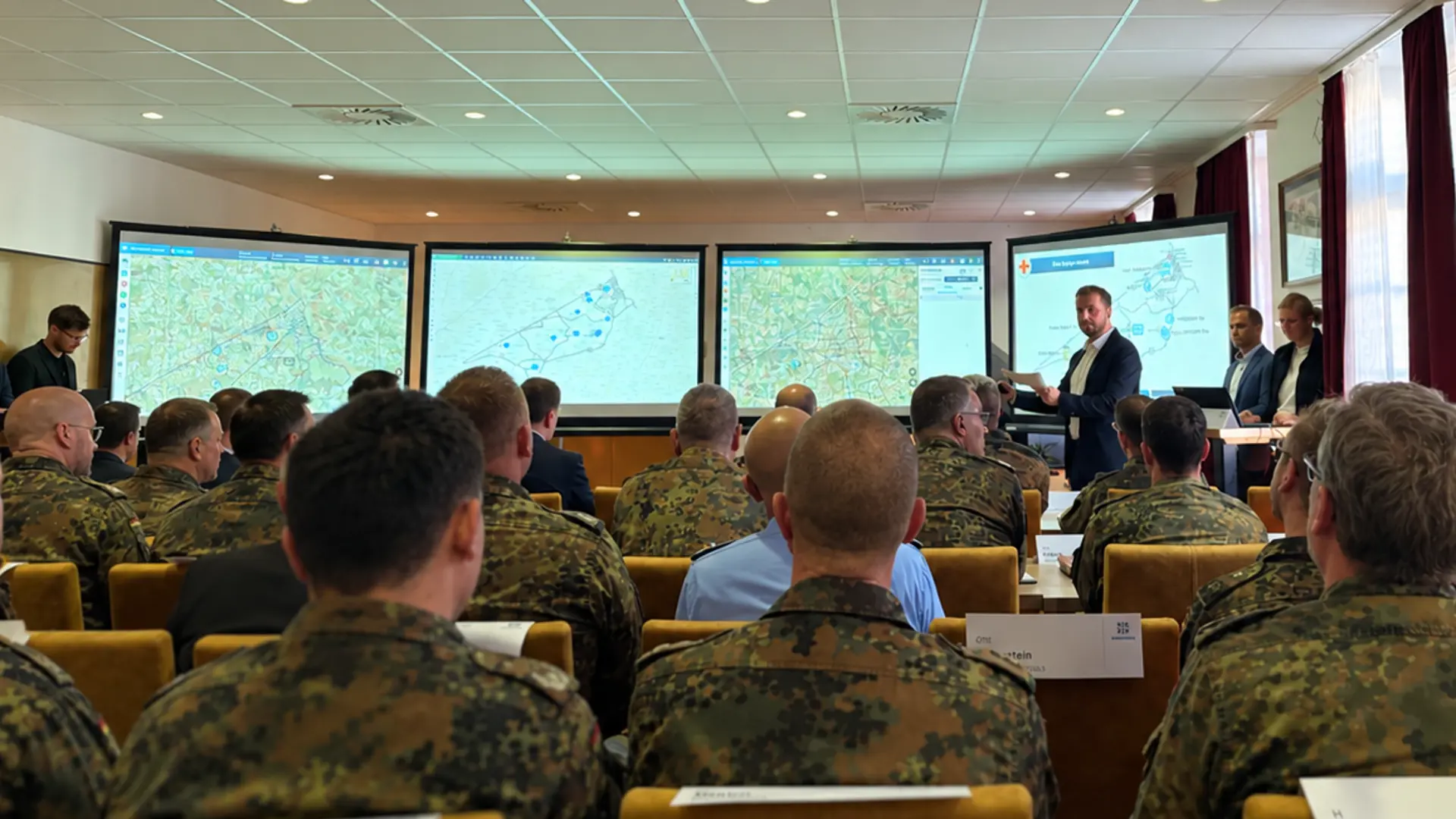 German Armed Forces receive digital medical command & control system from SystematicSystematic has completed the development phase of SitaWare Battlefield Health and delivered the software to the German Armed Forces (Bundeswehr) as planned. The system will form the basis of SAFES (Sanitätsdienstliches Führungs- und Einsatzsystem), the Bundeswehr’s medical command and control system, supporting the co-ordination medical evacuation throughout operations.Read more
 Systematic delivers Denmark’s first AI-ready command-and-control system for NATO counter-drone defenceSystematic has been awarded a contract by the Danish Ministry of Defence Acquisition and Logistics Organisation (DALO) to deliver an AI-ready command-and-control (C2) capability for counter-drone defence - marking the first known contract by a NATO member for C2 ready to integrate AI-supported analysis.Read more
 The Australian highlights Systematic’s approach to AI and battlefield dataThe Australian has published a special report exploring how artificial intelligence and advanced command-and-control capabilities are changing the way military commanders operate in an increasingly data-rich and contested battlefield.Read more
 Thales and Systematic partner to strengthen Denmark’s air defence capabilitiesThales and Systematic today announced a strategic partnership to provide the Danish Armed Forces with advanced, interoperable air defence capabilities.Read more
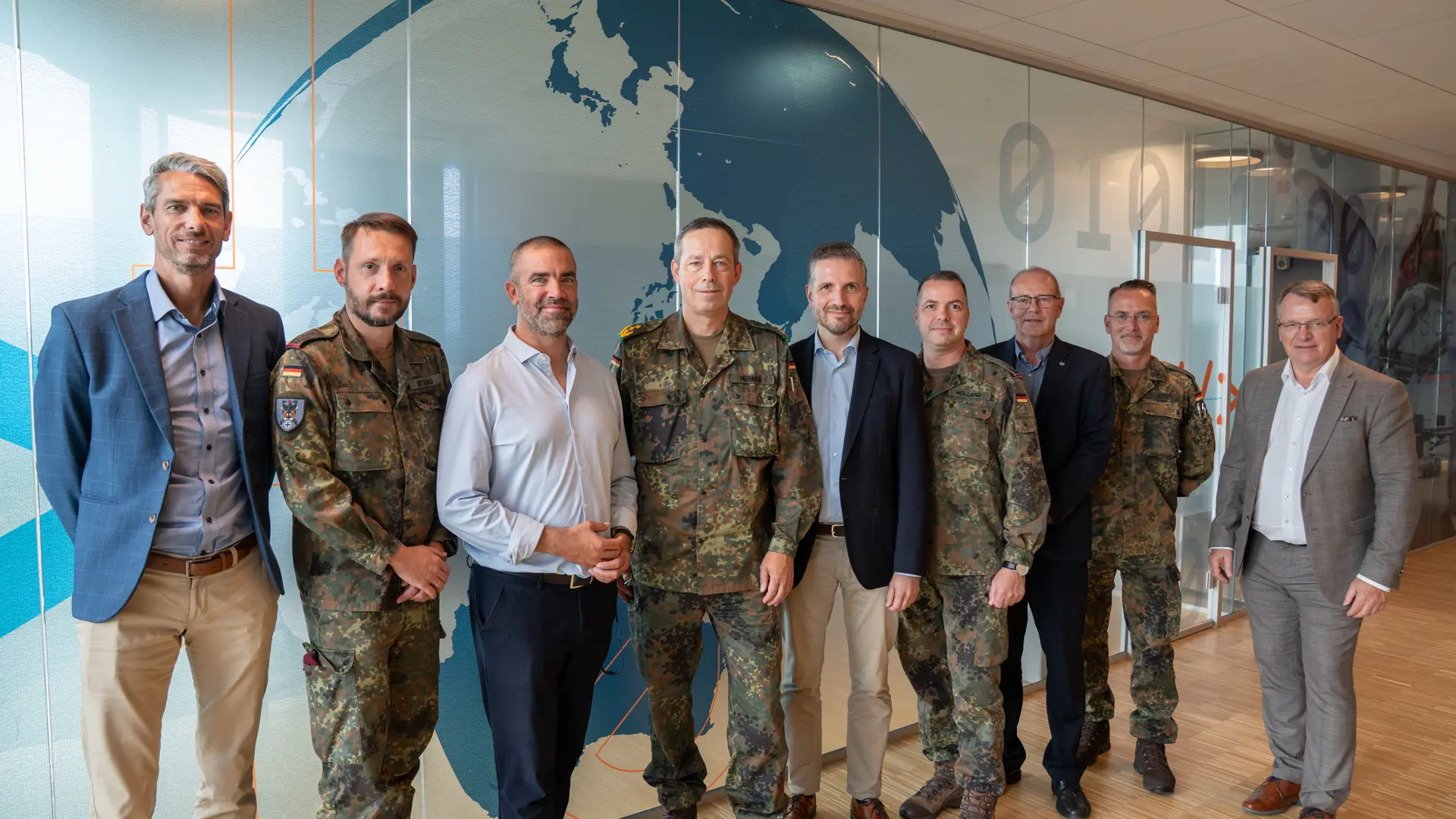 German Army leadership visits Systematic in Aarhus, to discuss command superiority on the battlefield of the futureDeputy Chief of Staff of the German Army, Lieutenant General Heico Hübner and a delegation of the German Army discuss future C4ISR requirements for Multi-Domain Operations.Read more
 The Australian Department of Defence selects Systematic's SitaWare Headquarters for the first tranche of Army’s next-generation Battle Management SystemSystematic's SitaWare Headquarters has been selected for the first tranche of Army's next-generation Battle Management System.Read more