
Columna Flow Clinical Tasking improves work environment and coordination in Aalborg University Hospital's emergency department
Fewer phone calls. Better overview. And coordinators want to keep it.
That is the short version of the results from Aalborg University Hospital's third pilot of Clinical Tasking, a task and coordination platform that can be used across all hospital departments. This time, the results of the pilot were captured in an implementation study, published in the Danish Journal of Emergency Medicine (Dansk Tidsskrift for Akutmedicin).
A solution backed by evidence
Good feedback is one thing. Evidence is another.
After two successful pilots, the hospital wanted a definitive answer: does Clinical Tasking make a real difference in a busy emergency department? Researchers at Aalborg University Hospital launched an implementation study in which coordinators and staff rated communication and the work environment on a scale of one to 100, both before and after go-live.
Improved work environment
The most tangible result is a measurable improvement in the work environment during busy shifts. 53% of staff said the app made a concrete difference when the pressure was on, and the work environment score rose markedly after implementation. Communication between colleagues also improved: a shared overview of tasks and priorities means fewer misunderstandings and fewer clarifying calls.
When coordinators were finally asked whether Clinical Tasking should become permanent, 71% said yes. The reason is straightforward: all coordination, communication, and oversight now happen in one place. The phone that used to ring constantly has gone quieter, and that calm is felt not just in the coordination work, but directly in the care of patients.
Facts about the study
Published in the Danish Journal of Emergency Medicine (Dansk Tidsskrift for Akutmedicin)
Project period: October 2020 to November 2023
The study showed a marked improvement in in work environment, including during busy periods
About Aalborg University Hospital
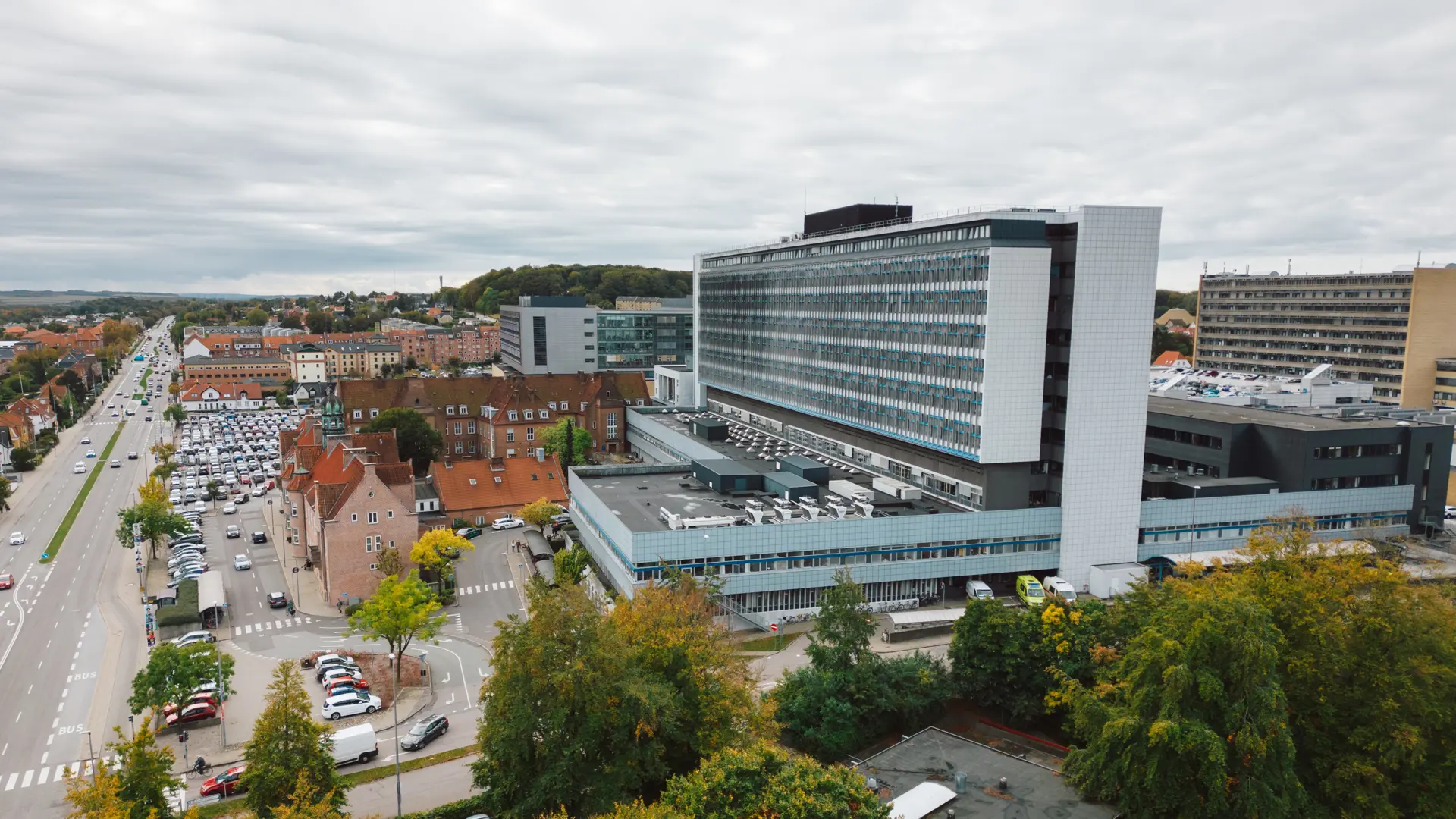
Denmark's fourth-largest hospital, with 929 beds
Approximately 6,500 members of staff
Serves the whole of North Jutland

Want to find out more about Columna Flow and see results from other hospitals?
Want to find out more about Columna Flow and see results from other hospitals? Get in touch with Jacob Gade, Sales Director at Systematic. With 20 years' experience optimising hospital workflows across specialities and departments, Jacob is ready to discuss how Columna Flow can work for your organisation.
Email: jacob.gade@systematic.com
Latest cases
Our solutions and services make a difference to our customers. Take a look at our cases and find inspiration in the benefits others have realised.
 How UMC Utrecht tracks 5,500 medical devices across two hospitalsUMC Utrecht wanted staff to find the right device when they need it, without every department running its own fleet. This is how they made it work with Columna Flow Search & Find.Read more
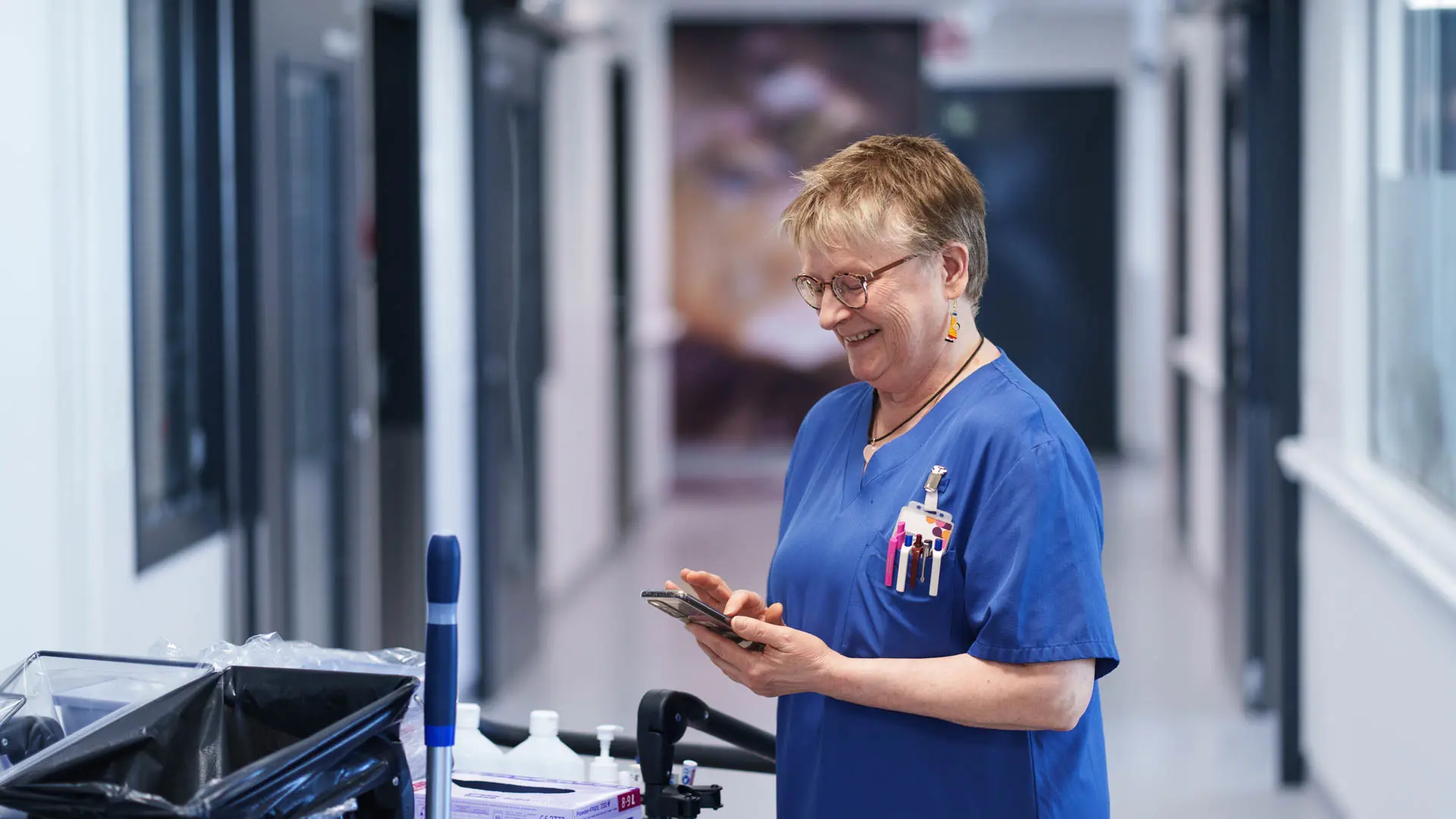 Real-time task management transforms Tampere University Hospital in FinlandTampere University Hospital have improved resource allocation, fewer interruptions, and more time for patient care across their 600+ cleaning staff.Read more
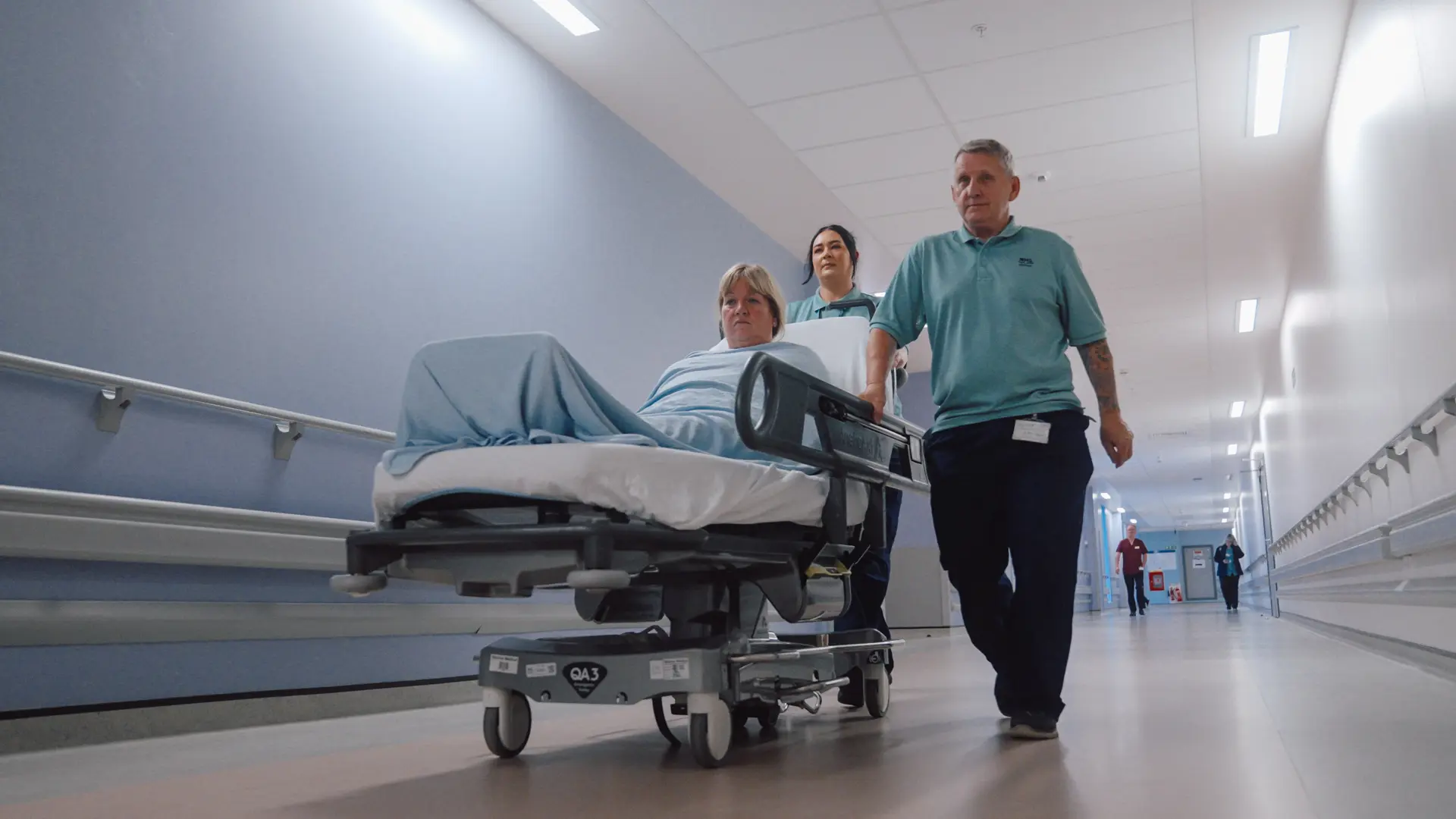 How hospital solution helps porters getting patients faster from A to BNow patients are moved faster and service staff have more autonomy over tasksRead more
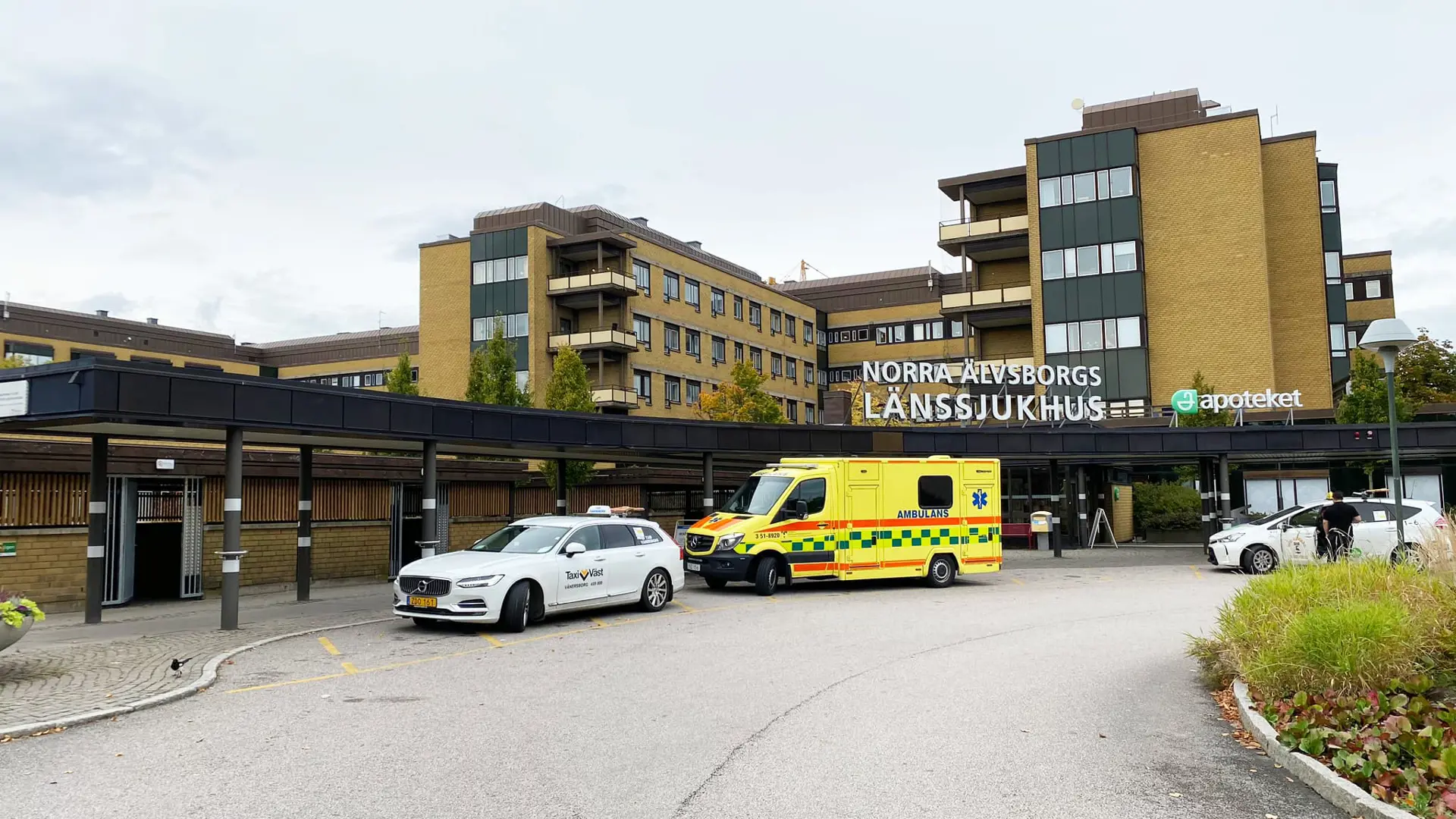 Swedish hospitals improve their hospital logistics with Columna FlowPorters and service staff at Borås Hospital now order tasks in a completely new and improved way.Read more
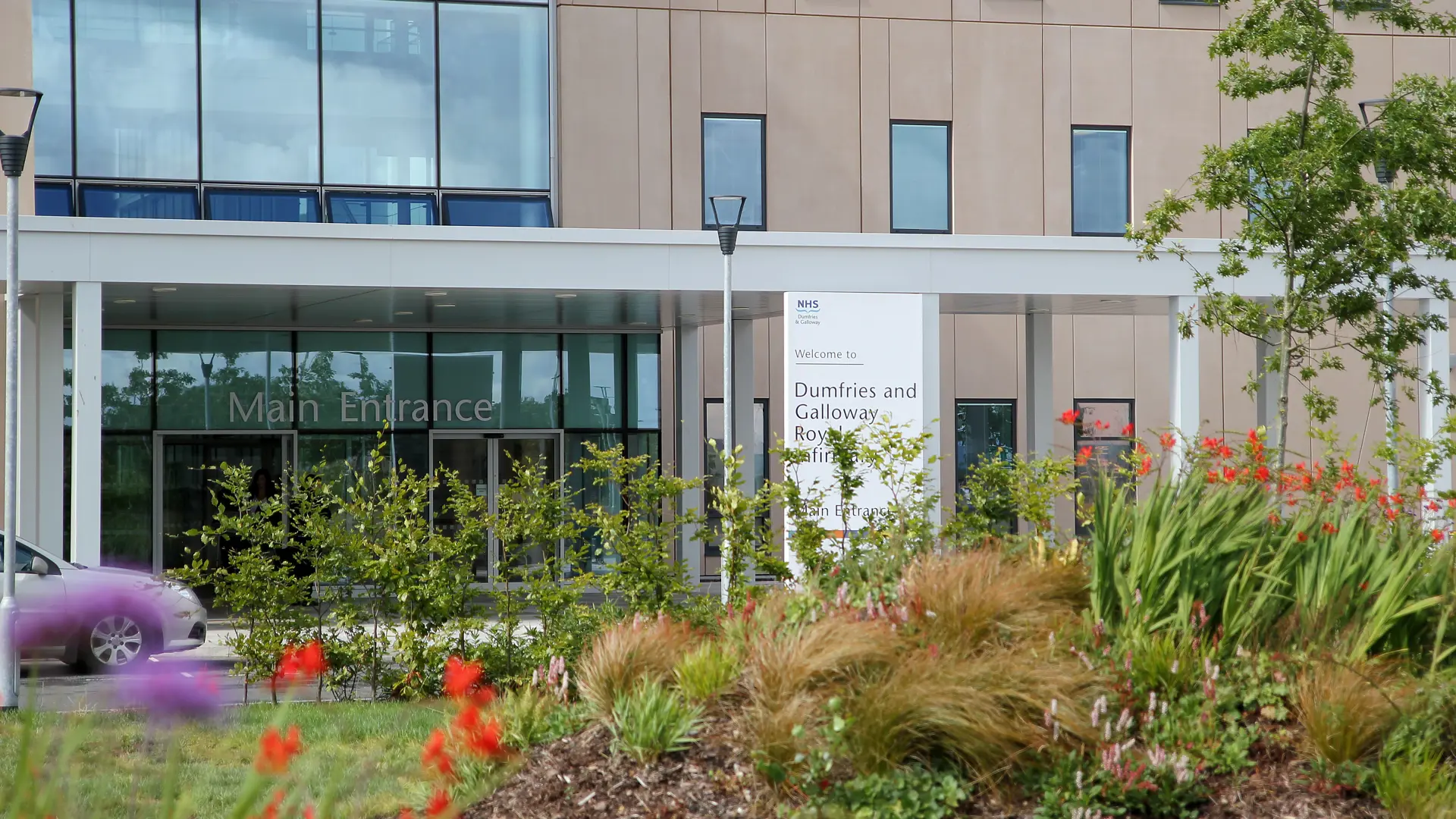 Digitalising hospital service logisticsColumna Flow improves both patient flow and overview for employees at Scottish hospital.Read more
 Mobile communication platform minimises phone callsPhysicians have successfully tested a digital solution for communication and coordination of tasks.Read more
 How do we create the continuum of care?The dream of a unified health service, with seamless information exchange, is no longer a distant dream.Read more
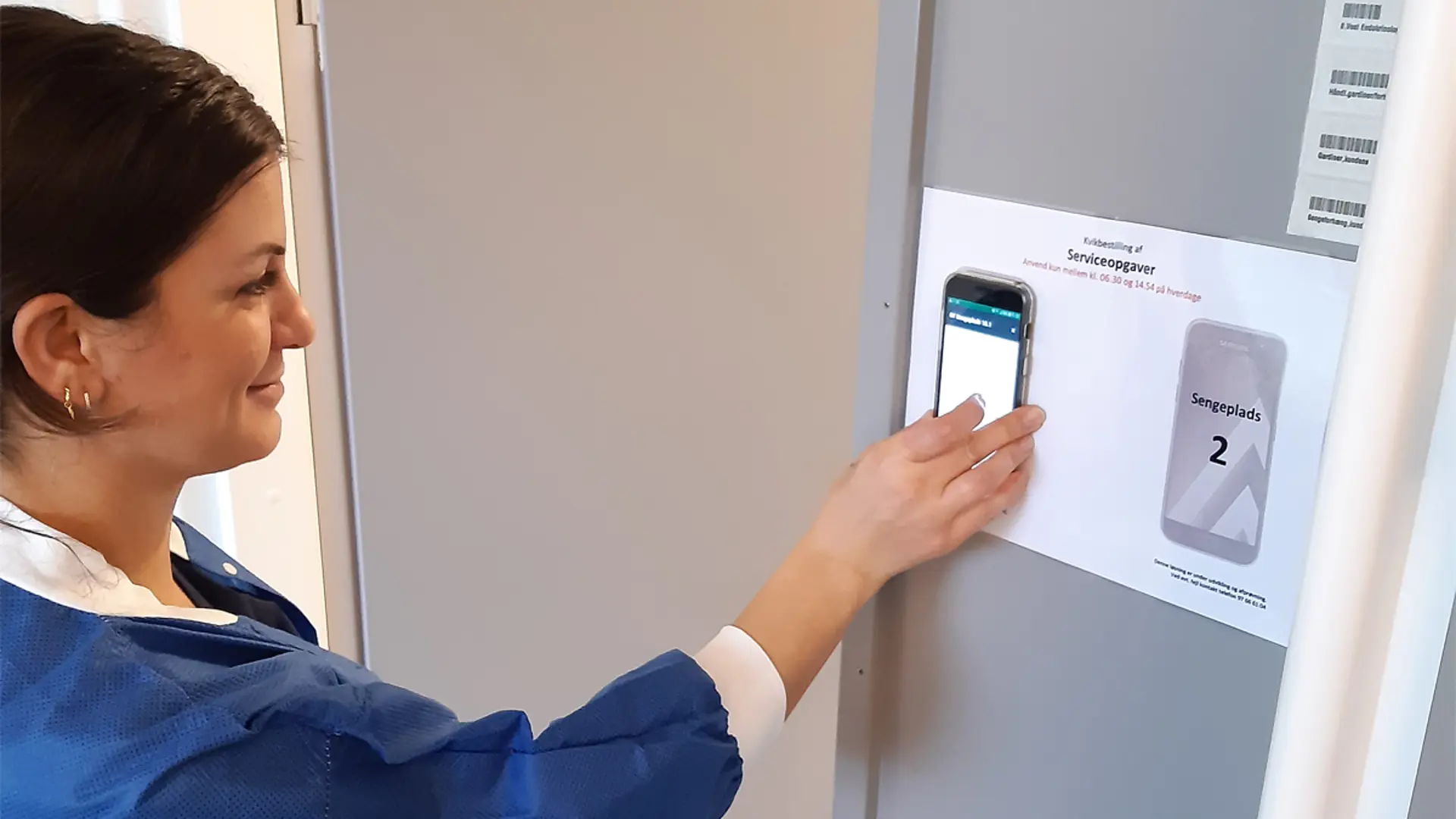 Danish hospital is testing new technology for ordering service tasksAt Aalborg University Hospital, NFC tags make it faster and easier to create service tasks digitally.Read more