Data-driven task management provides overview and more efficient use of ressources
Accurate data contributes to fast and reliable service for patients, optimised workflows, and better dialogue between departments and staff.
Digitisation creates new opportunities
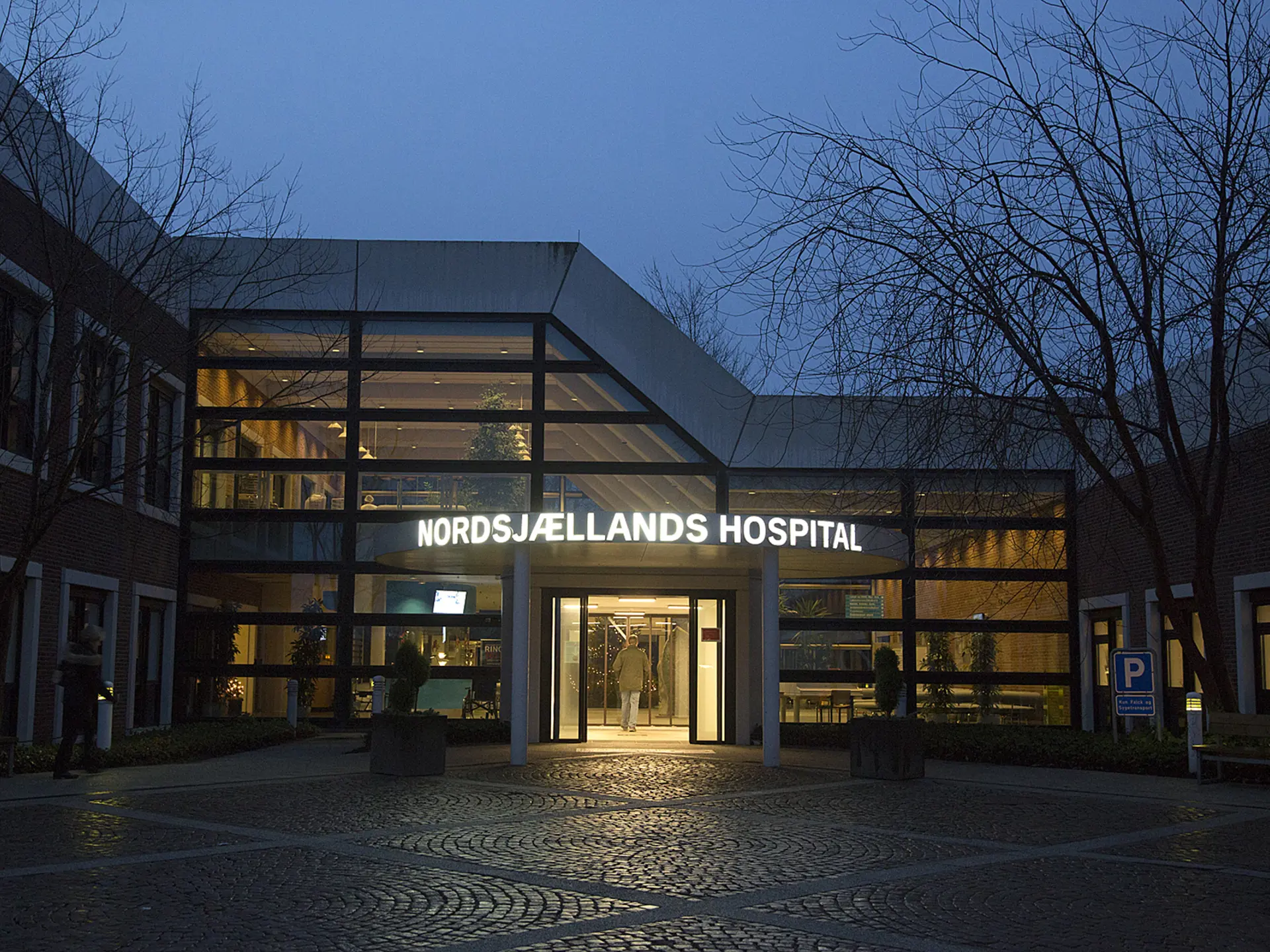
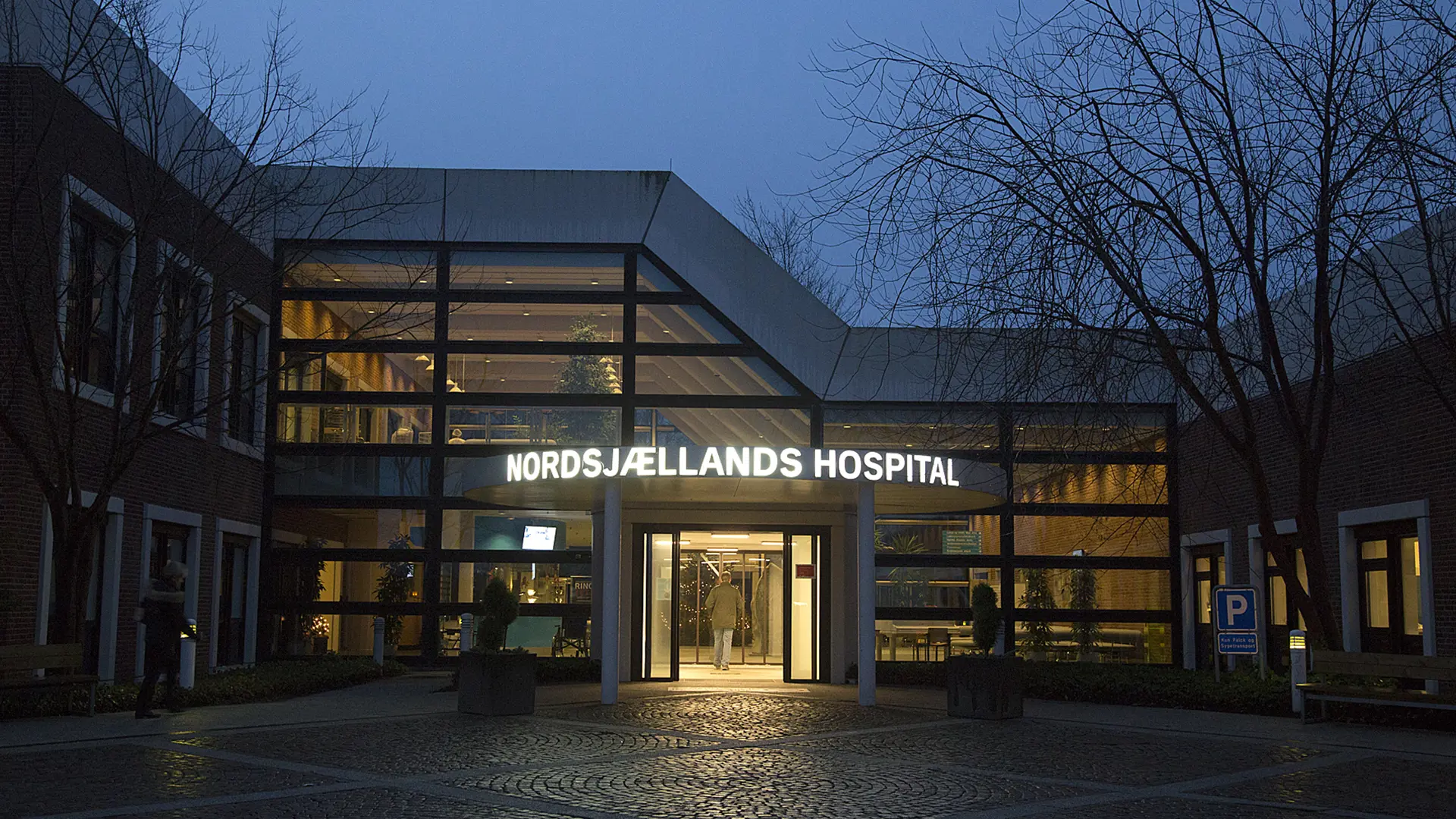
Nordsjællands Hospital implemented the Columna Flow Task Management solution as part of a new development strategy. Nordsjællands Hospital includes the hospitals at Hillerød and Frederikssund and the system has contributed to managing logistics at both locations. The Columna Flow solution is based on the data-driven management of the logistics operations in this Danish hospital.
Since Task Management was implemented, Nordsjællands Hospital has experienced major changes in the day-to-day logistics. Previously, the staff used only manual procedures This meant that when a task needed to be ordered and handled, the departments had to either call the central office, which allocated the task appropriately, or placed a direct call to the particular service assistants working for each department.
The implementation of the digital Task Management system means that the service personnel at Hillerød and Frederikssund Hospital now have a comprehensive overview of the tasks they are required to handle, while also generating data that helps the hospital provide the best service for patients.
He elaborates: “The volume, frequency, and speed of our service tasks have all improved, because we now have a clear picture of what we have to deal with”.
Data creates better communication between service staff and departments
The overview of the tasks in the Columna Flow solution has resulted in a large amount of data that the hospitals can use to improve communication between the different departments, hospital management, and the service centre. The data that the task management system generates is used for several different purposes.
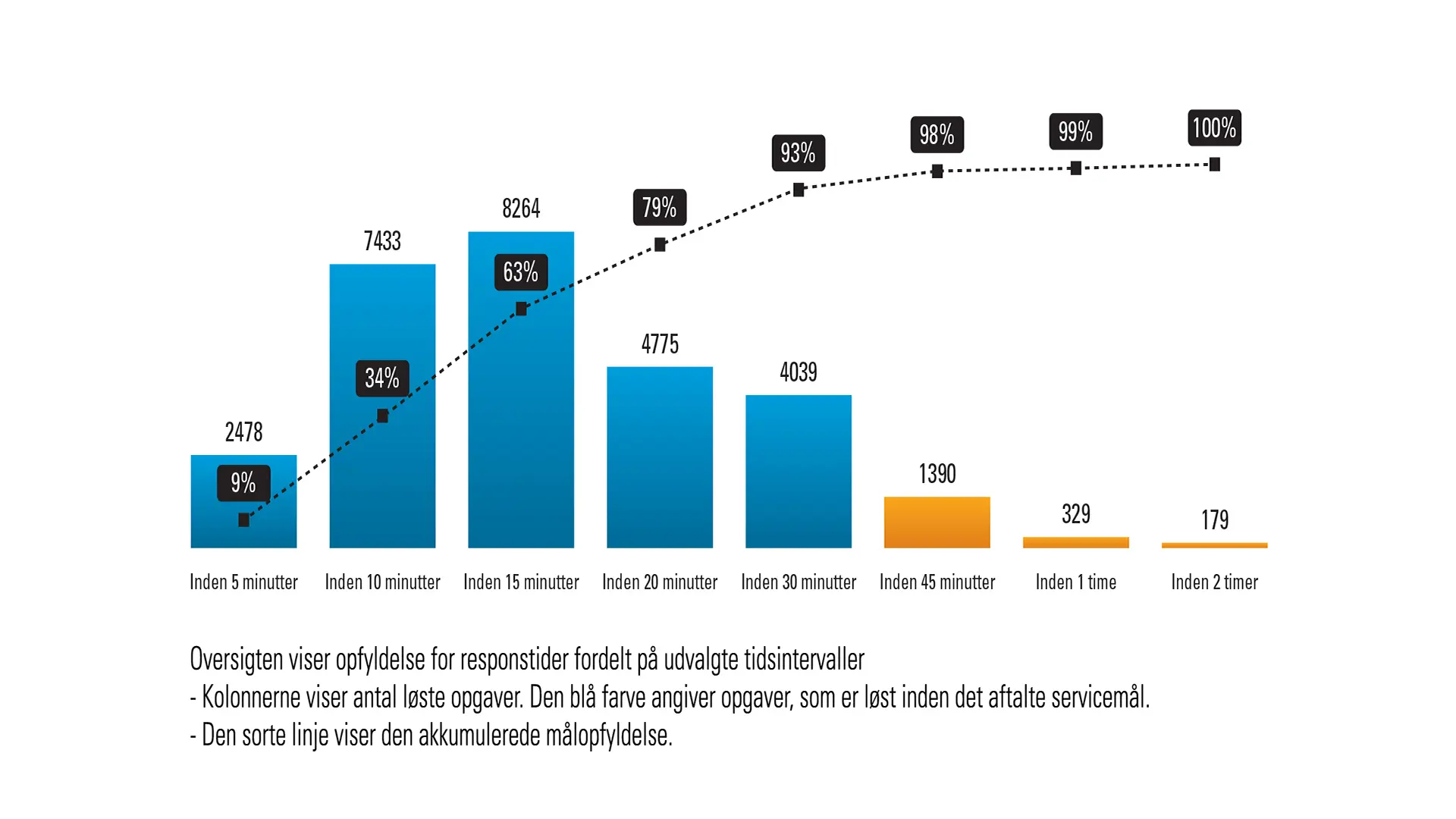
One example is when service management must deliver a regular report to the Executive Board every quarter. The data from the system is used to present how service personnel have performed in relation to the service agreements. This type of reporting was simply not possible before implementing the Task Management solution.
Nordsjællands Hospital’s use of data has led to organisational changes in terms of logistics, explains John Bjørn Olsen:
Data as foundation for improved dialogue
Data has also had a significant impact on the way service staff and the departments cooperate in day-to-day operations.
The data from Columna Flow is used at meetings between service management and the departments. The service management receives the data from the system and uses it to analyse when and how issues arise in day-to-day operations. “Data means that we can now see where and how our service efforts were distributed in specific episodes,” explains John Bjørn Olsen.
Before implementing the new task management system, communication between the different departments and teams was different. If problems occur and tasks were not handled correctly, a series of interactions started between the concerning departments and service teams. The previous flow means that first head of the concerning department get hold of the service management team, who then informed the service staff concerned.
Now, the flow of communication has now been reversed, so it is the service managers who call in the departments for meetings. Here the service managers present how the service personnel have performed, based on the data shown in the Task Management system.
Regular meetings between the service management team and departments are now integrated in the task management process. It ensures an open dialogue about how to deliver based, based on concrete data. This is a process that contributes to an improved workflow between departments and service personnel as result of the Columna Flow Task Management solution.
Data has created a better distribution of tasks
The availability of relevant data has given Nordsjællands Hospital a clear insight into the relationship between the orders placed for service tasks and expected delivery time of these tasks. For example, data has enlighten that many tasks are ordered just before the department staffs’ lunch break, in connection with doctors’ ward rounds, or in conjunction with shift changes. Peaks occur in the logistics during these particular times, when the service personnel are unable to deal with the number of tasks.
“In cases like these, data has given us a way to register and measure these times, which has in turn contributed to a good, open dialogue between the service staff and the departments about why the demand peaks occur,” says John Bjørn Olsen.
For the service personnel, using Columna Flow Task Management has seen a reorganisation in the various teams at different times throughout the day. Simultaneously, the departments have focused on getting the tasking orders spread throughout day, so that shift change don't culminate with new tasks.
At Nordsjællands Hospital, data has created a strong foundation for better communication and dialogue, which benefits every part of the hospital when the big logistics jigsaw must be pieced together every single day.
Latest news and cases
Find our latest news and customer cases here or browse through all of our healthcare news and cases by clicking the button below.
You can also sign up for our monthly newsletter, Care Connected, to stay up to date with the latest inspirational case studies, news stories, and digital healthcare innovation news.
 Capital Region of Denmark launches region-wide hospital trackingHospital tracking data is only useful if it can be shared. The Capital Region of Denmark has gone live with an open platform, built with Lyngsoe Systems, spanning nine of the region's hospitals.Read more
 Eight Greater Copenhagen municipalities extend their Cura partnershipThe Greater Copenhagen Digitalisation Association has awarded Systematic a new six-year contract covering eight municipalities and more than 300,000 residents — confirming Columna Cura as the leading care record solution in Denmark.Read more
 Esbjerg Municipality brings social care and healthcare together in CuraUsing a single system gives staff a clearer overview, better coordination, and joined-up working across the organisation.Read more
 QUMEA joins Columna Flow partner ecosystemQUMEA brings radar-based fall and mobility monitoring – privacy-preserving, no cameras, no wearables – into Columna Flow. The newest technology partner in our open hospital ecosystem.Read more
 What Ukrainian combat medics taught us about Battlefield Health50 medics from the Ukrainian front line visited Systematic feedback on Battlefield Health - a solution we have built to follow wounded soldiers from point of injury to hospital.Read more
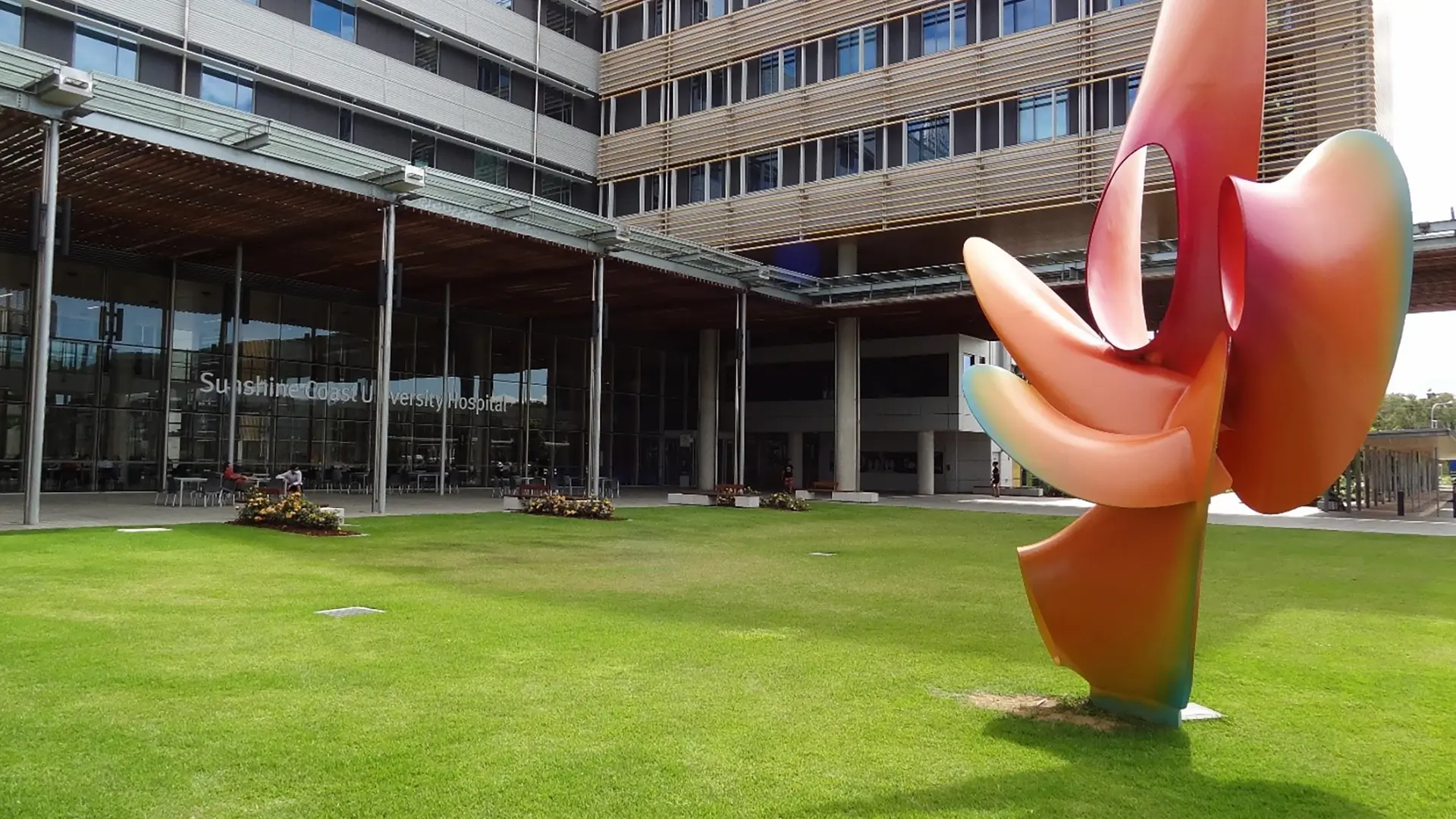 Sunshine Coast University Hospital optimises efficiency using Columna Flow Task ManagementAt Sunshine Coast University Hospital, Columna Flow Task Management supports Patient Support Assistants in handling service tasks across a large facility.Read more
 Systematic recruits two nurses in the race for the Norwegian municipalitiesDrawing on experience from both clinical practice and the vendor side, Trine Sønstelien and Tonje Teigene Heyn will bring Systematic's proven electronic care records solution into the Norwegian care sector - adapted to Norwegian healthcare practice and local needs.Read more
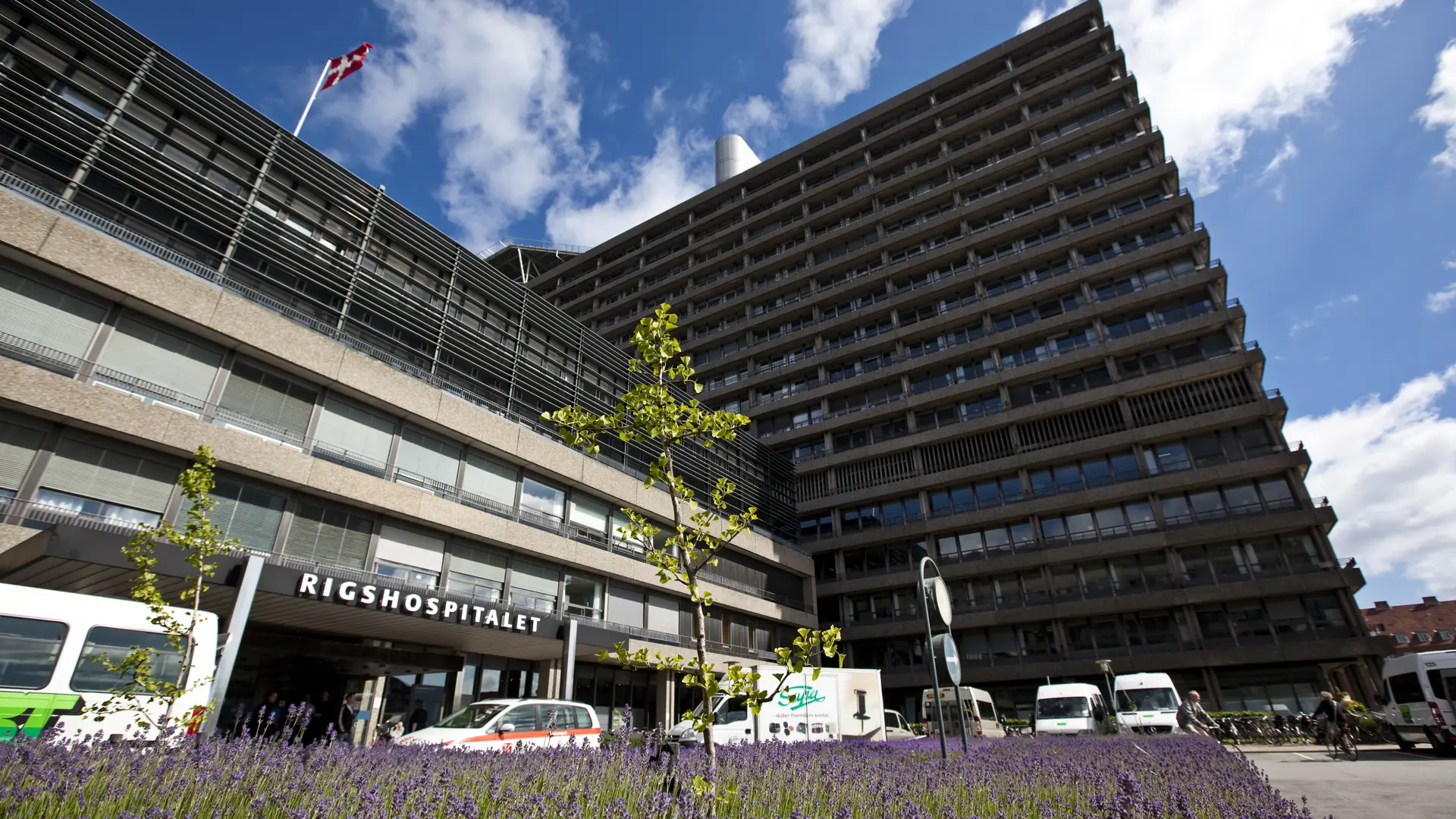 Columna Flow Task Management: Empowering porters to coordinate their own tasksAt Rigshospitalet, porters use Columna Flow Task Management to select tasks on their smartphones, giving a clearer overview and a less stressful day.Read more