
Layered Defence Requires Layered Decision-Making
Why the counter-drone revolution is fundamentally a command and control problem
This blog post is written by Ben Sargent, Business Development Manager, MIddle East
Unmanned Air Systems (UAS) had already demonstrated military value in conflicts ranging from Iraq, Afghanistan, Syria, Crimea, and Nagorno-Karabakh. But the 2022 war in Ukraine marks a turning point in their utility and the beginning of a new era of drone warfare.
The Coming of the Drone
Suddenly, drones became an essential, ubiquitous part of the battlefield. No longer a specialist asset, drones are both consumable and indispensable at all levels of military operations. Now critical parts of the ‘kill chain’, FPV (first-person view) drones became readily accessible precision munitions, and platoon commanders suddenly had access to capabilities that would previously have required dedicated air assets.
Drone attacks are now common headlines:
Ukraine's industrial-scale drone warfare
Houthi attacks in the Red Sea
Iranian missile and drone attacks
Recent concerns over saturation attacks in the Gulf
The consequence?
An unprecedented demand for counter drone (C-UAS) capabilities.
The Hidden Problem - Resource Allocation
Much as the use of drones has rapidly evolved, so has the approach to C-UAS.
Initial C-UAS systems, understandably, focused on the effector. The jammer, laser, missile, kinetic capture, or projectile that would neutralise the threat. Many nations have initiated wide ranging procurement initiatives to address the urgent asymmetric challenge that comes with a threat as accessible as a $100 drone.

Yet, effectors are only the final part in a larger, and increasingly complex, C-UAS chain. How do you defend across a battlespace that simultaneously contains:
One-way attack drones
Friendly UAS and air assets
Cruise missiles
Friendly and enemy artillery
Tactical Ballistic Missiles
Civilian aircraft
As cost per kill (both financial and stockpiles) becomes a stark strategic consideration, how do commanders effectively assess the threat, classify, prioritize, and allocate the optimal asset in highly dynamic, high-stakes situations?
The emerging C-UAS challenge is now orchestration: C-UAS has become and Command and Control (C2) problem.
Beyond Air C2
The temptation is to frame C-UAS purely as an air defence problem. It isn’t — not anymore.
A one-way attack drone approaching a vessel in the Strait of Hormuz is simultaneously an air track, a maritime threat, a potential ISR platform, and possibly a component of a coordinated, multi-axis attack. Engaging it effectively requires an understanding of friendly force disposition, airspace usage, competing threats, available effectors, and rules of engagement — all within seconds.
This is not an air picture problem; it is a multi-domain problem.
The Recognized Air Picture (RAP) was designed to support air defence. Modern drone warfare demands something broader: a true multi-domain Common Operating Picture (COP) that fuses friendly force positions, air and maritime tracks, sensor and effector status, intelligence overlays, and critical infrastructure in near-real time, shared across all operational (and political) echelons that need it.
Solving this challenge requires a step-change in how information is fused, interpreted, and acted upon. Commanders increasingly require systems that can:
Fuse inputs from multiple sensors across air, land, and maritime domains into a coherent, shared COP
Dynamically assess threat type, intent, and relative priority, aided by decision support and AI
Recommend optimal responses based on available assets, cost considerations, and rules of engagement, with AI aiding not leading to ensure human-in-the-loop decisions
Enable distributed decision-making across tactical, operational, and strategic echelons in near- real time
Without these capabilities, even the most advanced effectors risk being employed sub-optimally, amplifying the very cost asymmetries they are intended to address. Commanders will default to over-engaging with high-value munitions because they lack the full, coordinated situational awareness.
C-UAS capability is only as good as the situational awareness and decision support behind it. Building the effector layer without building the C2 layer is the wrong investment sequence, and it is the mistake many procurement programmes are currently making. In this environment, superiority will not be defined solely by the performance of individual systems, but by how effectively sensing, decision-making, and engagement are integrated into a coherent whole.
Newsletter
Cannot see the form?
Your privacy or security settings may be blocking the form.
Explore more blog posts
 Rapporteur speaks to Systematic CEO on AI and Denmark’s drone defenceRapporteur has reported on Denmark’s plans to strengthen its counter-drone capabilities with AI-supported command and control.Read more
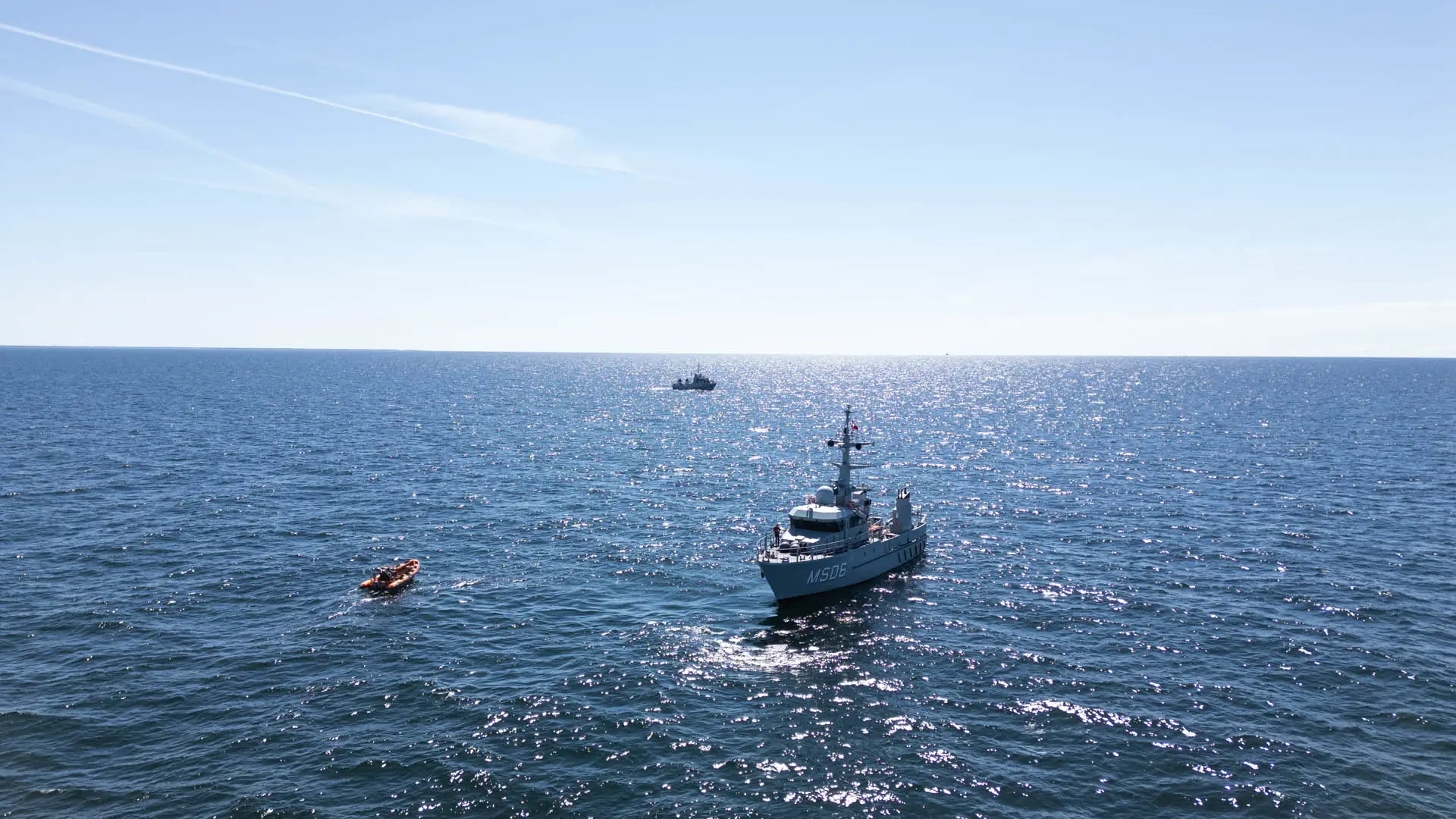 Systematic launches new MCM module for SitaWare MaritimeSystematic has developed a new planning module for mine countermeasures (MCM) in SitaWare Maritime, transforming the ability to quickly task MCM vessels (MCMVs) and significantly enhancing situational awareness for navies.Read more
 SitaWare and Australia: Interoperability, data sovereignty and future opportunitiesSystematic's battle management software will help the Australian Army modernise its C2 capabilities and meet allied interoperability and data sovereignty requirementsRead more
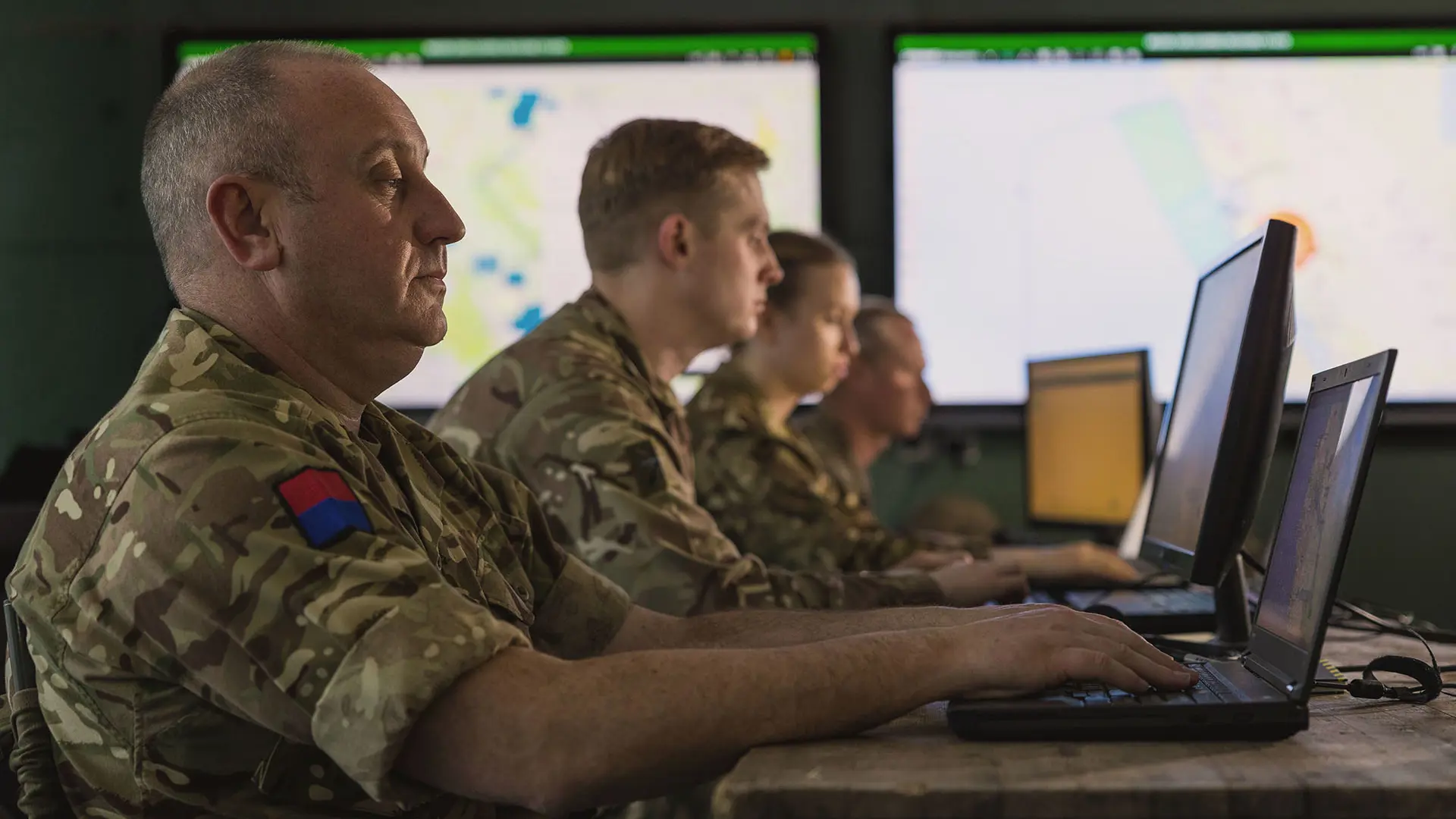 Reflections: What the NATO Ankara Summit means for Command-and-ControlA fortnight on from the NATO Summit in Ankara, and I have been reflecting on what stood out most for me. The Summit Declaration sets the right direction: an interoperable warfighting cloud, powerful AI models, a stronger Europe within a stronger NATO. But every one of those ambitions rest on a single, less headline-grabbing capability, Allies need to be able to operate together - interoperability. And it is the one commitment in the declaration that is not a promise but a proven fact.Read more
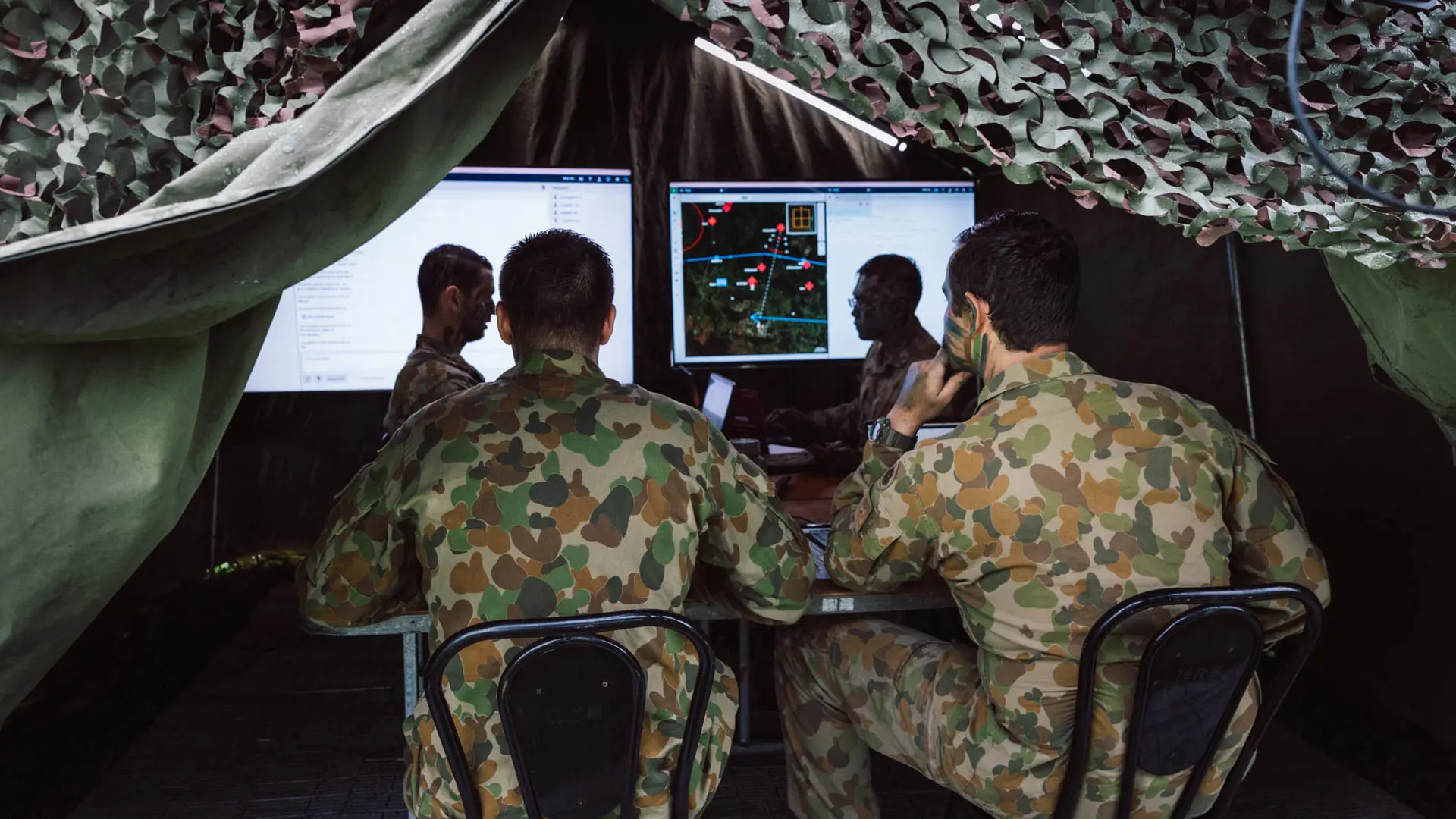 Next-level command briefings: How SitaWare’s new briefing tool transforms presentations for commandersNew updates to SitaWare Headquarters will transform military briefings for commanders, with presenters now able to deliver interactive briefings for their leaders directly from the Battle Management System (BMS).Read more
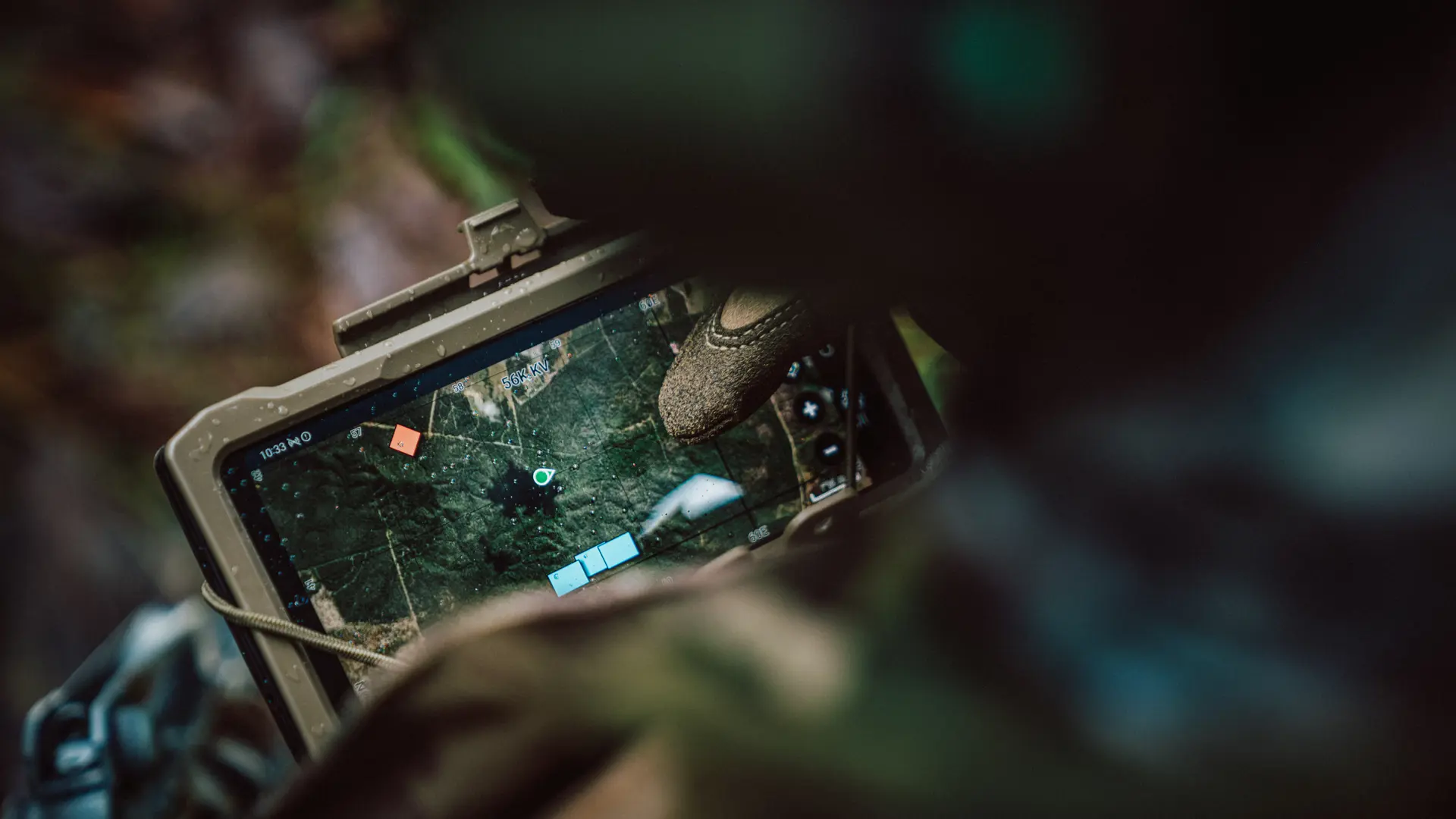 Closing the targeting loopModern targeting has to do three things: sit inside the C2 platform, connect every source of new targets to the staff workflow and give staff a clear view of the entire pipeline. The latest SitaWare release delivers all three, bringing target nomination to the point of observation and closing the loop between observer and command post.Read more
 How SitaWare is advancing agentic AIFrom data challenges to domain expertise, Systematic is building the agentic AI capabilities that tomorrow's militaries will depend onRead more
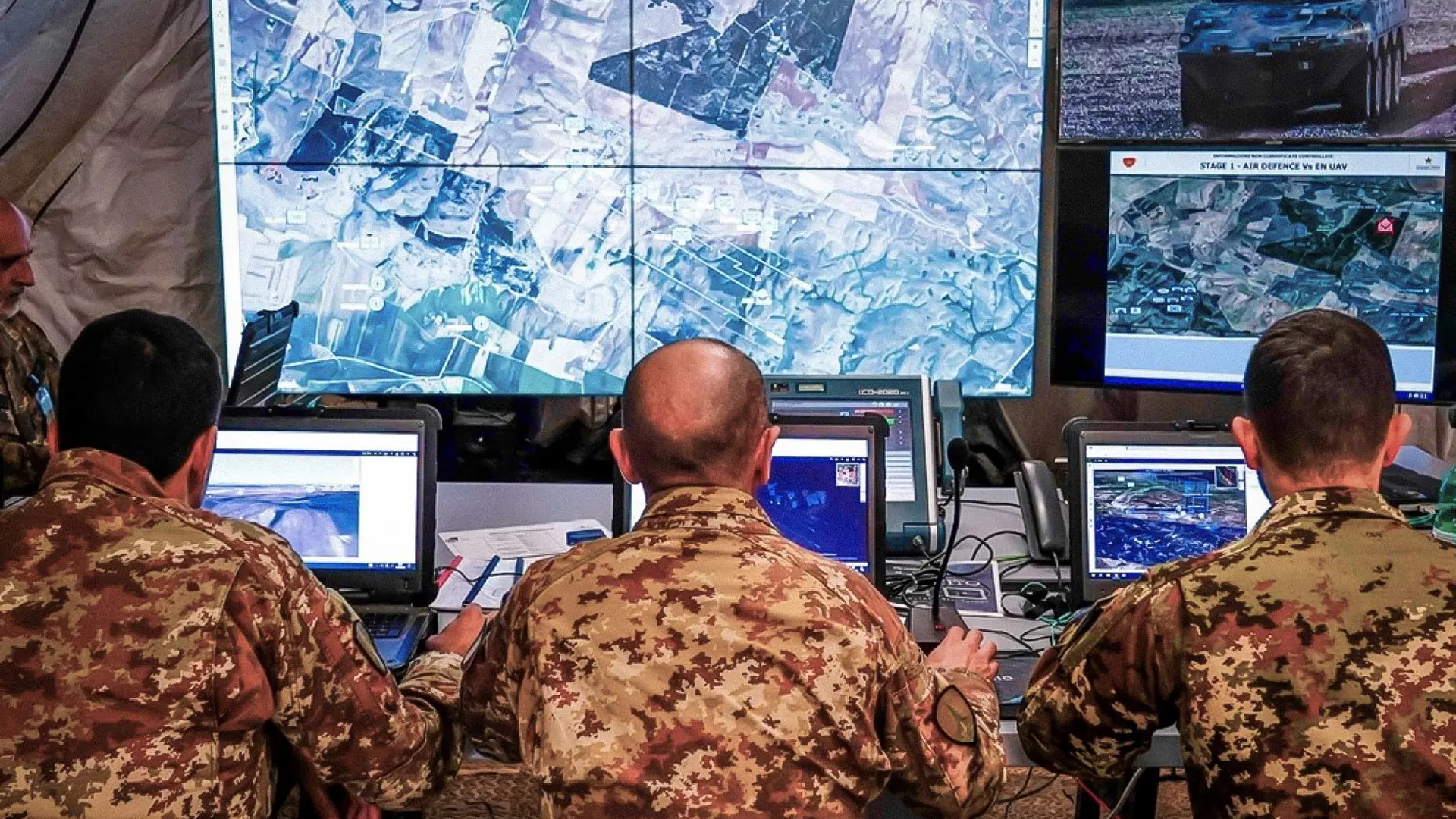 How much is C2 being transformed?Operation Epic Fury and the war in Ukraine offer four lessons about the future of command and control — but not all of them point in the same direction.Read more