
Reflections: What the NATO Ankara Summit means for Command-and-Control
Written by Andrew Graham, Group Senior Vice President Business Development
A fortnight on from the NATO Summit in Ankara, and I have been reflecting on what stood out most for me. The Summit Declaration sets the right direction: an interoperable warfighting cloud, powerful AI models, a stronger Europe within a stronger NATO. But every one of those ambitions rest on a single, less headline-grabbing capability, Allies need to be able to operate together - interoperability. And it is the one commitment in the declaration that is not a promise but a proven fact.
Most of the declaration is written in the future tense, and rightly so, because these are hard things still to build. One line is different: "Our investments are delivering the capabilities we need." Delivery is the real test, and in C2 it has largely been met, not in a demonstration but under the conditions that decide a coalition operation: many nations working together, degraded communications, command exercised by an officer from another nation and in using systems that were not initially designed to work together.

Interoperability cannot be asserted, only demonstrated, and across the Alliance it already is – in particular in the land domain. NATO chose SitaWare Headquarters as its Land C2 capability two years ago, and now more than 20 NATO members also use the same software as their national solution. This ensures that they are not only all trained on the same software, but they can instinctively work as one cohesive unit. Another example is the 1 German-Netherlands Corps which commands 12 nations from one operational picture, each keeping its own systems and rules while feeding it. This is tested where it counts: every year at CWIX against Alliance data standards, among them MIP 4.4, APP-11 and Federated Mission Networking (FMN). And more tellingly in coalition exercises, such as Aurora 26 earlier in the spring. Coalition interoperability at this scale is the hardest thing in defence software to fake – it is either there or it isn’t. And when it isn’t, this makes working as Allies extremely difficult.
The declaration puts weight on resilience too, and in command and control that is above all an operational quality. Capability has to keep working when networks are degraded or contested, not only when conditions are ideal. And it has to keep meeting the Alliance's standards continuously, rather than being certified once and left to drift. Interoperability that endures under those conditions is the point.
The same logic decides how NATO should deploy AI. Battlefield data already outruns what any staff can process unaided, so the question is not whether to use AI but where it sits. It belongs inside the C4ISR environment, drawing on the C2 and interoperability the Alliance already runs on, not bolted alongside as a parallel system. Used this way, AI helps staff find what matters, while the decision and the accountability remain with the commander, who must always be able to trace and question it. Agentic AI, the step beyond, must be built on those proven foundations, not in their place.
In C2, the interoperability declaration is fundamental, it is how the Alliance operates today and the foundation Agentic AI must build on. As a NATO partner, we are committed to continually develop and strengthen this interoperability foundation.
Explore more blog posts
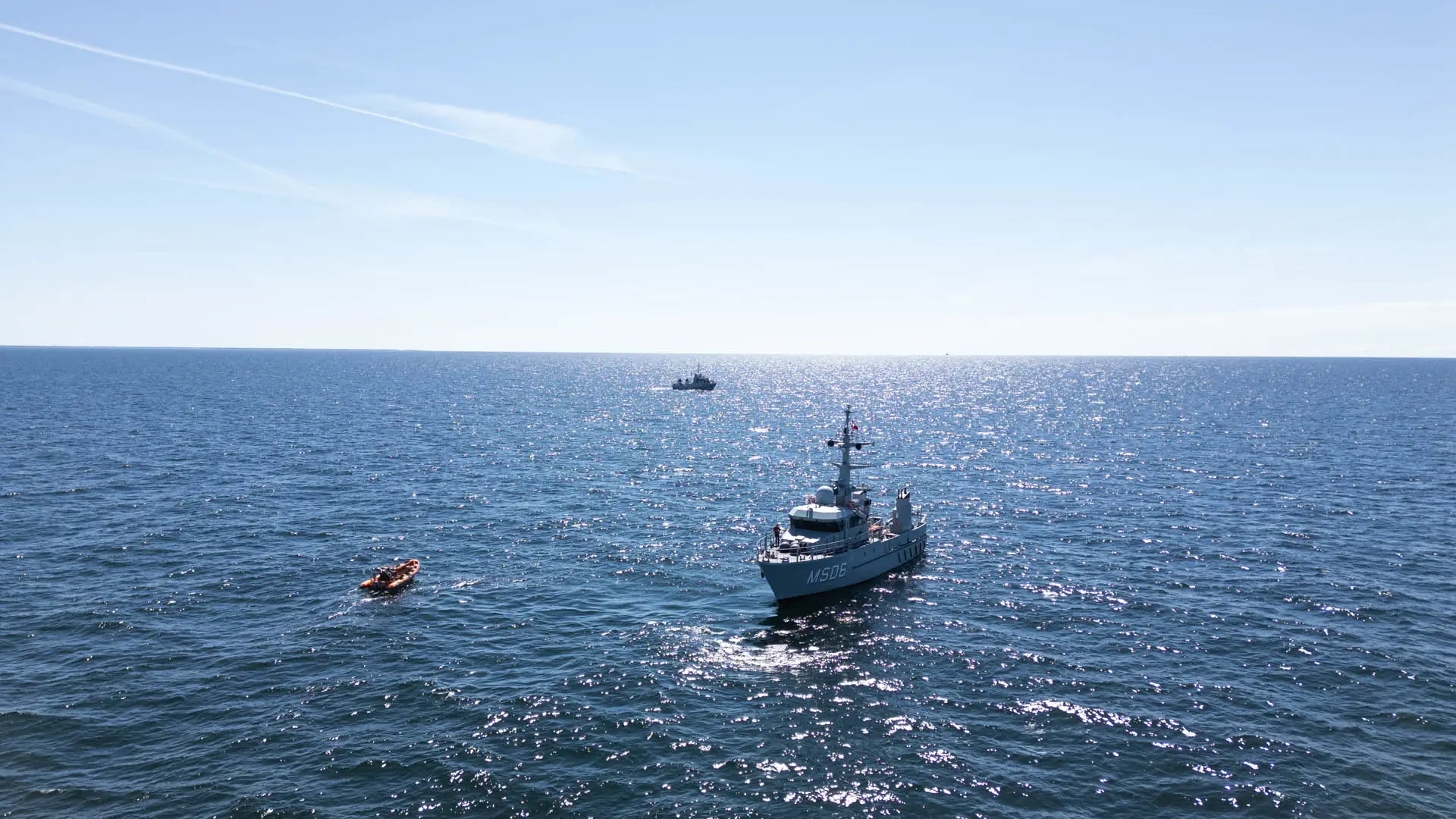 Systematic launches new MCM module for SitaWare MaritimeSystematic has developed a new planning module for mine countermeasures (MCM) in SitaWare Maritime, transforming the ability to quickly task MCM vessels (MCMVs) and significantly enhancing situational awareness for navies.Read more
 SitaWare and Australia: Interoperability, data sovereignty and future opportunitiesSystematic's battle management software will help the Australian Army modernise its C2 capabilities and meet allied interoperability and data sovereignty requirementsRead more
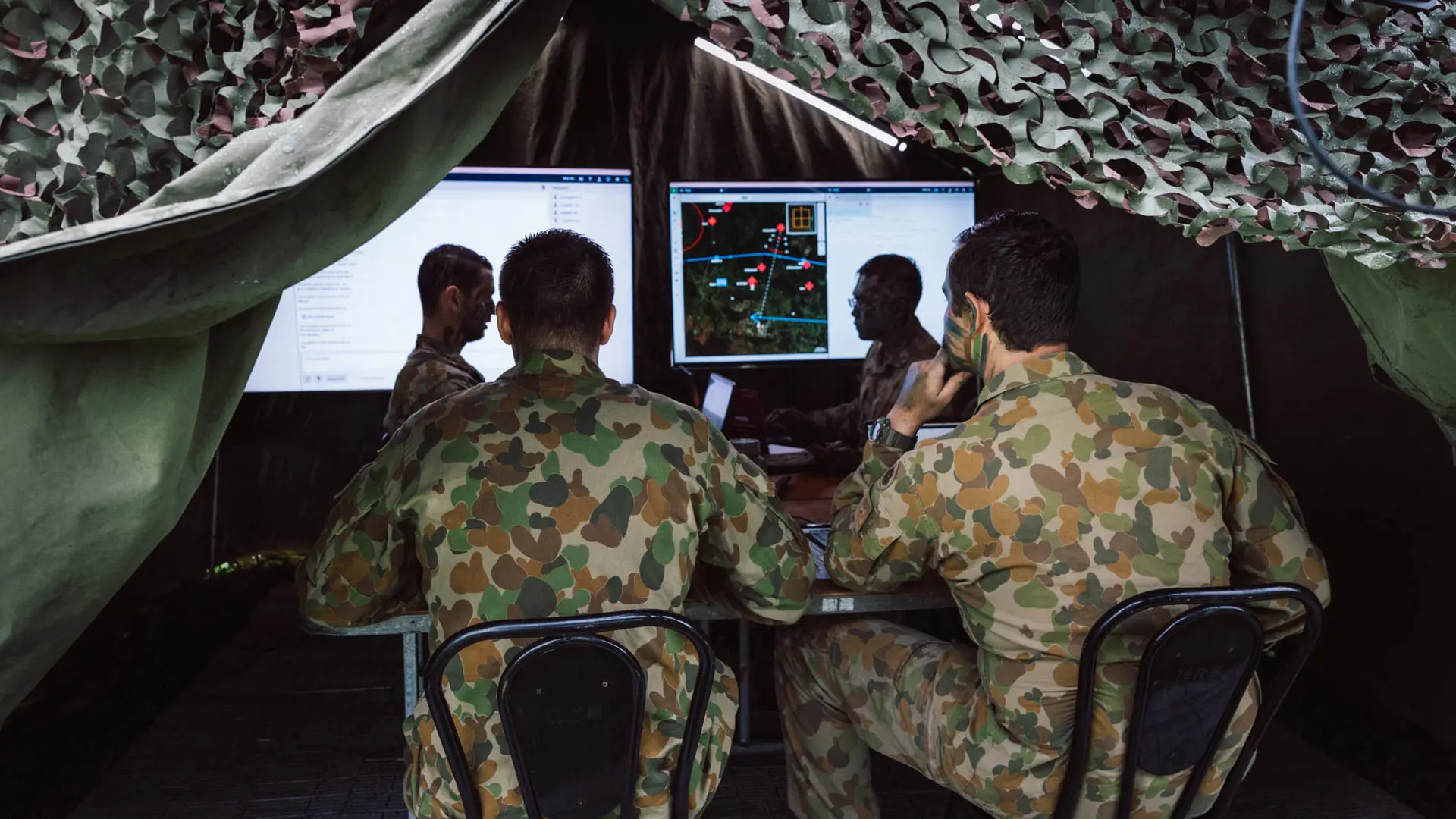 Next-level command briefings: How SitaWare’s new briefing tool transforms presentations for commandersNew updates to SitaWare Headquarters will transform military briefings for commanders, with presenters now able to deliver interactive briefings for their leaders directly from the Battle Management System (BMS).Read more
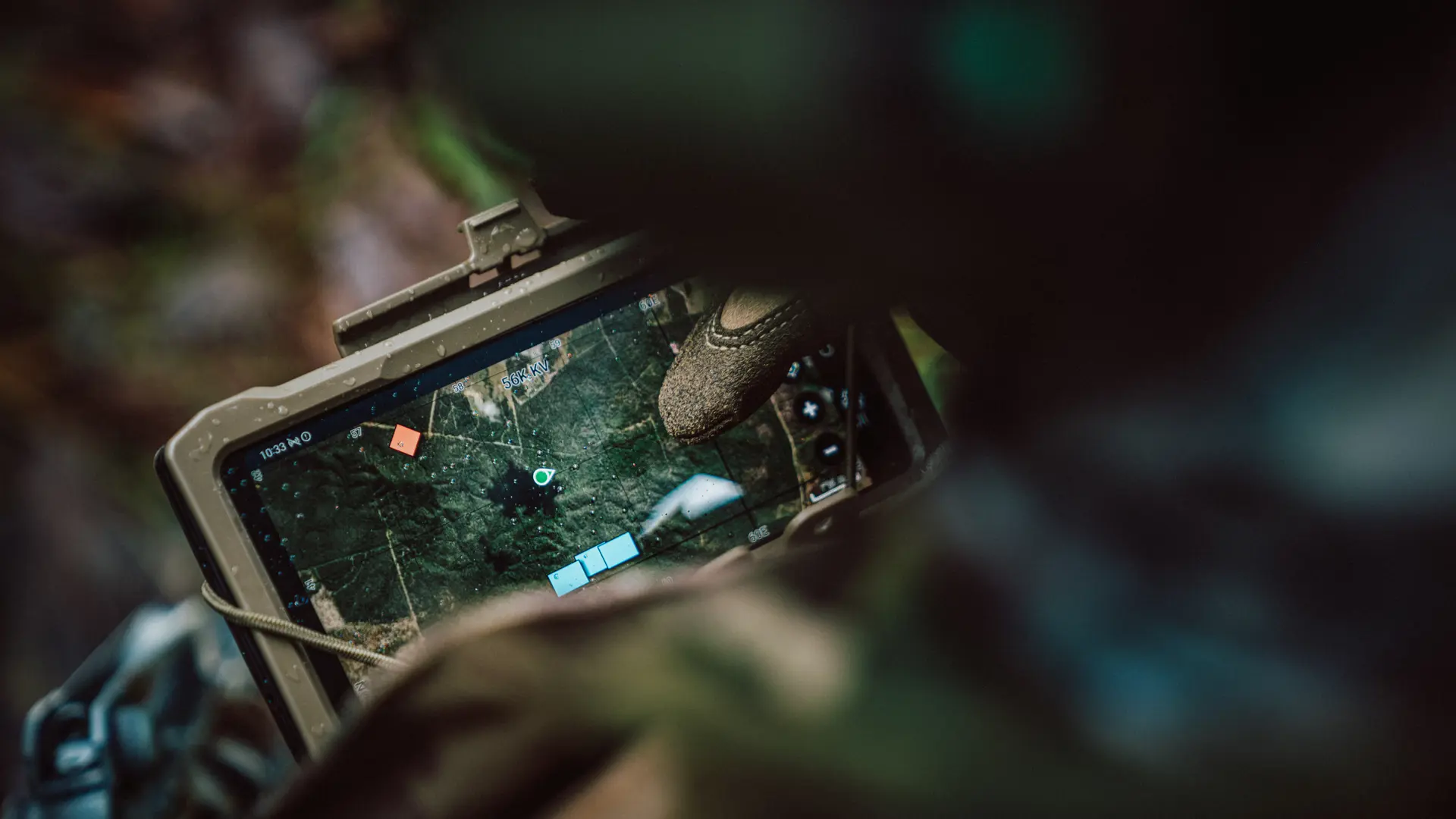 Closing the targeting loopModern targeting has to do three things: sit inside the C2 platform, connect every source of new targets to the staff workflow and give staff a clear view of the entire pipeline. The latest SitaWare release delivers all three, bringing target nomination to the point of observation and closing the loop between observer and command post.Read more
 How SitaWare is advancing agentic AIFrom data challenges to domain expertise, Systematic is building the agentic AI capabilities that tomorrow's militaries will depend onRead more
 Layered defence requires layered decision-makingWhy the counter-drone revolution is fundamentally a command and control problemRead more
 How much is C2 being transformed?Operation Epic Fury and the war in Ukraine offer four lessons about the future of command and control — but not all of them point in the same direction.Read more
 The Gulf’s Multi-Domain ChallengeThe conflict with Iran has shown that resilience in the Gulf no longer rests on mass, but on integration across military, civilian and commercial domains. Modern command and control must be multi-domain, interoperable and ready to operate across national boundaries from day one.Read more
Newsletter
Cannot see the form?
Your privacy or security settings may be blocking the form.