
SitaWare and Australia: Interoperability, data sovereignty and future opportunities
Systematic's battle management software will help the Australian Army modernise its C2 capabilities and meet allied interoperability and data sovereignty requirements
The Australian Army’s selection of SitaWare as its Battle Management System (BMS) is a crucial milestone, underscoring the software’s capabilities and demonstrating the growing appetite for proven and interoperable command and control (C2) software in Australia and the wider region.
On 19 June 2026, the Australian Department of Defence signed a $98m contract with Systematic for the BMS C2 component of the Australian Army’s LAND 4140 C4I Modernisation Project. This will see SitaWare Headquarters rolled out across the Army, including warfighting and reservist elements.

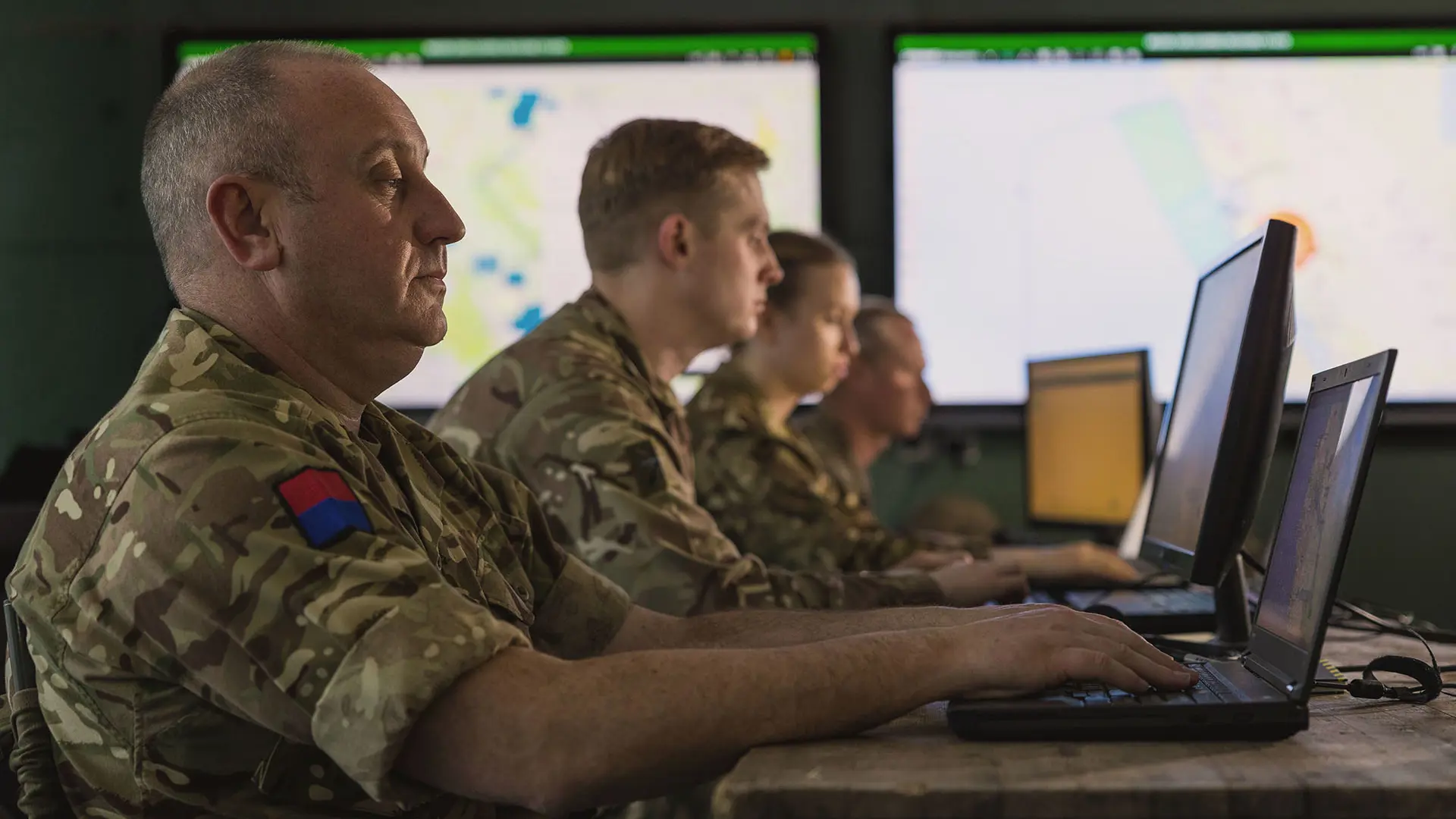
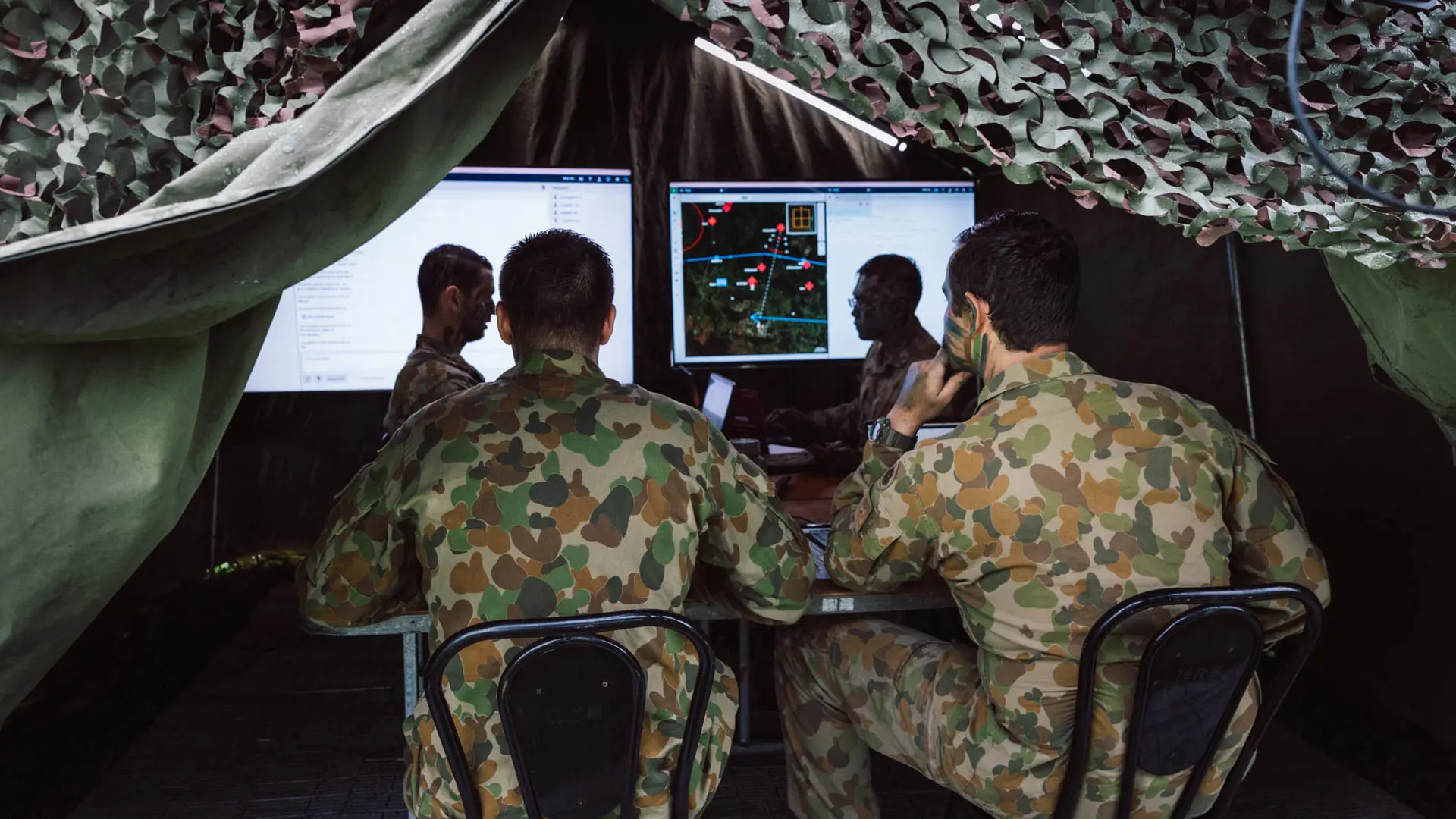
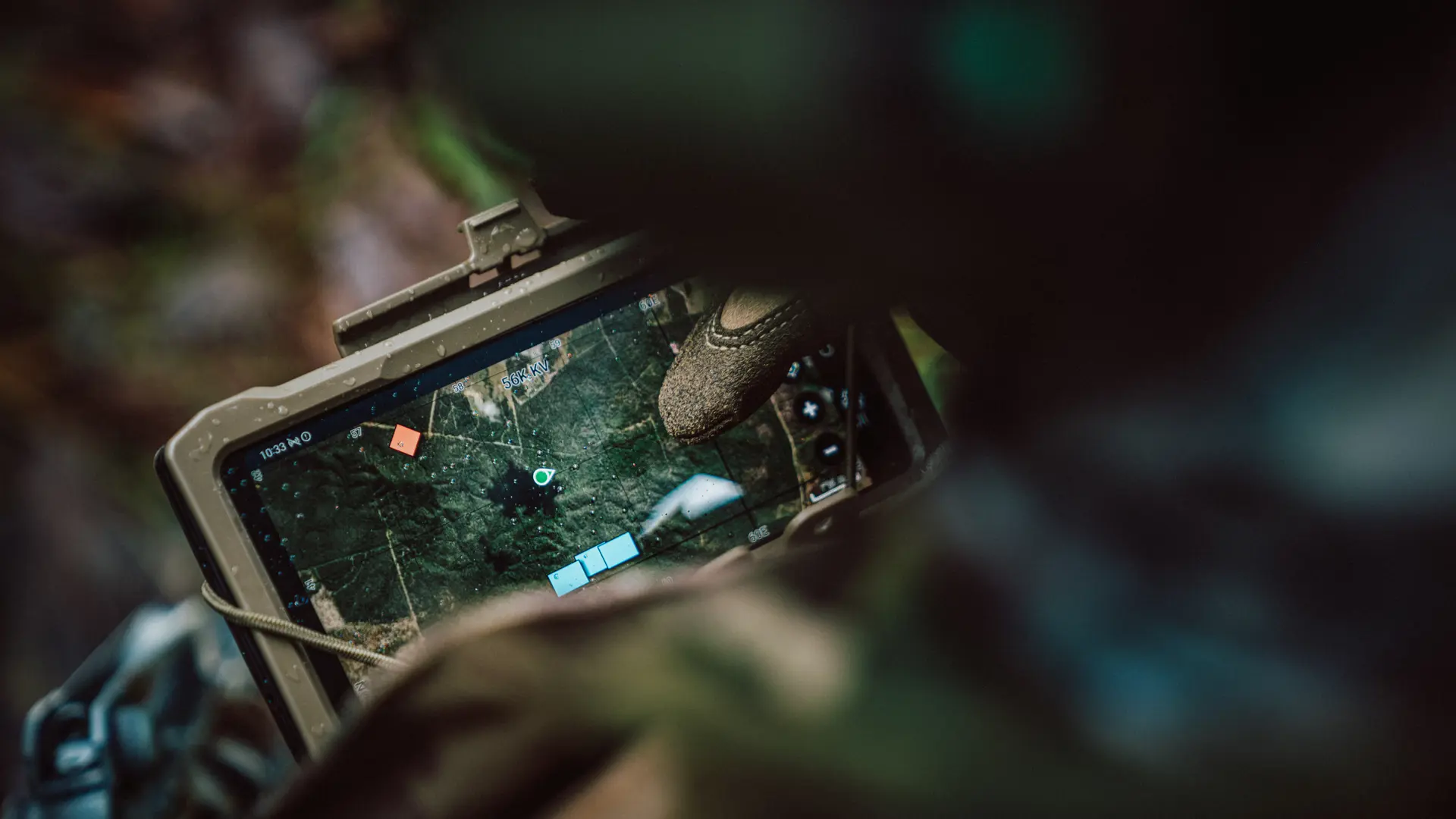
The selection builds on five years of successful operations with the Australian Army. SitaWare software will fulfil a range of critical C2 roles in everything from headquarters applications to supporting soldiers in the battlefield.
Operational validation
“The selection of SitaWare software is significant because it comes after years of operational validation by a leading military user,” said Mark Gainsford, Vice President for Business Development in Systematic Australia. “The success reaffirms the confidence and trust that the Australian Army puts in our software and our people, because it's the people supporting SitaWare software that makes it work.”
The selection places SitaWare software at the heart of Land 4140, an ambitious programme designed to overhaul and enhance the Army’s C4ISR capabilities, delivering secure, resilient and adaptable capabilities in the evolving modern battlespace.
Gainsford underlined the wide-ranging nature of the Australian Army’s planned use of the C2 software. “Systematic has already been delivering on these goals, but the work will now grow in scope and ambition,” he explained.
Interoperability demands
The Army needs a warfighting system it can trust, operate and go to war with tomorrow,” said Gainsford. This is particularly important in the context of a changing Indo-Pacific security landscape, defined by increased strategic competition.
Allied interoperability is a critical priority to meet these emerging challenges. Australia derives significant benefits from its membership of AUKUS and the ‘Five Eyes’ intelligence alliance, while the country has deepening bilateral relations in the region.
“There's a recognition that coalition force operations are going to become more of a norm, particularly if strategic circumstances were to deteriorate,” said Gainsford. “Assuring yourself that you can fight in that context is crucial for a lot of nations, including Australia.”

Helping to deliver such interoperability is a central focus for SitaWare software, which has been used extensively by more than 50 militaries across the world, including Five Eyes members, as well as many NATO states and NATO HQ itself. The SitaWare Suite’s compliance with NATO’s Federated Mission Network (FMN) requirements on interoperability, for example, is a clear indication of its capabilities.
“That's a core strength of our platform is it can be a crucial enabler for the Australian Army to integrate force elements at any level with other allied partners,” Gainsford explained. “Australia recognises the strengths that the SitaWare platform brings around interoperability, C2 functionality and battle management.”
Data sovereignty
The SitaWare Suite’s interoperability credentials empower different systems to securely share data and information. At the same time, the software can adapt to technical innovations as required, such as the increasing presence of AI across the battlespace.
However, the digital battlespace poses significant technological challenges, particularly when it comes to data sovereignty. Modern BMS must empower users to manage and optimize the C4ISR resources at their fingertips while protecting their valuable intelligence and information.
This is another key strength of SitaWare software, proven in highly demanding military environments with NATO allies and beyond.
Next steps
The adoption of SitaWare software by the Australian Army signals strong confidence in the platform and Systematic’s ability to support the service’s integration roadmap. Systematic plans to work with the Australian Army for the long term, helping to meet their needs in Five Eyes and coalition interoperability, data sovereignty, and the challenges of the Indo-Pacific region.
The next phase of the programme will expand the rollout of SitaWare software across the Army and formalise training requirements. Gainsford noted that the SitaWare BMS could be integrated with a range of other systems, including ISR platforms and logistics systems, further enhancing the reach and effectiveness of the C2 capability.
“A wide range of different elements could now be formally integrated into the battle management solution that SitaWare software provides,” he explained.
A long-term partnership
Looking forward, Systematic will continue investing in its long-term relationship with Australia. There is significant potential to expand the capability across the Australian Defence Force (ADF), noted Gainsford, should there be similar requirements from other services in the coming years.

“That will be a natural progression for us as a company. We want to prove ourselves so that other services can see the benefits of the Army’s investment,” he said.
Likewise, Systematic is interested in exploring opportunities across Australian industry and the national security base, Gainsford said. “We've gone through a full process of government approval, they're backing us, and we're open to being more broadly utilized and integrated.”
Having proven the effectiveness of SitaWare software in service with a highly advanced user in the Australian Army, Systematic will explore opportunities across the region, where many countries have the same need for interoperability, data sovereignty and the other benefits of cutting-edge C2 software and BMS technology.
“We want to talk to users about their needs and how we can become a more integrated part of the wider ecosystem,” he concluded. “Above all, we’re proud of our relationship with the ADF and look forward to working with them on long-term delivery.”
Explore more blog posts
 Systematic launches new MCM module for SitaWare MaritimeSystematic has developed a new planning module for mine countermeasures (MCM) in SitaWare Maritime, transforming the ability to quickly task MCM vessels (MCMVs) and significantly enhancing situational awareness for navies.Read more
 Reflections: What the NATO Ankara Summit means for Command-and-ControlA fortnight on from the NATO Summit in Ankara, and I have been reflecting on what stood out most for me. The Summit Declaration sets the right direction: an interoperable warfighting cloud, powerful AI models, a stronger Europe within a stronger NATO. But every one of those ambitions rest on a single, less headline-grabbing capability, Allies need to be able to operate together - interoperability. And it is the one commitment in the declaration that is not a promise but a proven fact.Read more
 Next-level command briefings: How SitaWare’s new briefing tool transforms presentations for commandersNew updates to SitaWare Headquarters will transform military briefings for commanders, with presenters now able to deliver interactive briefings for their leaders directly from the Battle Management System (BMS).Read more
 Closing the targeting loopModern targeting has to do three things: sit inside the C2 platform, connect every source of new targets to the staff workflow and give staff a clear view of the entire pipeline. The latest SitaWare release delivers all three, bringing target nomination to the point of observation and closing the loop between observer and command post.Read more
 How SitaWare is advancing agentic AIFrom data challenges to domain expertise, Systematic is building the agentic AI capabilities that tomorrow's militaries will depend onRead more
 Layered defence requires layered decision-makingWhy the counter-drone revolution is fundamentally a command and control problemRead more
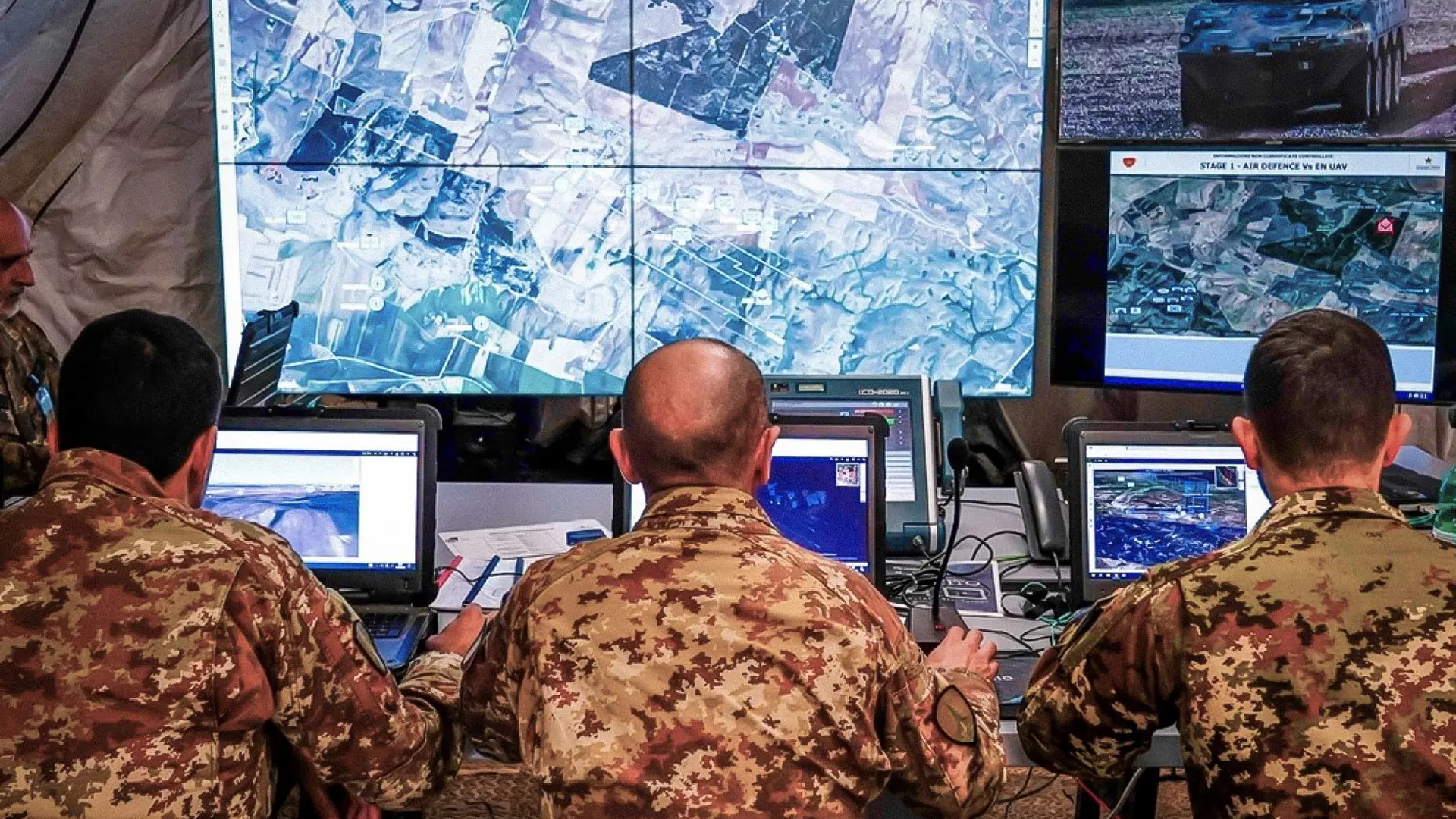 How much is C2 being transformed?Operation Epic Fury and the war in Ukraine offer four lessons about the future of command and control — but not all of them point in the same direction.Read more
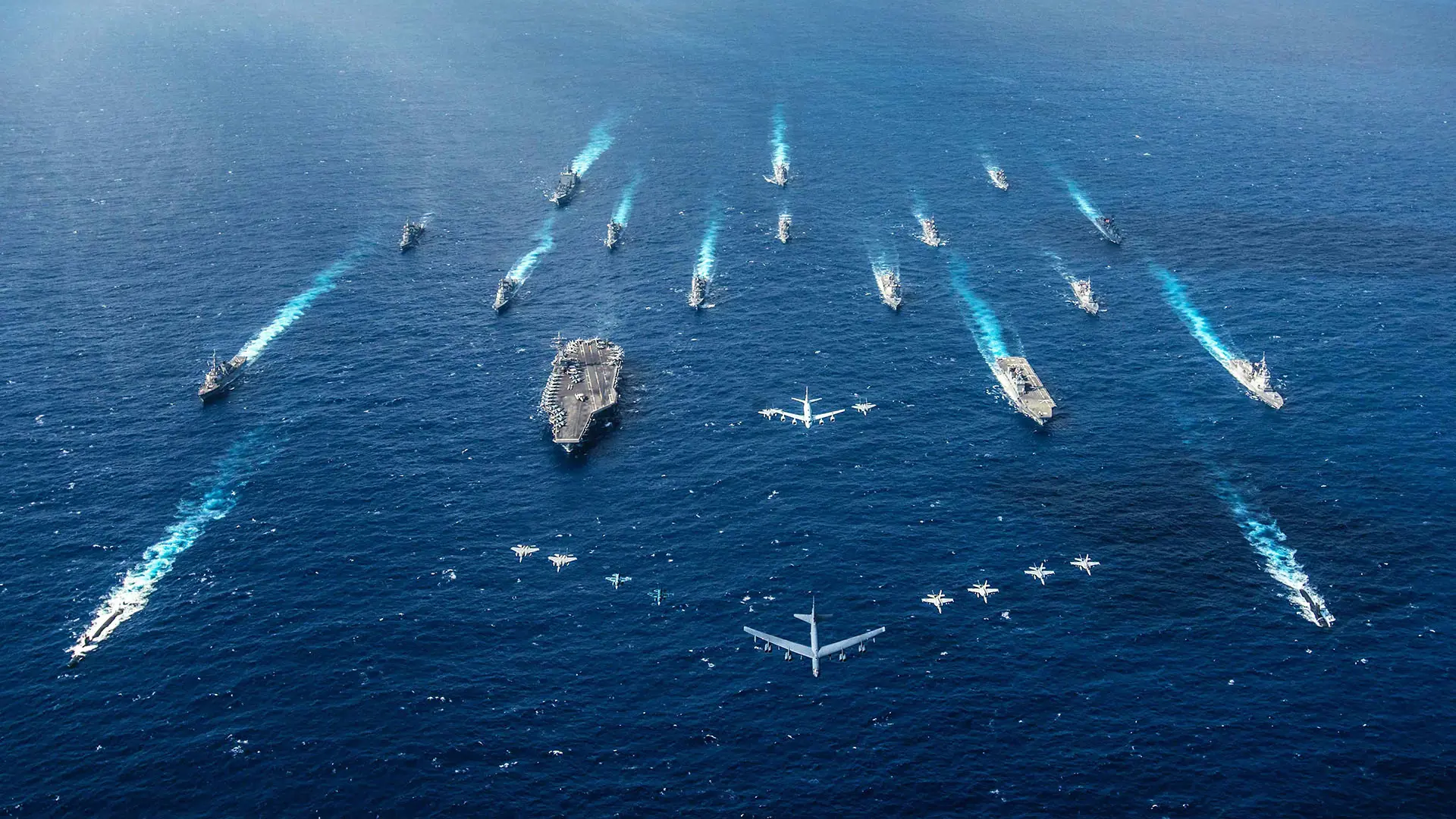 The Gulf’s Multi-Domain ChallengeThe conflict with Iran has shown that resilience in the Gulf no longer rests on mass, but on integration across military, civilian and commercial domains. Modern command and control must be multi-domain, interoperable and ready to operate across national boundaries from day one.Read more
Newsletter
Cannot see the form?
Your privacy or security settings may be blocking the form.