
Connect Columna Flow to your existing hospital systems
Your hospital already has systems for patient records, asset management, facilities, and tracking technology. Columna Flow integrates with all of them through open standards – no proprietary lock-in, no forced replacements.



How Columna Flow integrates
Hospital IT environments are complex. You have an EMR, asset management systems, various tracking technologies, building management platforms, and multiple logistics systems. Each one valuable on its own – but they do not share data.
Columna Flow works differently. Rather than forcing you to replace existing systems, it connects them through a shared integration layer called the IoT Platform.
The IoT Platform foundation
Your tracking hardware (Wi-Fi positioning, Bluetooth tags, RFID readers) generates raw location events. Your clinical applications need meaningful location and asset information. The IoT Platform sits in the middle, collecting events from any tracking technology, enriching them with context from your location and equipment databases, and distributing that information to every system that needs it through standard interfaces. This means your existing hardware keeps working, your systems get the data they need, and you're not locked into any single vendor's technology.
Clinical information systems
How the integration works
When clinical applications and your Electronic Medical Record connect to Columna Flow through HL7 FHIR or ADT feeds, location data appears directly in clinical workflows. No separate systems, no switching screens.
Clinicians often find themselves caught up in time-consuming and repetitive EMR responsibilities, such as checking the status of test results, finding local care team members, managing beds, and calling for service personnel. Many of these tasks can be easily done from a mobile device when systems are connected.
What this enables:
Staff location visibility at ward level, with direct messaging
Equipment and bed availability without opening another app
Service task requests that route automatically to the right person
Real-time radiology appointment and transport tracking
Instrument tracking for sterile equipment management
Common scenario
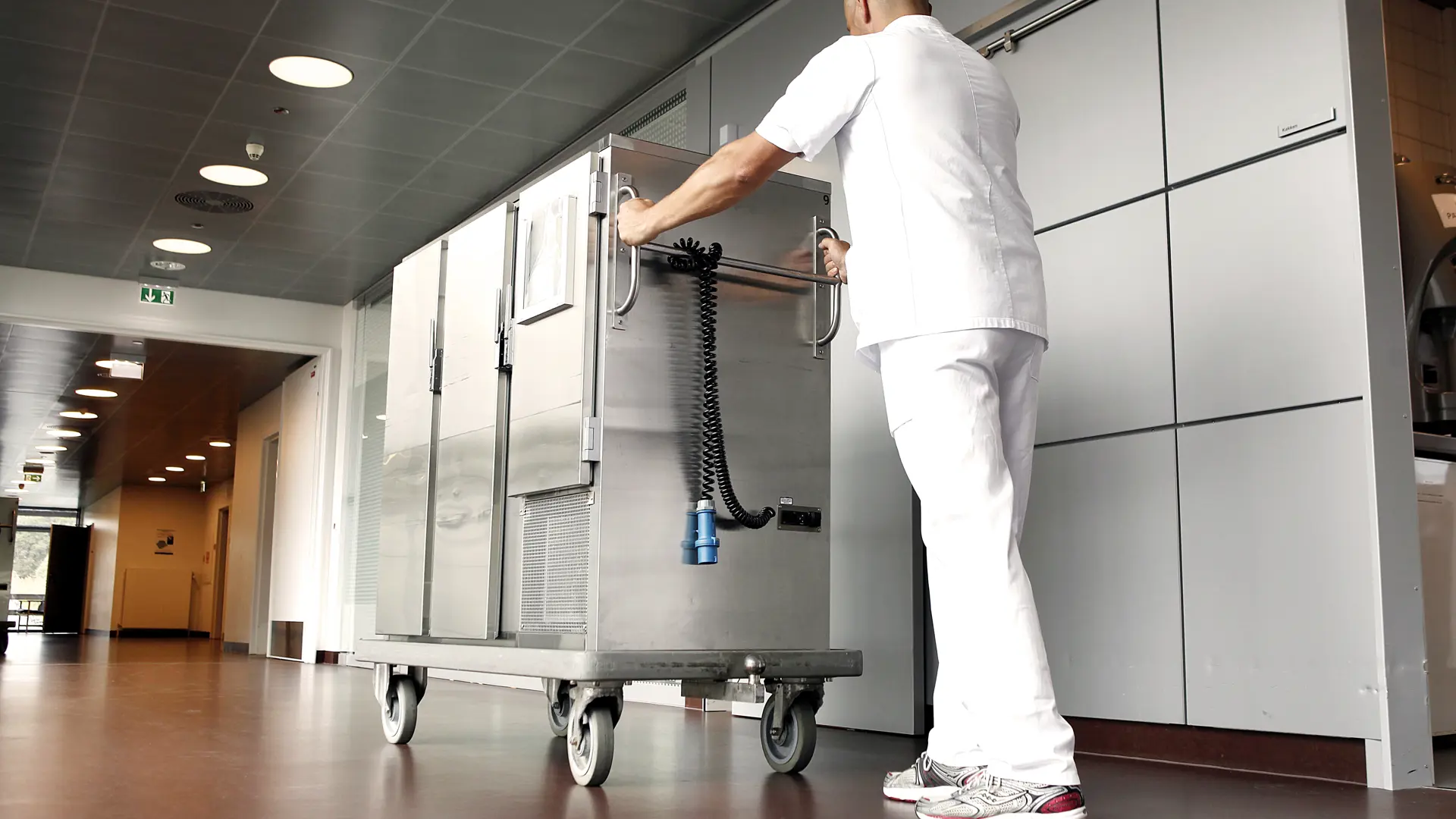
A nurse needs patient transport to radiology. One click in the EMR creates a task that goes to the nearest available porter – with patient location, destination, appointment time, and any special requirements. The porter sees it on their mobile device. No phone calls, no confusion, no delays.
Technical integration:
Works with most EMR systems (Epic, Cerner, and others) through HL7, HL7 FHIR, and REST-based APIs.
Hospital logistics and supply chain
How the integration works
Columna Flow connects nurse call systems, automated guided vehicles, and task management into a unified workflow. Location triggers and system status updates route tasks automatically based on request type.
About half your bed calls need nursing care. The other half – room cleaning, meal delivery, equipment pickup – could be handled by support staff. But nurse call systems route everything to nurses, who then have to call someone else, who then has to find the right location.
What this enables
Non-clinical nurse calls route to support staff, not nurses
Automated vehicles trigger delivery notifications when they reach each ward
Room status changes automatically create housekeeping tasks
Catering systems coordinate meal delivery with patient location

Common scenario
A patient presses the call button to request a meal. The system recognises this as a non-clinical request and routes it to catering staff with the patient's location and dietary requirements. The nurse stays focused on clinical care. Housekeeping gets automatic notifications when rooms need cleaning after discharge – no coordination calls needed.
Technical integration:
REST-based APIs work with logistics platforms from Matilda FoodTech, Swisslog, and other hospital systems.
Asset and building management
How the integration works
Columna Flow combines Building Information Management (BIM) data with real-time asset tracking. Your asset management system becomes a shared source of truth that connects procurement, facilities, and operations.
Combining building information and asset tracking enables care staff and nurses to quickly find clinical equipment locations, reducing wasted time looking for missing equipment. Administrative staff can manage the medical equipment lifecycle from their asset management systems while connecting assets to hospital locations.
What this enables:
Real-time equipment tracking visible across all hospital systems
Integration with building designs from Revit and other BIM tools
Procurement orders include specific delivery locations with routing information
Standardised location addressing using GS1 international standards
Common scenario
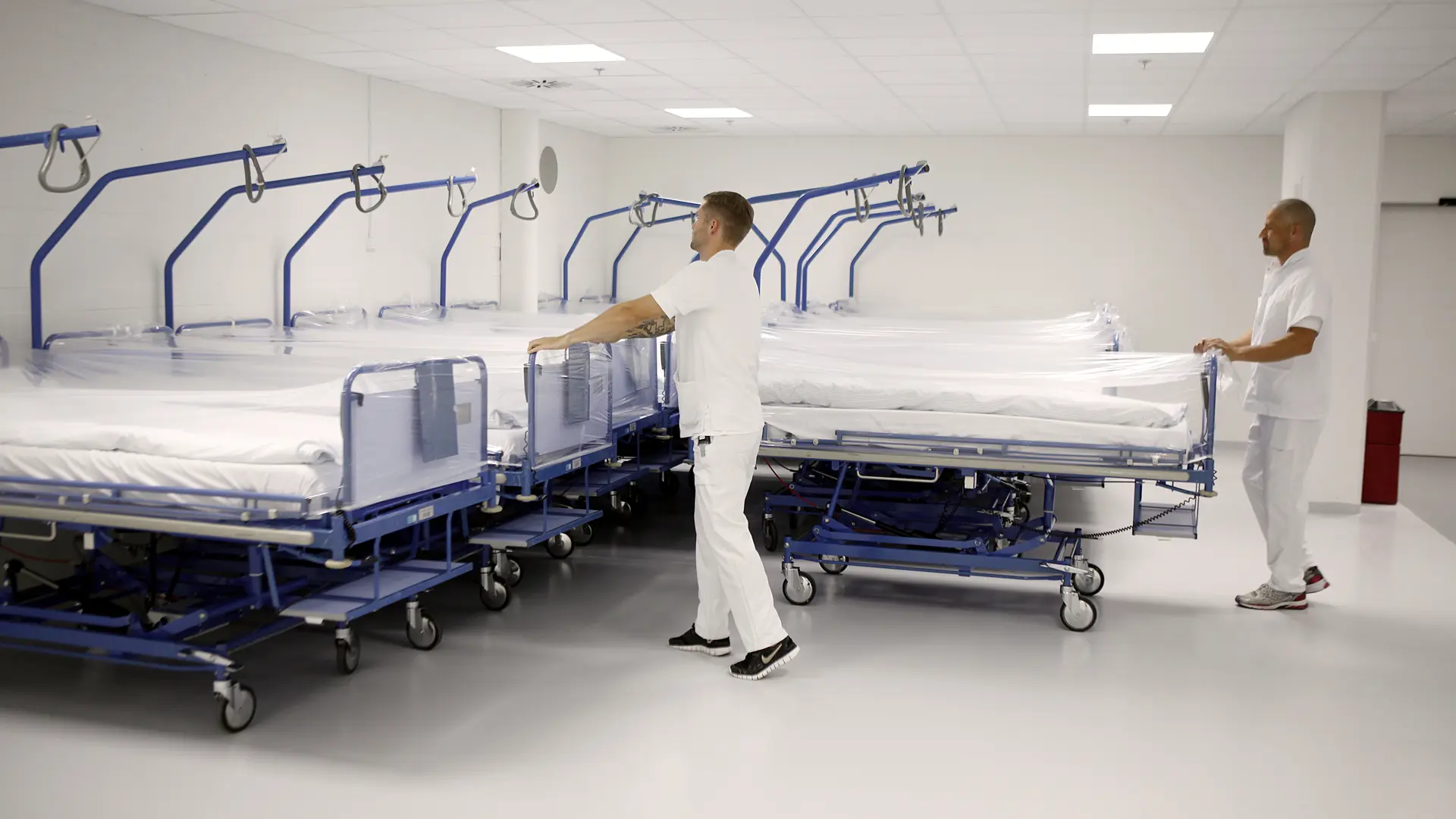
Procurement orders new beds in SAP. They select the exact ward and room for delivery using standardised location codes. When the beds arrive, receiving staff see the delivery location with floor plans and routing. Facilities know the beds are on-site and can track them. Porters searching for beds see real-time location from any system they are using.
Multi-site organisations use this as their master location database across all facilities – one standardised source rather than separate databases in each department.
Technical integration: REST-based Master Data APIs, IFC, gbXML, geoJSON, GS1 Standard.
Real-time locating systems (RTLS)
How the integration works
Columna Flow collects location data from any tracking technology – Wi-Fi positioning, Bluetooth Low Energy, RFID, Ultra-Wideband. Your user-facing systems (Search & Find, Wayfinding, Task Management) see equipment from all tracking sources through standard interfaces.
The platform's technology-agnostic architecture means you are not locked into a single tracking vendor. Whether you use Wi-Fi, BLE, RFID, UWB, or multiple technologies simultaneously, Columna Flow collects location events from any system and distributes that data to your user applications.
What this enables
Mix different tracking technologies in different areas without losing visibility
Switch tracking vendors without changing your user-facing systems
Add new tracking capabilities through pre-built connectors
Search for equipment regardless of which technology tracks it
Common scenario
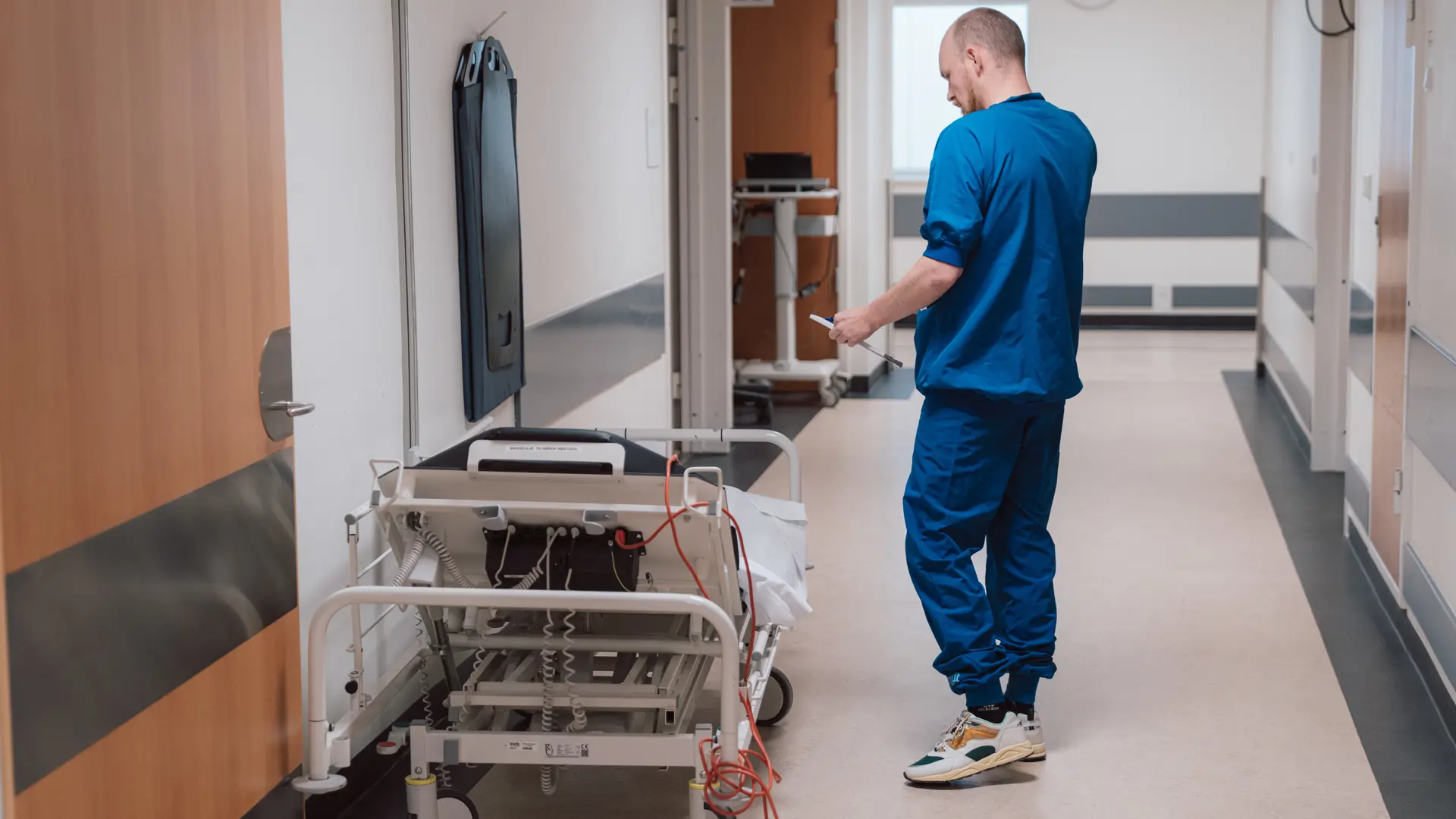
You have Wi-Fi tracking in older buildings and Bluetooth in new construction. Staff using Search & Find see equipment from both systems in one search. When you switch Wi-Fi vendors in two years, the Search & Find app does not change – just the tracking hardware underneath.
Standard integrations already built
Cisco Spaces | Cisco CMX | Aruba Meridian | Wirepas | CenTrak | EDECS RFID
Technical integration: Multiple EPCIS APIs, Location Query and CRUD APIs, Event Capture and Query APIs
Why we use open standards for integration
Healthcare IT often works through vendor-specific ecosystems. When you invest in one company's EMR, you typically work within their network of approved partners for additional capabilities. Adding equipment tracking or switching vendors later can mean significant integration work or lengthy migration projects.
We take a different approach.
Our approach:
Columna Flow uses internationally recognised standards that work across vendors and countries:
GS1 standards (EPCIS, GLN, GTIN, GRAI, GIAI) – the same ones used in global supply chains
HL7 FHIR and HL7 V2 – healthcare interoperability standards
REST APIs – modern web standards for system integration
IFC, gbXML, geoJSON – building and spatial data standards
What this means practically:
Switch vendors without rebuilding integrations (standards do not belong to any company)
Add new technology through pre-built connectors (not custom development every time)
Integrate faster and cheaper (standard interfaces reduce implementation time)
Protect your investment (your systems keep working even if you change vendors)
The same standards that let you track packages globally now work for tracking equipment across your hospital. And just like shipping works with any carrier using standard tracking codes, your systems work with any vendor supporting standard interfaces.
Want the complete API documentation?
Columna Flow is part of our open ecosystem, which supports a large variety og integrations and adaptors.
The open APIs for the Columna product suite - Columna Cura, Columna CIS, and Columna Flow - are based on international standards with interoperability with existing IT solutions in regional, municipal, and private care in mind. This enables efficient integration and shortens the development time, which ultimately increases the commercial potential of innovative projects.
Multi-site healthcare organisations use this as their master location database, standardising how location data is structured and shared across all facilities.
Technology designed for healthcare: The platform runs on infrastructure designed for mission-critical environments where reliability is not optional – integrated ecosystems, smart technologies that support clinical decisions, and operational technologies ensuring secure, scalable operation.

Want to understand how Columna Flow would integrate with your specific hospital systems?
Contact Jacob Gade, Business Development Lead at Systematic.
With 20 years of experience optimising workflows, Jacob is ready to discuss how Flow can help you optimise hospital workflows across disciplines and departments at your hospital.
Email: jacob.gade@systematic.com
Latest news
We are happy to share what we do. You can find our latest news here or browse through all of our healthcare news by clicking the button below.
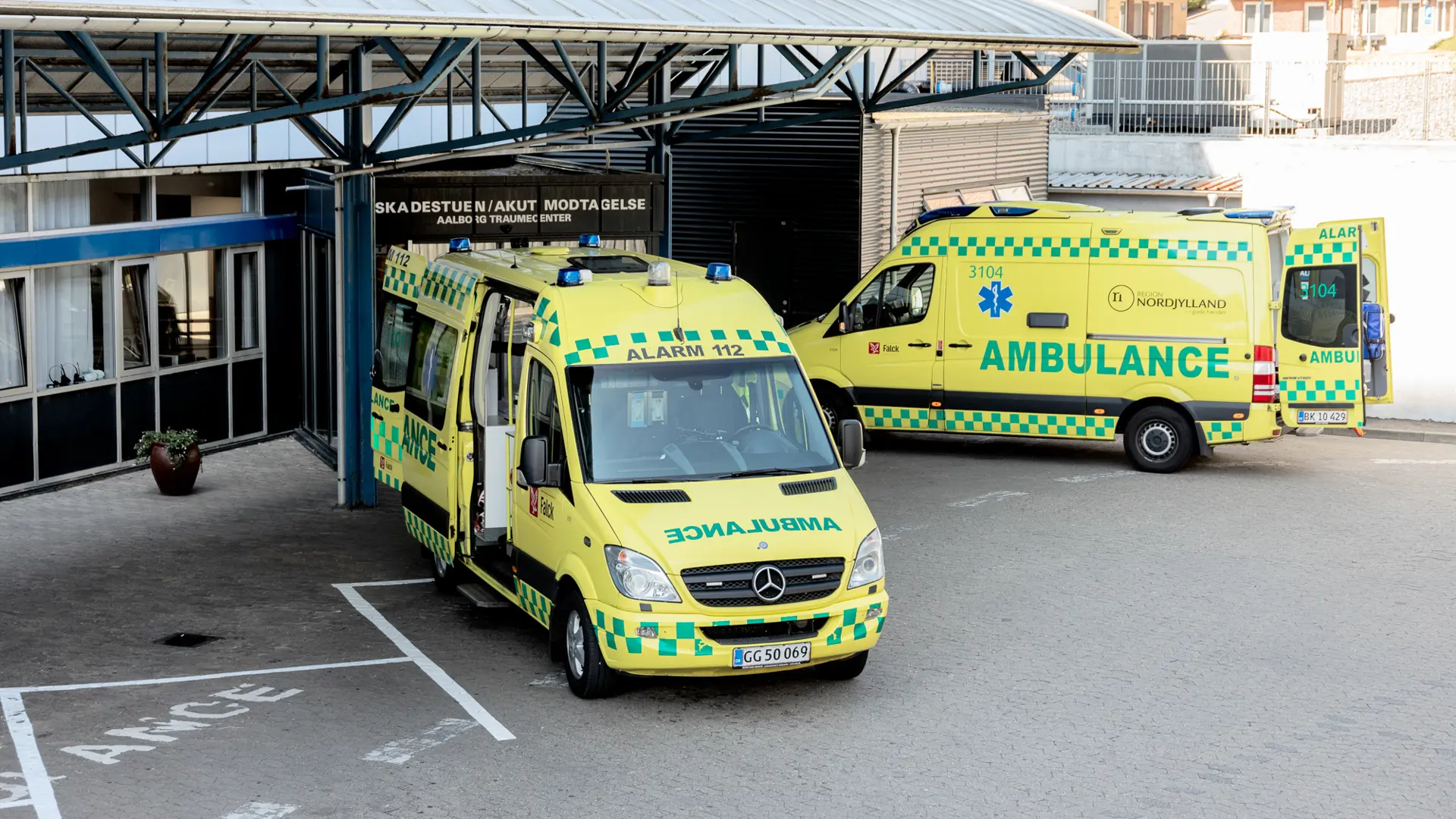 Mobile app improves working conditions in Danish emergency departmentA new Danish research project shows that a simple mobile app can significantly improve working conditions, communication, and task management in a hospital emergency department.Read more
 New report: AI moves closer to elderly care – freeing up time for care and compassionDenmark risks facing a shortage of up to 15,000 social and healthcare assistants and helpers within ten years, according to figures from the Ministry for the Elderly. That’s why it’s good news that a new report takes an important step toward using artificial intelligence in elderly care – and thereby freeing up time for care and compassion.Read more
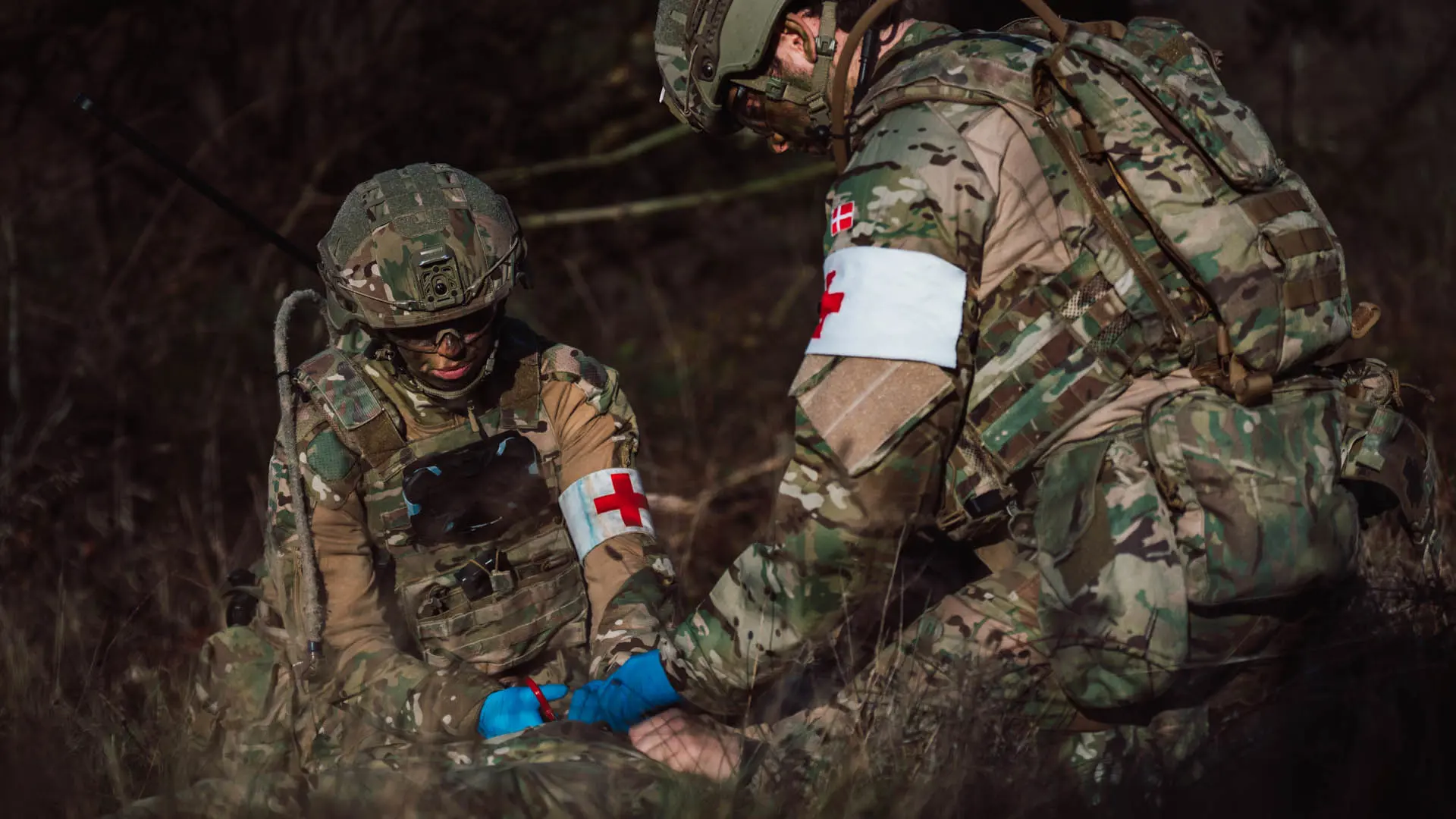 The German Army acquires Danish IT system for casualty managementThe system, developed by Systematic, combines defence and healthcare technology to manage evacuation logistics, safeguard soldiers’ medical data and coordinate treatment when soldiers are wounded in combat.Read more
 Columna Flow 2025.5: Accessible tracking, intelligent alerts, and real-time visibilityThe latest Columna Flow release introduces accessible equipment tracking, intelligent monitoring, and mobile operational insights. With TrackLite, iOS-compatible Clinical Tasking, and Command Centre for all staff levels, hospitals can locate equipment faster, route alerts intelligently, and make proactive decisions at the point of care.Read more
 Systematic launches bold expansion into Norwegian health IT marketSystematic is aiming to capture up to half of the Norwegian municipal market for citizen care record systems, and is now establishing a local company as part of the largest international health IT initiative in the company’s history.Read more
 Copenhagen Municipality enhances electronic care records with AICopenhagen Municipality tests the use of digital speech recognition for documentation tasks in the Public-Private Innovation project 'Talt'.Read more
 Systematic first to be certified for new digital pregnancy care solutionSystematic's Columna CIS becomes the first medical record system certified by MedCom to deliver data to Denmark's new national digital pregnancy care solution.Read more
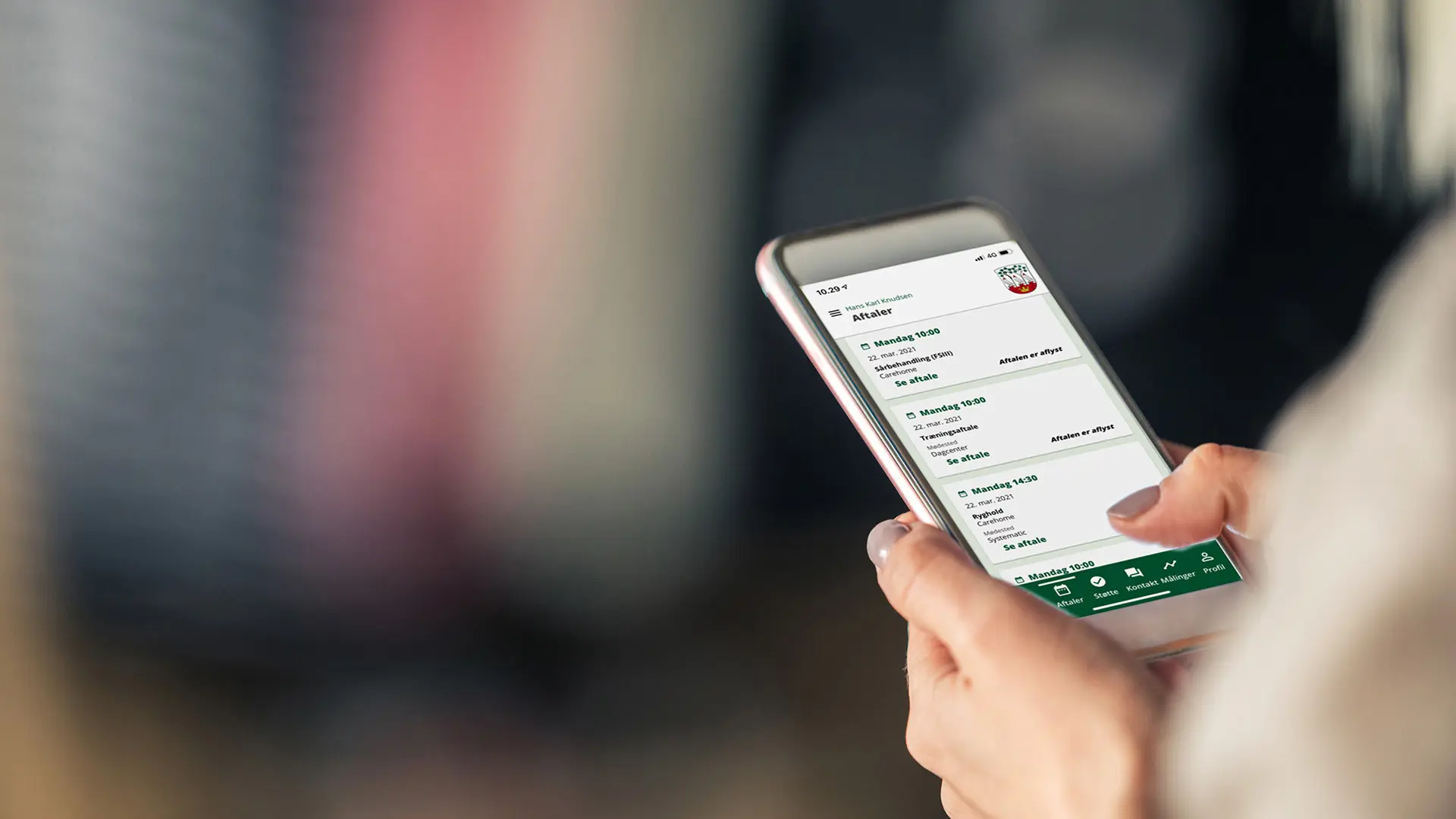 Cura Dialogue helps citizens stay on top of appointments with the municipalityAarhus and Haderslev municipalities successfully implemented the Cura Dialogue app with positive user feedback. Citizens can track when home care arrives, view and cancel bookings, and communicate with the municipality outside regular hours.Read more