
This article was originally published in the Danish online media ‘Dagens medicin’, January 2026. It's written by Mikkel Harbo, Director of Business Development, Systematic, Healthcare.
The European Health Data Space will stand as one of the most sensible EU regulations in years because it solves the fundamental problem of sharing data securely, in a structured way, and across sectors.
For years, in Denmark, we have talked about enabling shared health data between general practitioners, regions, and municipalities – but without truly succeeding.
We have elements of data sharing, but progress is too slow. Our cross platform communication is still sub optimal, and a patient's care journey is often invisible in the handover between hospital, municipality, and GP.
Now the EU is doing what no Danish reform has managed: the European Health Data Space (EHDS) requires us to share data.
It sounds bureaucratic, but it's actually brilliant.
The EHDS has three objectives. The first focuses on giving citizens access to and control over their own health data, and ensuring healthcare professionals have real-time access to data across national borders.
Additionally, it aims to enable secure reuse of health data for research, innovation, and policy decisions, whilst also creating a common European market for electronic health record systems that support data sharing and reuse.
In practice, EHDS means health data follows the citizen – even across borders.
If you're admitted to a hospital in Spain, Spanish doctors can, with your consent, access key information from your GP in Denmark, such as medication lists, allergies, diagnoses, and previous admissions. It will also be possible to access municipal information about home care or rehabilitation. Similarly, Danish doctors can view relevant data if you've received treatment in another EU country.
But it doesn't stop at the border.
Less silo thinking
In Denmark, EHDS means data must also be shared between our own sectors – between GPs, hospitals, and municipalities. When a patient is discharged from hospital, information about diagnoses, treatment, and medication must automatically flow to the GP and to the municipality's home care services. In real time.
This is precisely the connectivity we've wanted for years but have never managed to realise. EHDS doesn't just make it possible; it makes it mandatory.
Put simply, it means better health, better decisions, and less silo thinking.
The regulation will be gradually rolled out towards 2031, when all member states must be able to share core datasets from patient summaries and prescriptions to laboratory results and diagnostic imaging. It will be a big change, but also a historic enhancement of the entire digital infrastructure in healthcare.
At Systematic, we see this as an opportunity to integrate the new EU requirements with the development of the next generation of our electronic health record (EHR ), Columna CIS, which is currently used in all hospitals in Jutland and Funen, and of the care record Columna Cura, which is used in almost half of Denmark's municipalities.
Our goal is to create solutions that fully meet the new standards whilst strengthening collaboration between all Danish healthcare stakeholders.
EHDS places new demands on us as suppliers. We must deliver and maintain two core software components: an interoperability component and a logging component. The first enables systems to exchange data in a common language – like a translator ensuring different systems understand each other. The second registers who accesses which data, ensuring traceability and security.
No more centralised domain systems
Plans to establish a new shared national data platform have been overtaken by the EU and should be dropped.
EHDS is the shared data platform – it's just at a European level, with a common language, standards, and rules for access and security.
There is now an urgent need for central authorities to follow EU guidelines and establish an open, flexible, and robust infrastructure for exchanging health data in real time; effectively and securely between all relevant domain systems in hospitals, municipalities, and general practices.
It's crucial that we don't develop yet another centralised domain system with limited functionality – for example, providing only read access, as we know from Denmark’s national health record system (Sundhedsjournalen) - that cannot be integrated with domain systems' other health data and functionality supporting clinical workflows.
Instead, it should be the clinical system suppliers who take responsibility for ensuring healthcare professionals have access to future EU-standardised and cross-sectoral health data.
Suppliers must ensure health data is presented and used in accordance with domain expert roles, work situations, and the specific citizen or patient context. Exactly as we already strive for with Columna Axon, which enables secure data sharing across regions and municipalities.
If we all live up to EHDS, we'll get exactly what we want: connectivity, overview, and a healthcare system where data follows the citizen, regardless of where in the system they are.
When the dust settles, EHDS will stand as one of the most sensible EU regulations in years: a framework that creates an internal market for health data and finally gives Denmark the opportunity to solve the fundamental problem we've struggled with for decades – sharing data securely, in a structured way, and across sectors.
Latest news
We are happy to share what we do. You can find our latest news here or browse through all of our healthcare news by clicking the button below.
 Systematic recruits experienced healthcare profile for municipal initiativeFollowing the withdrawal of one provider from the competition for municipal electronic care record systems Systematic remains on course and is stepping up its efforts in Norway. The company has now appointed Camilla Lobben to lead this initiative focused on municipal tenders.Read more
 New Columna Flow release: Search & Find gets closer to the clinicianThe Columna Flow 2026.2 release brings role-based views, map visualisation, and smarter filtering to help clinical staff find available equipment faster.Read more
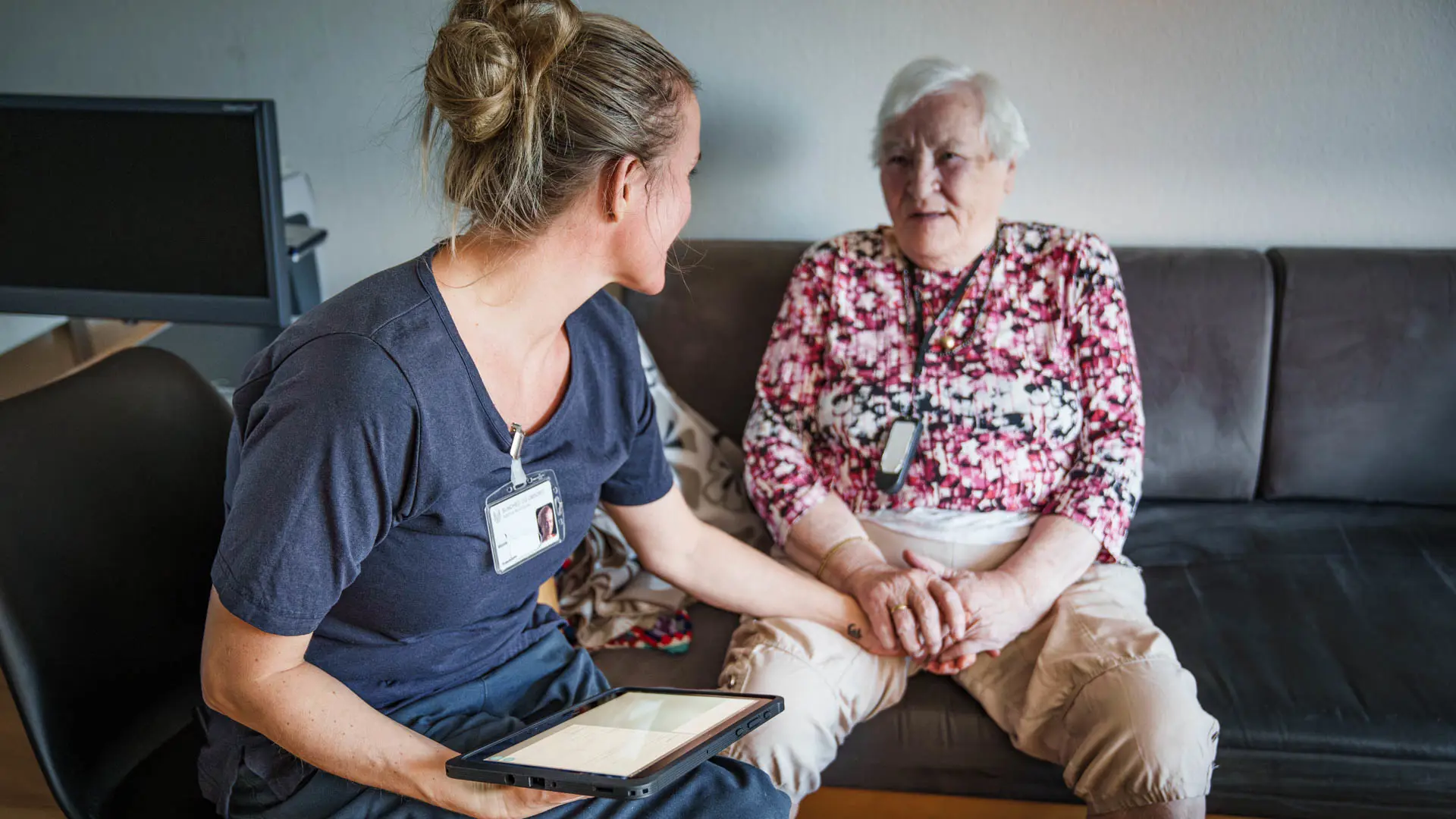 AI-based speech recognition in elderly care gets the green light: Systematic project demonstrates significant potentialSpeech recognition and AI can reduce the documentation burden for frontline staff in elderly care. A groundbreaking project under the Danish Agency for Digitalisation's AI sandbox, has just documented this in its final report.Read more
 Systematic enters into Norwegian partnershipSystematic strengthens its focus on municipal EHR systems in Norway, pairing with experienced consultancy firm that knows the Norwegian healthcare system inside and out.Read more
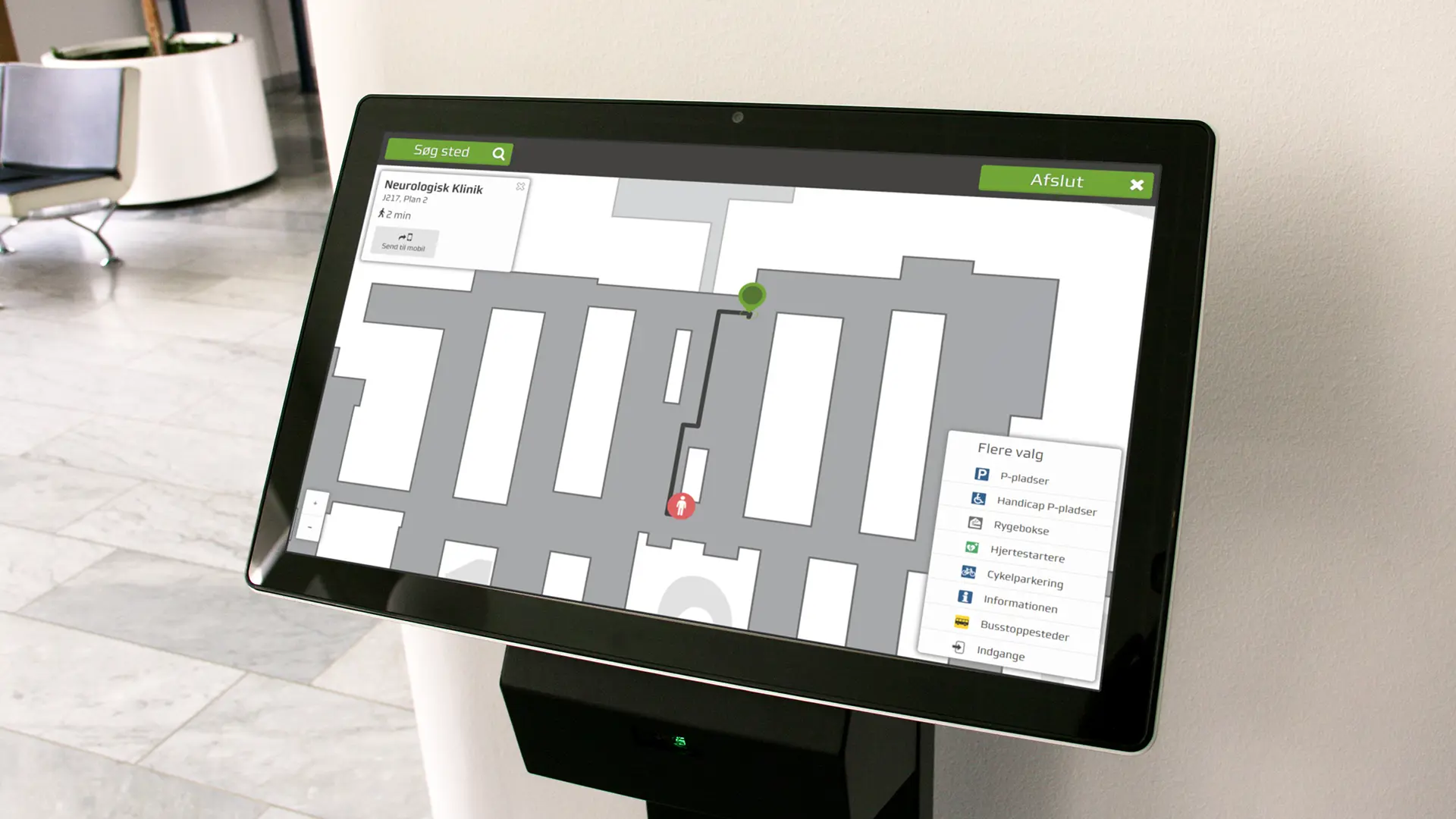 New Columna Flow release: Improved integration and easier equipment managementColumna Flow 2026.1 improves system integration and equipment management, helping hospitals connect patient systems and track assets efficiently.Read more
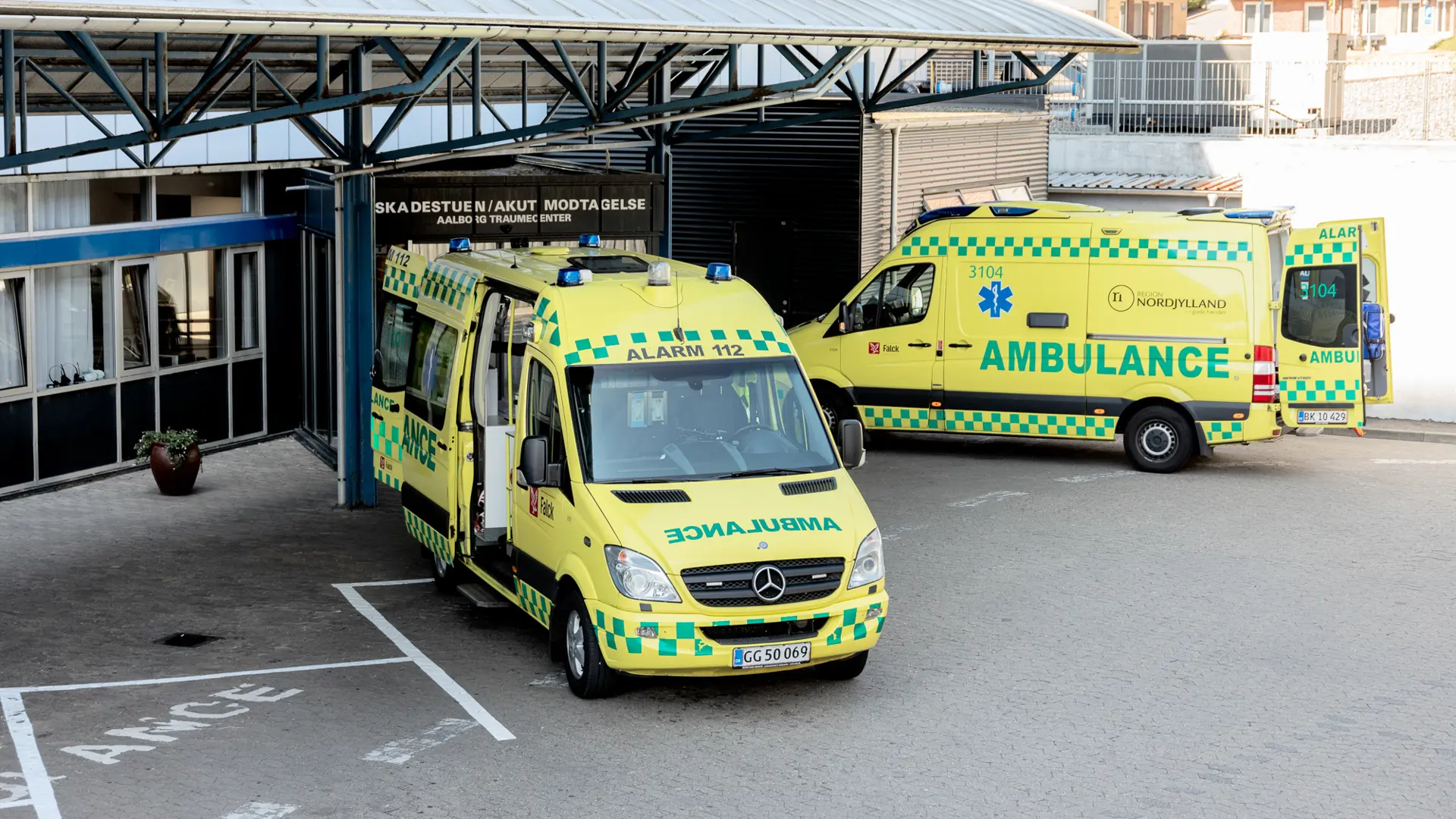 Mobile app improves working conditions in Danish emergency departmentA new Danish research project shows that a simple mobile app can significantly improve working conditions, communication, and task management in a hospital emergency department.Read more
 New report: AI moves closer to elderly care – freeing up time for care and compassionDenmark risks facing a shortage of up to 15,000 social and healthcare assistants and helpers within ten years, according to figures from the Ministry for the Elderly. That’s why it’s good news that a new report takes an important step toward using artificial intelligence in elderly care – and thereby freeing up time for care and compassion.Read more
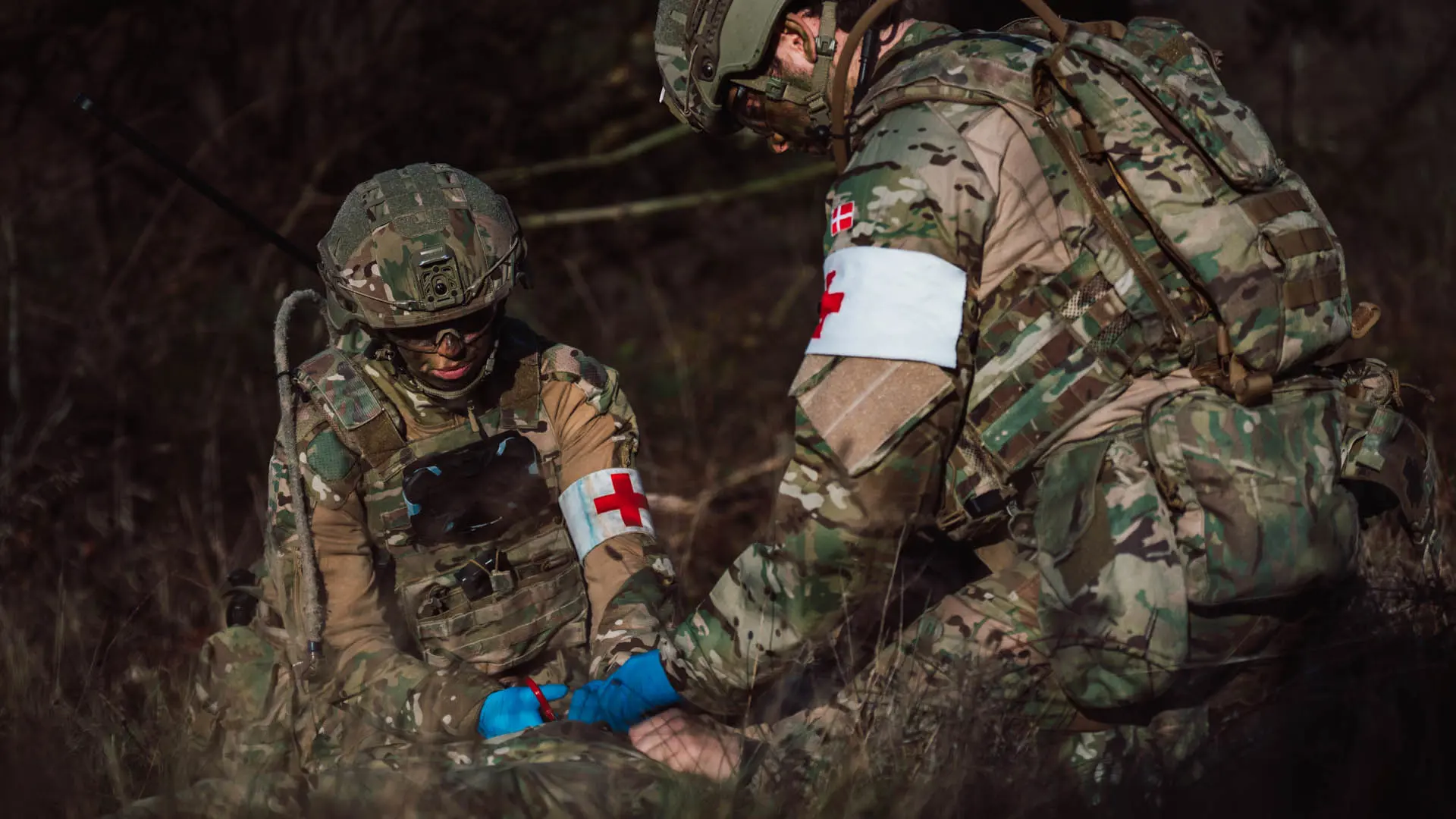 The German Army acquires Danish IT system for casualty managementThe system, developed by Systematic, combines defence and healthcare technology to manage evacuation logistics, safeguard soldiers’ medical data and coordinate treatment when soldiers are wounded in combat.Read more