
NHS England's national standards for healthcare portering services ask portering teams to track activity as it happens, report on service performance, and keep improving.
Section 5 is explicit that this needs electronic systems rather than paper dockets and phone calls.
Porters at Queen Elizabeth University Hospital in Glasgow have worked that way since December 2022. Read more about how Queen Elizabeth University Hospital digitised their portering tasks.
What the standards ask for
The standards set out three expectations for how portering work is managed. Each one has a digital requirement underneath it.
Real-time activity tracking: the service should know what is happening now, not at the end of the shift.
Service performance data: managers should be able to see trends, identify where delays build up, and report against them.
Continuous improvement: the service should use technology to find and remove wasted effort.
In use across 50+ hospitals
More than 100 million tasks have been handled through Task Management across NHS and Nordic hospitals, including nine NHS hospitals in Scotland.
Queen Elizabeth University Hospital is one of the largest acute hospitals in the UK. It went live with Task Management in December 2022.
See the full Columna Flow Task Management product page for more details.

Six reasons to digitise portering
The standards make digitisation an expectation. Our guide sets out what changes in practice, from empty-handed walking to how service data gets used once it exists.
Talk the standards through with us
If you're working out what the standards mean for your service, we'll walk you through how other portering teams approached it. No presentation required.
Cannot see the form?
Your privacy or security settings may be blocking the form.
Common questions
What are the NHS national standards for healthcare portering services?
NHS England published the national standards for healthcare portering services on 8 July 2026. They set out what a portering service should deliver across staffing, training, safety and service management, and introduce annual reporting through the Premises Assurance Model. Section 5 covers how portering work should be planned, tracked and improved.
Do the standards require portering services to use software?
The standards don't name a product or mandate a specific system. They do expect real-time tracking, electronic records of service performance, and use of technology to support continuous improvement. A service running on paper dockets, radios and phone calls will struggle to produce the evidence the standards ask for.
Does Columna Flow Task Management make our portering service compliant?
No. Compliance is a judgement about the whole service, and it sits with the trust. Task Management supports compliance by producing the operational record the standards expect: what was requested, who did it, how long it took, and where the delays are. The evidence comes out of normal daily use.
How does this help with Premises Assurance Model reporting?
Every task is timestamped as it happens, so response times, volumes by area and recurring hotspots are already recorded when reporting comes round. A manager pulls a report instead of assembling one.
Can we start with one department instead of the whole hospital?
Yes. Most hospitals start with a single service, usually portering, and add task types later.
Latest cases
Our solutions and services make a difference to our customers. Take a look at our cases and find inspiration in the benefits others have realised.
 How UMC Utrecht tracks 5,500 medical devices across two hospitalsUMC Utrecht wanted staff to find the right device when they need it, without every department running its own fleet. This is how they made it work with Columna Flow Search & Find.Read more
 App improves work environment and patient coordination in the emergency department at Aalborg University HospitalFewer phone calls. Better overview. And coordinators want to keep it. That is the short version of the results from Aalborg University Hospital's third pilot of Clinical Tasking, a task and coordination platform for emergency departments.Read more
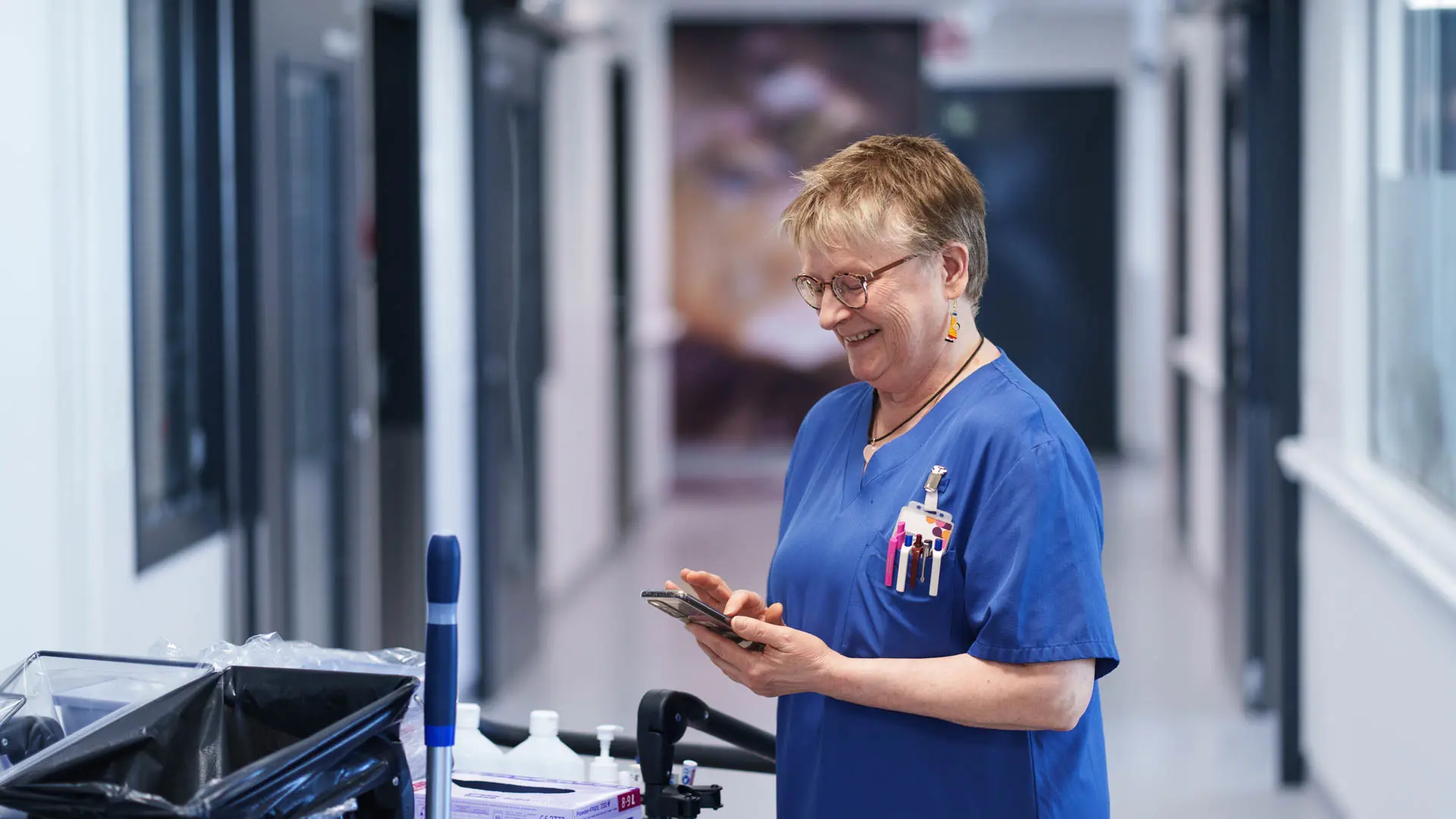 Real-time task management transforms Tampere University Hospital in FinlandTampere University Hospital have improved resource allocation, fewer interruptions, and more time for patient care across their 600+ cleaning staff.Read more
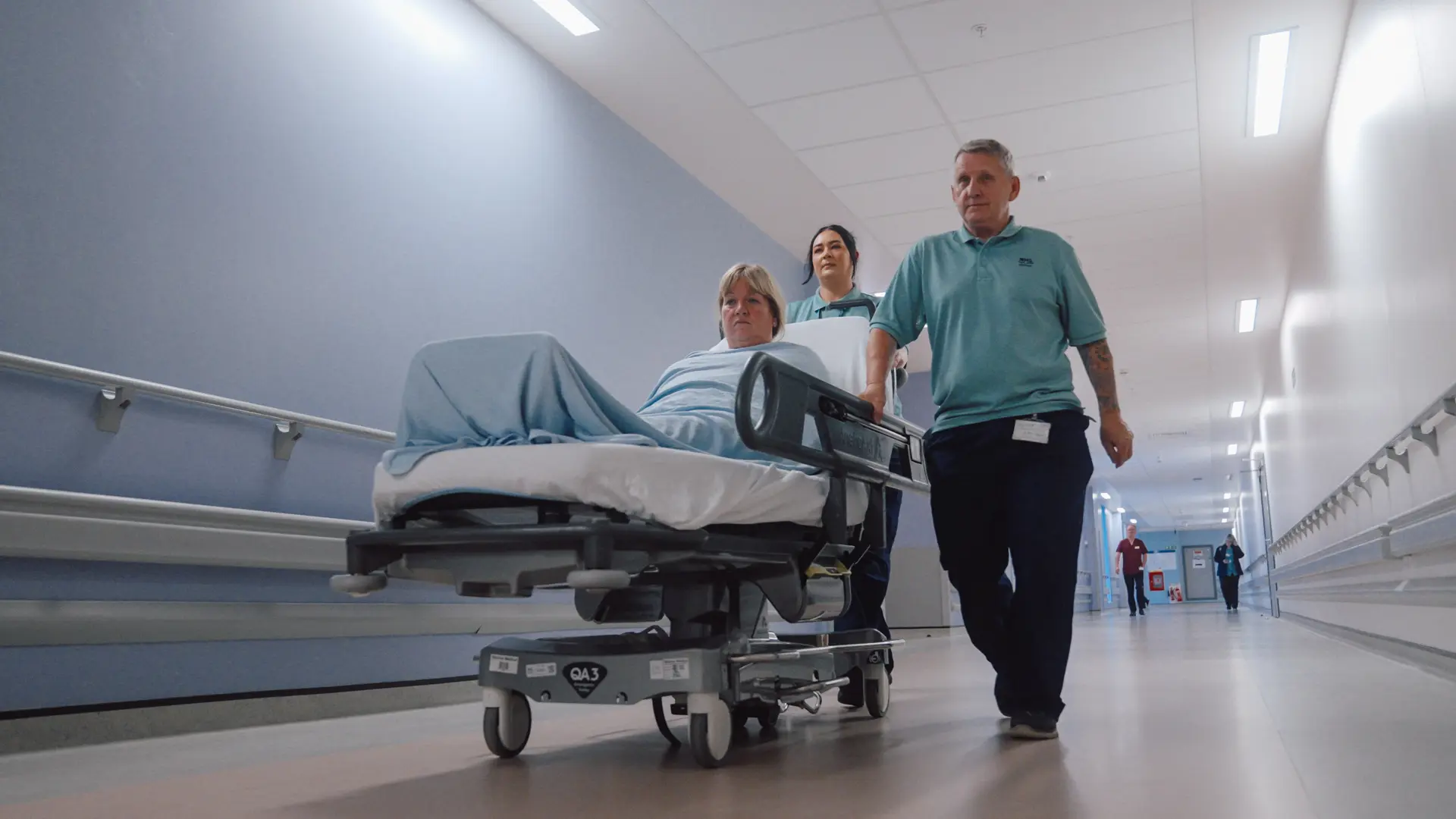 How hospital solution helps porters getting patients faster from A to BNow patients are moved faster and service staff have more autonomy over tasksRead more
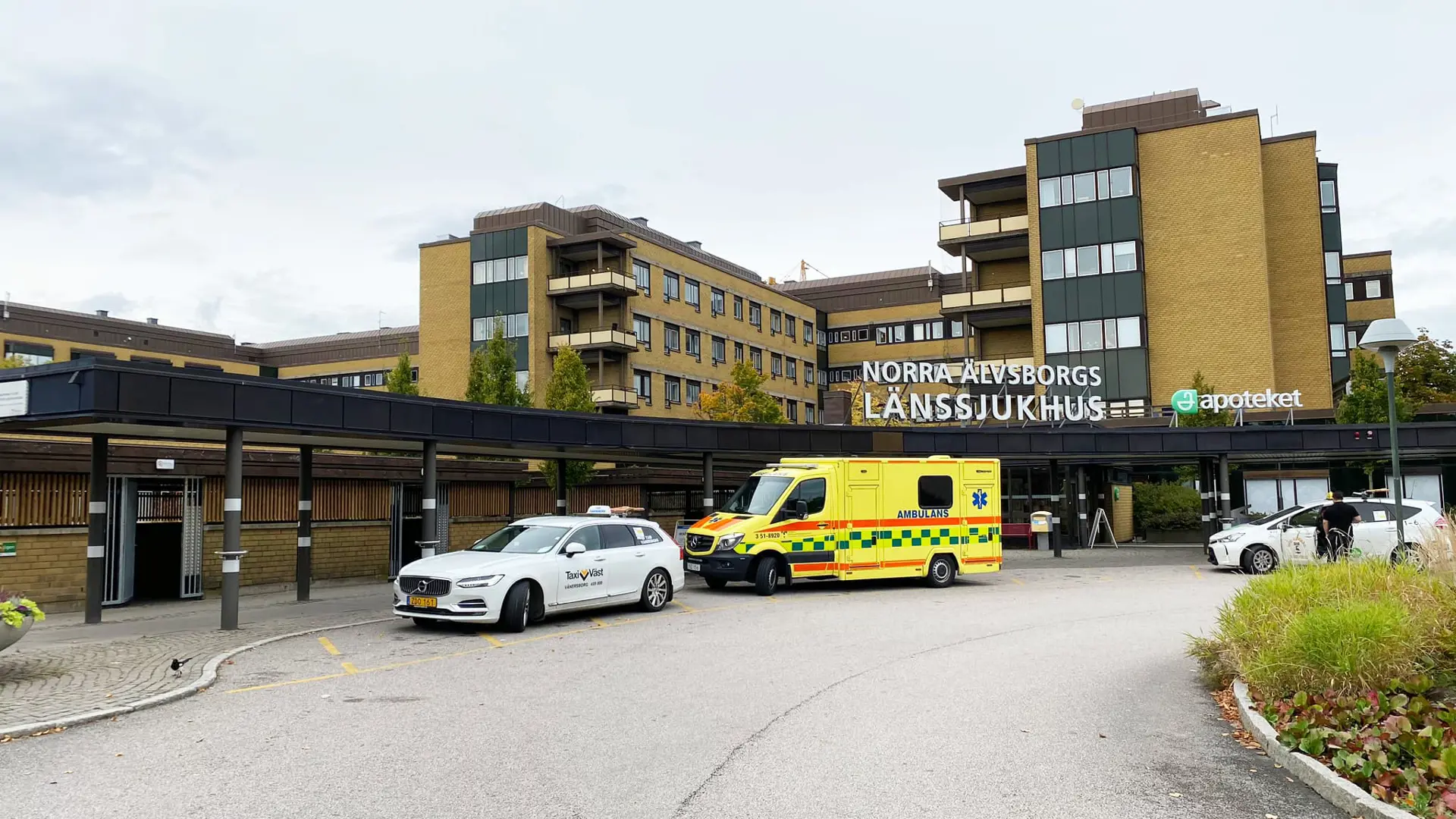 Swedish hospitals improve their hospital logistics with Columna FlowPorters and service staff at Borås Hospital now order tasks in a completely new and improved way.Read more
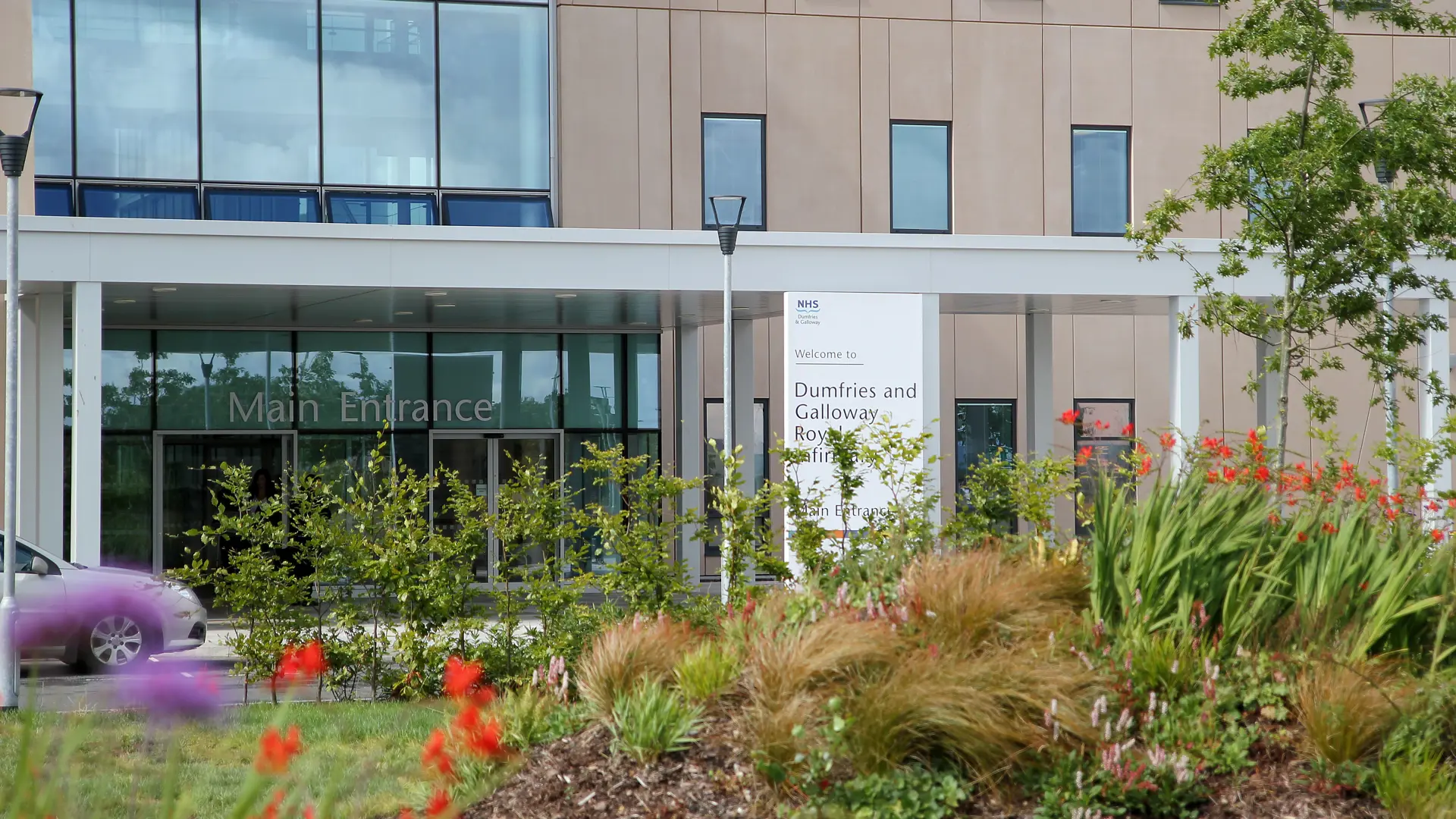 Digitalising hospital service logisticsColumna Flow improves both patient flow and overview for employees at Scottish hospital.Read more
 Mobile communication platform minimises phone callsPhysicians have successfully tested a digital solution for communication and coordination of tasks.Read more
 How do we create the continuum of care?The dream of a unified health service, with seamless information exchange, is no longer a distant dream.Read more