A transformation journey – not a tracking project
How UMC Utrecht built UFOUND on Columna Flow Search & Find, and what they learned rolling it out across 5,500 medical devices and two hospitals.
Beyond tracking: Medical Devices as a Service
UMC Utrecht didn't set out to deploy a tracking system. They set out to redesign how their hospitals own, maintain, clean, and share medical devices.
The ambition is called Medical Devices as a Service – a model where clinical staff have the equipment they need, when they need it, without each department managing its own fleet. Maintenance, cleaning, logistics, and lifecycle management are coordinated centrally. Localisation had to work before the model could. It was never the point of the project.
A hospital at scale
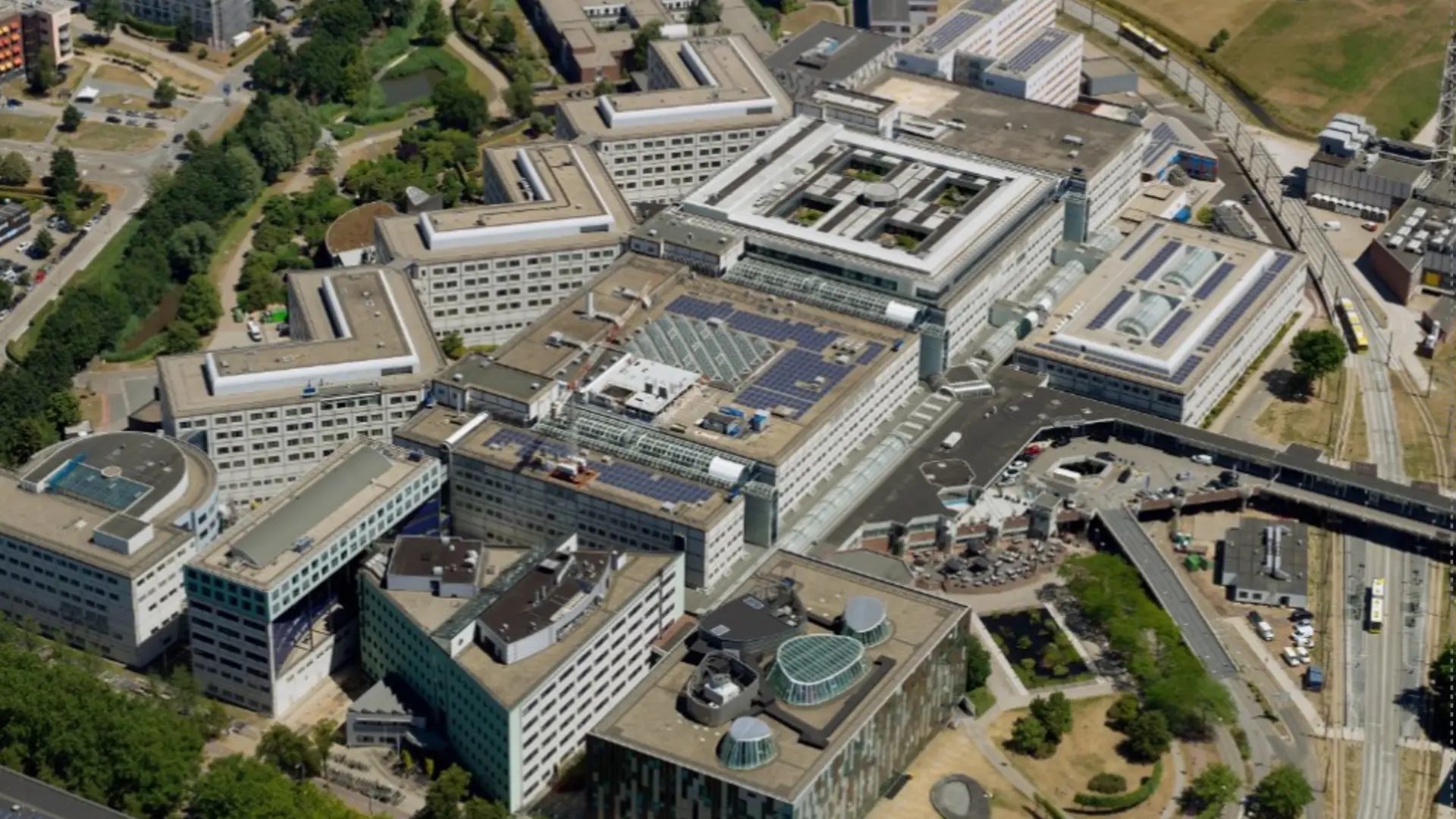
University Medical Center Utrecht is one of the largest academic hospitals in the Netherlands. Two hospitals – adult and paediatric – across 500,000 square metres and 16,000 rooms. Thousands of staff. A constant flow of medical equipment moving between wards, depots, and operating rooms.
For UMC Utrecht's biomedical engineering team, that scale created a familiar problem. Shared equipment does not stay put. It moves with patients, goes for cleaning, and gets borrowed between departments, so nobody could look up where a specific device was at any given moment. Finding one took time, and the operating model around shared equipment was due for a rethink
In a joint webinar hosted by Systematic, Esther Nieuwenhuis – Biomedical Engineer at UMC Utrecht and project lead on Medical Devices as a Service – shared how the hospital approached the challenge.
UFOUND, built on Columna Flow
UMC Utrecht productised their solution under the name UFOUND.
UFOUND is built on a five-layer architecture. UMC Utrecht selected the bottom three layers themselves – sensors and tags, radio infrastructure, and a Wirepas mesh network with Fujitsu hardware – choosing flexibility, accuracy, and cost-effectiveness as their criteria.
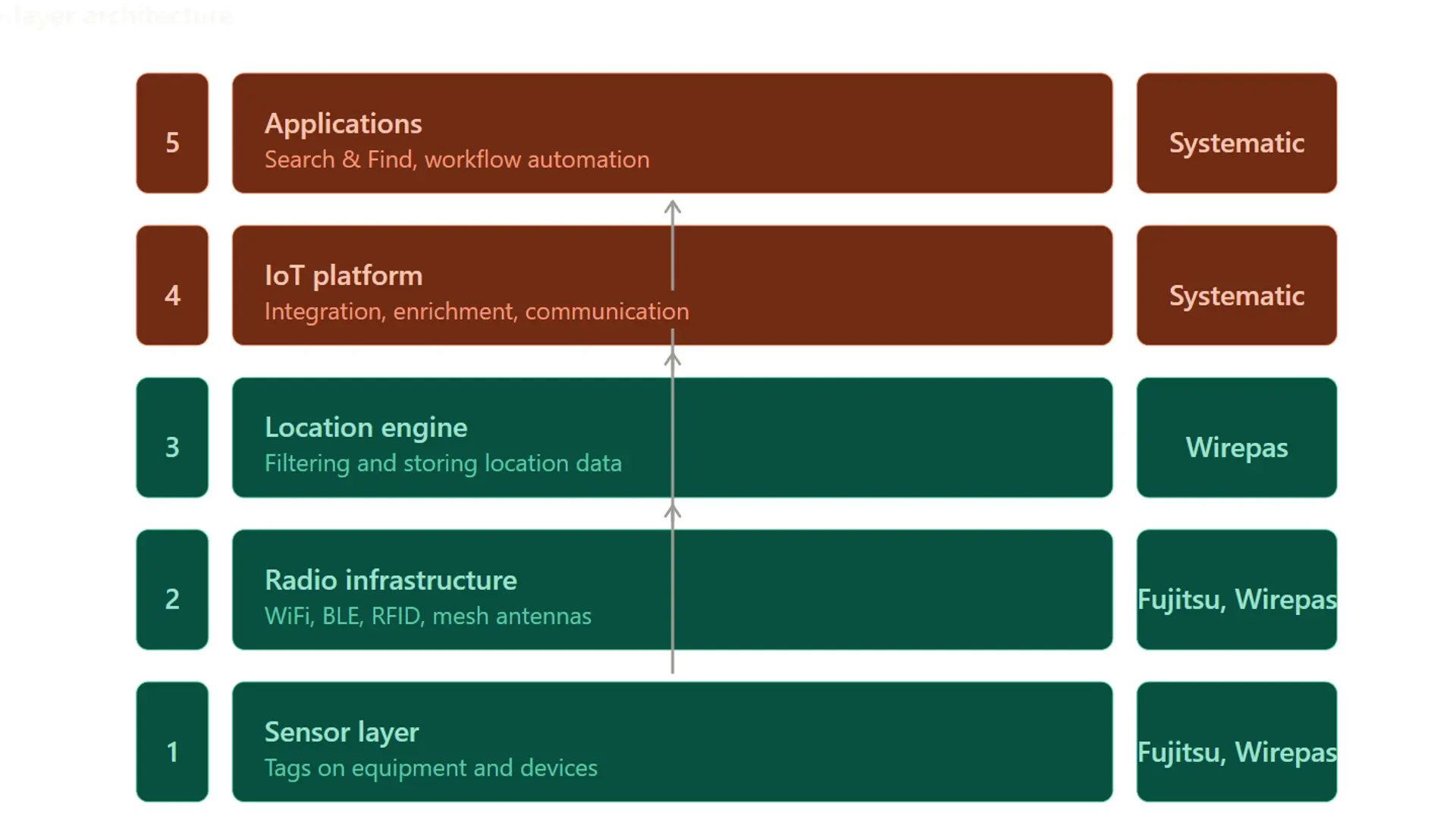
The top two layers come from Systematic:
Columna Flow IoT platform – collects, enriches, and exposes location and event data from any tracking technology
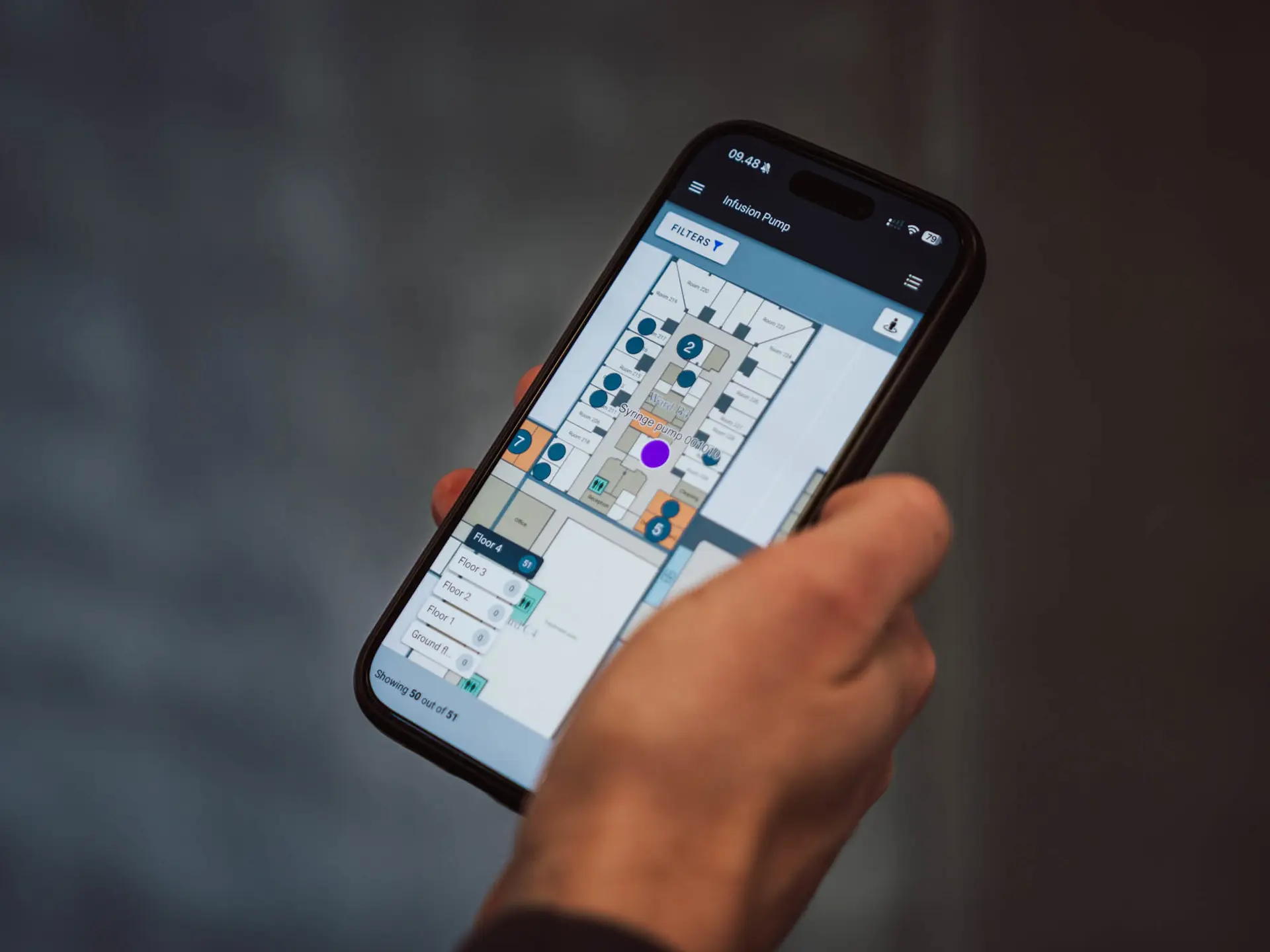
Columna Flow Search & Find – the application layer that gives clinical, technical, and management staff a real-time view of equipment
Through Search & Find, UMC Utrecht's teams can:
Locate medical equipment on a map of the hospital
See live stock levels by equipment type and department
Check maintenance status for any device
Monitor battery status across the tagged fleet
Workflow automation extends what the data can do. When equipment status changes – when stock drops below par level on a specific ward, when a battery runs low, when a device leaves a defined zone – the system can trigger tasks or notifications automatically, routing them to the right team without manual handover.
This open, multi-layer approach is deliberate. UMC Utrecht needed multi-vendor tracking technology, dedicated tags including a 3D-printed bespoke mount for their infusion pumps, and the freedom to evolve each layer independently. Columna Flow was selected because it sits comfortably above any tracking stack and integrates with the systems UMC Utrecht already runs – including their Ultimo asset management platform.

Try before you buy
The way UMC Utrecht approached the project is, in itself, a playbook other hospitals can learn from. The UFOUND project and the Medical Devices as a Service programme were led with a deliberate, iterative method:
Desk research and hospital visits to learn from peers, including UMC Groningen, before committing to a direction
An experience centre on a vacant ward, where manufacturers were invited to demonstrate solutions and stakeholders from clinical, IT, and management teams could experience the problem and the options first-hand
Pilots on two wards with clinical staff actively involved, to prevent a technology-push solution and surface practical problems early
Iterative refinement of both processes and technology in collaboration with manufacturers
Multi-disciplinary representation throughout the project lifecycle
A clear, contained scope – start with the medical equipment service, expand from there
The experience centre was, in Esther's words, the project's turning point. Stakeholders from the wards, IT board, and management came and experienced the solution. It exposed technical gaps that manufacturers then improved. It built the cross-functional support the project needed to move forward.

Live across two hospitals
UFOUND is now live across two hospitals, with Flow Search & Find at its core.
Deployment scale:
131 unique floors covered
110 gateways and 2,800 anchor points installed
90 equipment types in scope
5,500 devices tagged
Users across medical equipment service managers, technicians, and super-users on wards and in the operating room centre
Outcomes reported by UMC Utrecht:
Increased equipment availability across departments
Improved patient experience as staff spend less time searching
Reduction in unnecessary and potentially risky workarounds – including the practice of switching infusion lines simply to free up a pump
Reduced stock levels for certain equipment types as visibility allows shared use
Reduced maintenance costs through process optimisation
Time freed for healthcare professionals – time that returns to patient care
The operating room centre has emerged as the highest-benefit area. Previously, one anaesthesia assistant travelled across three operating room locations daily, searching for the equipment under his responsibility. With Search & Find, that work compresses into minutes.
What the user research showed
UMC Utrecht's rollout has been studied in detail. Dr Anneke Schouten, a postdoctoral researcher at Utrecht University, conducted 27 interviews with stakeholders across UMC Utrecht and 20 hours of direct observation of staff using Search & Find – across the medical equipment service department, wards, the operating room centre, the ICU, and the IT department.
She presented her findings in the same Systematic webinar as Esther. They included:
Three main user groups: medical equipment service managers (hospital-wide perspective, daily use), technicians (hospital-wide perspective, several times a week, focused on battery and software updates), and nurses (department perspective, several times a week, focused on finding and planning ahead)
High reliance on the system among regular users, with stakeholders reporting they would not want to work without Search & Find any more
The operating room identified as one of the most active user departments, with staff using Search & Find to plan procedures based on real-time equipment availability
High tolerance for early imperfections because of how the project was introduced – pilot users had seen the project team respond quickly to feedback, which built lasting trust
UMC Utrecht chose to examine how staff actually work with the system, and to share what came out of it – including the parts that did not work well. That openness is what makes the story useful to other hospitals.
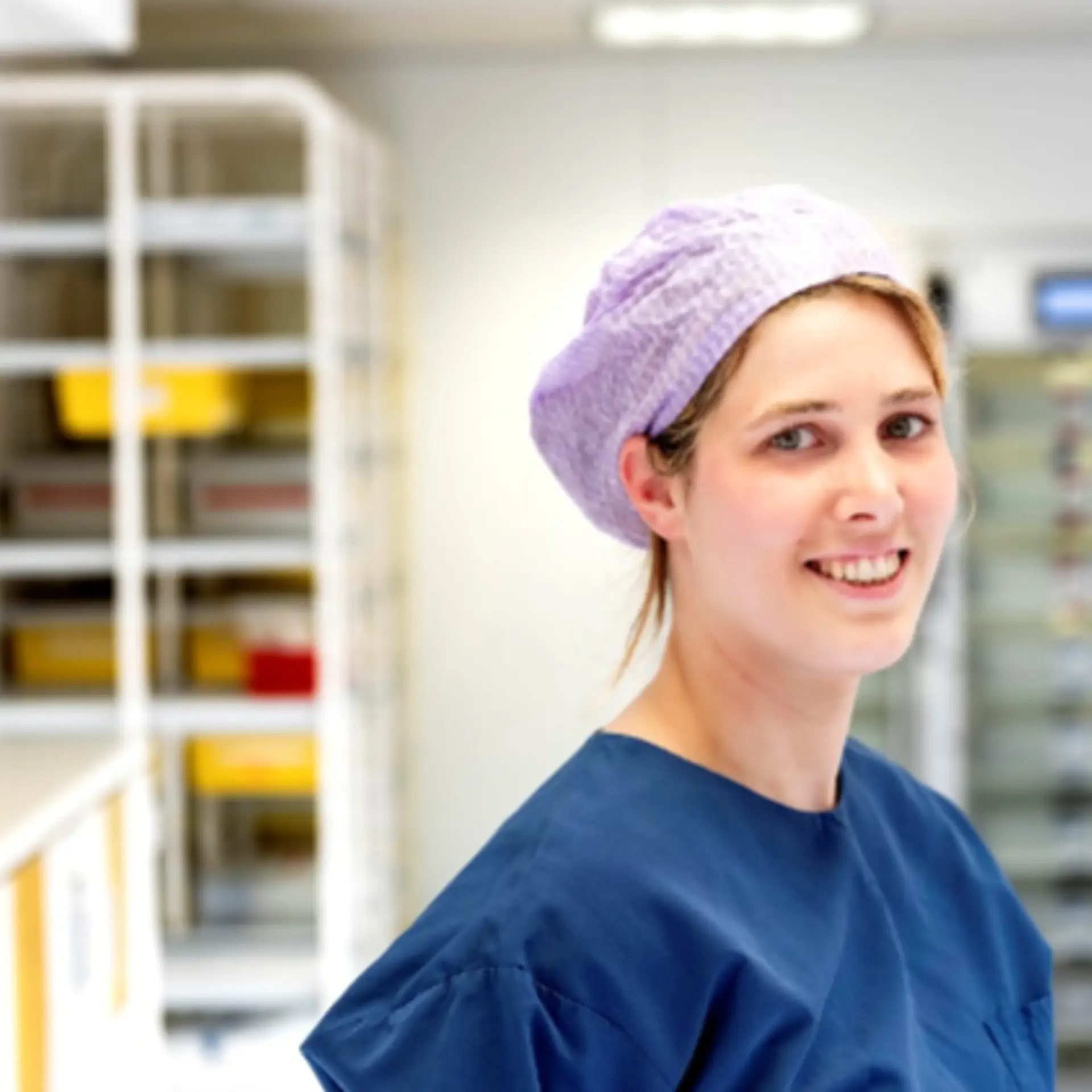
Listening, learning, and shipping
The research surfaced friction as well as success. UMC Utrecht and Systematic chose to share both.
That choice matters. It reflects how the relationship works in practice – UMC Utrecht's user research feeds directly into Systematic's product roadmap, and changes ship in named releases.
Tom Heilmann Reches, product manager for Columna Flow, put it directly during the webinar: when end users only use a system twice a week, "it must be intuitive and must work." That principle shapes the roadmap.
What's next at UMC Utrecht
UFOUND continues to grow. More equipment types are being tagged. Workflow automation is moving from pilot toward production, with the goal of triggering tasks automatically when stock on a specific ward drops below par level – for thoracic drainage pumps, patient monitors, and other shared equipment. Data analysis and AI-supported user experience are on the roadmap.
In Esther's words, the work is a transformation journey. It is not finished, and the lessons keep coming.
A question for any hospital
UMC Utrecht's story is a useful one for any hospital wrestling with the same question: how do we move from owning equipment department by department, to managing it as a shared service across the hospital – without losing time, money, or clinical confidence in the process?
The way to find the right answer for your hospital: listen to users, pilot before committing, and choose a platform that doesn't lock you into a single technology stack.
Talk to us about your equipment service model
Whether you're early on or scaling an existing deployment, our team can share what we've learned with hospitals like UMC Utrecht – and help you build the right approach for yours.

Want to find out more about Columna Flow and see results from other hospitals?
Want to find out more about Columna Flow and see results from other hospitals? Get in touch with Jacob Gade, Sales Director at Systematic. With 20 years' experience optimising hospital workflows across specialities and departments, Jacob is ready to discuss how Columna Flow can work for your organisation.
Email: jacob.gade@systematic.com
Latest news and case studies
News, product releases and case studies from the hospitals and municipalities using our solutions today.
Sign up for our monthly newsletter, Care Connected, to stay up to date with the latest inspirational case studies, news stories, and digital healthcare innovation news.
 The digital decisions a new hospital has to make during designA delegation from Manchester University NHS Foundation Trust visited Aalborg's new hospital in September. The lessons were about timing: which digital coordination decisions belong in the design phase.Read more
 What's new in Columna Flow, shaped by the hospitals using itTwo releases since June, one six weeks early. Task overviews open faster, recurring lists stay clean, and planned work now carries a clock icon - several changes because a hospital asked for them.Read more
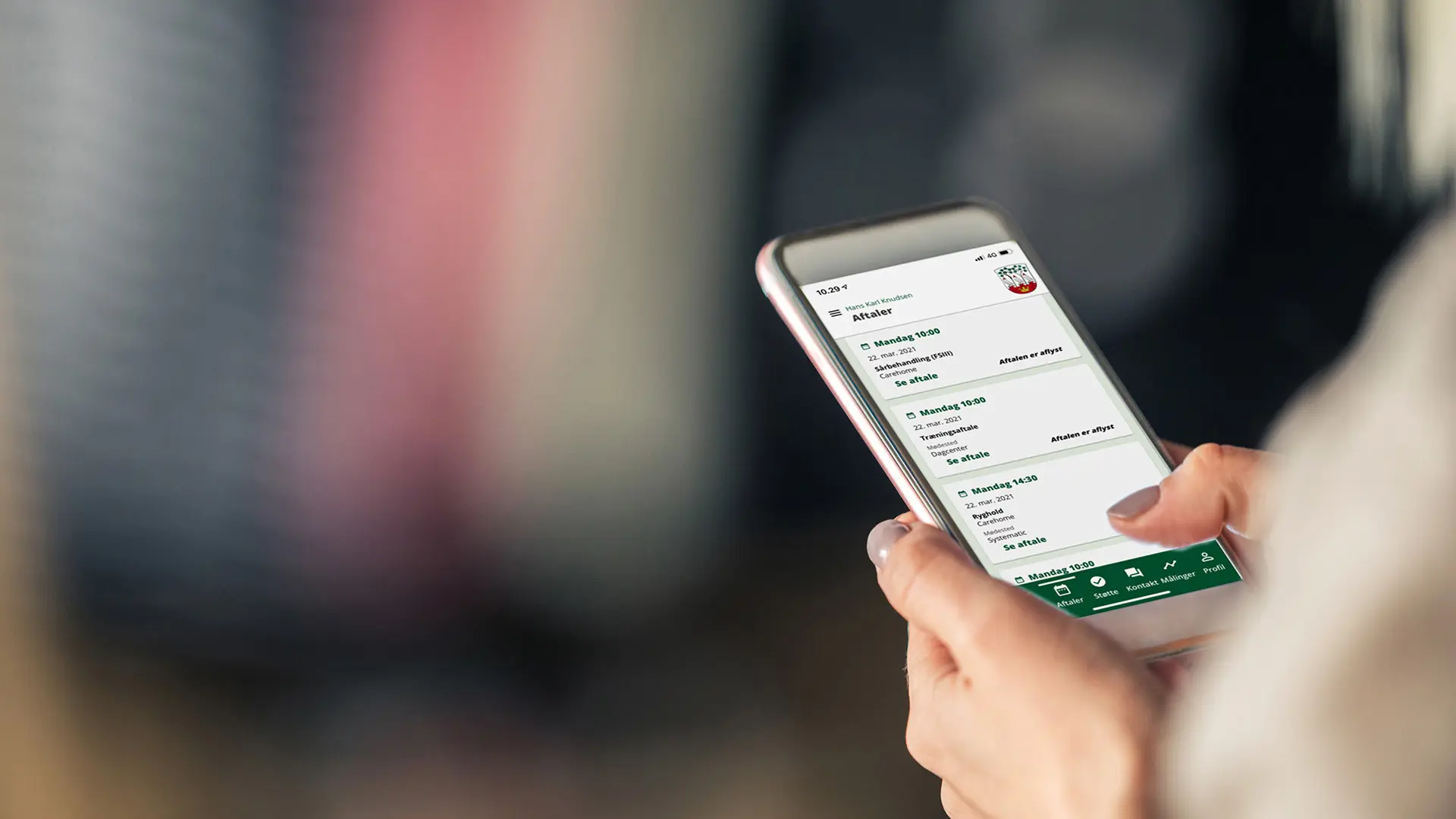 Sønderborg Municipality rolls out Cura Dialogue to all residentSønderborg Municipality rolls out Cura Dialogue to all residents, giving citizens and relatives digital access to appointments, messages and care records.Read more
 Cura Arrival makes daily life easier in Copenhagen MunicipalityWhen residents arrive at the Centre for Rehabilitation Nørrebro, they no longer need to check in at the reception desk. A scanner in the waiting area handles the whole process — and both residents, reception staff, and therapists have noticed the difference.Read more
- Cura Dialogue: When the citizen becomes captain of their own lifeIn Sønderborg Municipality, they've turned the approach to implementing Cura Dialogue on its head. Instead of asking 'What do we need the system to do?', they now ask: "What does the citizen need?"Read more
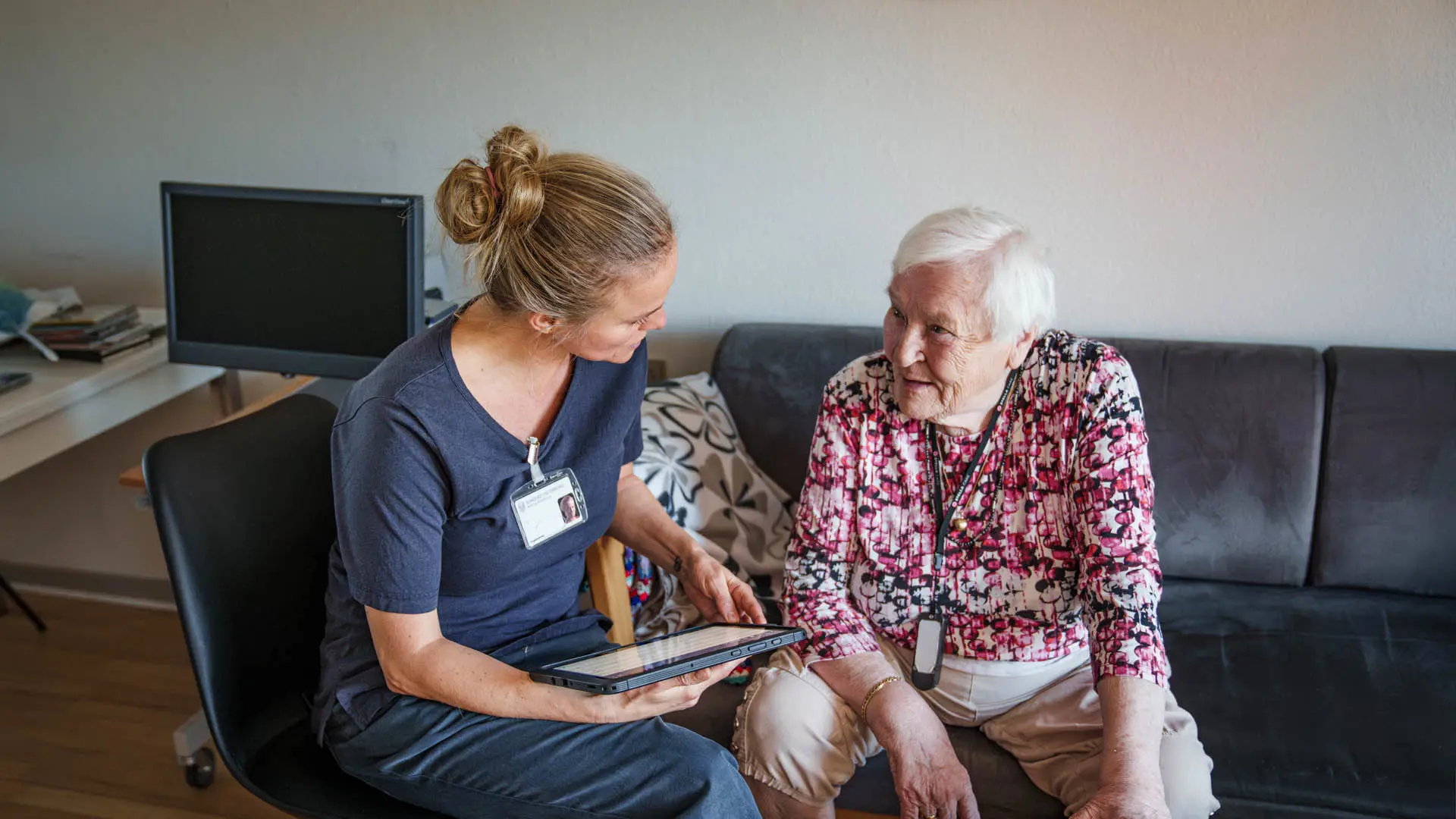 Copenhagen Municipality streamlines workflows with mobile documentationWith Columna Cura, healthcare professionals in the Copenhagen Municipality can document citizen information efficiently on mobile and tablet on the go and during visits.Read more
- App improves work environment and patient coordination in the emergency department at Aalborg University HospitalFewer phone calls. Better overview. And coordinators want to keep it. That is the short version of the results from Aalborg University Hospital's third pilot of Clinical Tasking, a task and coordination platform for emergency departments.Read more
 Capital Region of Denmark launches region-wide hospital trackingHospital tracking data is only useful if it can be shared. The Capital Region of Denmark has gone live with an open platform, built with Lyngsoe Systems, spanning nine of the region's hospitals.Read more