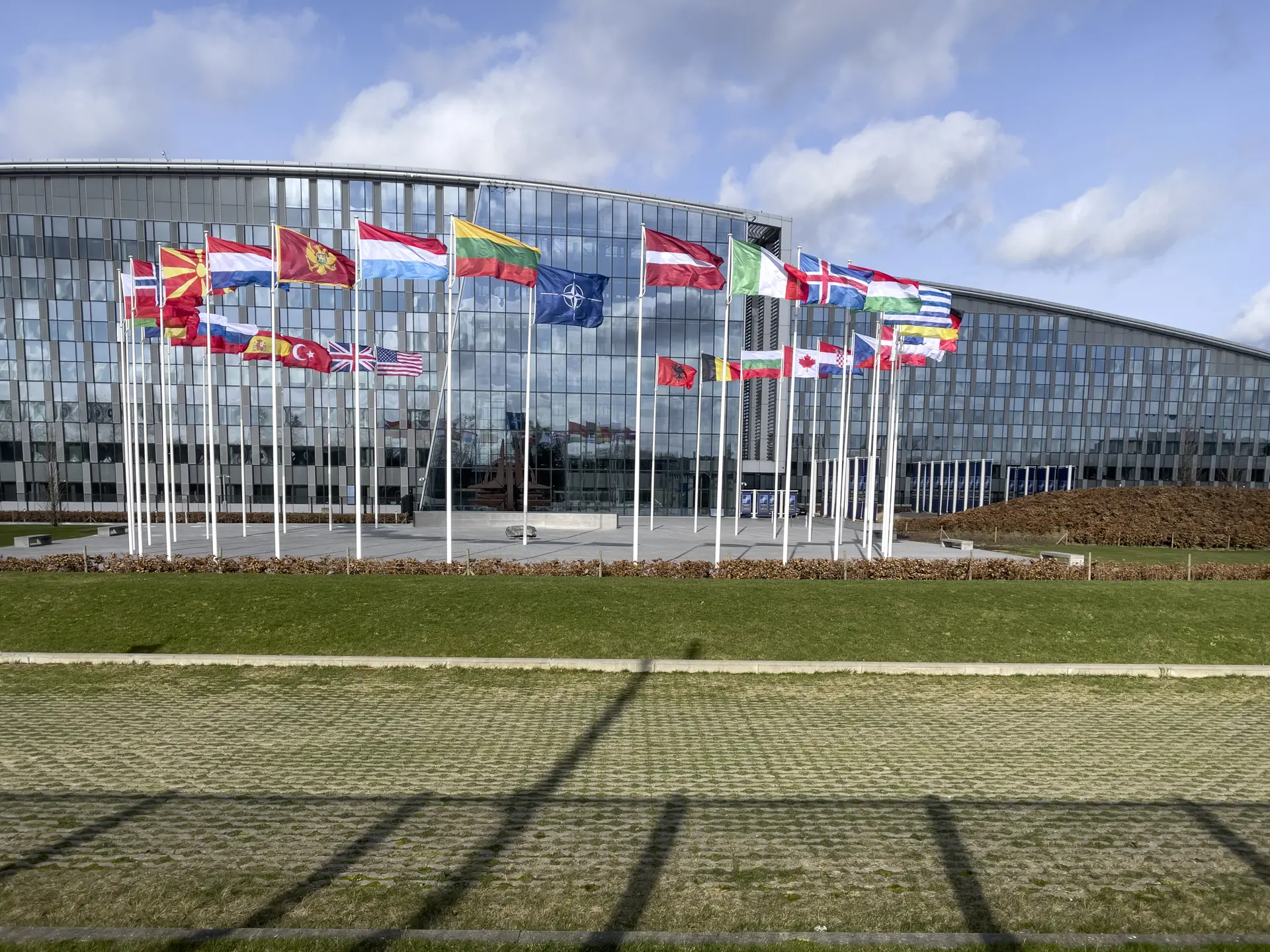
Systematic takes a seat on NATO advisory body
Henrik Sommer, former brigadier general and now Director at Systematic, is Denmark's new representative on NATO's Industrial Advisory Group (NIAG). He promises to give the defence industry a unique insight into what the alliance needs.
Seats at the table are in high demand as NATO defines the defence needs of the future. Henrik Sommer, Director of Defence at Systematic and a former brigadier general, has just taken up the role of Deputy Head of Delegation in NIAG, where the defence industries of all 32 NATO countries are represented. Denmark's seat is held through the Confederation of Danish Industry's Defence and Security section (DI FoS), which appointed Henrik Sommer to the task.
The role is new to him, but the group is not. As a brigadier general, he previously sat on NIAG as NATO's military representative, briefing the group on NATO's development efforts and requirements for military units.
This time, he represents Danish defence industry and Systematic. He sees his job as sharing NIAG's work for the benefit of Danish defence companies and the shared defence task facing Denmark as a nation.
"NIAG is where you come closest to understanding how NATO thinks and sets priorities when defining the defence needs of the future. My assessment is that industry needs more knowledge and information in this area in order to adapt and develop the right products, and I'm glad to contribute to that," he says.

Collaboration runs both ways
For Henrik Sommer, the work in NIAG runs two ways: bringing knowledge and information back to Denmark to share with the defence industry, and advising NATO in areas where combat power needs to be increased.
"For example, NIAG was consulted on the phase-out of its command system for air operations (AWACS), on which a new agreement has just been reached," says Henrik Sommer.
More recently, the need to rapidly increase combat power has become a very high priority.
"NATO tells participants, for example, what nations need to have ready for a battlefield in 2040, but we're also briefed on how industry can best deliver to NATO here and now," he explains.
NIAG also advises the Conference of National Armaments Directors (CNAD), made up of the heads of each country's NATO procurement. They meet regularly to exchange experience and coordinate procurement, and here too, NIAG's representatives have a chance to play a part.
"It's genuinely important to spend defence money wisely. That's why dialogue between industry and defence matters - so defence doesn't end up buying outdated technology," Sommer points out.
Technological rearmament
The war in Ukraine poses a threat to NATO's borders, making strong cooperation between NATO, nations and industry more important than ever. At the same time, technological rearmament is taking up more and more space. Against this backdrop, Henrik Sommer and Systematic are particularly well placed to contribute to NIAG's work.
"With customers in more than 50 countries, Systematic is a world leader in command and control systems, but we haven't forgotten where we came from. Forty years ago, we were also a small start-up, and we remember that as we take on the role of a link between NATO and Danish defence industry," he says.
Corporate news
 Systematic delivers Denmark’s first AI-ready command-and-control system for NATO counter-drone defenceSystematic has been awarded a contract by the Danish Ministry of Defence Acquisition and Logistics Organisation (DALO) to deliver an AI-ready command-and-control (C2) capability for counter-drone defence - marking the first known contract by a NATO member for C2 ready to integrate AI-supported analysis.Read more
- As Sweden mandates staffed school libraries, Stockholm turns to Danish softwareThe new system, Cicero, will allow school librarians to spend less time on administrative tasks and more time inspiring and supporting students.Read more
 Thales and Systematic partner to strengthen Denmark’s air defence capabilitiesThales and Systematic today announced a strategic partnership to provide the Danish Armed Forces with advanced, interoperable air defence capabilities.Read more
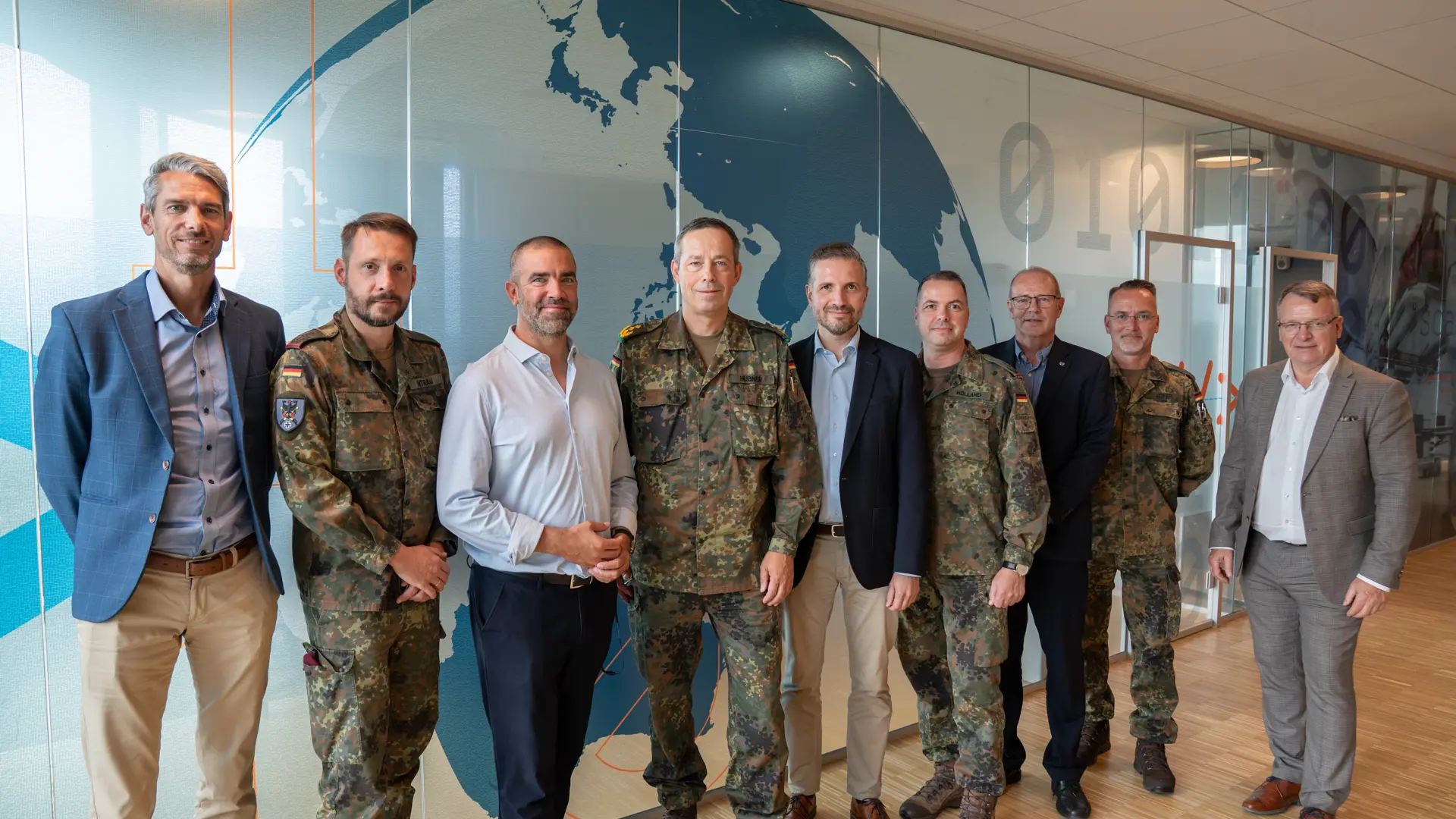 German Army leadership visits Systematic in Aarhus, to discuss command superiority on the battlefield of the futureDeputy Chief of Staff of the German Army, Lieutenant General Heico Hübner and a delegation of the German Army discuss future C4ISR requirements for Multi-Domain Operations.Read more
 The Australian Department of Defence selects Systematic's SitaWare Headquarters for the first tranche of Army’s next-generation Battle Management SystemSystematic's SitaWare Headquarters has been selected for the first tranche of Army's next-generation Battle Management System.Read more
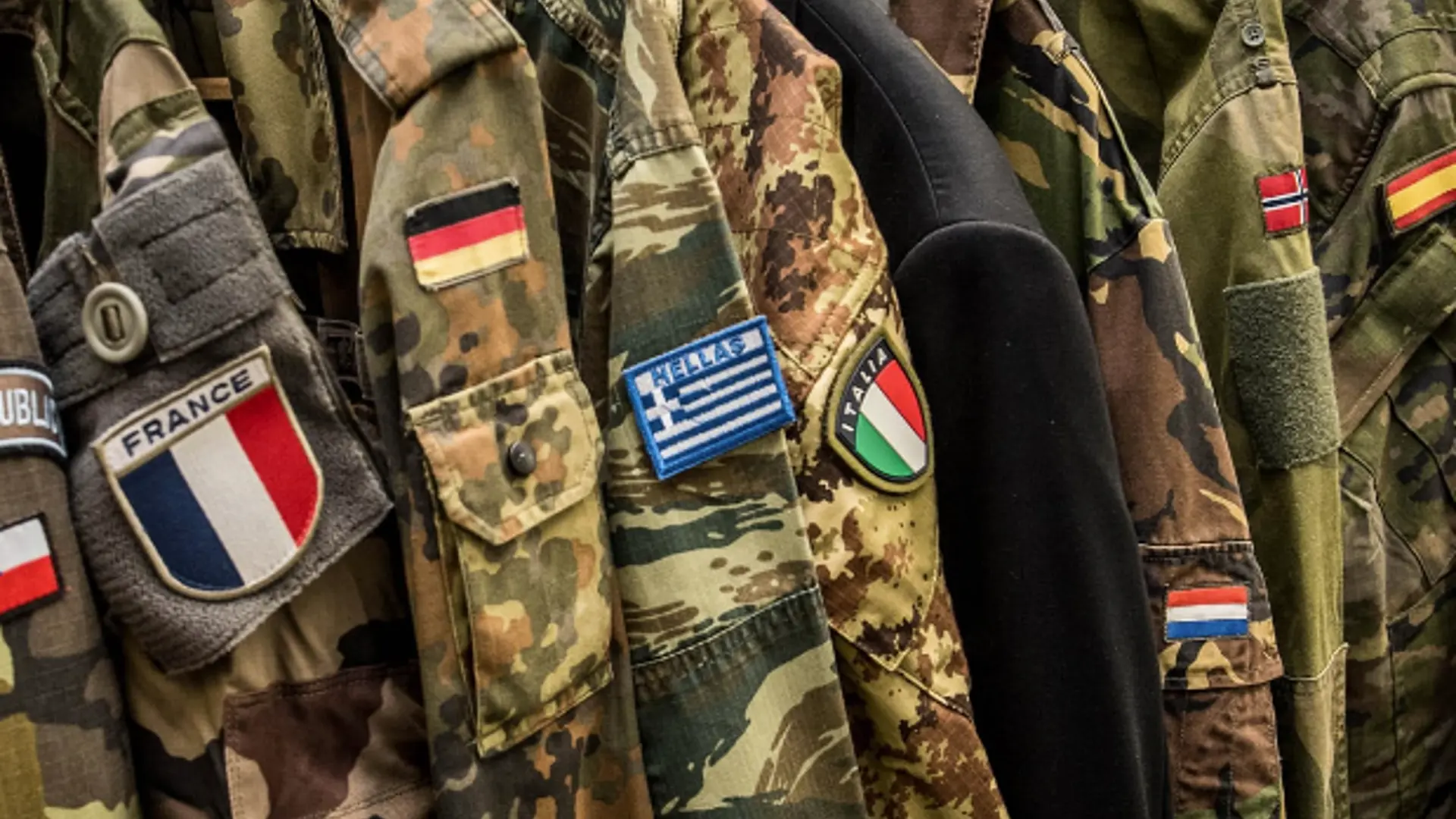 Danish software to bind twelve NATO nations' forces together1 German-Netherlands Corps - one of NATO's high-readiness formations under joint German-Dutch command - has chosen SitaWare Headquarters as its common digital foundation.Read more
 Eight Copenhagen-area municipalities sign joint contract for digital care recordsEU tender worth DKK 100 million secures digital care records for 300,000 residents across the capital region.Read more
 Danish defence AI makes an impression at NATOSystematic presented SitaWare Insight to the senior military representatives of NATO member nations in Brussels on 8 June.Read more
