
How we’re bringing AI into Cura
AI in healthcare is moving quickly from hype to everyday use. With more older residents, pressure on the workforce, and a growing documentation burden, AI could become one of the concrete tools that frees up time for what matters most: the meeting with the resident.
At Systematic, we’re approaching AI in Cura exactly that way. It’s a help to be used where it makes sense for staff and residents, not a goal in its own right. In this post, we share our approach to AI in Cura:
Where we are today
Where we’re heading
How we’re building AI in as a tool that delivers real value in daily work
Why AI, and why now?
The need is clear. Fewer hands have to do more, and documentation is taking time away from residents. Politically, the arrow points towards technology as part of the answer.
The Task Force on Artificial Intelligence, set up by the Danish government, Local Government Denmark (KL), and Danish Regions to set direction for AI in the public sector, has identified automated documentation as one of three national large-scale projects. The principle of ‘automatic first’ is central: if technology can collect and structure data automatically, that should be preferred over manual entry.
The legal basis for using AI as decision support in the Danish health and elderly care legislation is expected to be in place during 2026. At Systematic, we’re not waiting for every piece to fall into place before we start testing and developing AI in Cura. We’re already underway.
Three areas where AI can make a real difference
When we look at the value of AI in Cura, three areas stand out where we think we can move things forward together with the municipalities.
More time for the resident. AI can free up time spent on documentation, so staff can refocus on the core task: presence and the professional meeting with the resident.
Better quality in documentation. Language is one of AI’s strengths. It can support staff who have dyslexia or speak Danish as a second language. Structure, phrasing, and word choice become more consistent, so what’s in the record actually reflects the professional assessment.
Joined-up care across teams. Documentation that’s easy to read and understand, whether it’s a colleague, a temp, or the next shift who needs it. That’s a real gain for collaboration and continuity of care.
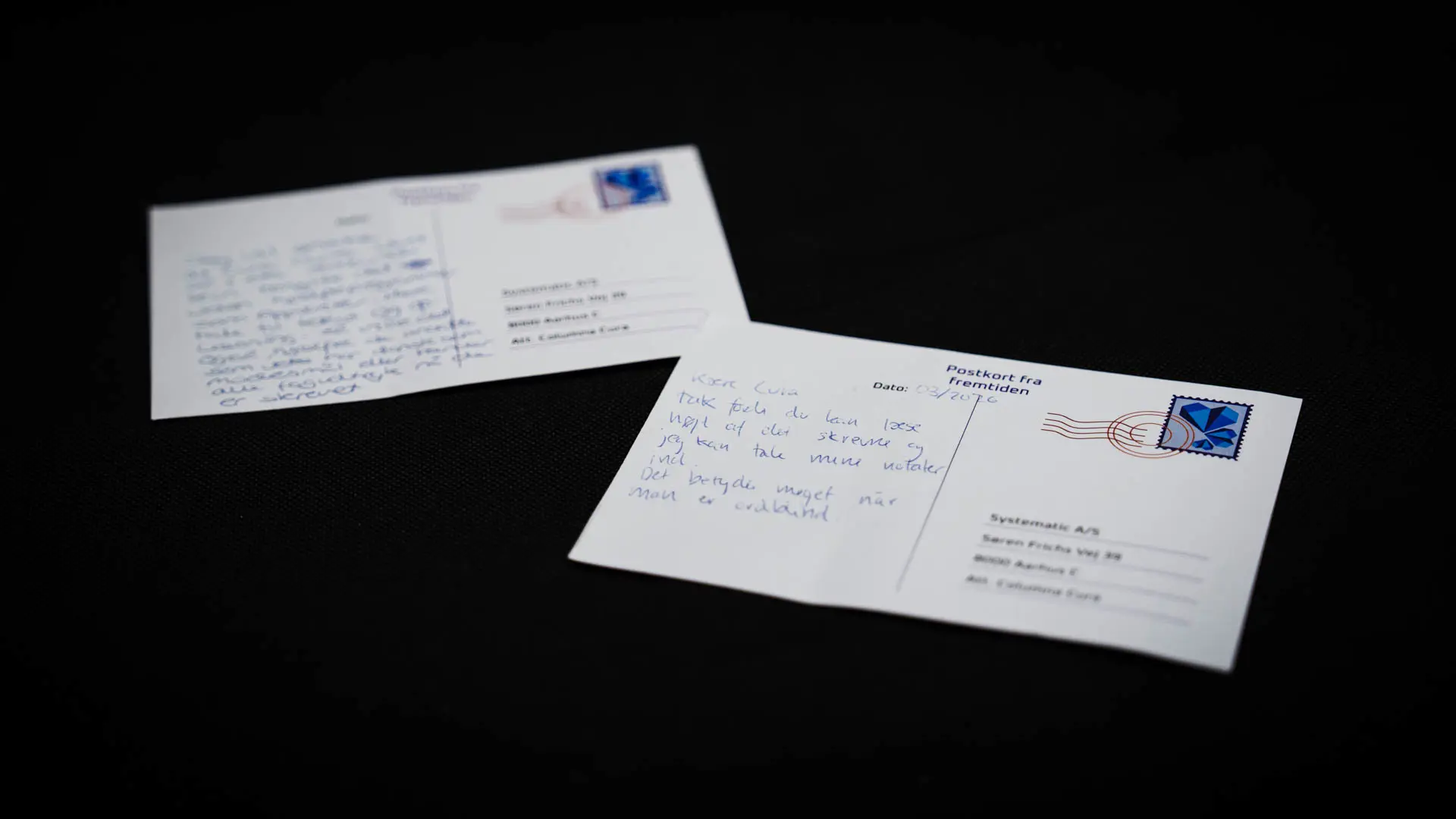
These priorities didn’t come from a closed room. At last year’s Cura conference, we asked attendees to write a postcard to Cura from the future. Two of them read:
“I wish Cura was built so that people with dyslexia, for example, could use it without assistive software. More speech-to-text and read-aloud. That would also help staff who don’t have Danish as their first language.”
“Dear Cura, thank you for being able to read text aloud, and for letting me dictate my notes. It makes a real difference when you’re dyslexic.”
That’s exactly the direction we’re working in.
Our approach: AI only where it makes sense
When we talk about AI in healthcare, one thing is important to us. We don’t use AI for the sake of using AI. We start where we can see real value for staff and residents. We begin with one defined area, measure quality together with the municipalities, and expand once users can trust the results.
That also means AI in Cura is built as an opt-in.
We’ve chosen three foundational tools as the building blocks of our AI roadmap:
Speech-to-text — staff can speak instead of type.
Text structuring — the dictated text is automatically organised into a template that the municipalities help develop.
Summarisation — large volumes of record data are turned into a quick overview.
Speech-to-text and structuring are already in development. Summarisation will come later, because we want experience with AI running in Cura before we move on.
Our first AI functionality: the visit plan
The first concrete AI functionality in Cura will be the visit plan. We’ve chosen it deliberately as a defined area where we can start small, learn a lot, and build the foundation for what comes next.
Here’s how it will work in practice:
The staff member dictates the visit plan into Cura.
AI listens in, cleans the text of noise and filler words, and structures it according to the visit plan’s fields.
The staff member reviews the text, makes corrections if anything is missing or needs rephrasing, and approves it.
This is what we call human in the loop. The staff member always has the final say, because a professional is still the one behind the documentation.
We’re launching a pilot of the visit plan together with Aarhus Municipality, our development partner on this functionality, after summer 2026.
We build it together with the municipalities
Working in partnership with our customers is one of the cornerstones at Systematic. Partnership was also the heart of our first experience with AI in a municipal setting: the TALT project (Danish for ‘spoken’).
In TALT, we were the development partner in a two-year innovation collaboration with Copenhagen, Aalborg, and Aarhus municipalities. The goal was to test speech recognition and text classification as support for documentation in elderly care. In the project’s final phase, 11 municipalities helped test early prototypes.
The results pointed in a clear direction:
68% of the community nurses who took part would use AI in its current form to support nursing assessments, if the solution were ready for everyday use.*
100% would use AI to summarise records before a visit to an unfamiliar resident.*
Estimates of time saved per conversation land between 5 and 15 minutes. That’s time that can go back into the meeting with the resident.**

The numbers tell us the direction is right. Users want to use AI in elderly care, because it helps them in their work. But one of the most important lessons from TALT isn’t in the numbers. It’s in the approach:
The municipalities know what daily workflows really look like. Staff are the ones who feel whether an AI suggestion hits the mark or misses it. Without that knowledge, we can’t build tools that make a difference.
It also means we work a little differently than we usually do. With standard software, we can say yes or no to whether a requirement is met. With AI, it’s not that simple. Two different answers can both be right, depending on the context. That’s why we need the municipalities’ professional judgement to define what good quality looks like.
The way forward
The first step is the visit plan, and the pilot with Aarhus Municipality will give us the knowledge we need to take the next ones. What works? Where does the quality land? Where else in Cura would AI tools add the most value?
We can only answer those questions together with the municipalities.
Any municipality that could see itself as a pilot partner, large or small, is welcome to contact their service manager at Systematic. We need the breadth, so that the tools we build will work in different everyday realities.
We’ve already had good experiences with TALT, and so have the users. Now we look forward to developing further AI capabilities for Cura in close partnership with our customers.
___
*Fremfærd Sundhed & Ældre, ‘AI i ældreplejen – Vidensprojekt om brugen af kunstig intelligens til styrket dokumentation’, October 2025
**Figures from TALT prototype trials, September 2025. Time estimates from the TALT project’s evaluation forms, ‘Use cases og afprøvning’, Use case 1 (nursing assessment).
Would you like to learn more about AI in Columna Cura?
Contact Brian Fisker, Vice President at Systematic.
Few people know Columna Cura like Brian does. From the very first version to today's AI ambitions, he has spent 20 years listening to customers, understanding their needs, and shaping the system around them.
Latest news
We are happy to share what we do. You can find our latest news here or browse through all of our healthcare news by clicking the button below.
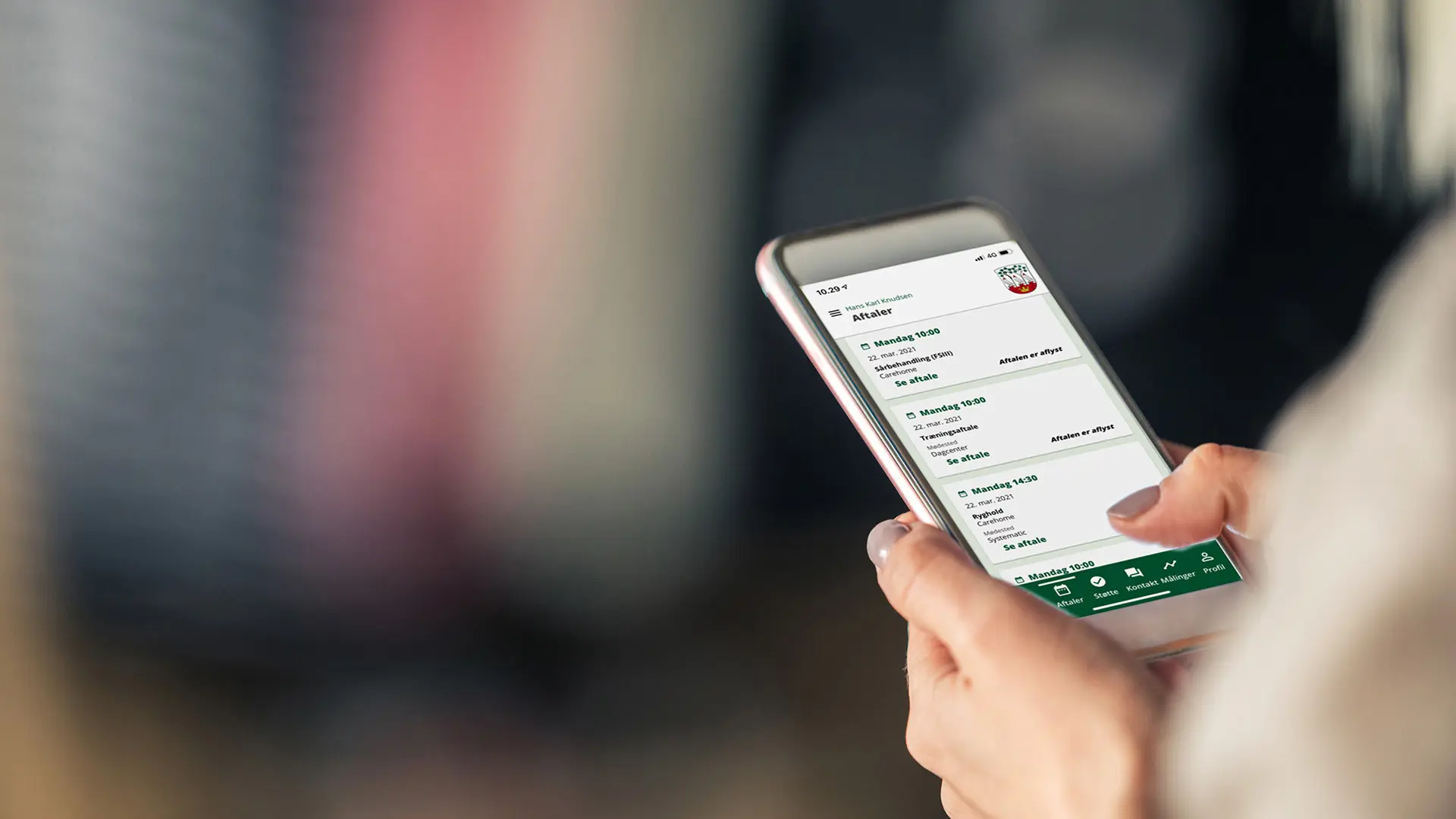 Sønderborg Municipality rolls out Cura Dialogue to all residentSønderborg Municipality rolls out Cura Dialogue to all residents, giving citizens and relatives digital access to appointments, messages and care records.Read more
 Eight Greater Copenhagen municipalities extend their Cura partnershipThe Greater Copenhagen Digitalisation Association has awarded Systematic a new six-year contract covering eight municipalities and more than 300,000 residents — confirming Columna Cura as the leading care record solution in Denmark.Read more
 Esbjerg Municipality brings social care and healthcare together in CuraUsing a single system gives staff a clearer overview, better coordination, and joined-up working across the organisation.Read more
 Systematic recruits two nurses in the race for the Norwegian municipalitiesDrawing on experience from both clinical practice and the vendor side, Trine Sønstelien and Tonje Teigene Heyn will bring Systematic's proven electronic care records solution into the Norwegian care sector - adapted to Norwegian healthcare practice and local needs.Read more
 Systematic recruits experienced healthcare profile for municipal initiativeFollowing the withdrawal of one provider from the competition for municipal electronic care record systems Systematic remains on course and is stepping up its efforts in Norway. The company has now appointed Camilla Lobben to lead this initiative focused on municipal tenders.Read more
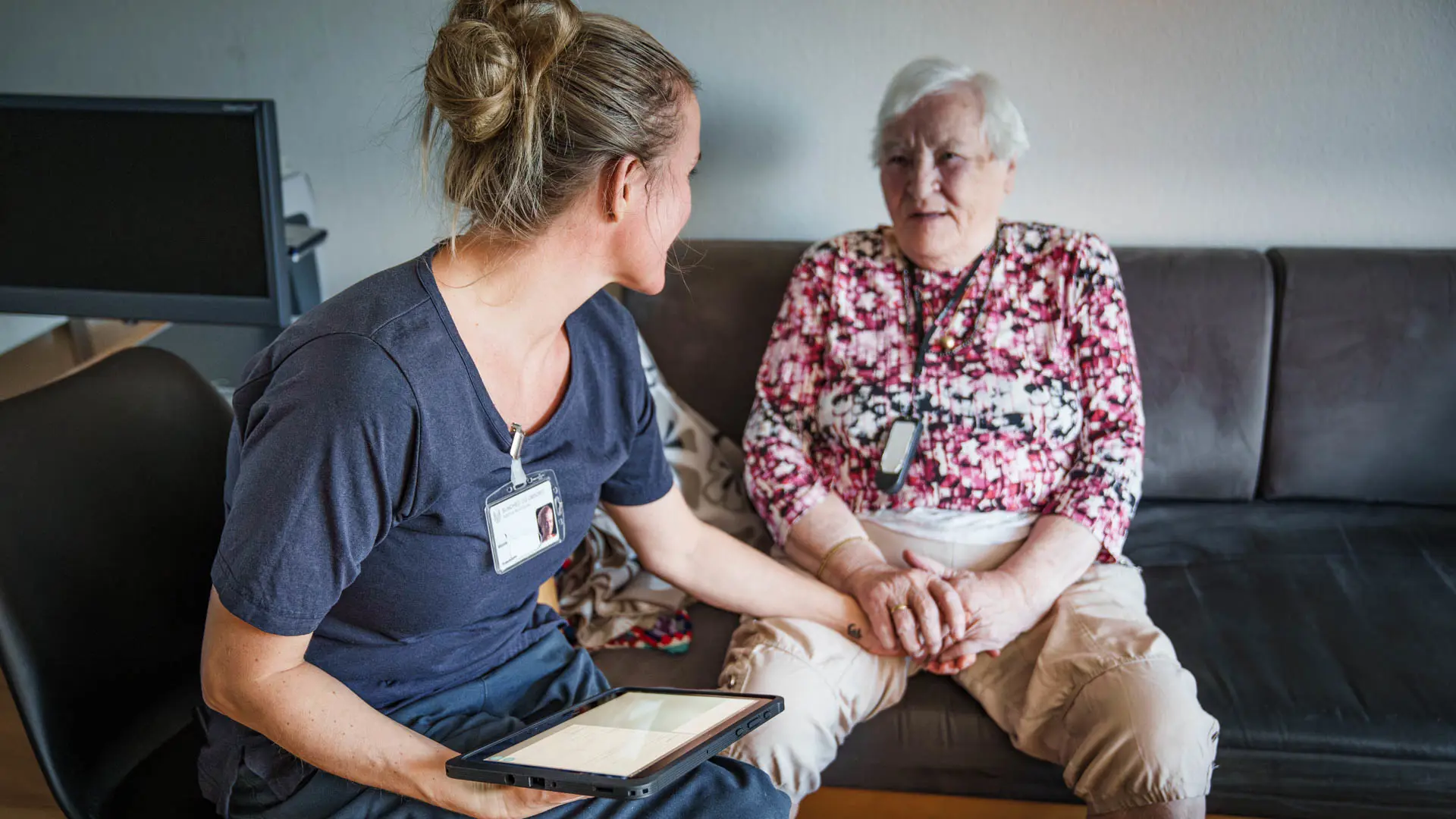 AI-based speech recognition in elderly care gets the green light: Systematic project demonstrates significant potentialSpeech recognition and AI can reduce the documentation burden for frontline staff in elderly care. A groundbreaking project under the Danish Agency for Digitalisation's AI sandbox, has just documented this in its final report.Read more
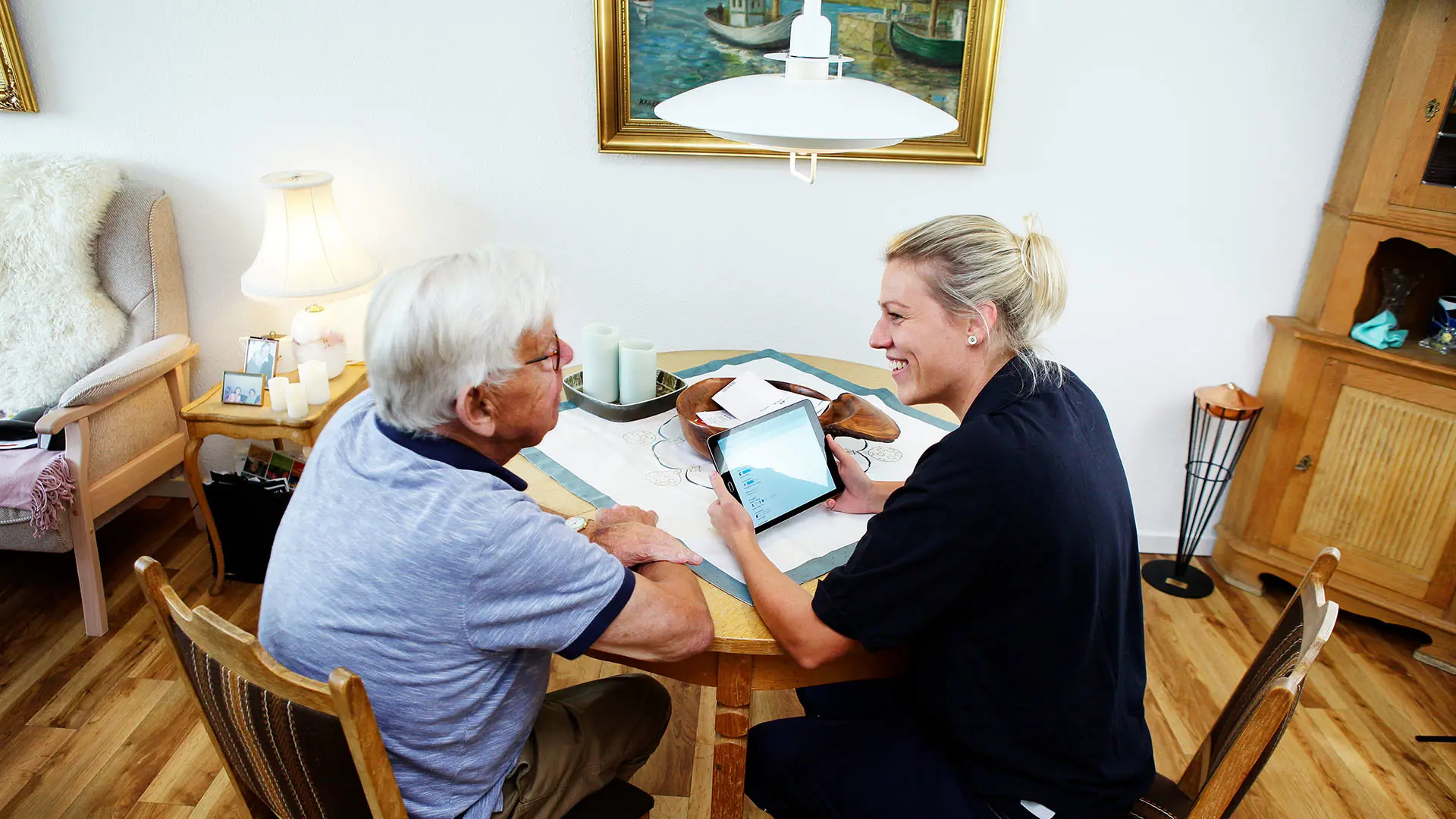 Systematic enters into Norwegian partnershipSystematic strengthens its focus on municipal EHR systems in Norway, pairing with experienced consultancy firm that knows the Norwegian healthcare system inside and out.Read more
 Systematic launches bold expansion into Norwegian health IT marketSystematic is aiming to capture up to half of the Norwegian municipal market for citizen care record systems, and is now establishing a local company as part of the largest international health IT initiative in the company’s history.Read more
Latest cases
Our solutions and services make a difference to our customers. Take a look at our cases and find inspiration in the benefits others have realised
 Cura Arrival makes daily life easier in Copenhagen MunicipalityWhen residents arrive at the Centre for Rehabilitation Nørrebro, they no longer need to check in at the reception desk. A scanner in the waiting area handles the whole process — and both residents, reception staff, and therapists have noticed the difference.Read more
- Cura Dialogue: When the citizen becomes captain of their own lifeIn Sønderborg Municipality, they've turned the approach to implementing Cura Dialogue on its head. Instead of asking 'What do we need the system to do?', they now ask: "What does the citizen need?"Read more
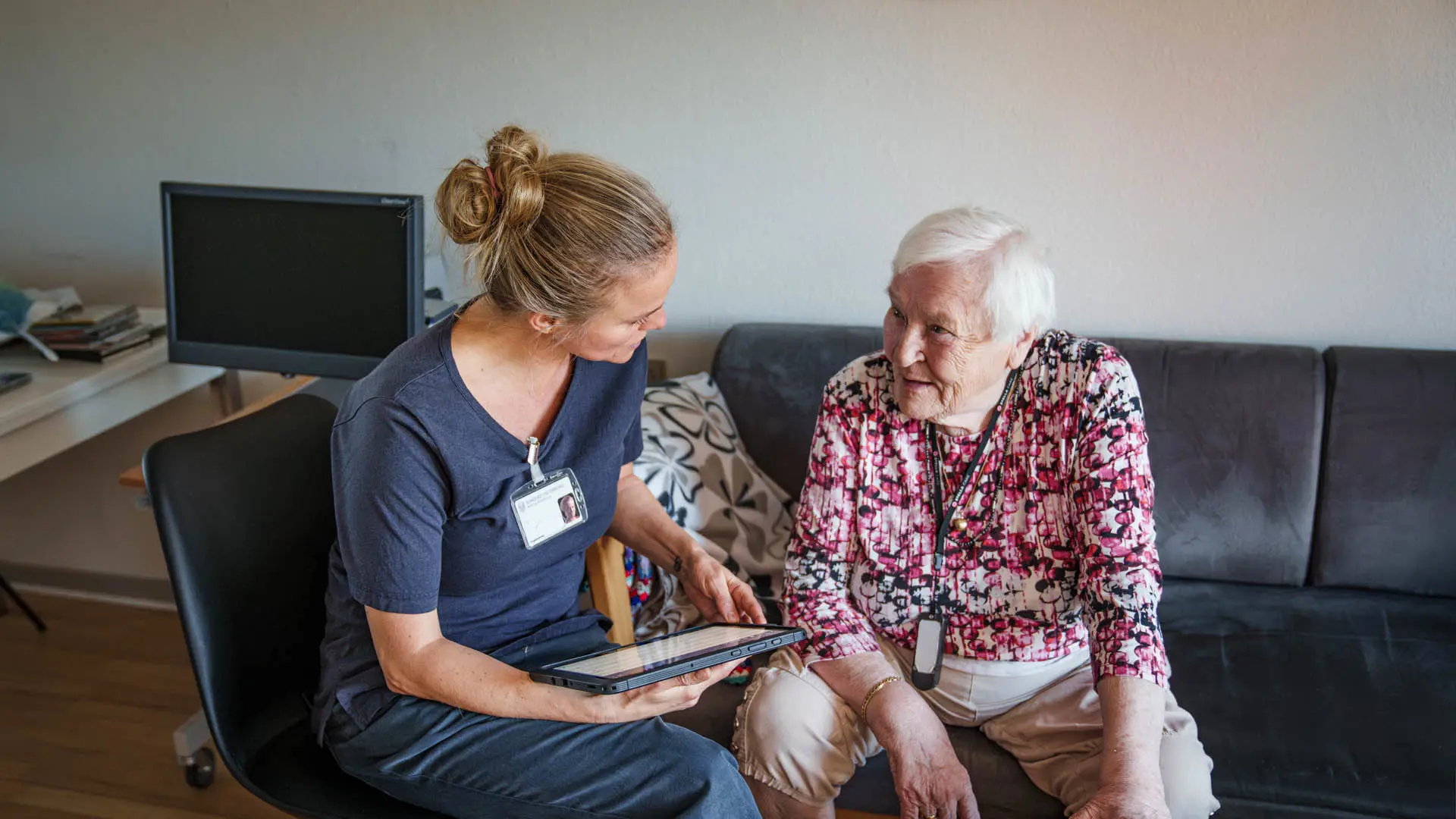 Copenhagen Municipality streamlines workflows with mobile documentationWith Columna Cura, healthcare professionals in the Copenhagen Municipality can document citizen information efficiently on mobile and tablet on the go and during visits.Read more
 Skanderborg Municipality achieves better continuity with Columna Cura My TeamSkanderborg Municipality has implemented Columna Cura My Team. This has resulted in improved task overview, fewer disruptions and increased employee autonomy.Read more
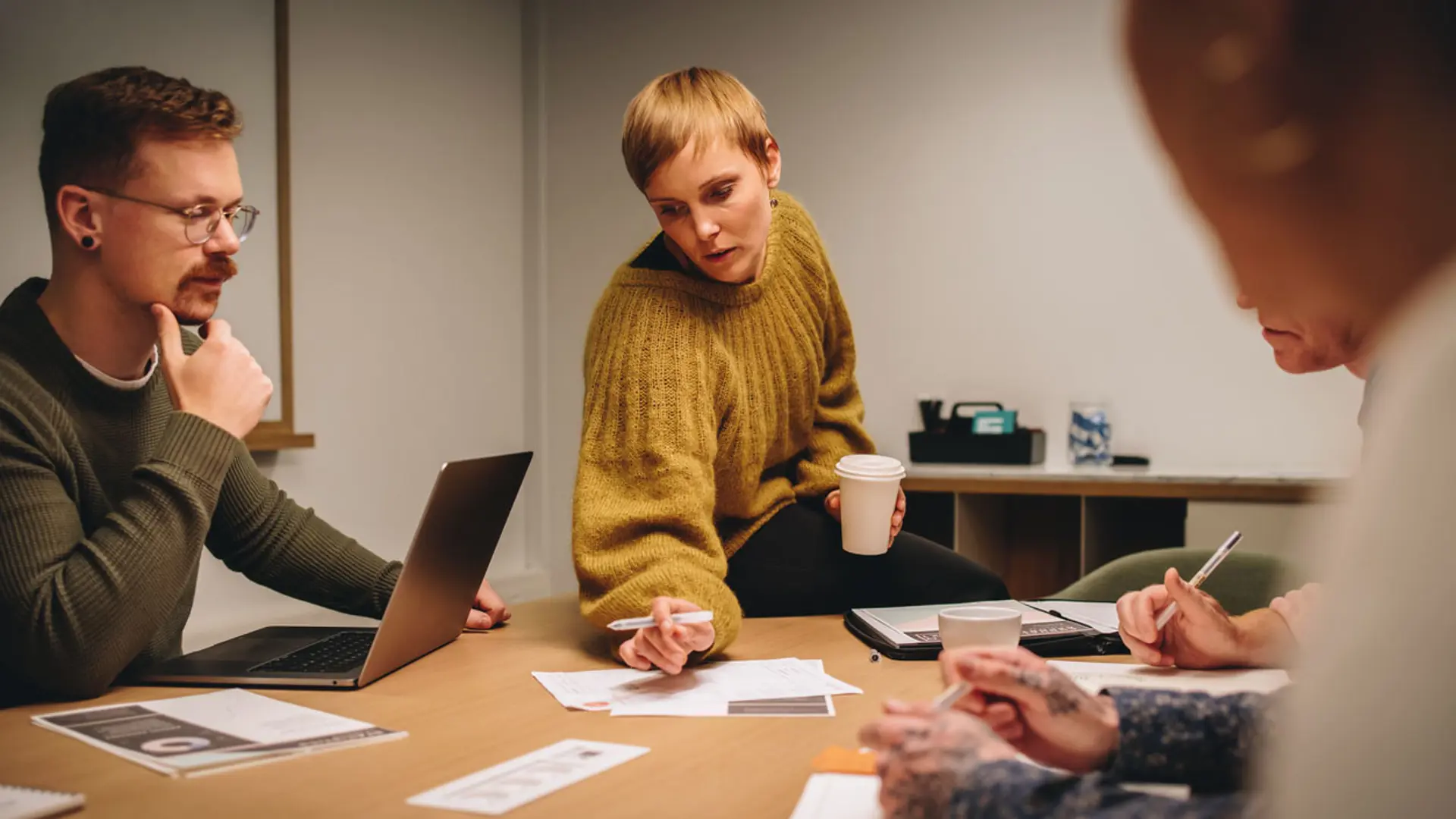 Ikast-Brande Municipality transformed their workflows with Columna Cura SocialDaily administrative tasks has become easier, and staff in Ikast-Brande Municipality now have more time for residents. Read how in this case study.Read more
 How do we create the continuum of care?The dream of a unified health service, with seamless information exchange, is no longer a distant dream.Read more
 Herning Municipality has tested Columna Axon with great successColumna Axon brings cohesion to the healthcare system by enabling healthcare professionals across sectors to share real-time data with each other.Read more
 Cura Dialogue ensures effective communication for citizens and relatives in Aalborg MunicipalityCitizens and staff in Aalborg Municipality are pleased with the the Cura Dialogue solution. The solution lets citizens view and manage appointments online, allowing them to book or cancel appointments digitally.Read more