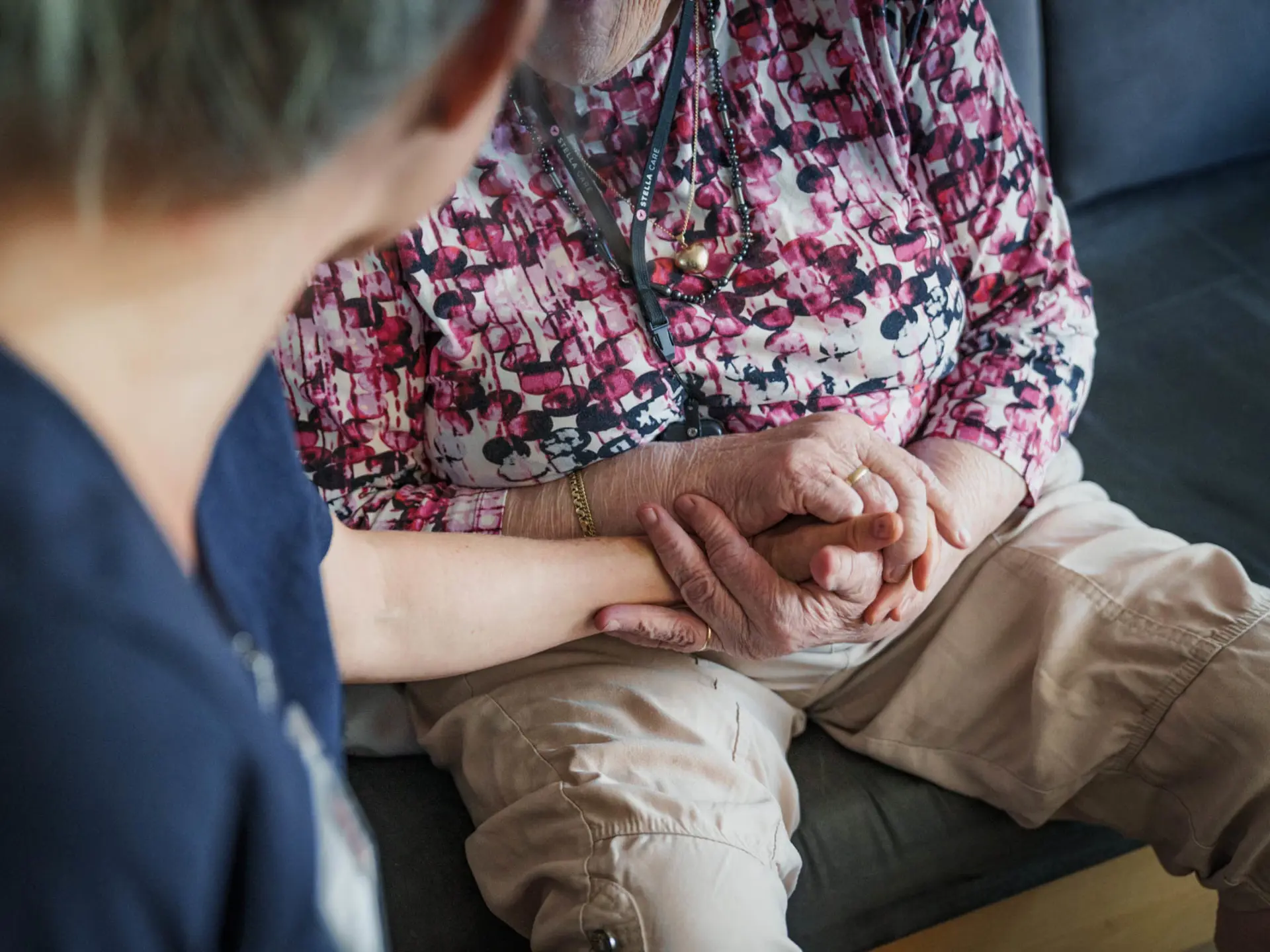
Municipalities should demand more than functionality from tomorrow's care record supplier
By Brian Fisker, Vice President, Systematic Healthcare
The opinion piece is published on MedWatch.no
When Danish municipalities choose a new electronic care record system (known in Denmark as EPJ or EOJ), the discussion often focuses on functionality, price, and reliability. That matters, of course. But one question is becoming increasingly important:
It's a challenge many municipalities face today.
On the one hand, municipalities want stable, joined-up solutions with clear lines of responsibility. On the other, some of the most interesting innovation comes from smaller, specialist companies that focus on a single area and can develop new solutions quickly.
Historically, municipalities have often been forced to choose between two models: a single system from one supplier, or a patchwork of many solutions that the municipality has to connect and keep running itself.
That's a choice municipalities shouldn't have to make.

Freedom of choice shouldn't become an integration project
Municipalities are under growing pressure. There are more older residents, staff are increasingly stretched, and the need for services and partners to work together keeps growing. New needs also arise faster than any single supplier can meet them.
At the same time, municipalities increasingly want the freedom to choose the solutions that best fit their own workflows and priorities.
The problem is that freedom of choice often comes at a price.
If a municipality has to run integrations, security assessments, operational monitoring, and coordination across many suppliers by itself, the complexity soon eats up the gains.
Access to APIs and integration options is the starting point. Openness also depends on who takes responsibility for how it all fits together.
Openness requires clear responsibility
Many suppliers today talk about open platforms and ecosystems. But an ecosystem needs more than an open door.
There must be clear requirements for security, data processing, documentation, operations, and support. Testing and monitoring must be in place. And one party must take responsibility when something goes wrong.
Without this structure, the freedom never materialises. Municipalities end up tied to a constant stream of new integration projects that they run, and answer for, themselves.
Municipalities should ask for a model where the supplier keeps responsibility for the core system and for how it all works together, while specialist solutions can still be plugged in.
For municipalities, the goal is stability and innovation at the same time.
Cura now works alongside a competing planning tool
At Systematic, we've chosen to work this way with Cura.
One concrete example is our partnership with Deloitte, where municipalities can use Deloitte's automated route and shift planning solution directly alongside the Cura platform.
What makes the partnership unusual is that Deloitte Plans is an alternative to Cura's own planning solution, Cura Plan. It competes directly with a product we sell.
Many municipalities choose Cura Plan and get real value from it. Others need something different, and each municipality should be able to pick what fits.
It would have been simpler to offer only our own solution. But our conversations with municipalities, and our experience from inter-municipal work on data-driven route planning, have made one thing clear: municipalities don't all want the same thing.
Some municipalities prefer one approach, others the other. When needs differ, the options should differ too.
This is exactly where an open ecosystem proves its worth. A municipality shouldn't be limited by its supplier's product strategy or development roadmap. If a specialist solution creates the most value, the municipality should be able to choose it without losing coherence, security, or a single point of responsibility.
Henrik Wiingreen, Director at Deloitte, describes what he's seen from a series of operational improvement analyses in Danish municipalities:
Six questions municipalities should ask in any care record tender
It's easy for suppliers to claim their platform is open. It's far harder to prove it.
So municipalities should put specific questions into the tender, covering access to innovation alongside functionality, price, and reliability:
Does the supplier have a documented process for working with third-party suppliers?
Are there clear criteria for security, data processing, and risk assessment of third-party solutions?
How quickly can a new third-party solution move from signed agreement to live use?
Is the integration documentation open, up to date, and available without special agreements?
How are integrations tested and monitored on an ongoing basis?
Who is responsible if an integration fails?
Disse spørgsmål er mindst lige så relevante som krav til funktionalitet, svartider og pris.
These questions matter at least as much as requirements for functionality, response times, and price.
Innovation must be something you can buy
A municipality buying a care record is investing in its ability to adapt for years to come.
No single supplier can build every solution that elderly care and health services will need in the years ahead. So the ability to work with others and make room for innovation becomes an increasingly important part of the value a supplier offers.
When municipalities evaluate future care record solutions, they shouldn't only ask what the system can do today.
They should also ask how easy it will be to adopt tomorrow's solutions.
An open platform has to turn that openness into real freedom of choice, without the municipality taking on responsibility for making it all hold together.
Latest cases
Our solutions and services make a difference to our customers. Take a look at our cases and find inspiration in the benefits others have realised.
 How UMC Utrecht tracks 5,500 medical devices across two hospitalsUMC Utrecht wanted staff to find the right device when they need it, without every department running its own fleet. This is how they made it work with Columna Flow Search & Find.Read more
 Cura Arrival makes daily life easier in Copenhagen MunicipalityWhen residents arrive at the Centre for Rehabilitation Nørrebro, they no longer need to check in at the reception desk. A scanner in the waiting area handles the whole process — and both residents, reception staff, and therapists have noticed the difference.Read more
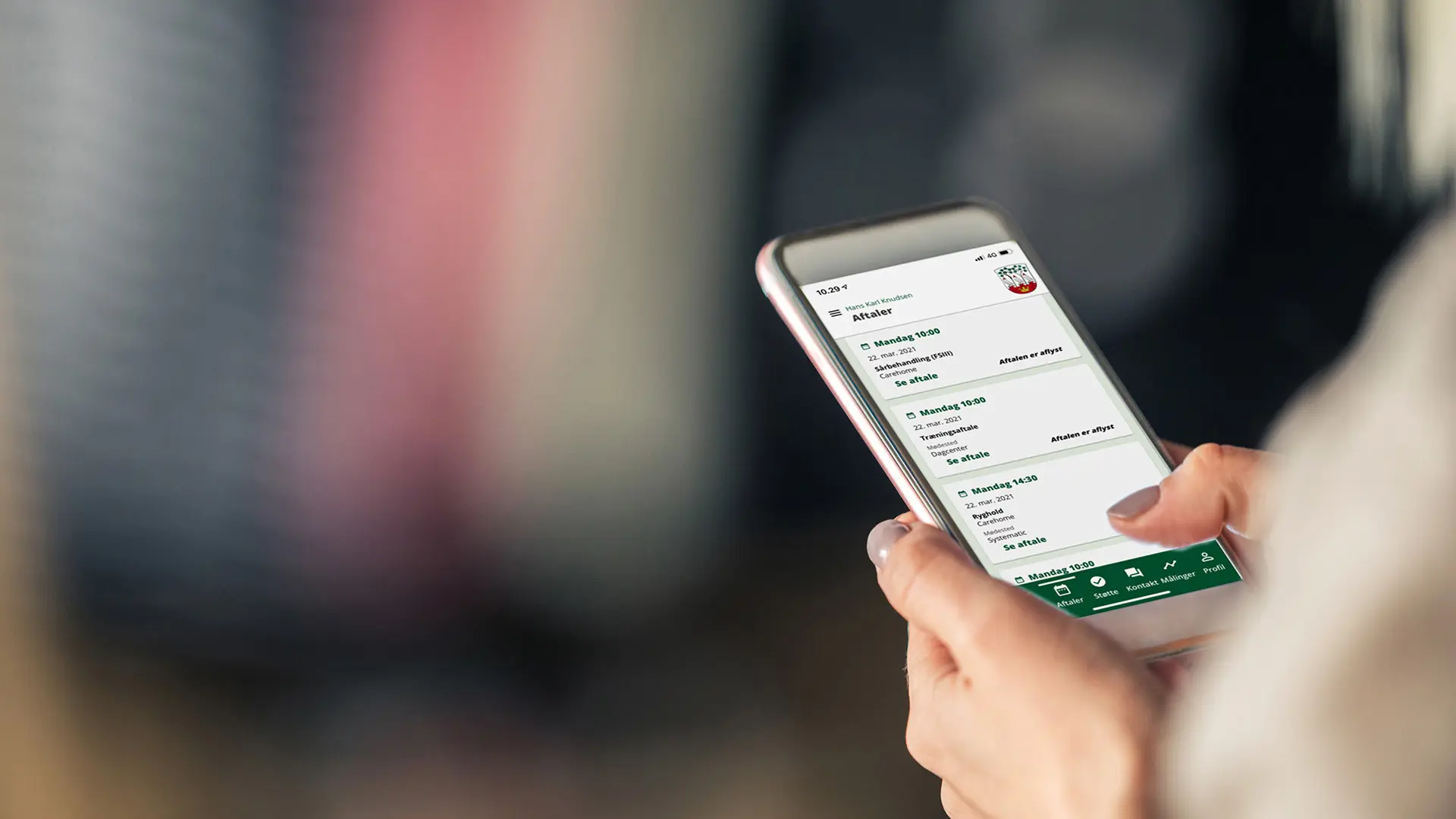 Cura Dialogue: When the citizen becomes captain of their own lifeIn Sønderborg Municipality, they've turned the approach to implementing Cura Dialogue on its head. Instead of asking 'What do we need the system to do?', they now ask: "What does the citizen need?"Read more
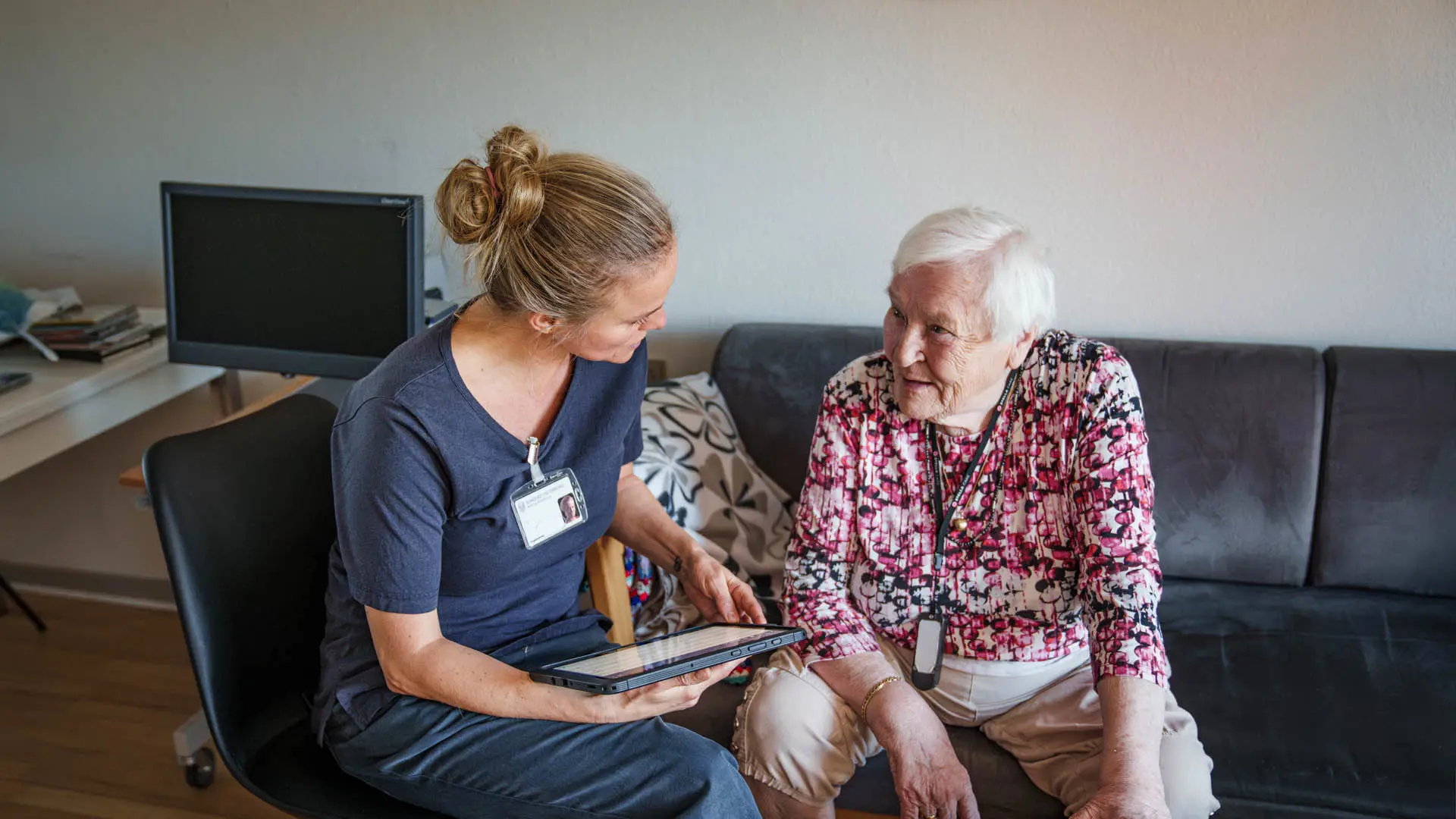 Copenhagen Municipality streamlines workflows with mobile documentationWith Columna Cura, healthcare professionals in the Copenhagen Municipality can document citizen information efficiently on mobile and tablet on the go and during visits.Read more
 App improves work environment and patient coordination in the emergency department at Aalborg University HospitalFewer phone calls. Better overview. And coordinators want to keep it. That is the short version of the results from Aalborg University Hospital's third pilot of Clinical Tasking, a task and coordination platform for emergency departments.Read more
 Skanderborg Municipality achieves better continuity with Columna Cura My TeamSkanderborg Municipality has implemented Columna Cura My Team. This has resulted in improved task overview, fewer disruptions and increased employee autonomy.Read more
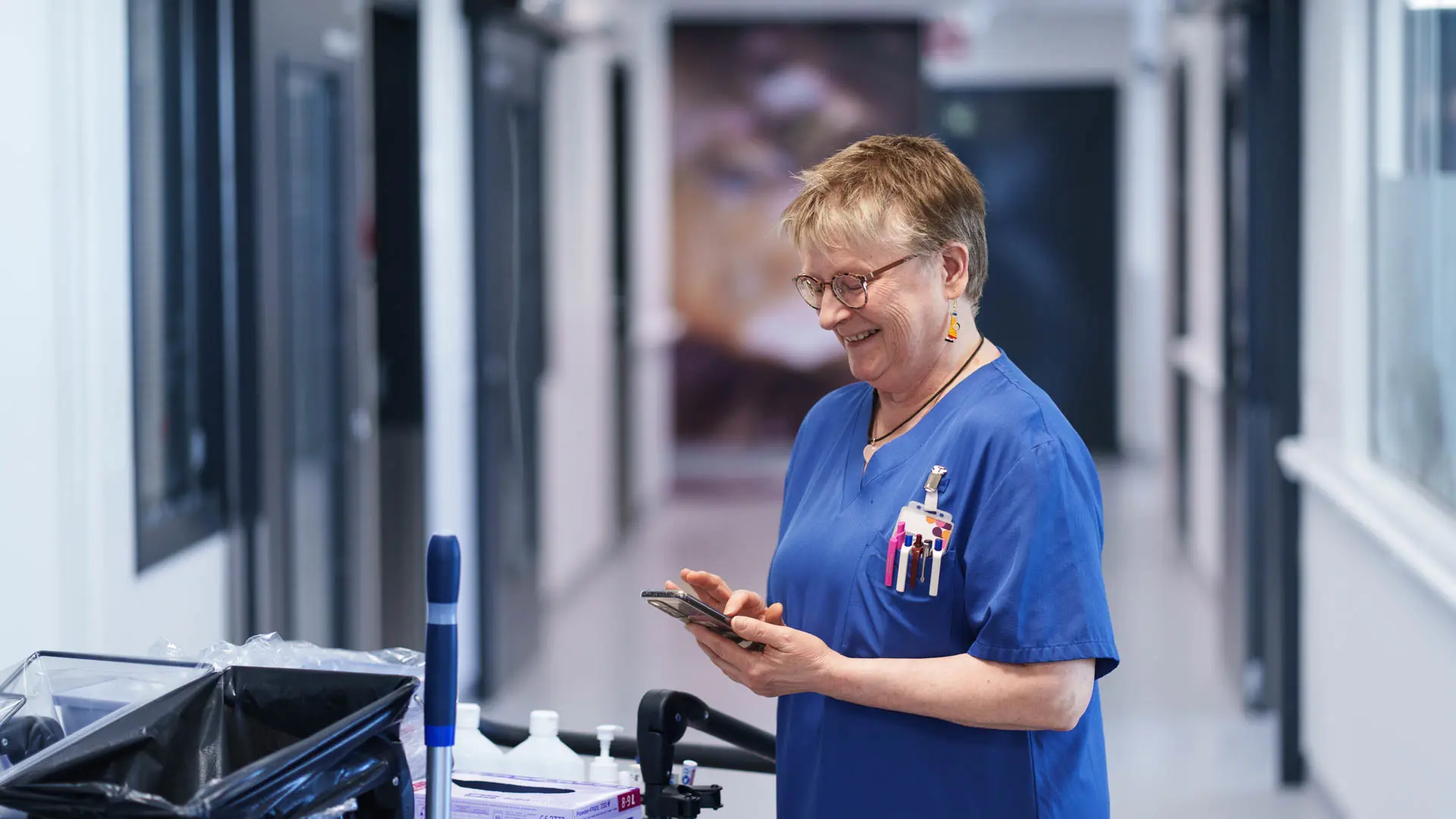 Real-time task management transforms Tampere University Hospital in FinlandTampere University Hospital have improved resource allocation, fewer interruptions, and more time for patient care across their 600+ cleaning staff.Read more
 Ikast-Brande Municipality transformed their workflows with Columna Cura SocialDaily administrative tasks has become easier, and staff in Ikast-Brande Municipality now have more time for residents. Read how in this case study.Read more