
Healthcare IT is too often left out of the resilience conversation
Across the Nordics, Resilience planning for power, water and defence has moved to the top of the agenda. Rightly so. But what happens to critical healthcare systems when crisis actually hits?
By Brian Fisker, Vice President, Systematic Healthcare.
Brian has spoken about this topic before in an interview with the Norwegian online media Dagens Medisin. See the interview here.
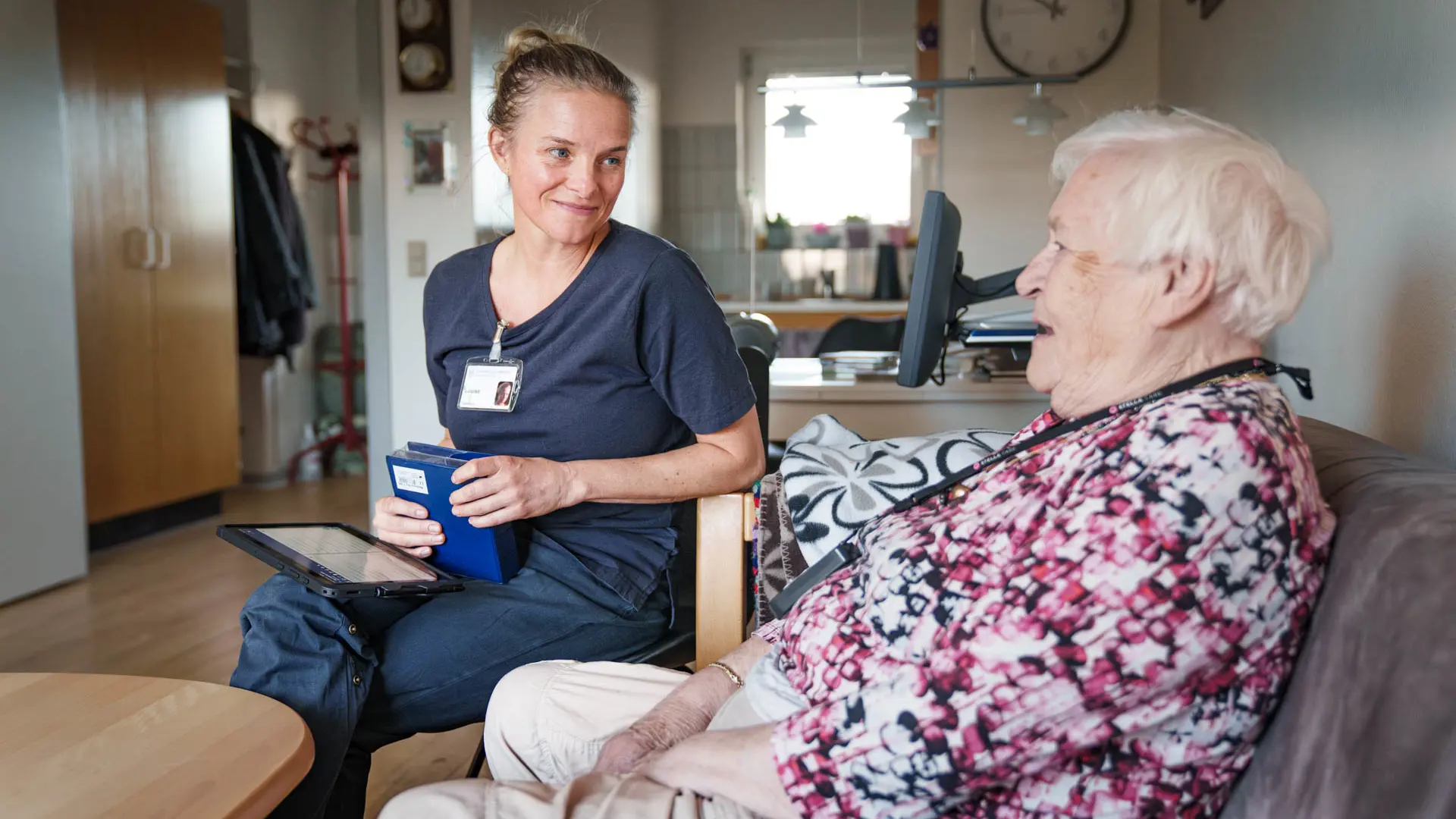
Picture this. It is winter. A major power outage hits several municipalities at once, and it lasts for days. A district nurse sets out for her scheduled visits to residents who depend on daily care. She manages to get there without power.
The real problem is whether she can document the visit and find the information she needs once she arrives, without access to the care record.
For many Norwegian municipalities today, the answer is uncertain. That worries me.
Resilience is everywhere in the debate, except in healthcare IT
This year's Arendalsuka, Norway's annual week-long political festival where government, industry and civil society debate the issues of the day, hosted more than 400 sessions on resilience.
That is a fair measure of how high the topic sits on the agenda in the Nordics right now, driven by an unsettled security situation in Europe and a warning from the Nordic tech sector about rising cyberattacks on critical infrastructure, set out in the report "A Call for Nordic Digital Resilience".
Healthcare IT is missing from that conversation.
Resilience is being discussed in meeting room after meeting room. At the same time, many Norwegian municipalities are choosing new electronic care record systems for home care, and robustness against downtime is not always a core requirement in the procurement.
This is a societal problem, not a departmental one
When I talk about a care record system needing to withstand downtime, I mean disruption that hits broadly and lasts a long time: the power grid failing across a whole region, the national internet connection going down, the water supply failing.
A system that depends on stable power and network access to function at all is not robust enough for the reality home care staff can find themselves in.
Some countries are further ahead, but the job is not finished
In Denmark, where Systematic also supplies the defence and healthcare sectors, resilience has been part of care record procurement for longer, driven partly by EU rules that set specific robustness requirements.
Copenhagen Municipality is a good example. The municipality itself took the initiative to specify a range of resilience features in its home nursing system, starting from one central question: how do you ensure safe follow-up for the most vulnerable residents in a worst-case scenario, when the nurse is out in someone's home rather than at a desk?
The question municipalities should keep asking suppliers
I think municipalities should keep putting this question to their suppliers, not just during procurement, but on an ongoing basis:
The answer should not be left to a subcontractor.

Resilience has to be part of the architecture itself, from the first line of code. As a supplier, we are responsible for the system working well on a normal day, and equally responsible for it still working on the day that is not normal.
How we approach this in practice
In our system, a district nurse can have full access to the care record with no network connection for up to seven days. That is a long time, but once that limit is reached, society as a whole needs to move into a different phase and find more lasting solutions for how the most vulnerable residents are cared for. Neither we nor anyone else has a complete answer to that yet.
We have also built mobile printers into our solutions, because paper still saves the day when power and connectivity are unavailable for an extended period, so the nurse always has the information she needs on the visit.
From the unthinkable to the plausible
What we used to call unthinkable has become a real possibility. That is why home care and healthcare IT belong on the resilience agenda alongside power, water and defence, and why robustness should be a standing requirement in municipal procurement processes, not an afterthought.
Brian Fisker is Vice President at Systematic and has worked in healthcare IT for more than 20 years. He has been closely involved in developing Systematic's care record systems for both hospitals and municipalities.
Latest news
We are happy to share what we do. You can find our latest news here or browse through all of our healthcare news by clicking the button below.
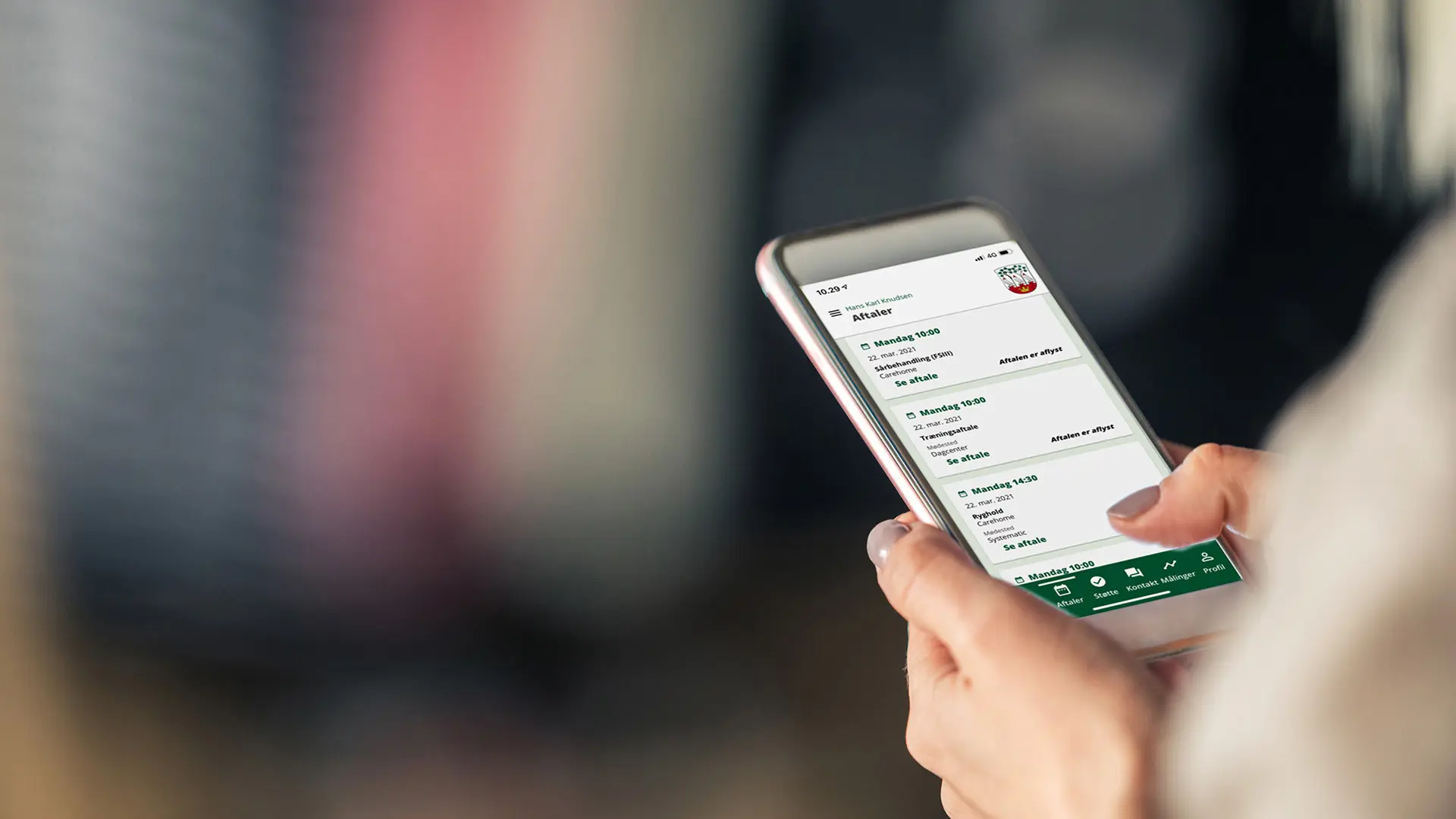 Sønderborg Municipality rolls out Cura Dialogue to all residentSønderborg Municipality rolls out Cura Dialogue to all residents, giving citizens and relatives digital access to appointments, messages and care records.Read more
 Eight Greater Copenhagen municipalities extend their Cura partnershipThe Greater Copenhagen Digitalisation Association has awarded Systematic a new six-year contract covering eight municipalities and more than 300,000 residents — confirming Columna Cura as the leading care record solution in Denmark.Read more
 Esbjerg Municipality brings social care and healthcare together in CuraUsing a single system gives staff a clearer overview, better coordination, and joined-up working across the organisation.Read more
 Systematic recruits two nurses in the race for the Norwegian municipalitiesDrawing on experience from both clinical practice and the vendor side, Trine Sønstelien and Tonje Teigene Heyn will bring Systematic's proven electronic care records solution into the Norwegian care sector - adapted to Norwegian healthcare practice and local needs.Read more
 Systematic recruits experienced healthcare profile for municipal initiativeFollowing the withdrawal of one provider from the competition for municipal electronic care record systems Systematic remains on course and is stepping up its efforts in Norway. The company has now appointed Camilla Lobben to lead this initiative focused on municipal tenders.Read more
 AI-based speech recognition in elderly care gets the green light: Systematic project demonstrates significant potentialSpeech recognition and AI can reduce the documentation burden for frontline staff in elderly care. A groundbreaking project under the Danish Agency for Digitalisation's AI sandbox, has just documented this in its final report.Read more
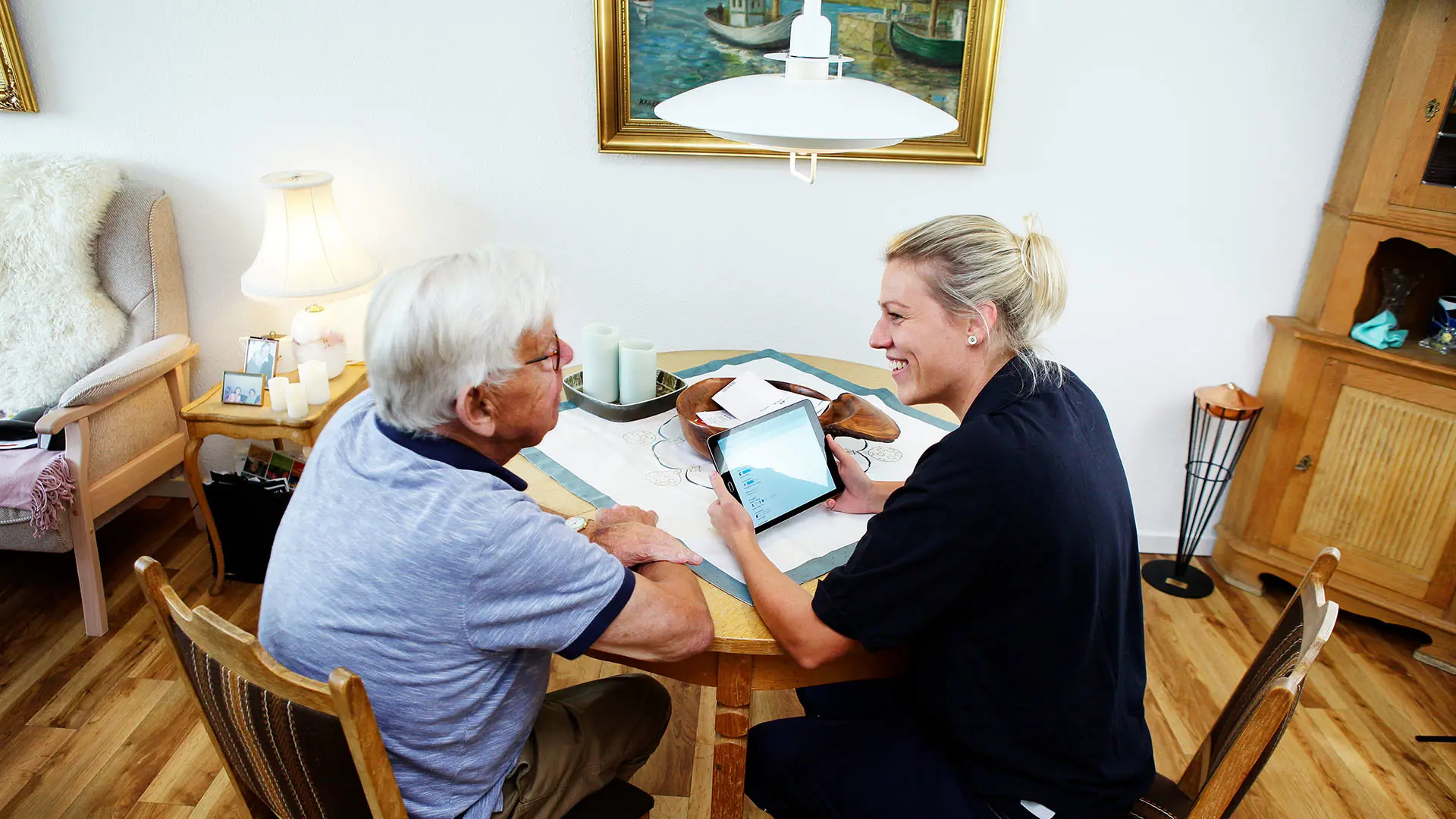 Systematic enters into Norwegian partnershipSystematic strengthens its focus on municipal EHR systems in Norway, pairing with experienced consultancy firm that knows the Norwegian healthcare system inside and out.Read more
 Systematic launches bold expansion into Norwegian health IT marketSystematic is aiming to capture up to half of the Norwegian municipal market for citizen care record systems, and is now establishing a local company as part of the largest international health IT initiative in the company’s history.Read more
Latest cases
Our solutions and services make a difference to our customers. Take a look at our cases and find inspiration in the benefits others have realised
 Cura Arrival makes daily life easier in Copenhagen MunicipalityWhen residents arrive at the Centre for Rehabilitation Nørrebro, they no longer need to check in at the reception desk. A scanner in the waiting area handles the whole process — and both residents, reception staff, and therapists have noticed the difference.Read more
- Cura Dialogue: When the citizen becomes captain of their own lifeIn Sønderborg Municipality, they've turned the approach to implementing Cura Dialogue on its head. Instead of asking 'What do we need the system to do?', they now ask: "What does the citizen need?"Read more
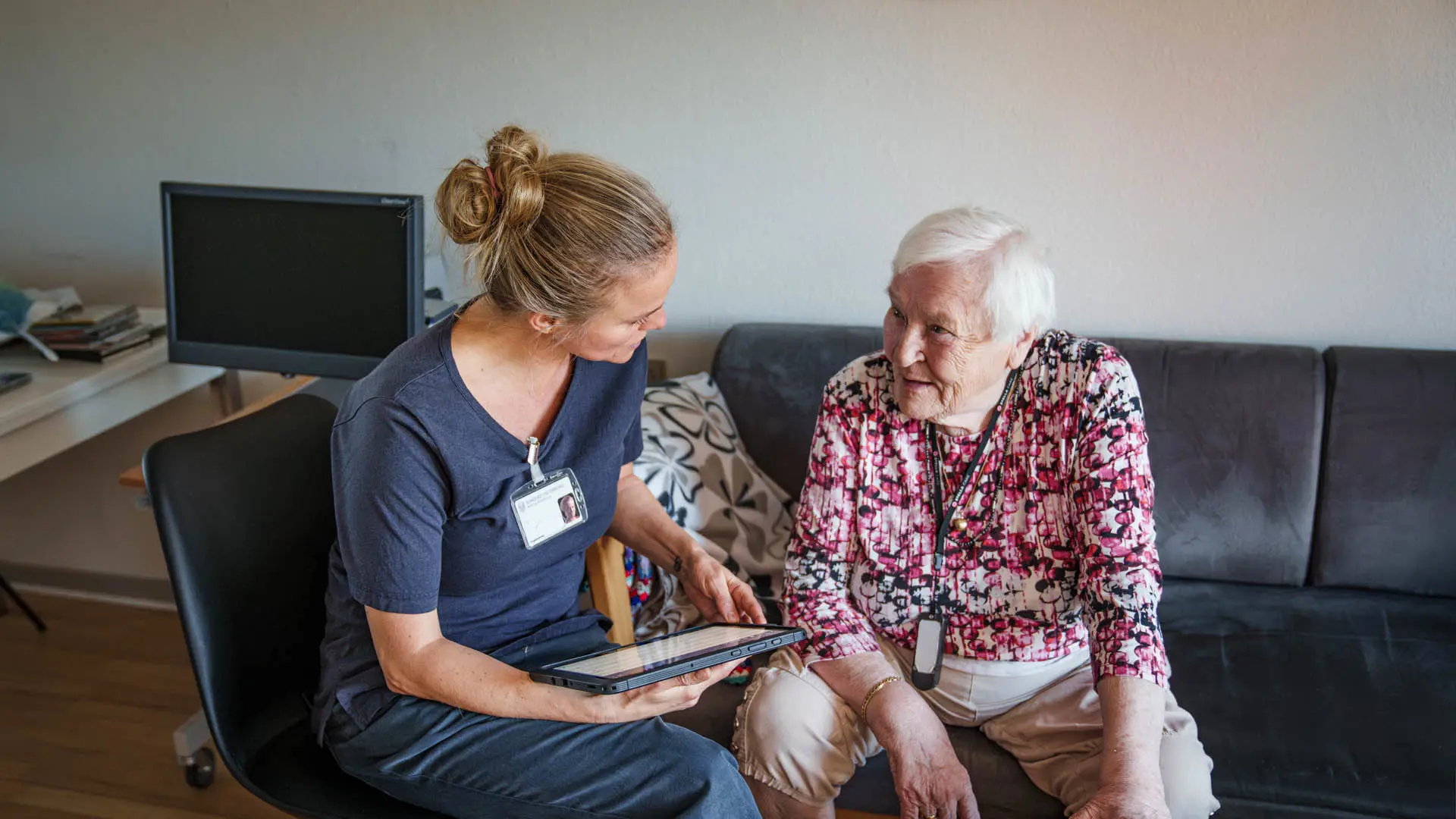 Copenhagen Municipality streamlines workflows with mobile documentationWith Columna Cura, healthcare professionals in the Copenhagen Municipality can document citizen information efficiently on mobile and tablet on the go and during visits.Read more
 Skanderborg Municipality achieves better continuity with Columna Cura My TeamSkanderborg Municipality has implemented Columna Cura My Team. This has resulted in improved task overview, fewer disruptions and increased employee autonomy.Read more
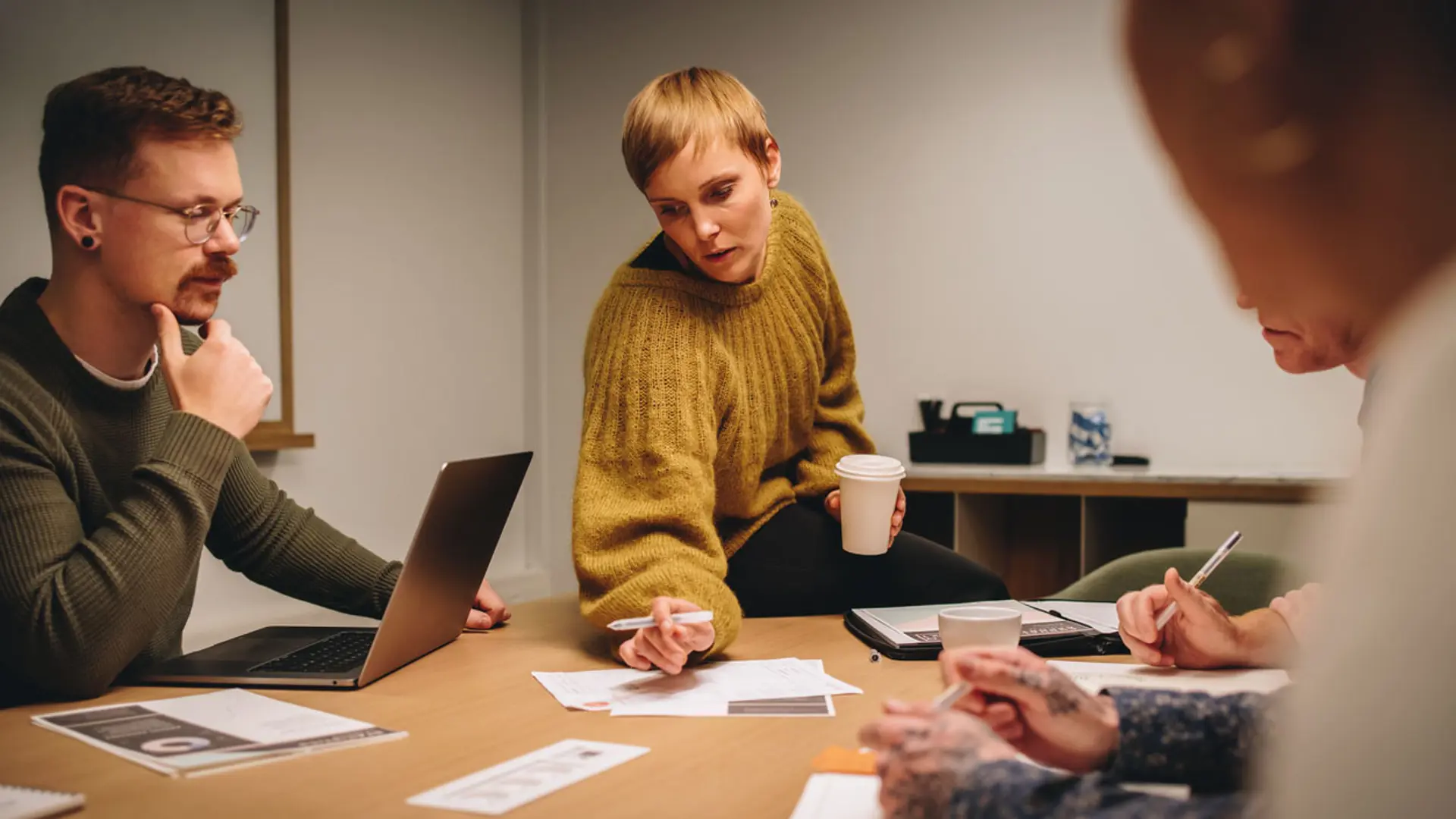 Ikast-Brande Municipality transformed their workflows with Columna Cura SocialDaily administrative tasks has become easier, and staff in Ikast-Brande Municipality now have more time for residents. Read how in this case study.Read more
 How do we create the continuum of care?The dream of a unified health service, with seamless information exchange, is no longer a distant dream.Read more
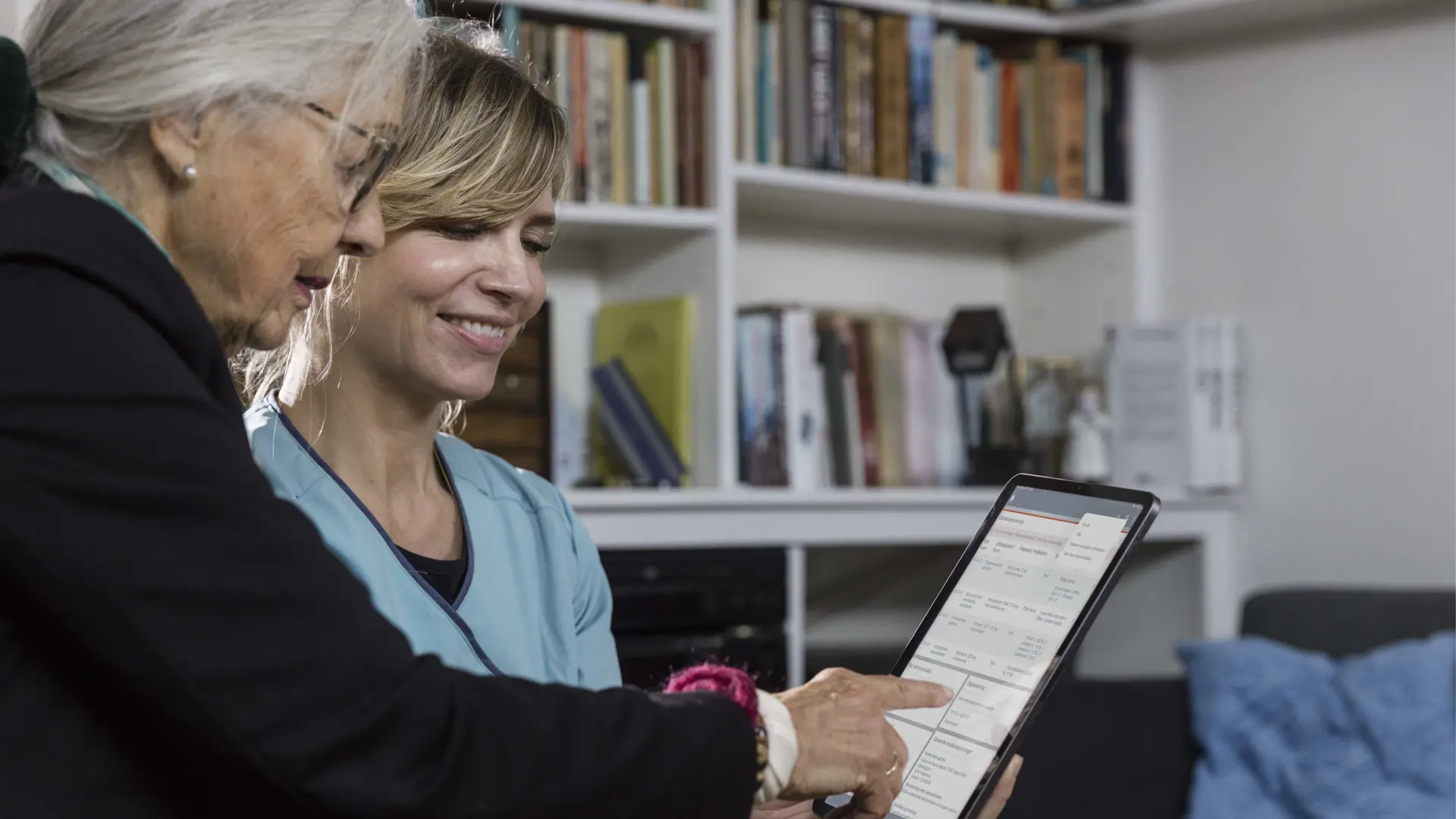 Herning Municipality has tested Columna Axon with great successColumna Axon brings cohesion to the healthcare system by enabling healthcare professionals across sectors to share real-time data with each other.Read more
 Cura Dialogue ensures effective communication for citizens and relatives in Aalborg MunicipalityCitizens and staff in Aalborg Municipality are pleased with the the Cura Dialogue solution. The solution lets citizens view and manage appointments online, allowing them to book or cancel appointments digitally.Read more